
Svalbard is one of the most extraordinary places in the Arctic. Glaciers descend directly into the sea, walruses and reindeer can be seen along the coast, while whales and belugas appear in the fjords. Add to this abandoned settlements, the history of polar exploration and landscapes unlike anywhere else in the world.
If you are wondering what is worth seeing in Svalbard and Spitsbergen, here are five places and experiences that should definitely be part of your Arctic journey.
I. Longyearbyen – the Capital of Svalbard and the Global Seed Vau
Longyearbyen is the largest settlement in Svalbard and, for most travellers, the starting point of their Arctic adventure.
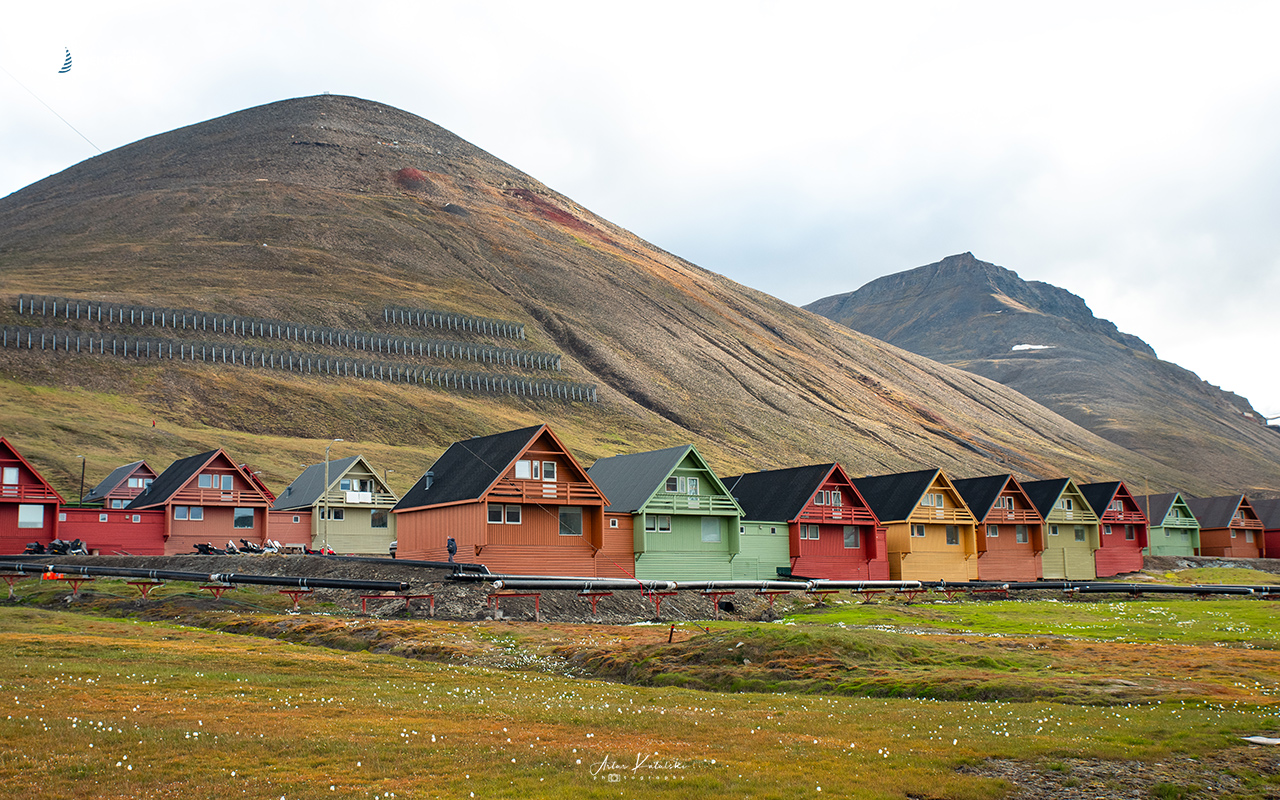
It is worth exploring the small town centre, the harbour, the characteristic local architecture and the remains of its mining history. Nearby is also the famous Svalbard Global Seed Vault, where seeds from around the world are stored.
Longyearbyen is also a good place to learn about the history of exploration in Spitsbergen and prepare for a journey deeper into the Arctic.
What is worth seeing: Longyearbyen town centre, the harbour area, the Svalbard Global Seed Vault, the Svalbard Museum and former mining installations.
II. Pyramiden – an Abandoned Arctic Town
Pyramiden is one of the most unusual attractions in Svalbard. This former Soviet mining settlement was largely abandoned at the end of the 20th century, leaving behind an almost complete Arctic town.

Today, visitors can still see its monumental cultural centre, hotel, residential buildings, sports facilities and the characteristic statue of Lenin.
Pyramiden’s location on Billefjorden, surrounded by mountains and glaciers, makes it not only an important historical site but also one of the most photogenic places in Spitsbergen
III. Svalbard Glaciers – Borebreen, Monacobreen and Ice-Filled Bays
It is difficult to imagine a trip to Svalbard without encountering a glacier.

Spitsbergen is home to many spectacular glaciers that descend directly into the sea. During our voyages, you can observe their enormous glacier fronts, deep crevasses and icebergs floating in the fjords.
One particularly interesting area is Borebukta and Borebreen Glacier, while longer expeditions can also reach places such as Monacobreen and other glaciers of northern and western Spitsbergen.
One of the most impressive natural events is glacier calving, when huge sections of ice break away from the glacier front and crash into the sea.
IV. Arctic Wildlife – Walruses, Whales, Belugas and Reindeer
One of the greatest attractions of Svalbard is the opportunity to observe wild animals in their natural environment.
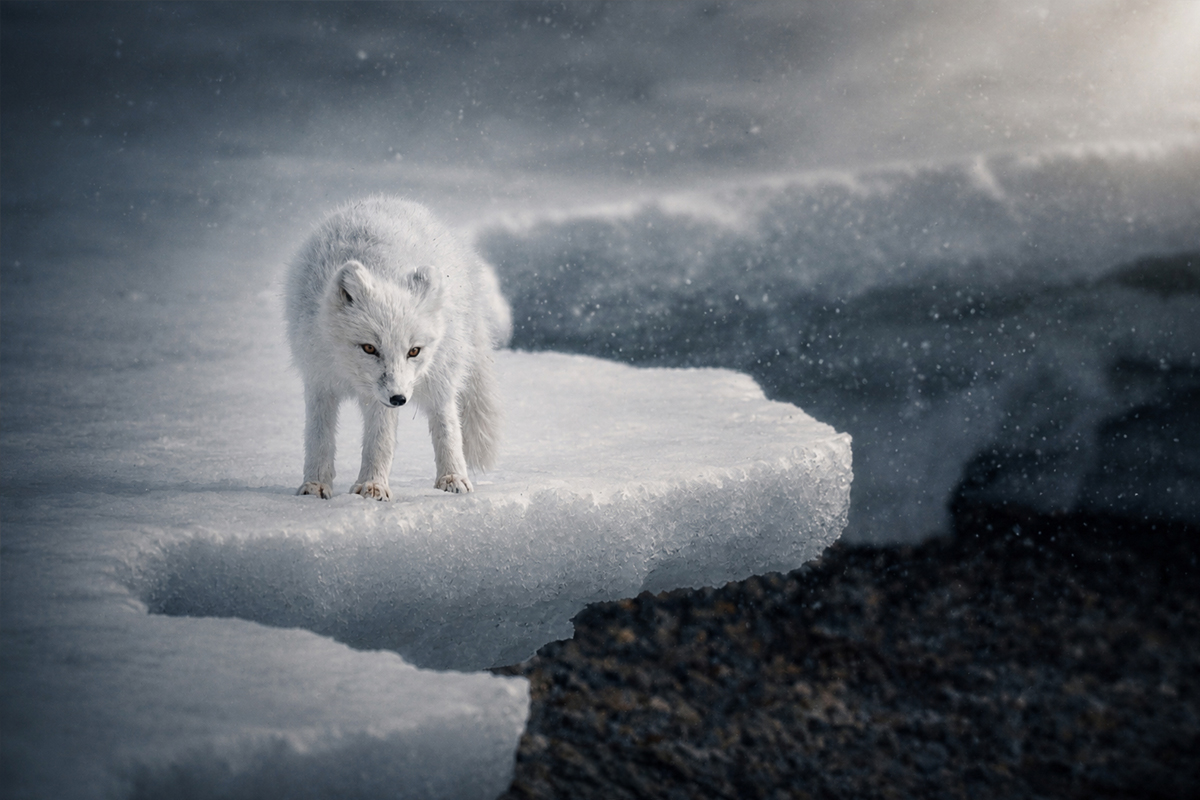
During our expeditions, you may encounter walruses resting on beaches, Svalbard reindeer, Arctic foxes and numerous bird species.
The fjords are also home to whales and belugas, which can sometimes pass surprisingly close to the coast or the yacht.
The symbol of Svalbard is, of course, the polar bear, although seeing one can never be guaranteed. It is a wild animal that moves freely across the vast archipelago.
It is precisely this unpredictability that makes wildlife watching in Svalbard so special.

V. Ny-Ålesund and the Wild North-West of Spitsbergenn
Ny-Ålesund is one of the most unusual settlements in the world and an important centre for polar research.
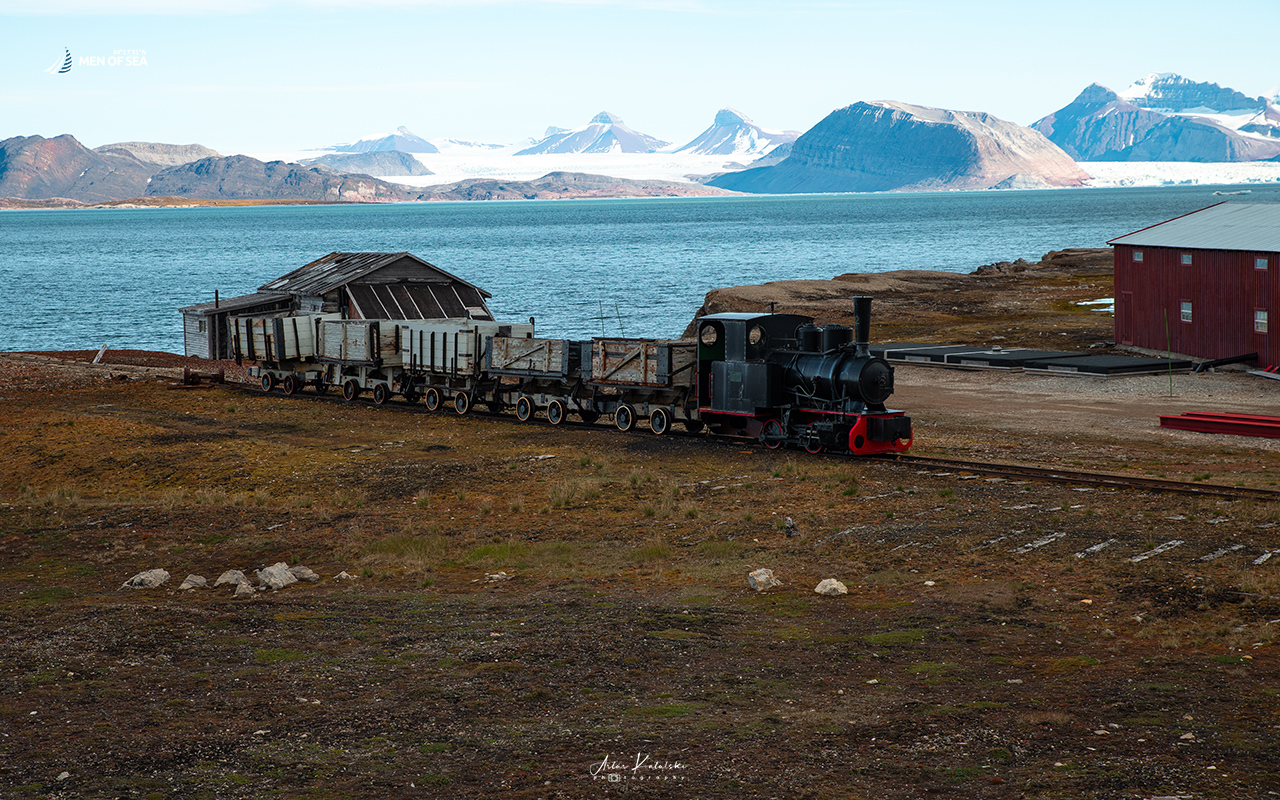
The town is closely connected with the history of expeditions to the North Pole and today functions primarily as an international scientific research base.
However, the true beauty of this region begins beyond the settlement itself.
North-western Spitsbergen is a landscape of high mountains, deep fjords, enormous glaciers and places almost completely untouched by modern civilisation. Areas such as Magdalenefjorden, Kongsfjorden and the northern coast of Spitsbergen show Svalbard at its most raw and wild.
What Is Worth Seeing in Svalbard During One Expedition?
One of the greatest advantages of exploring Svalbard by yacht is the possibility of seeing several completely different faces of the Arctic during a single expedition.
One day you may visit an abandoned settlement, the next stand in front of a glacier, and only a few hours later observe walruses or whales.
However, there is no single fixed route that is always the best.
In Svalbard, weather, ice conditions and the presence of wildlife determine the course of the expedition. That is why the best journeys around Spitsbergen combine careful planning with the flexibility to change the route when conditions require it.
That is exactly what makes every expedition different.