NY-ÅLESUND
The Northernmost Settlement in the World.
BASIC INFORMATION
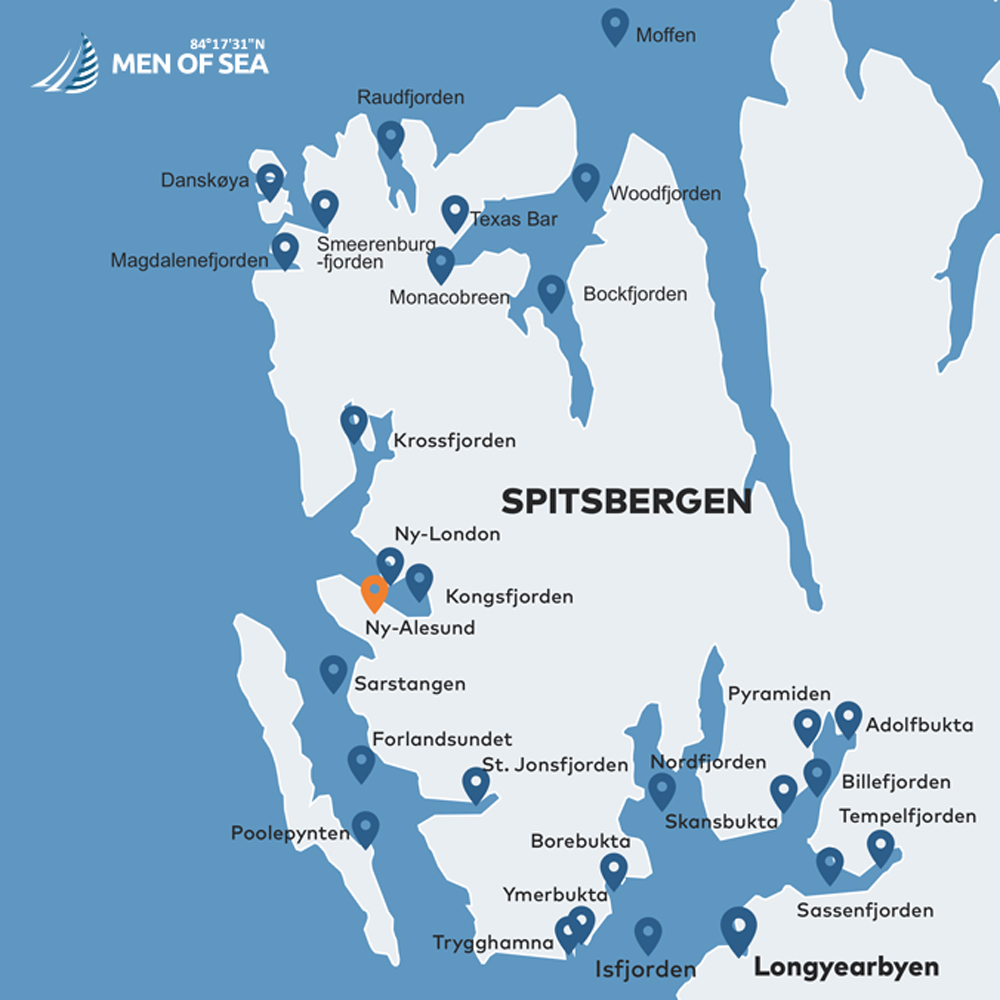
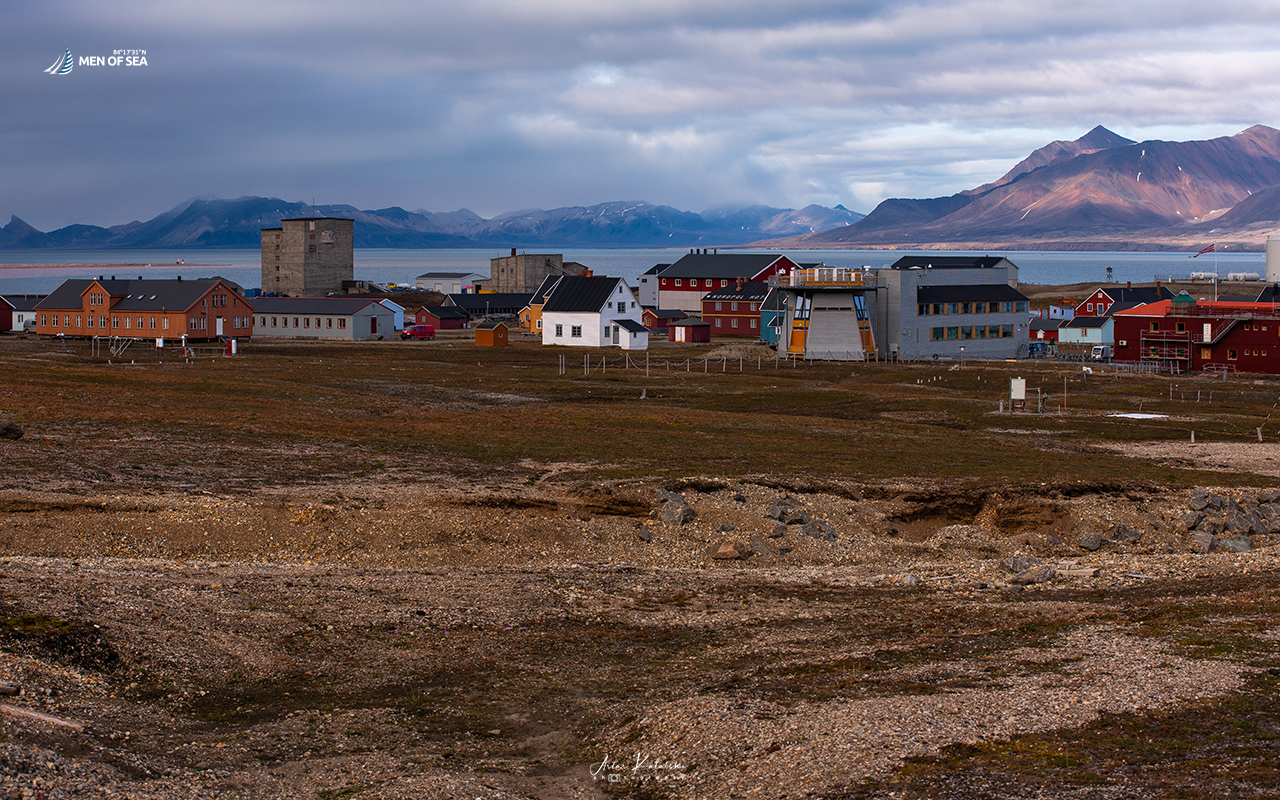
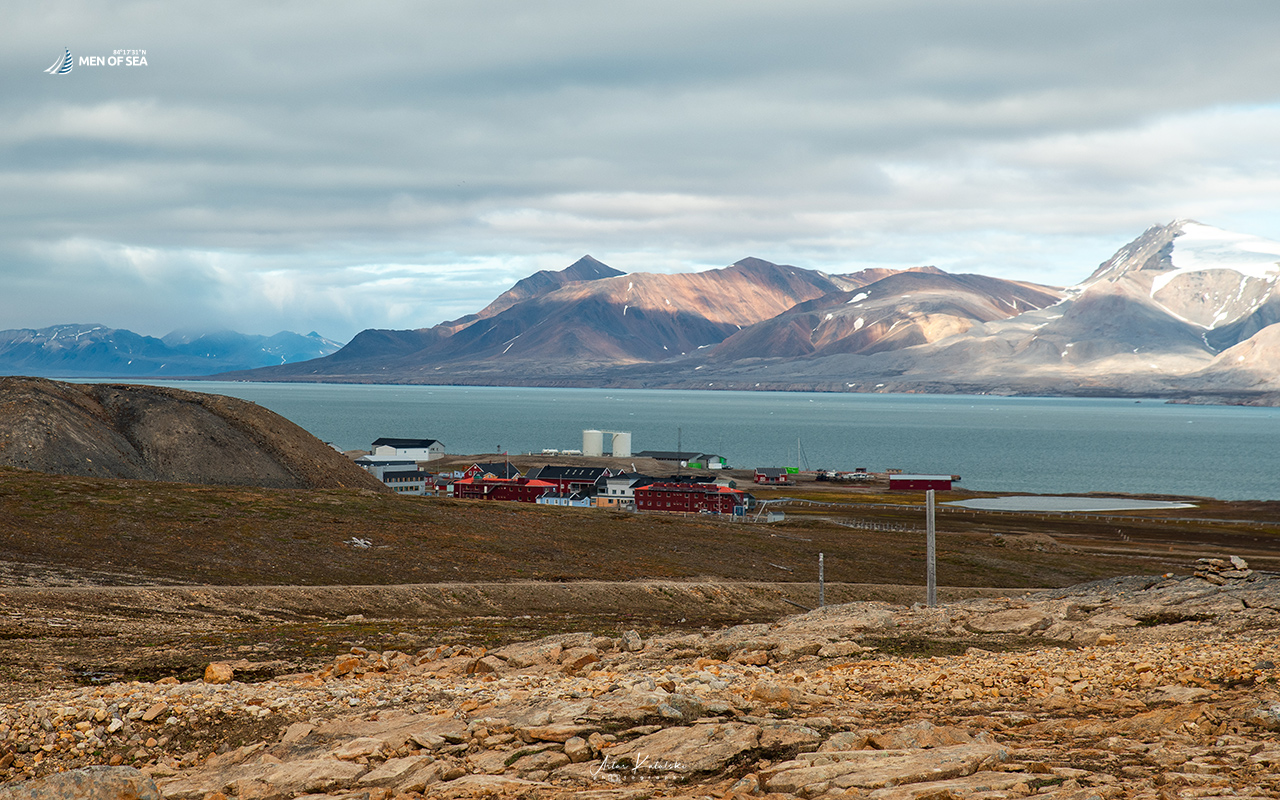
Ny-Ålesund is located halfway along Kongsfjorden, approximately 100 km north of Longyearbyen. This small settlement, spectacularly situated in the High Arctic, has around 30 permanent residents, although during the summer its population increases to approximately 150 people, mainly scientists and researchers from around 15 countries.
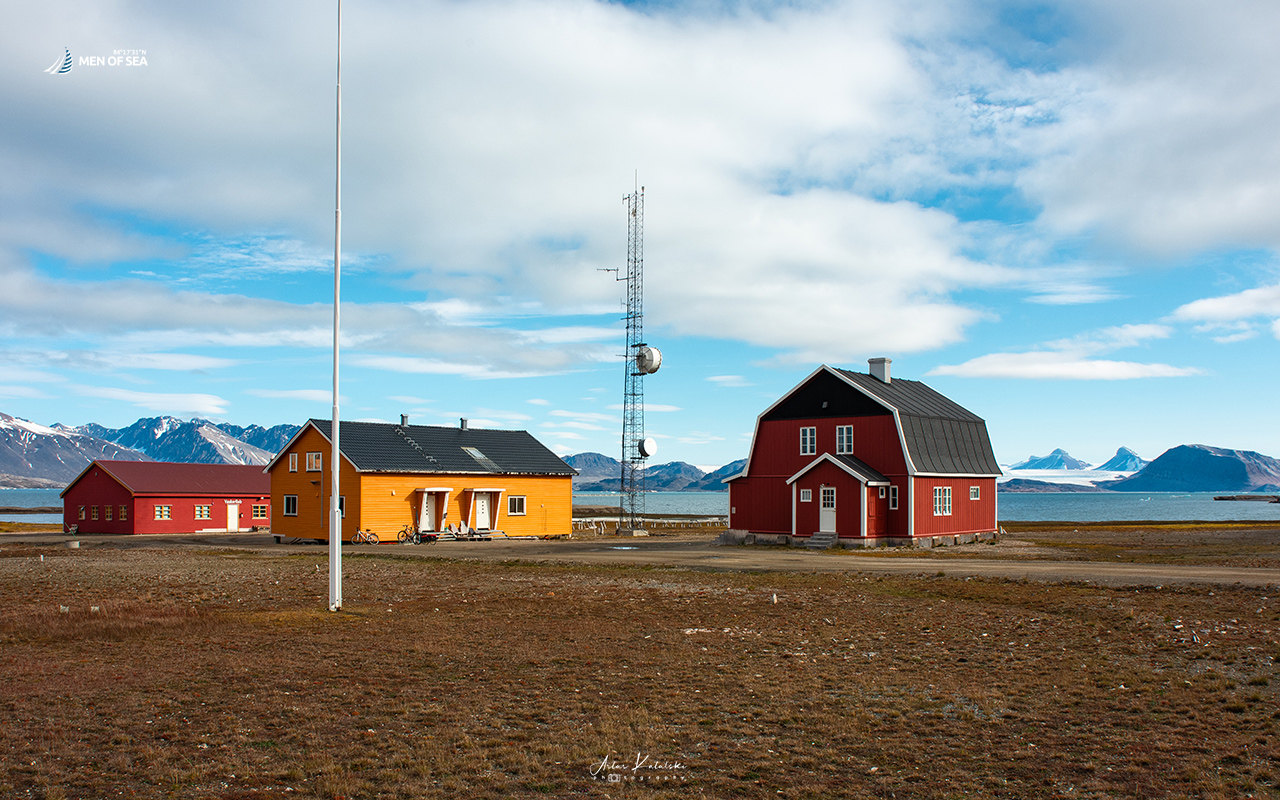
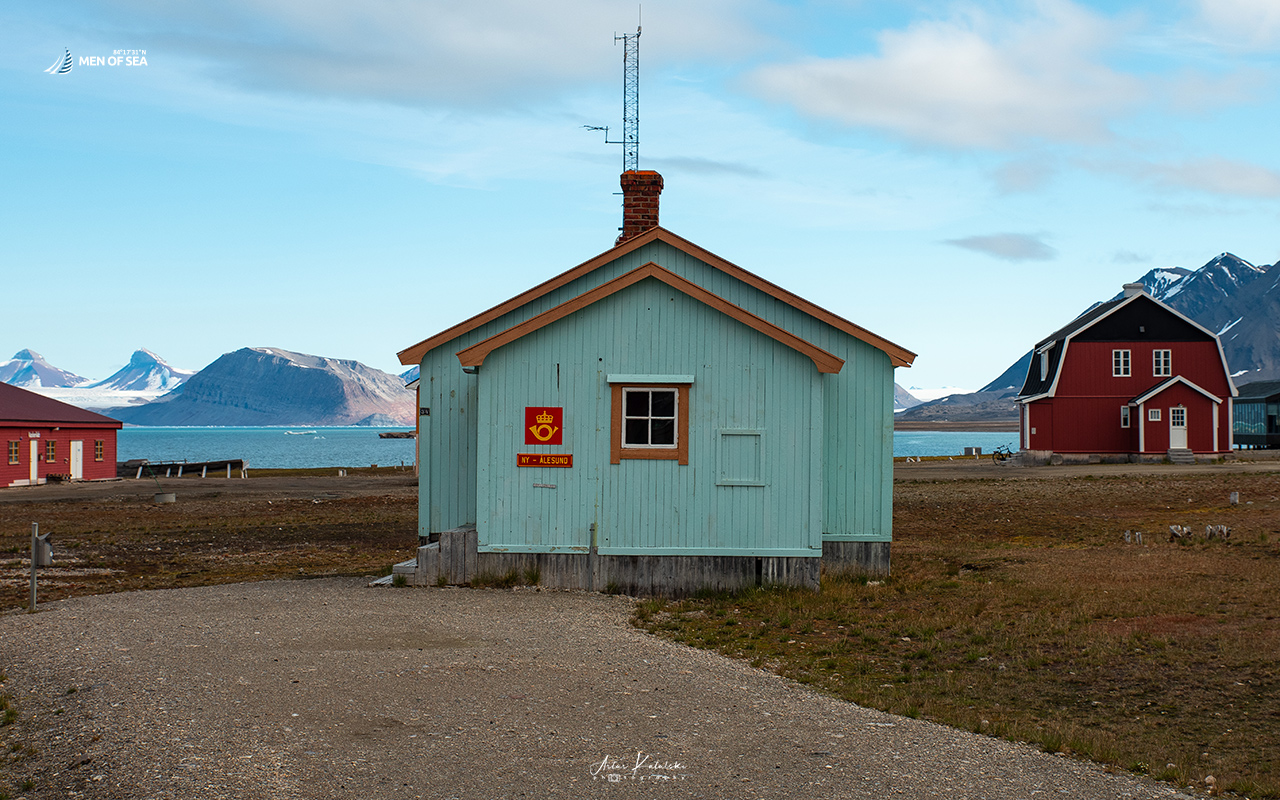
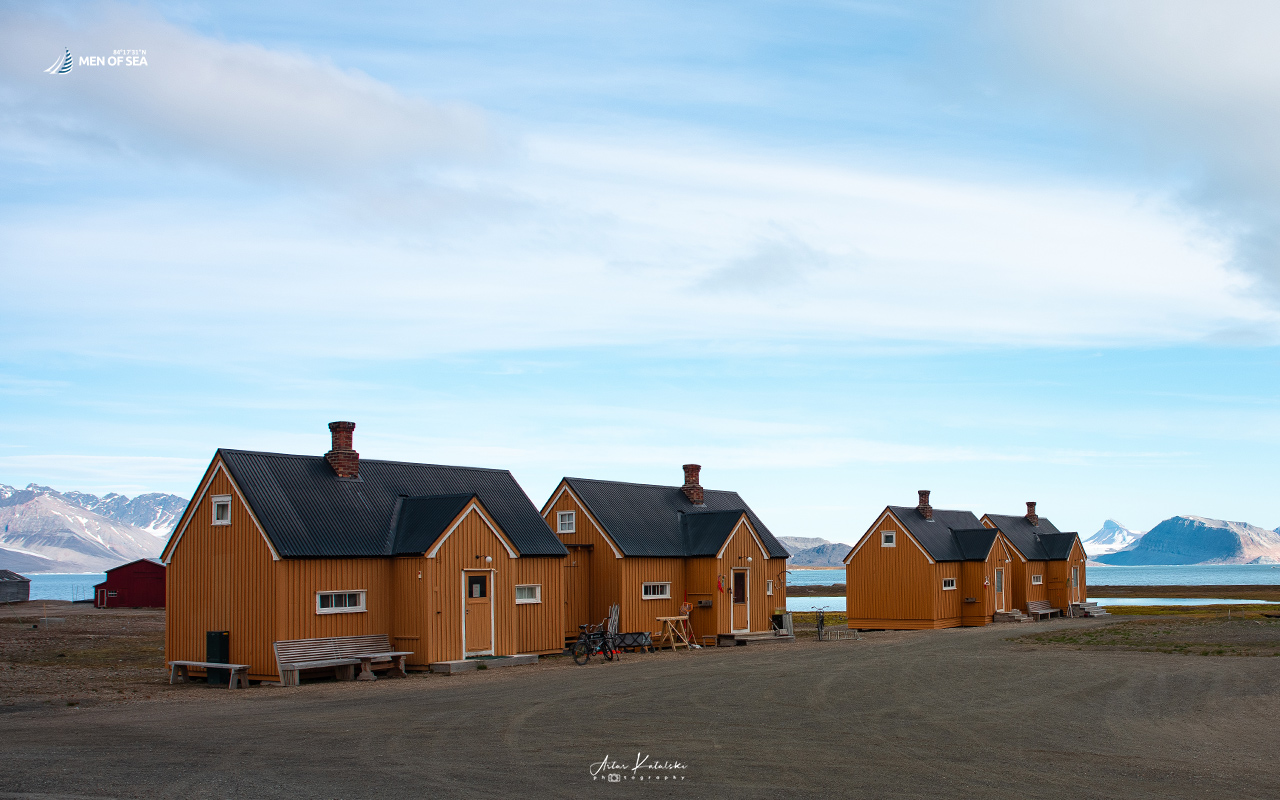
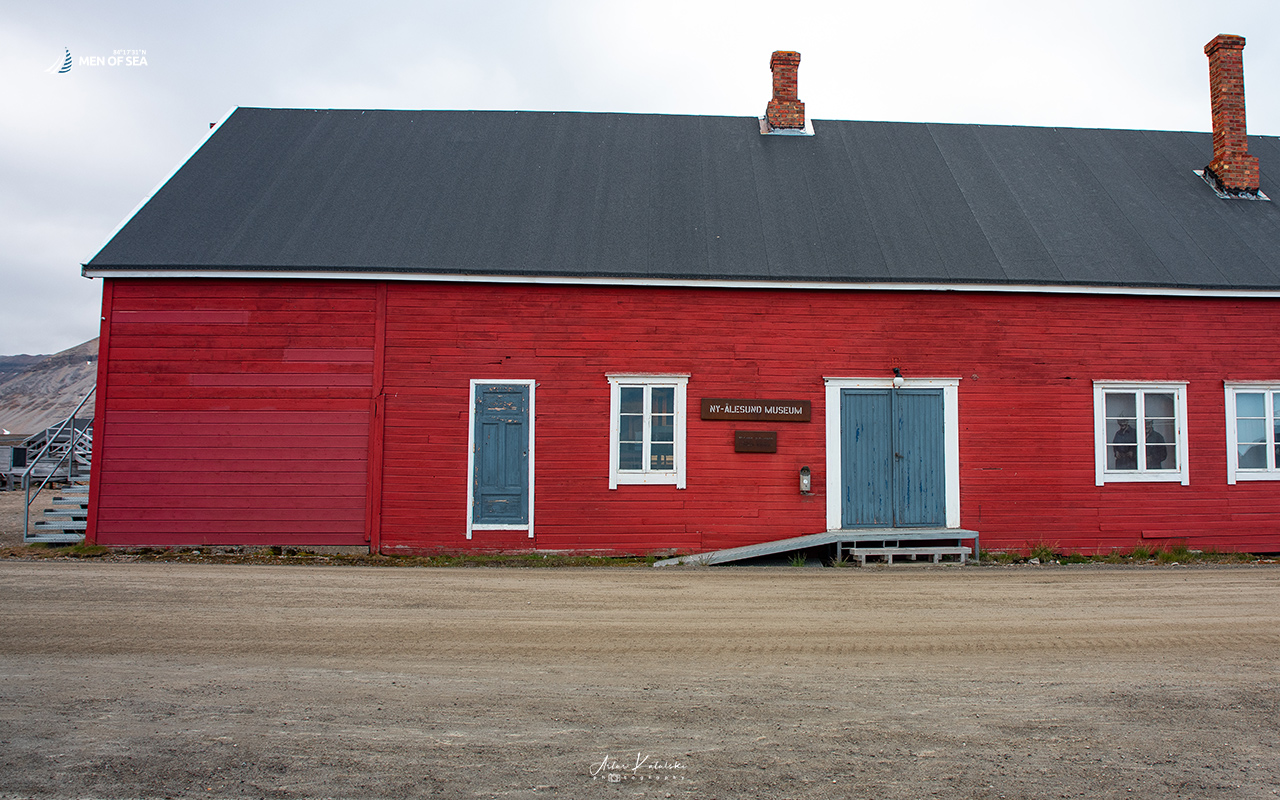
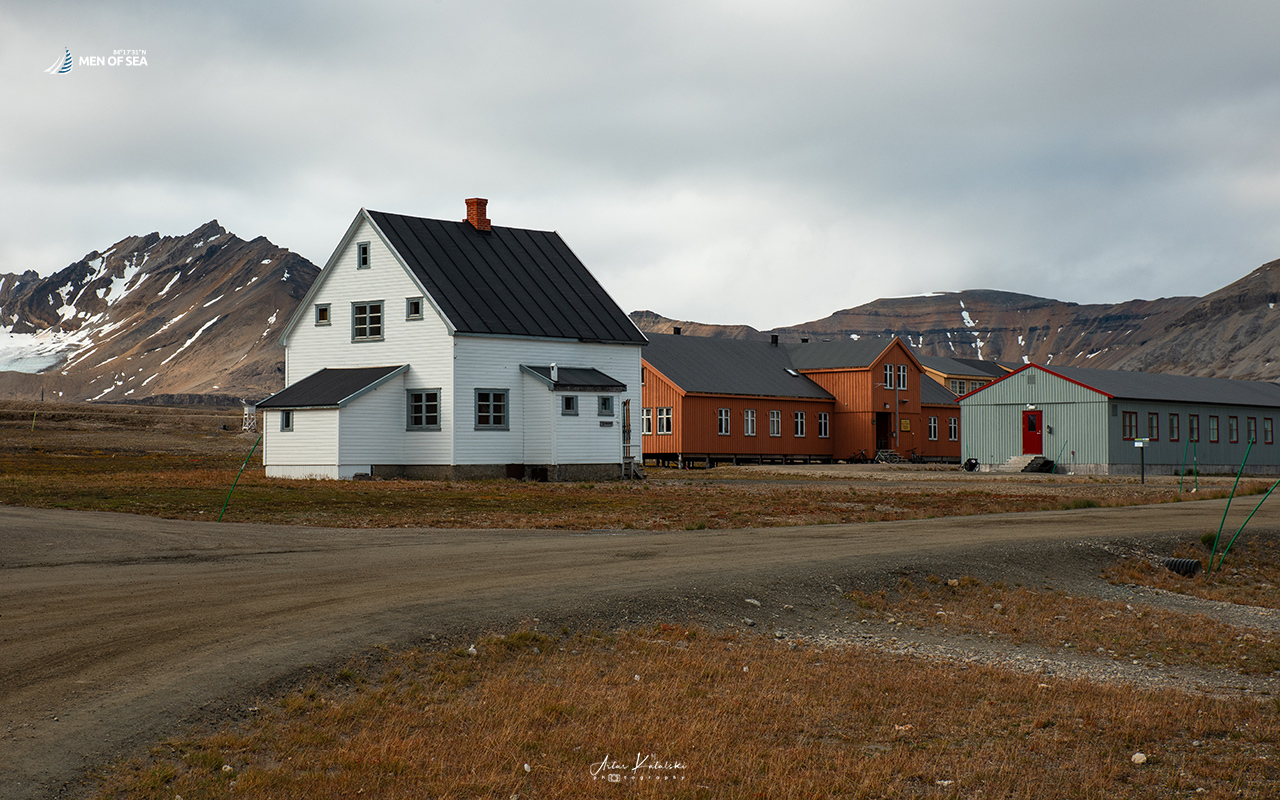
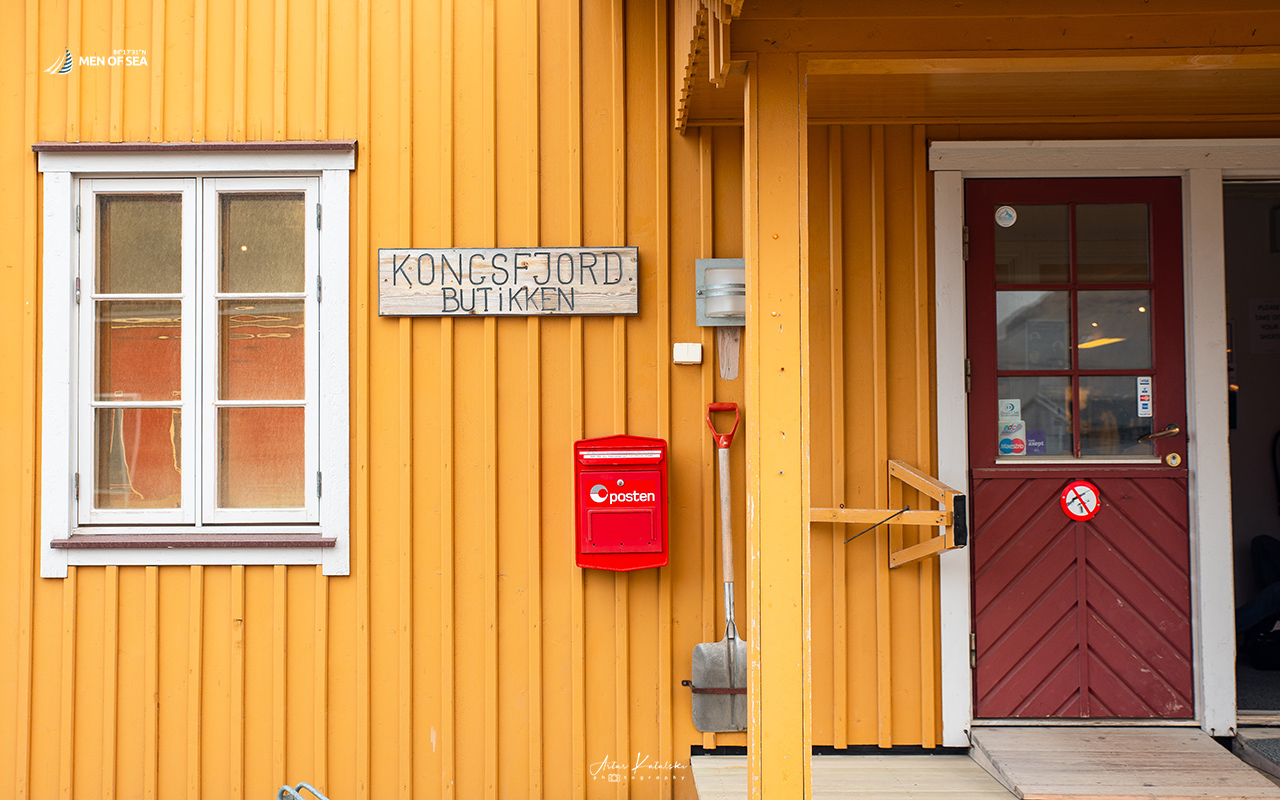
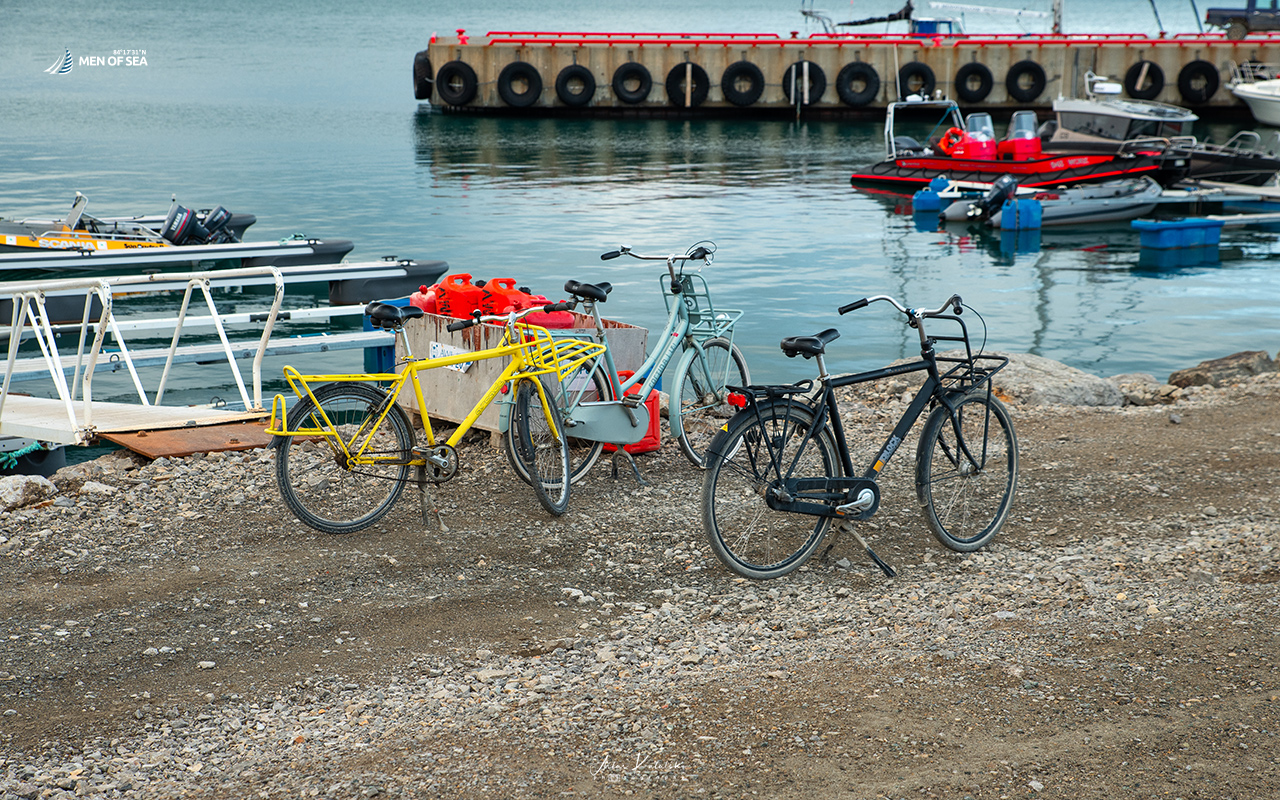
Ny-Ålesund is often described as the northern edge of civilisation. Almost everything here seems to be “the northernmost in the world.” The settlement consists of around 60 buildings and is home to the world’s northernmost post office, several accommodation facilities, a local history museum, a café and a souvenir shop. Ny-Ålesund also has its own harbour and a small airstrip.
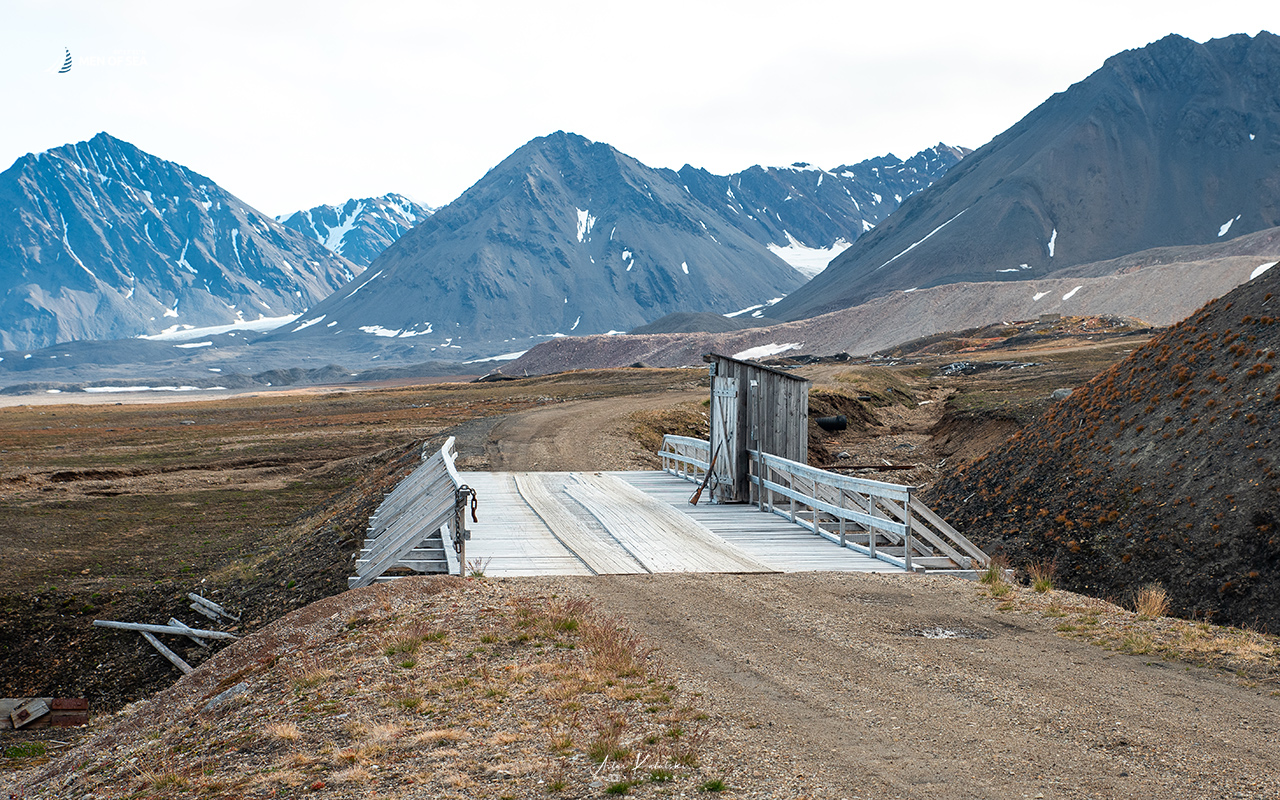
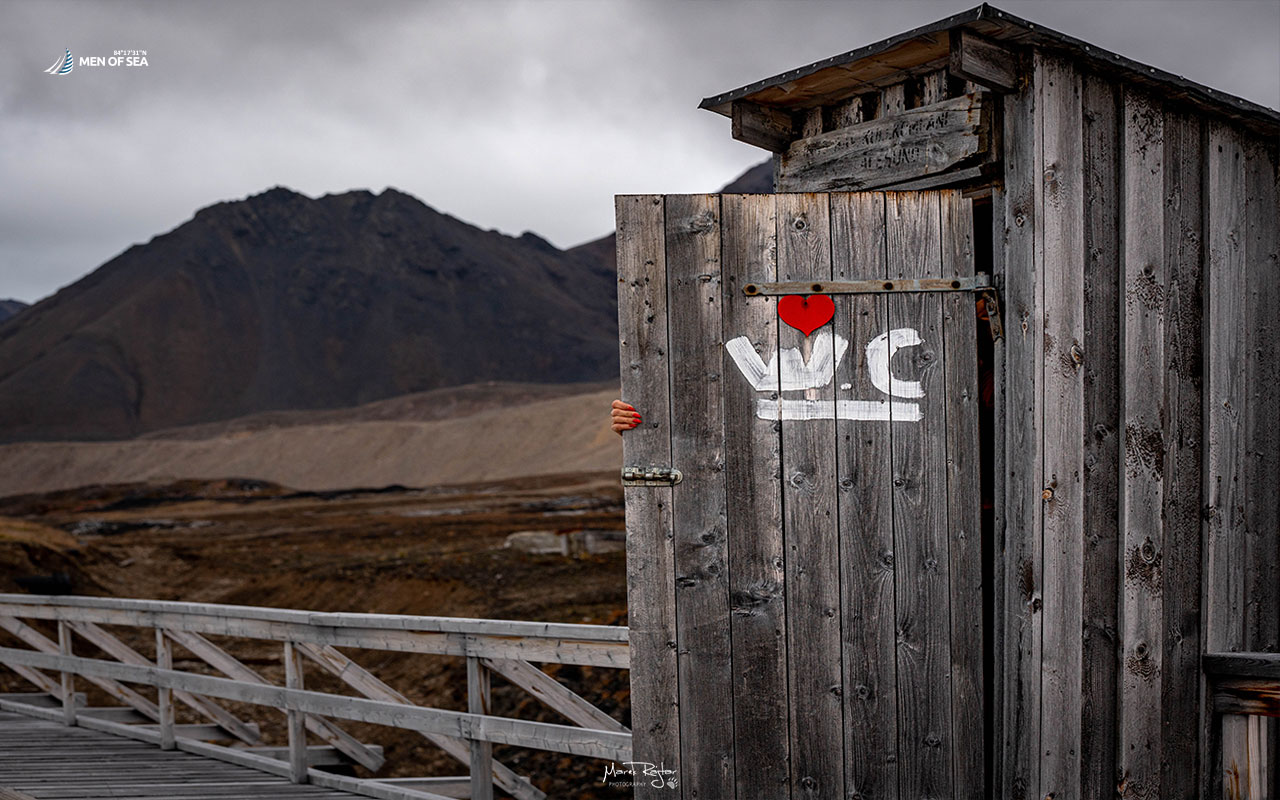
There is even what is claimed to be the northernmost outdoor toilet in the world, offering perhaps one of the most spectacular views imaginable from such a modest facility.
COAL, EXPEDITIONS TO THE NORTH POLE AND INTERNATIONAL RESEARCH STATIONS.
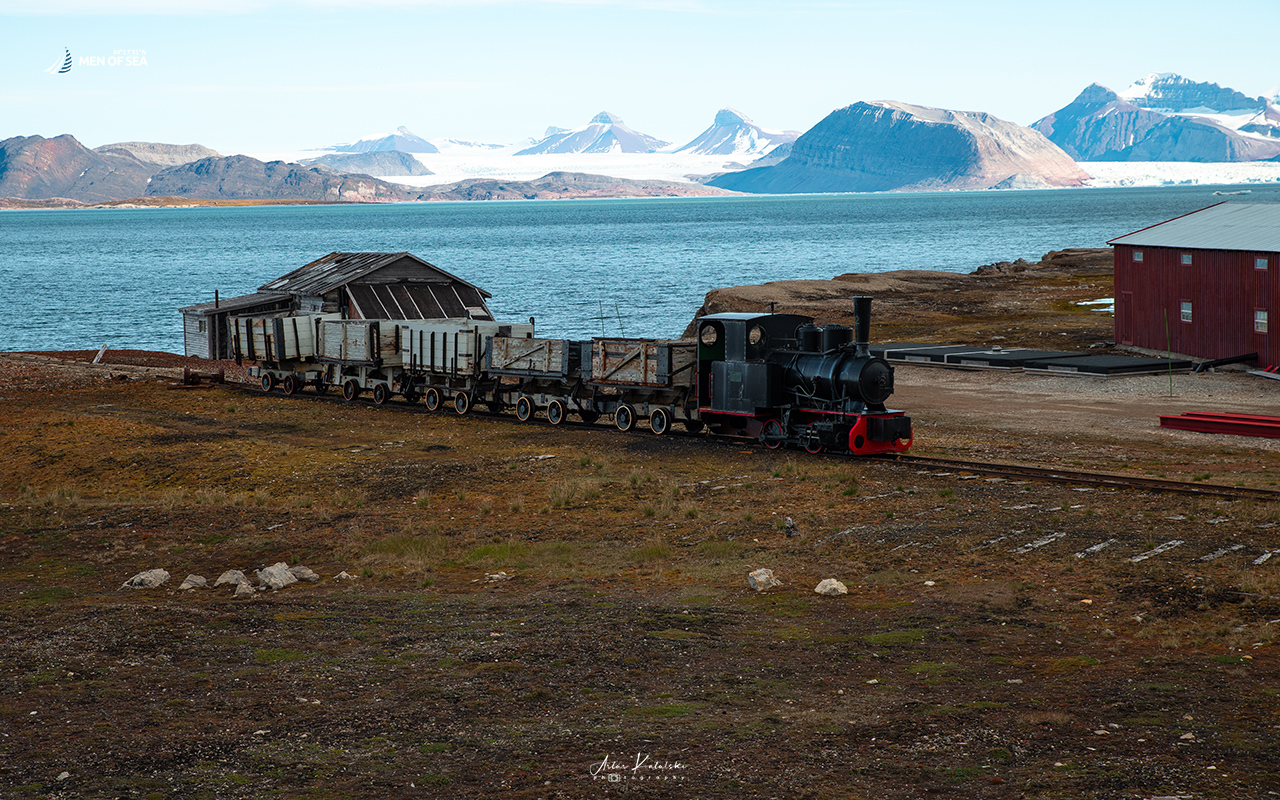
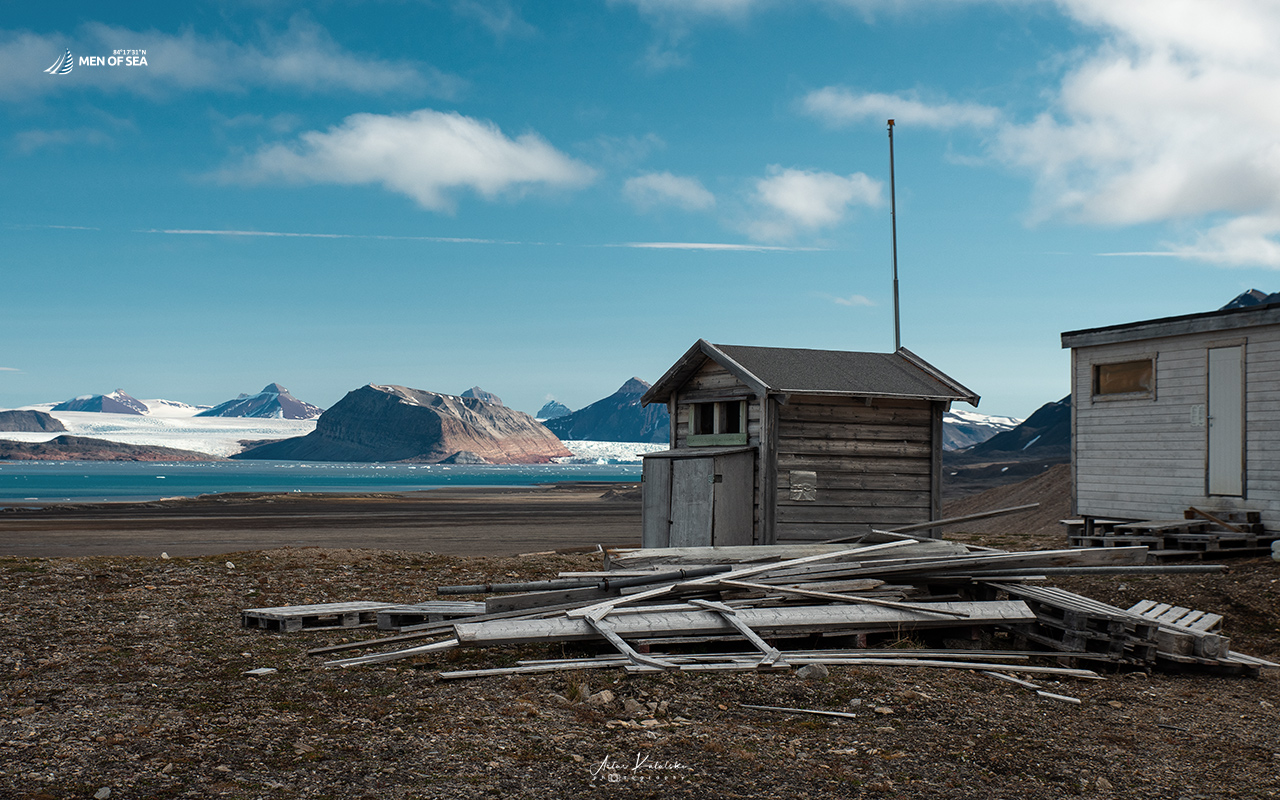
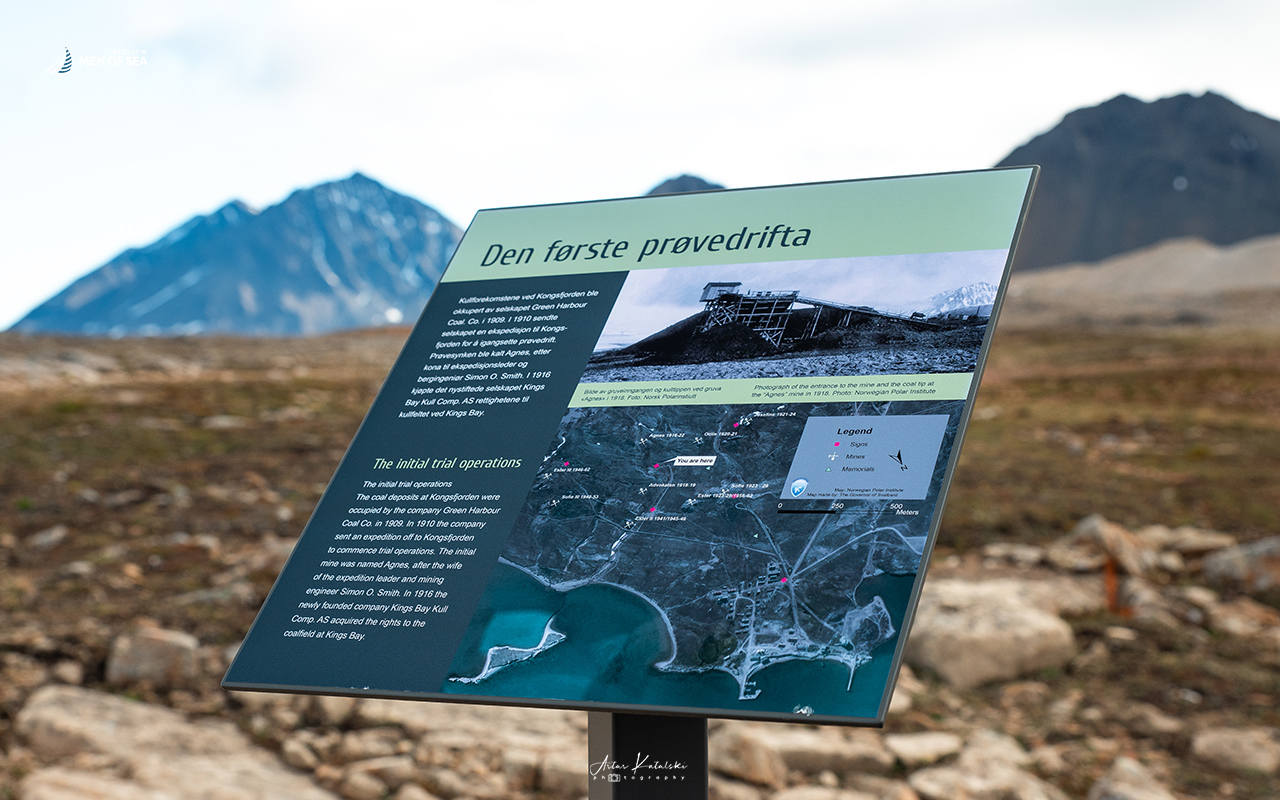
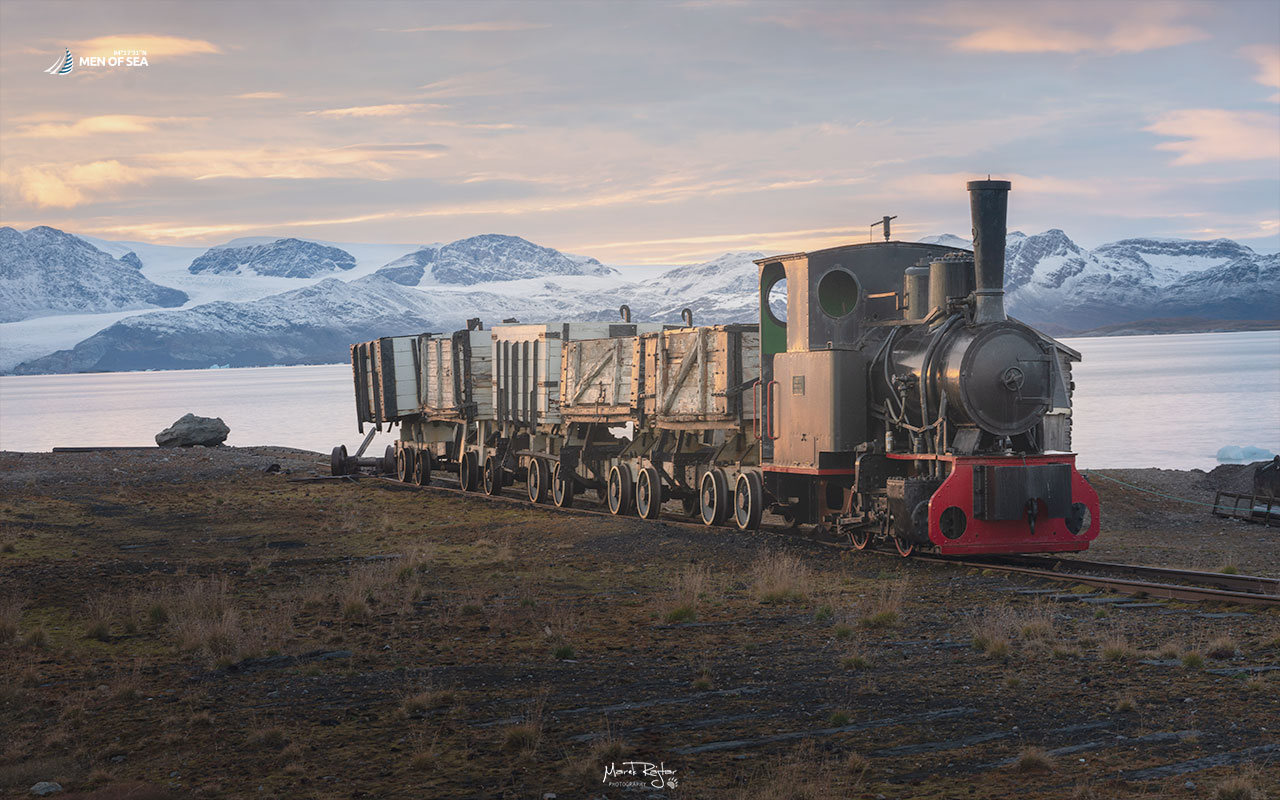
The settlement developed following the discovery of coal deposits and the establishment of a mine in 1917. Coal was extracted here for around 45 years, with an interruption during the Second World War. Production was considerable, but mining conditions were extremely difficult and, despite attempts at modernisation, the safety of the operation was repeatedly questioned.
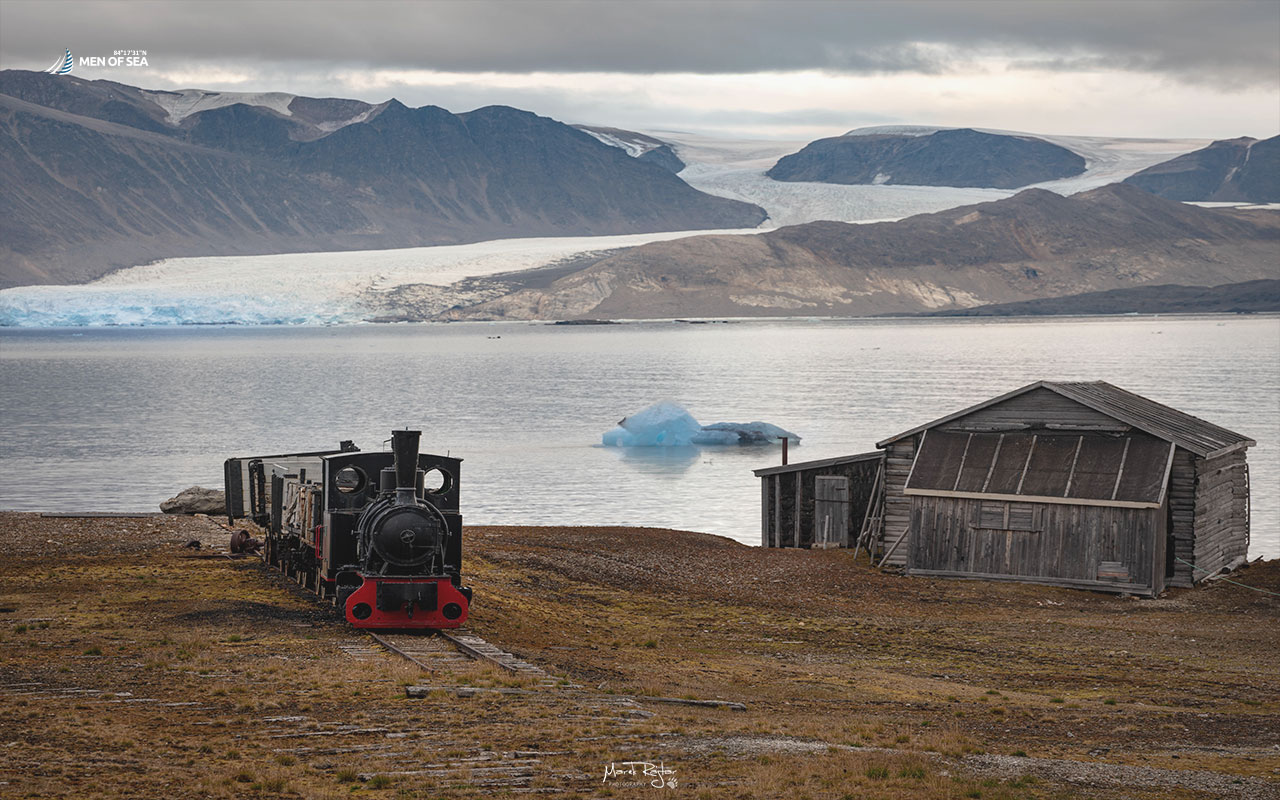
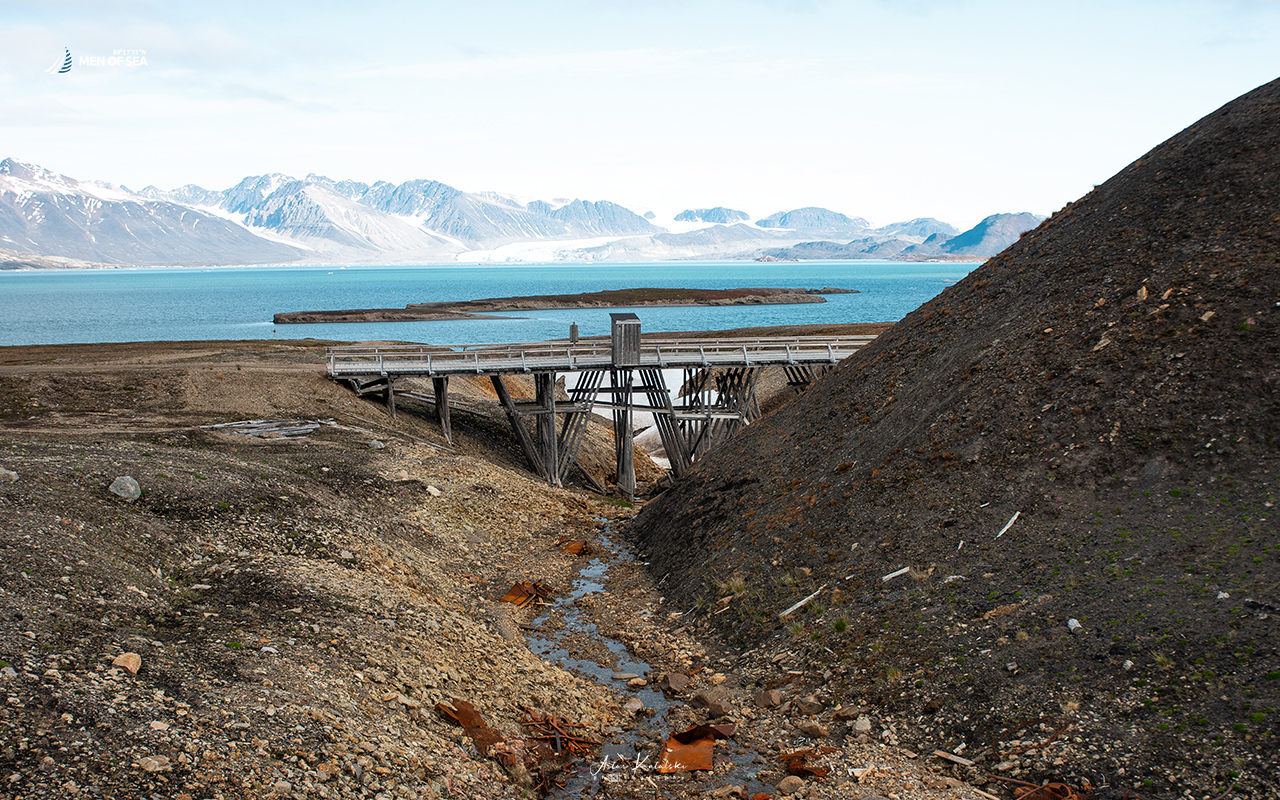
Mining finally came to an end following a tragic accident in 1962, in which 21 miners lost their lives. The disaster had major political consequences in Norway and ultimately contributed to the resignation of the Norwegian government. Today, numerous remains from the mining era can still be seen around the settlement.
Ny-Ålesund also played an important role in the history of North Pole exploration. During the 1920s, some of the greatest names in polar exploration stayed here, including Roald Amundsen, Richard Byrd, Umberto Nobile and Lincoln Ellsworth.
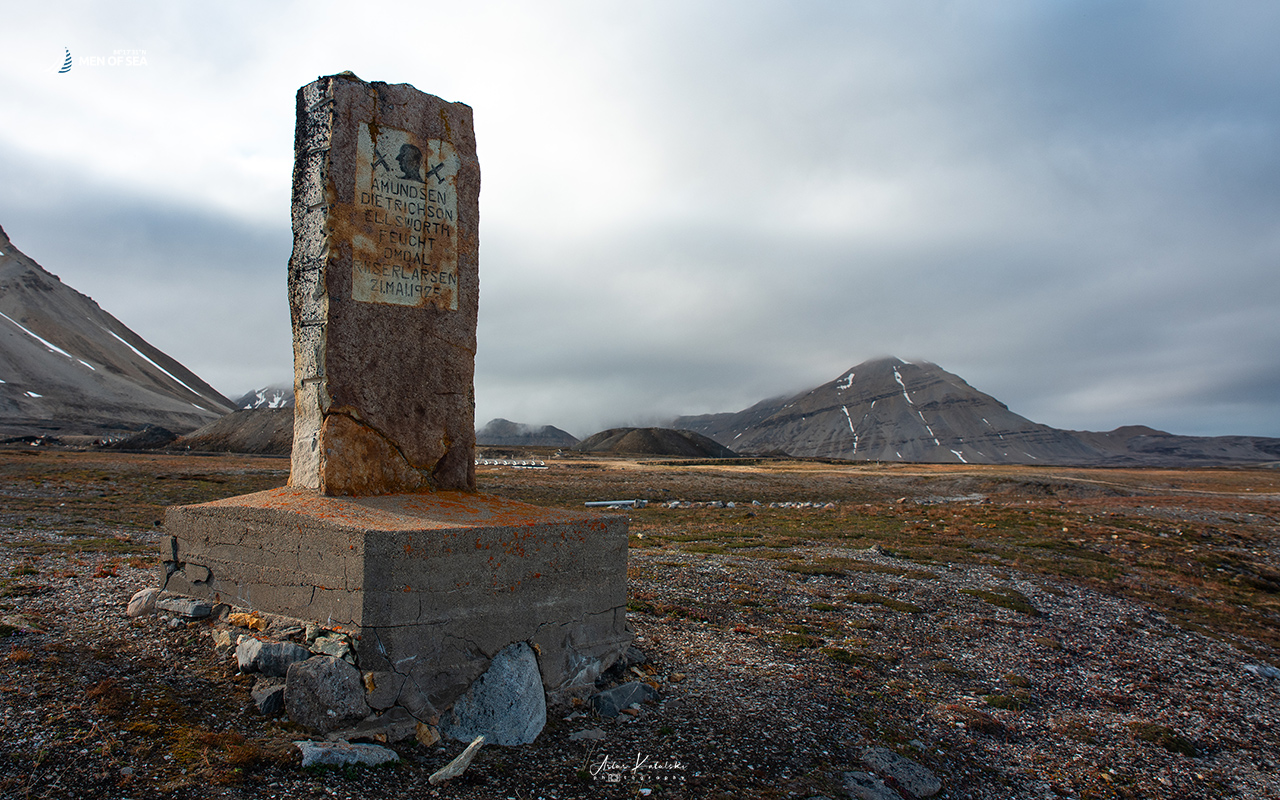
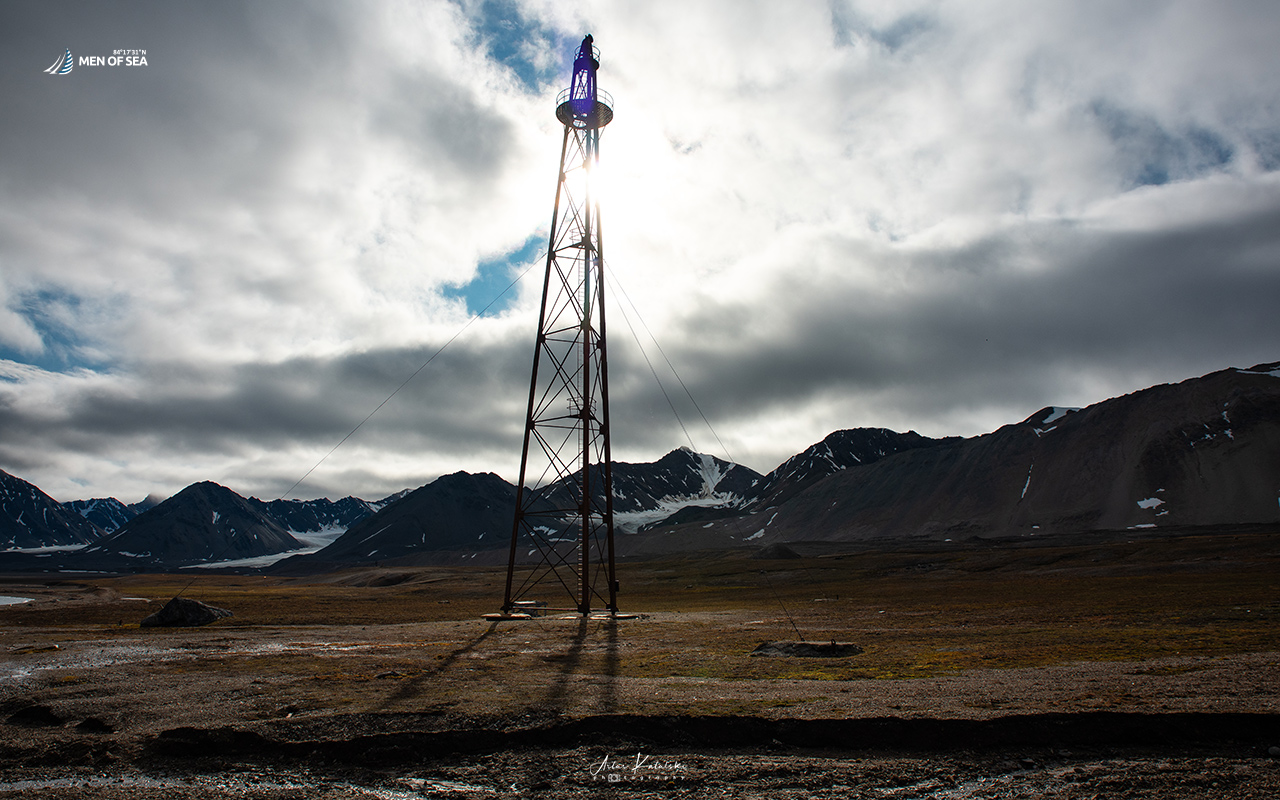
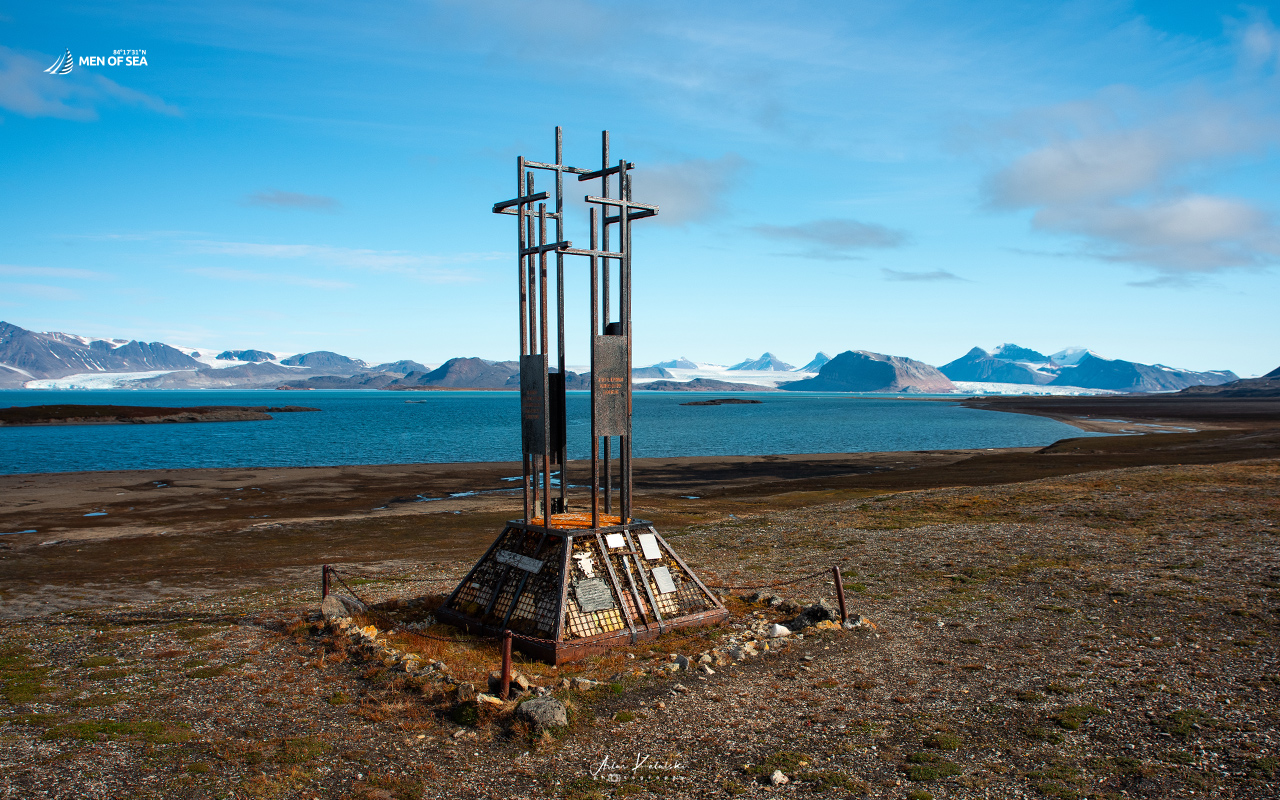
In 1926, Amundsen, Nobile and Ellsworth departed from Ny-Ålesund aboard the airship Norge and successfully flew over the North Pole. Several historic sites associated with these expeditions have survived to this day. Visitors can see the house where Amundsen stayed, the famous airship mooring mast used during the expedition, and a monument dedicated to the legendary Norwegian explorer.
In recent years, an interesting museum dedicated to the history of the exploration and conquest of the North Pole has also opened here.
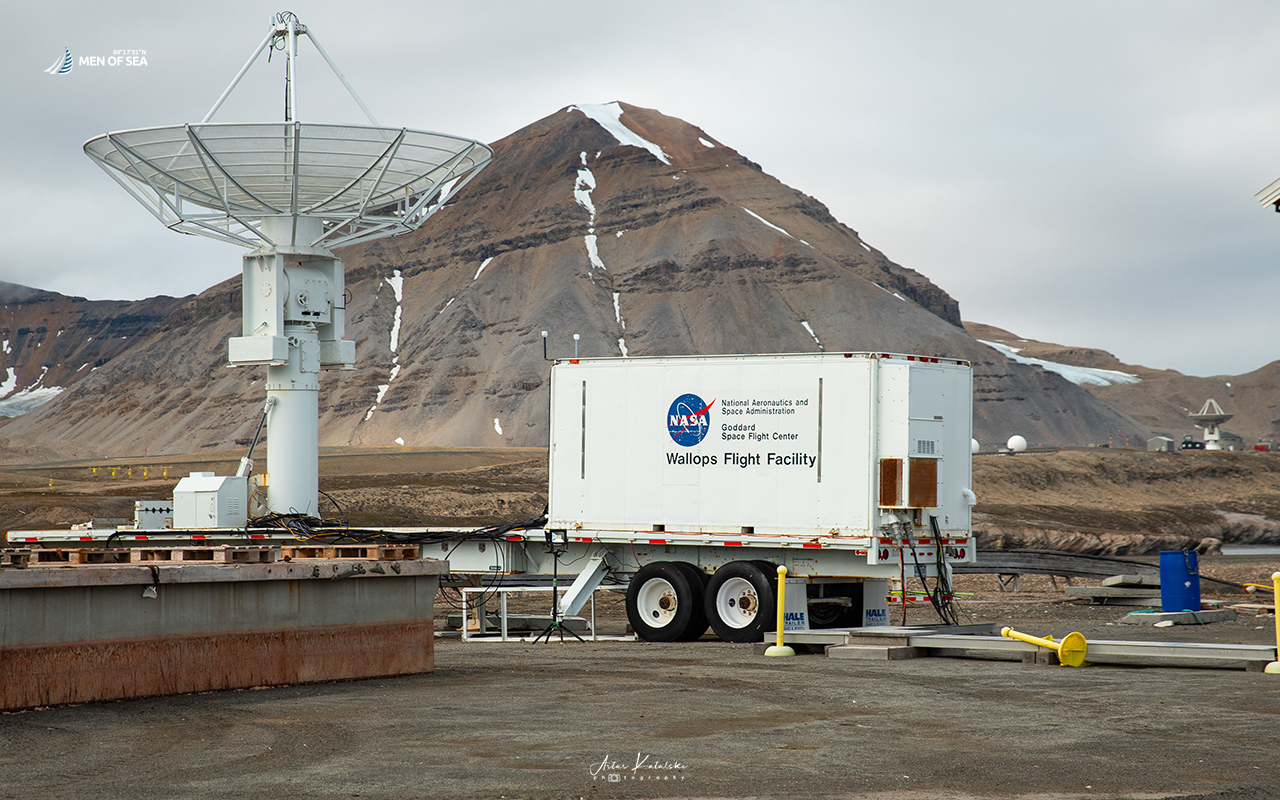
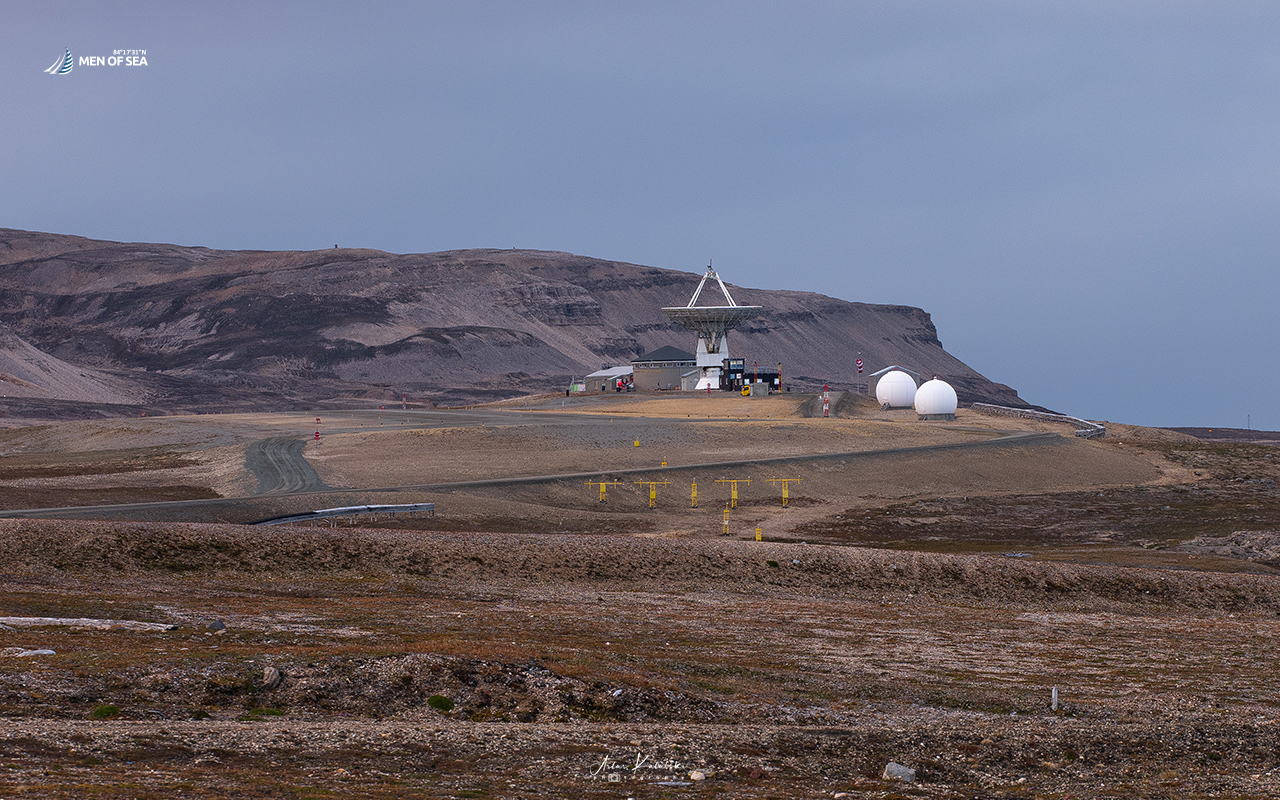
Since 1964, Ny-Ålesund has developed into an important international centre for Arctic research and environmental monitoring. A highly precise NASA geodetic observatory operates in the area and contributes to satellite and Earth-observation measurements.
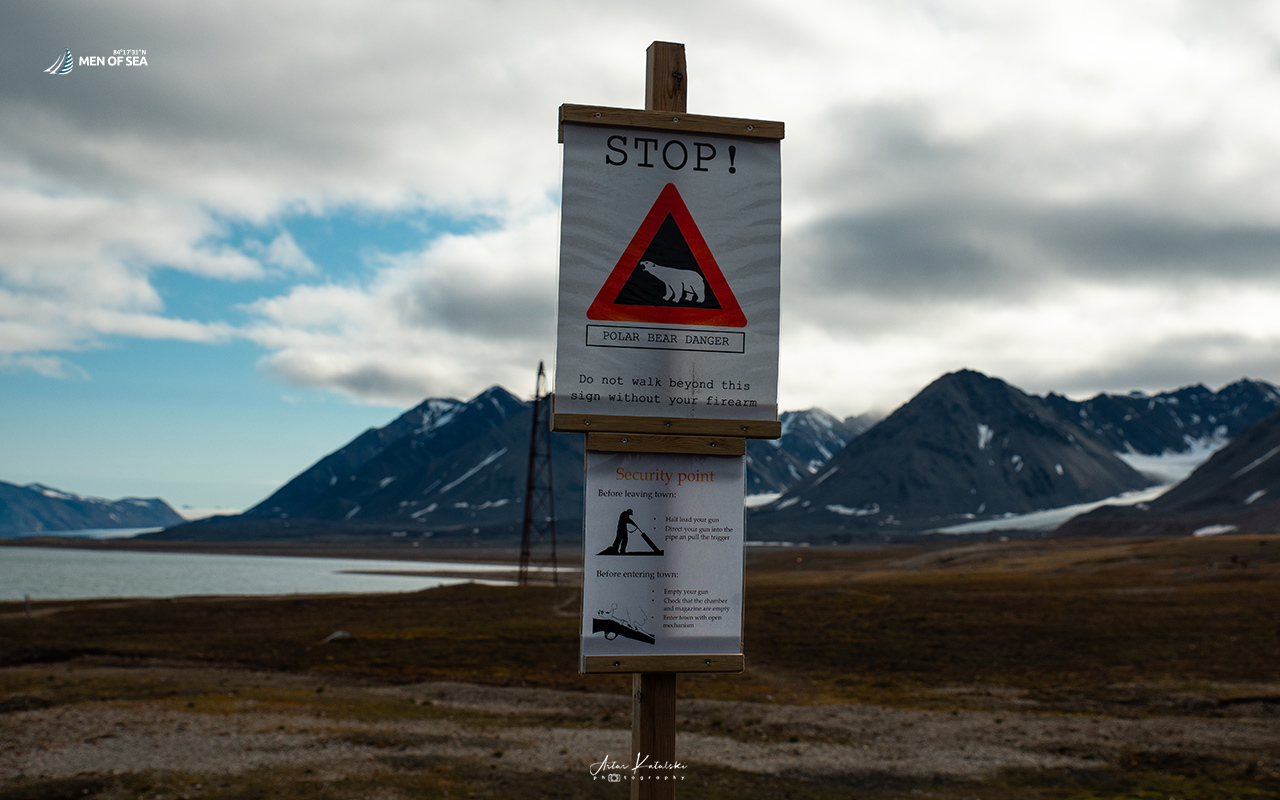
Today, research stations representing scientists from around 15 countries operate in Ny-Ålesund. Because many sensitive scientific experiments are conducted immediately outside the settlement, visitors are asked to remain on roads and designated routes.
Radio communication is also carefully controlled to avoid interference with scientific equipment. For this reason, ordinary mobile phone coverage and public Wi-Fi are extremely limited. For many years, visitors experienced a rather unusual connection to the outside world—a tiny booth equipped with a small desk, chair, heater and a wired internet connection.
OUR NORTHERN BASE.
Today, Ny-Ålesund is also one of Svalbard’s most fascinating destinations for visitors. During the summer season, expedition vessels arrive to introduce travellers to this extraordinary place.
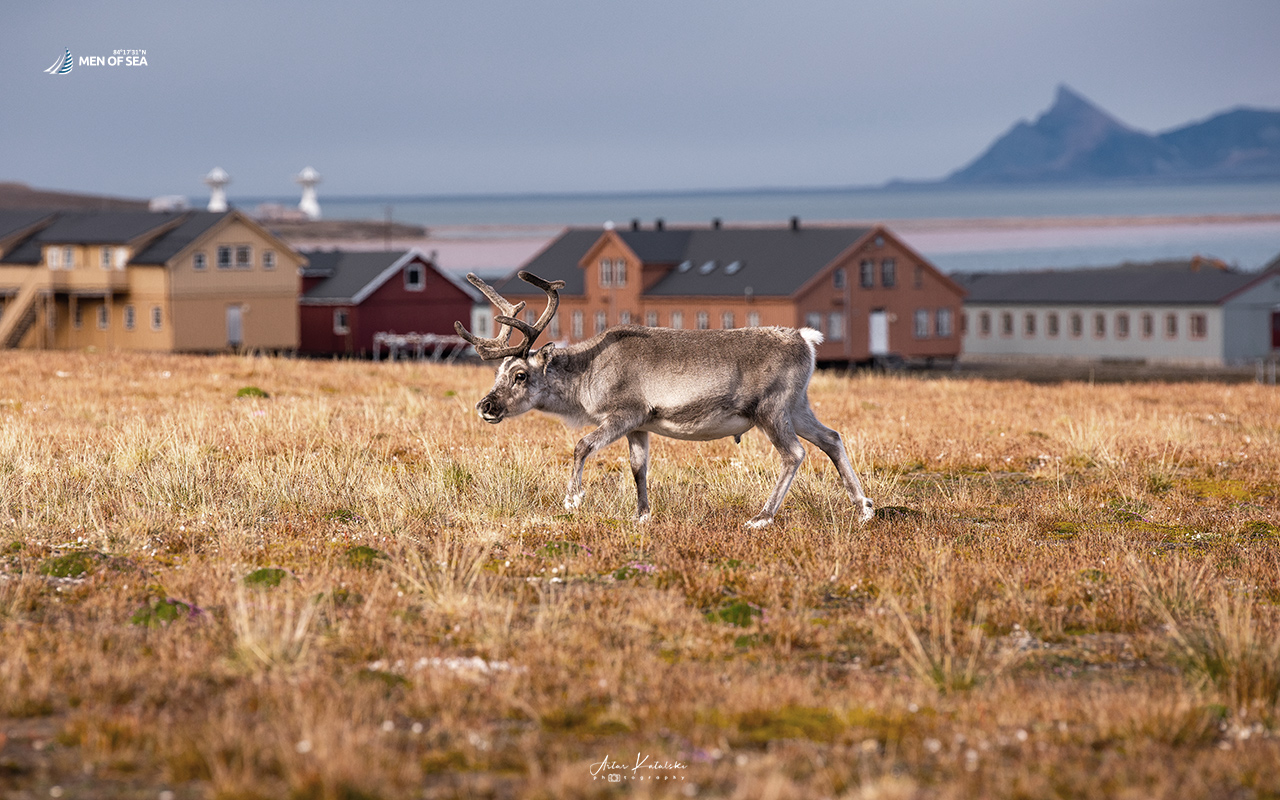
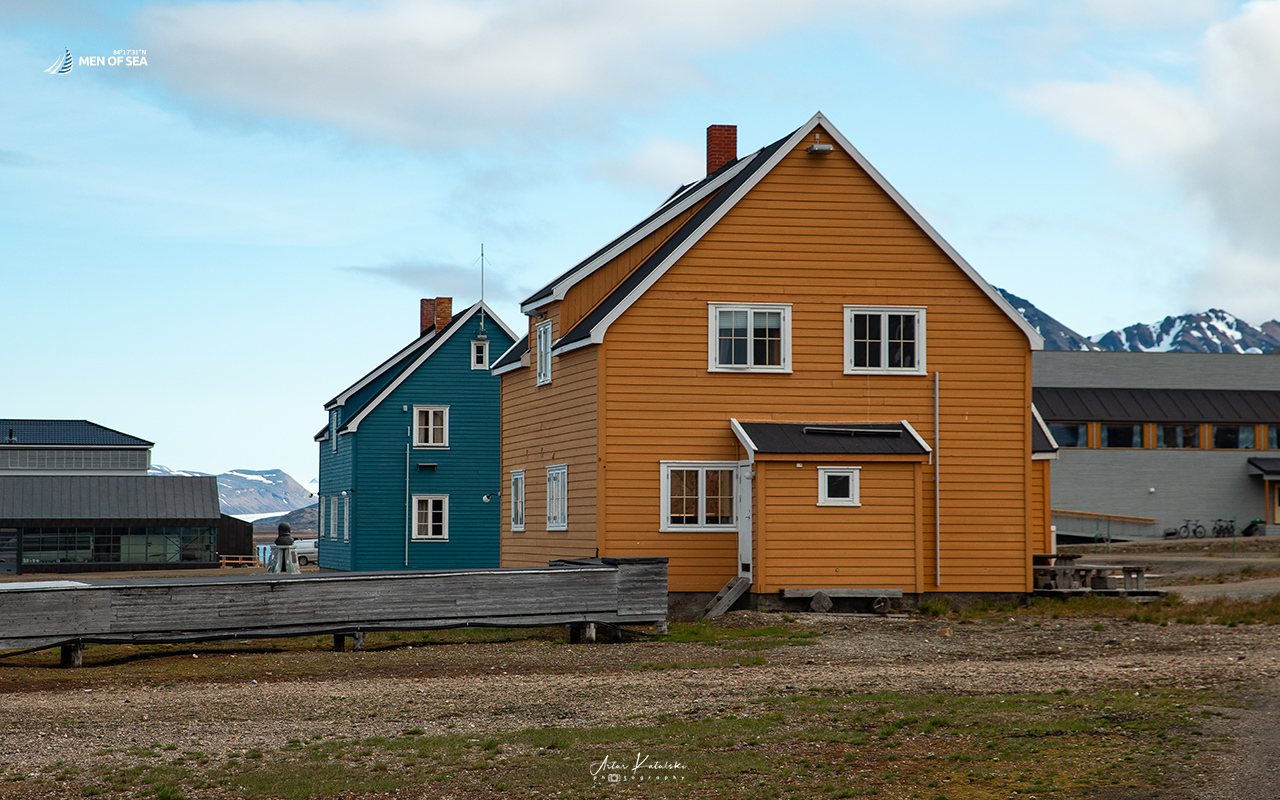
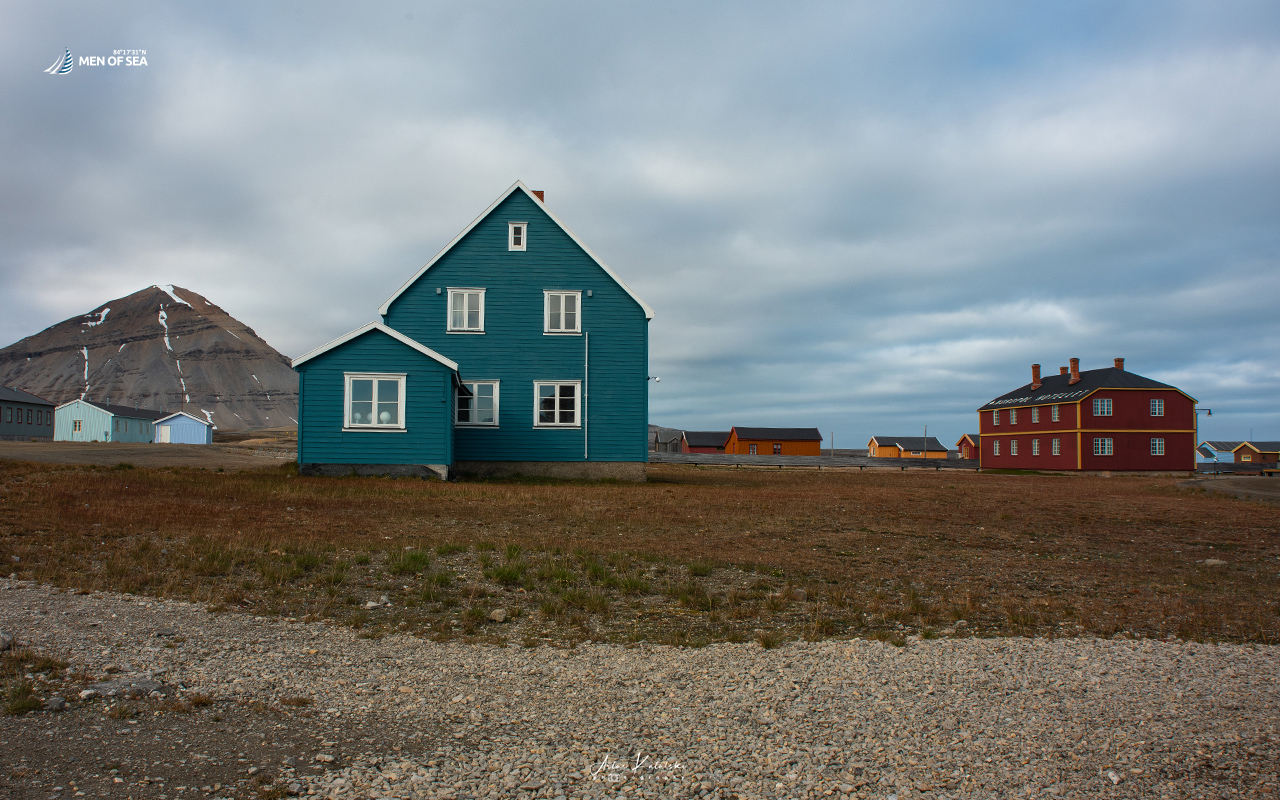
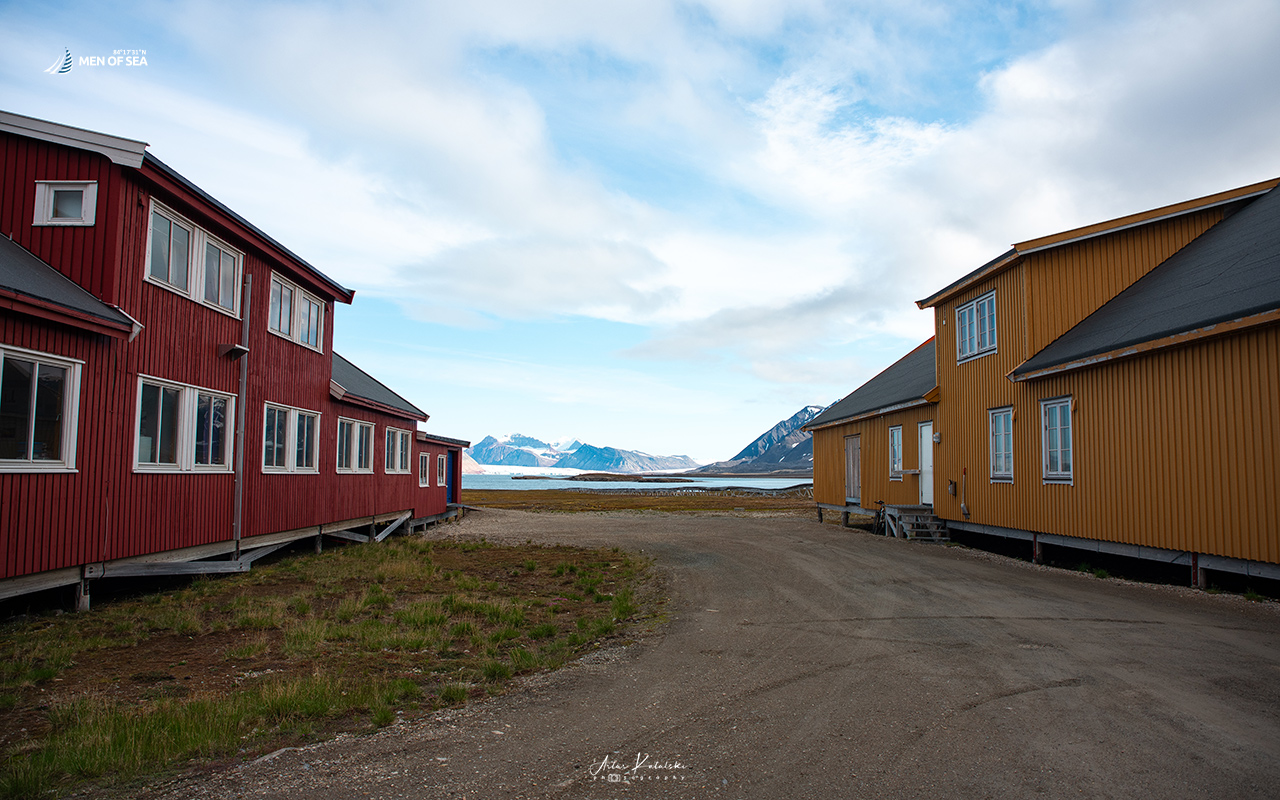
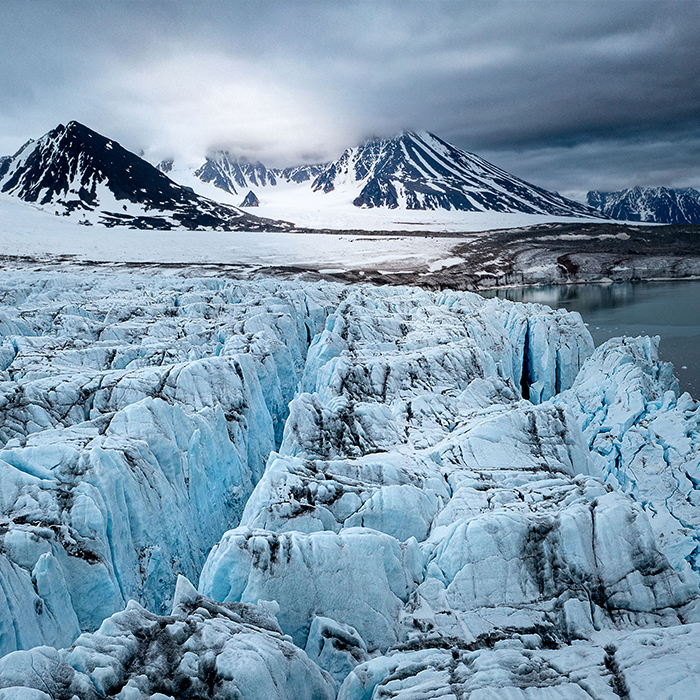
But Ny-Ålesund is special for much more than simply being “the northernmost.” It is an exceptionally picturesque settlement. Colourful historic houses lie in a broad valley surrounded by mountains on one side and the waters of Kongsfjorden on the other, while magnificent glaciers dominate the landscape in the distance. The combination creates a unique atmosphere and a genuine feeling of being somewhere very remote and privileged.
For us, Ny-Ålesund is the northern base for our expeditions into the remote regions of Svalbard. It is usually the last place where we encounter civilisation before continuing farther north into the Arctic wilderness.
While staying here, we organise hikes and explore the surrounding area. The neighbouring Kongsfjorden and Krossfjorden contain so many spectacular glaciers, mountains, islands, historical sites and wildlife habitats that it would be possible to spend months exploring them.
We always enjoy returning to Ny-Ålesund. Over the years, we have made good friends here, and despite being an international scientific settlement, the village has retained a unique High Arctic atmosphere—a sense of remoteness, simplicity and adventure that is becoming increasingly difficult to find in the rapidly developing Longyearbyen.