Polar bears #02 - Men of Sea Blog Archive » Men of Sea

Polar bears #02


Date of the Trip:


20/05/2027 - 29/05/2027


Number of Days:


10


Trip Route:


Longyearbyen - Isfjorden - western and north-western Spitsbergen – ice edge - Barentsburg - Longyearbyen


Difficulty Level:


Średni

Description of the Trip


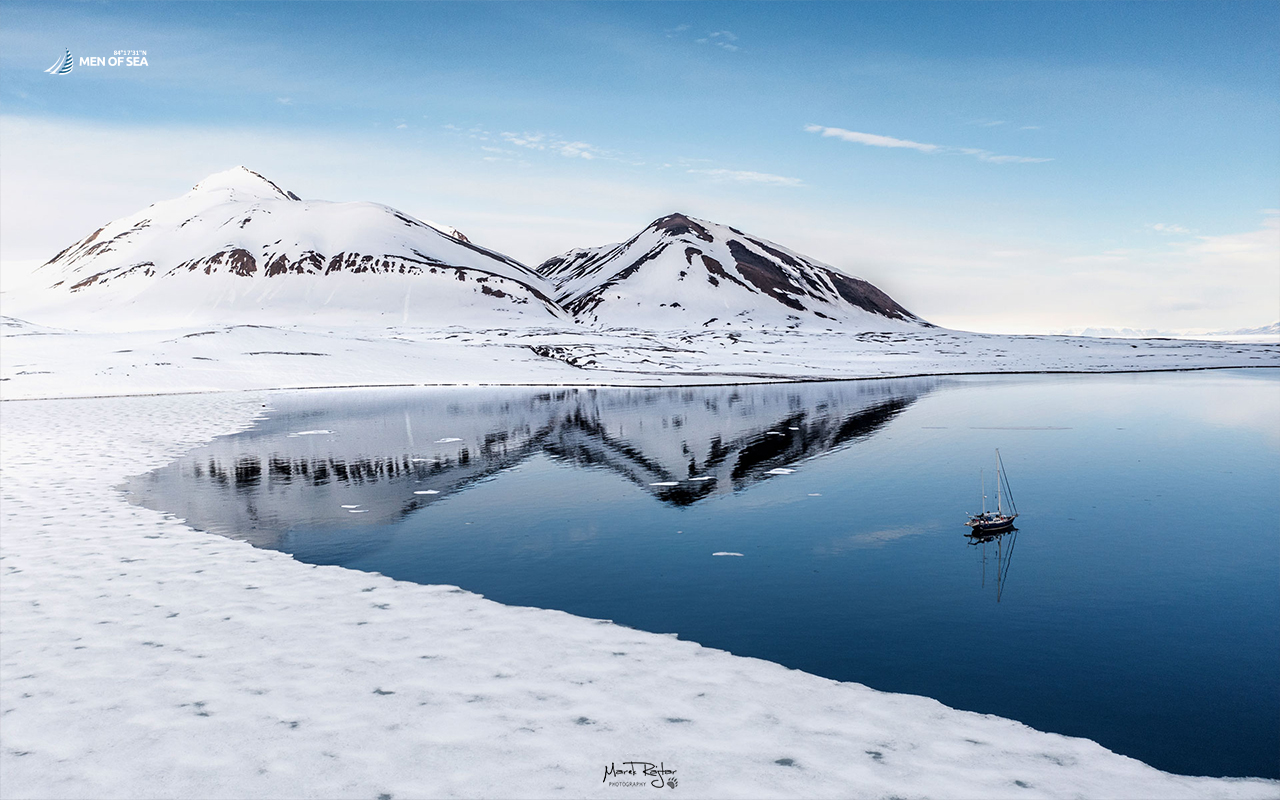
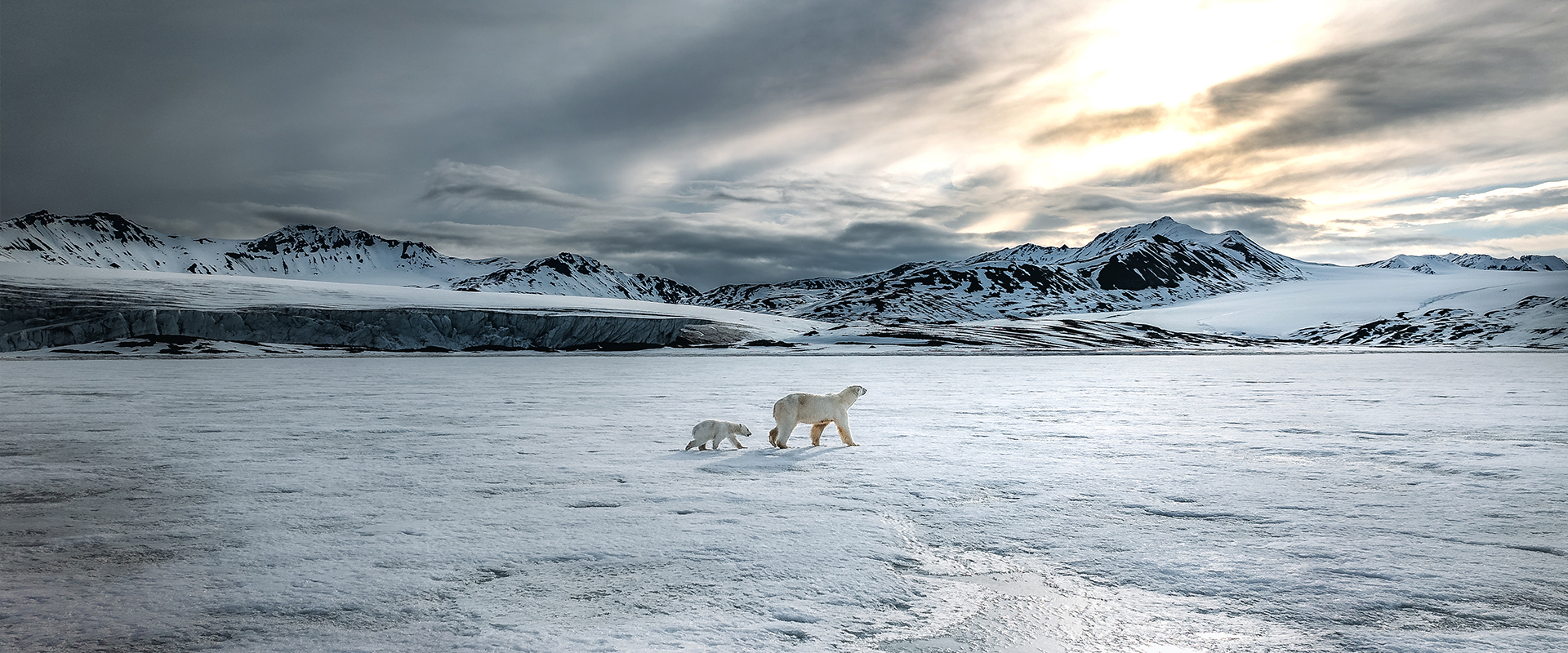
The goal of this expedition is simple: to try to find the polar bear — the King of the northern wilderness. Region: Isfjorden, western and north-western Spitsbergen and the ice edge. These are accessible areas where there is a real chance of encountering the most magnificent animals of the Arctic. Photography opportunities, an intensive program and a winter-spring adventure.

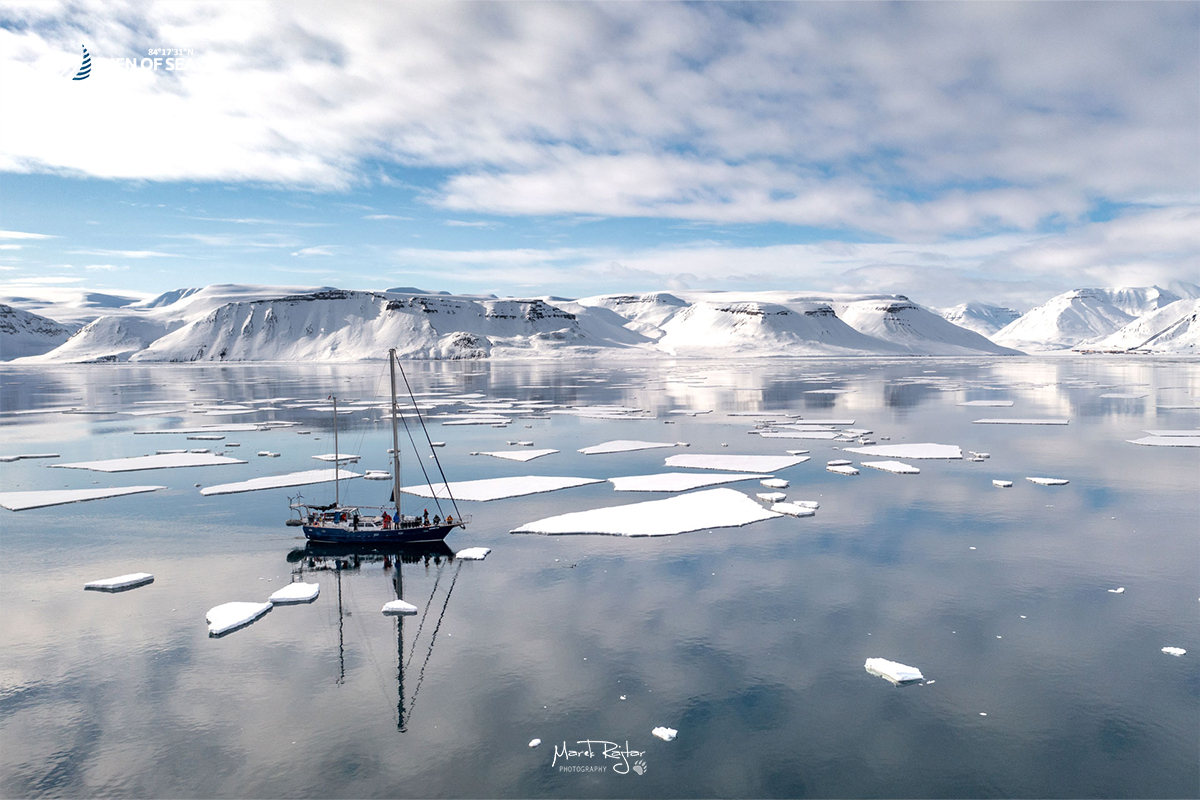
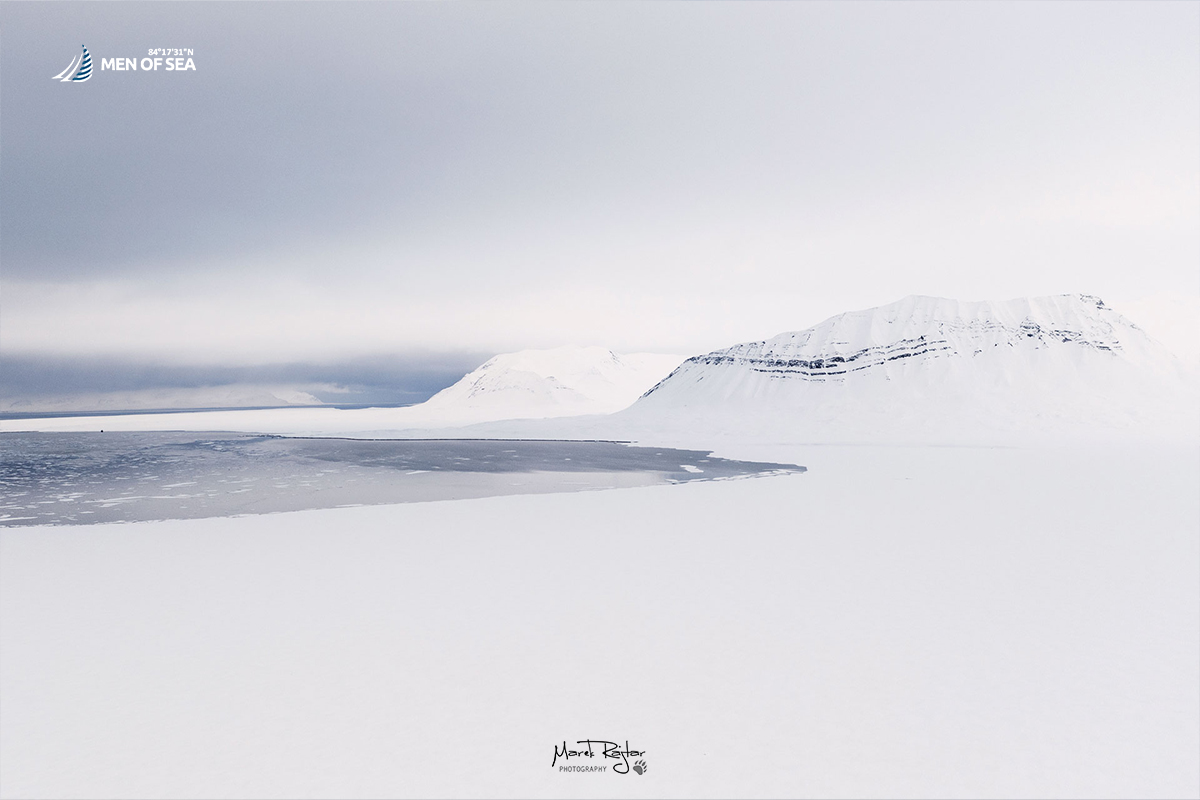
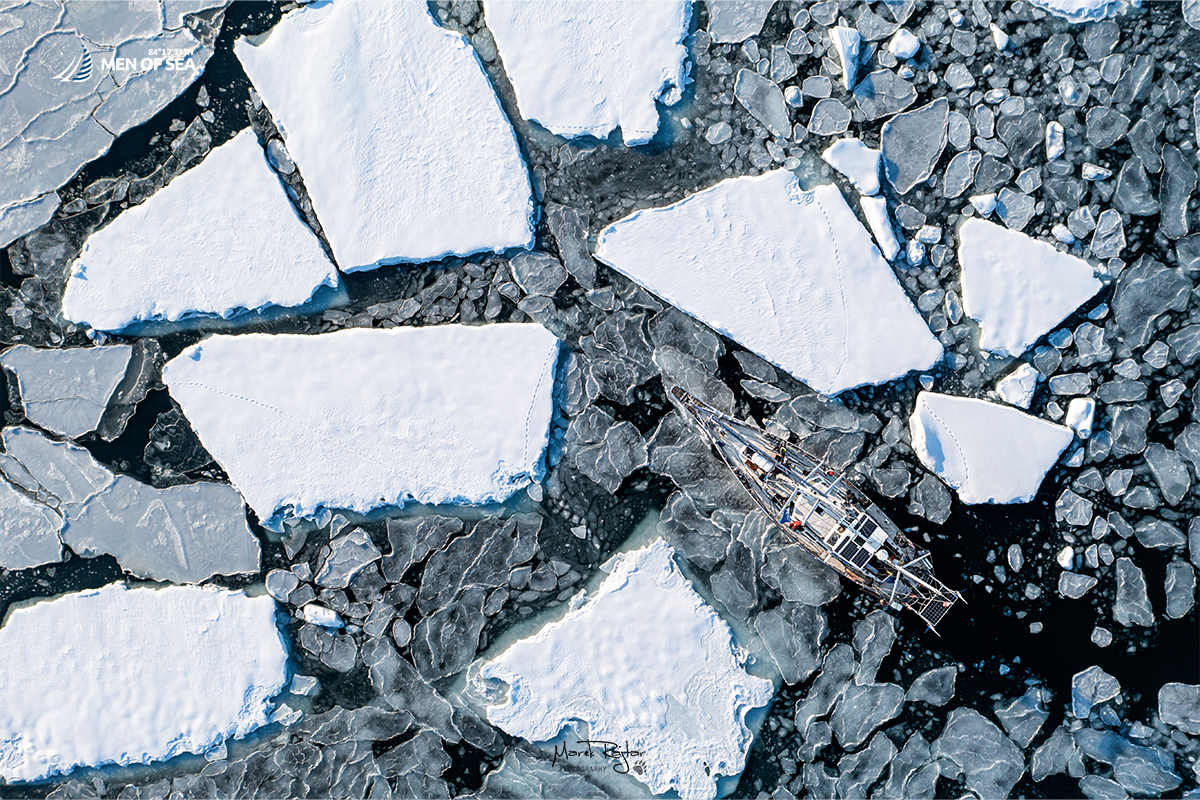
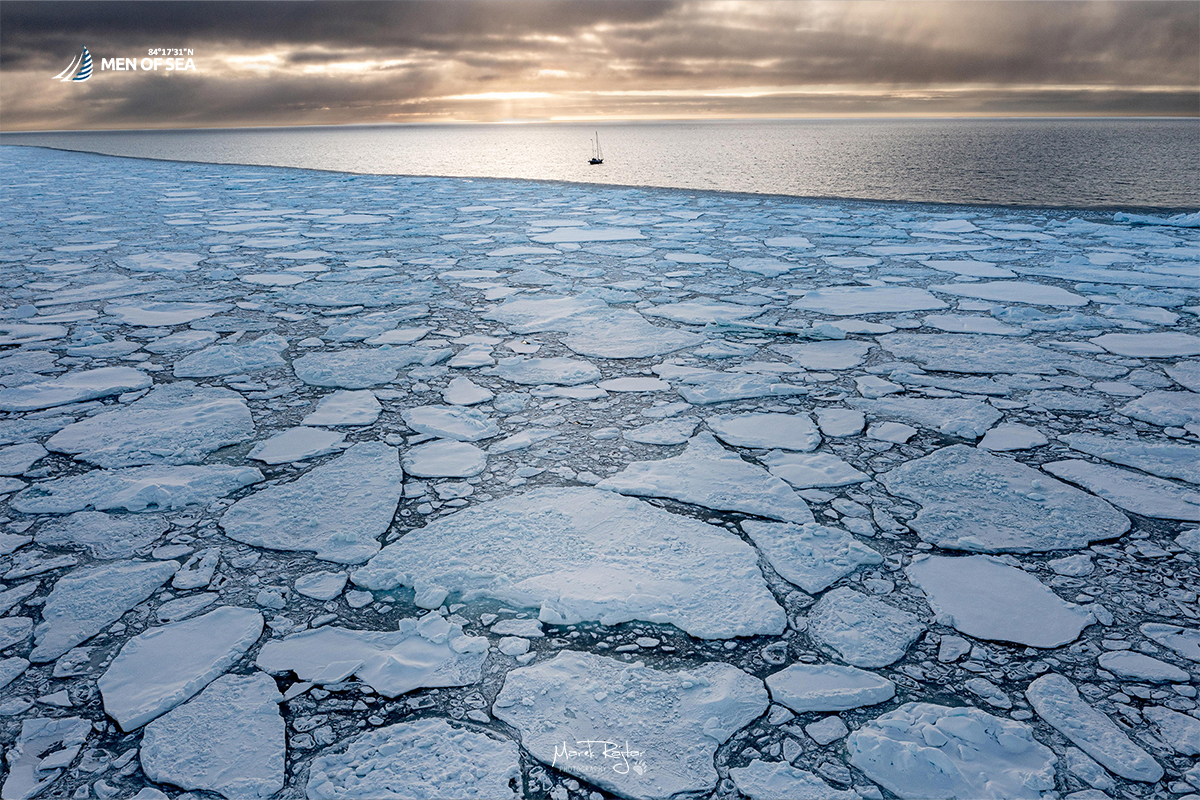
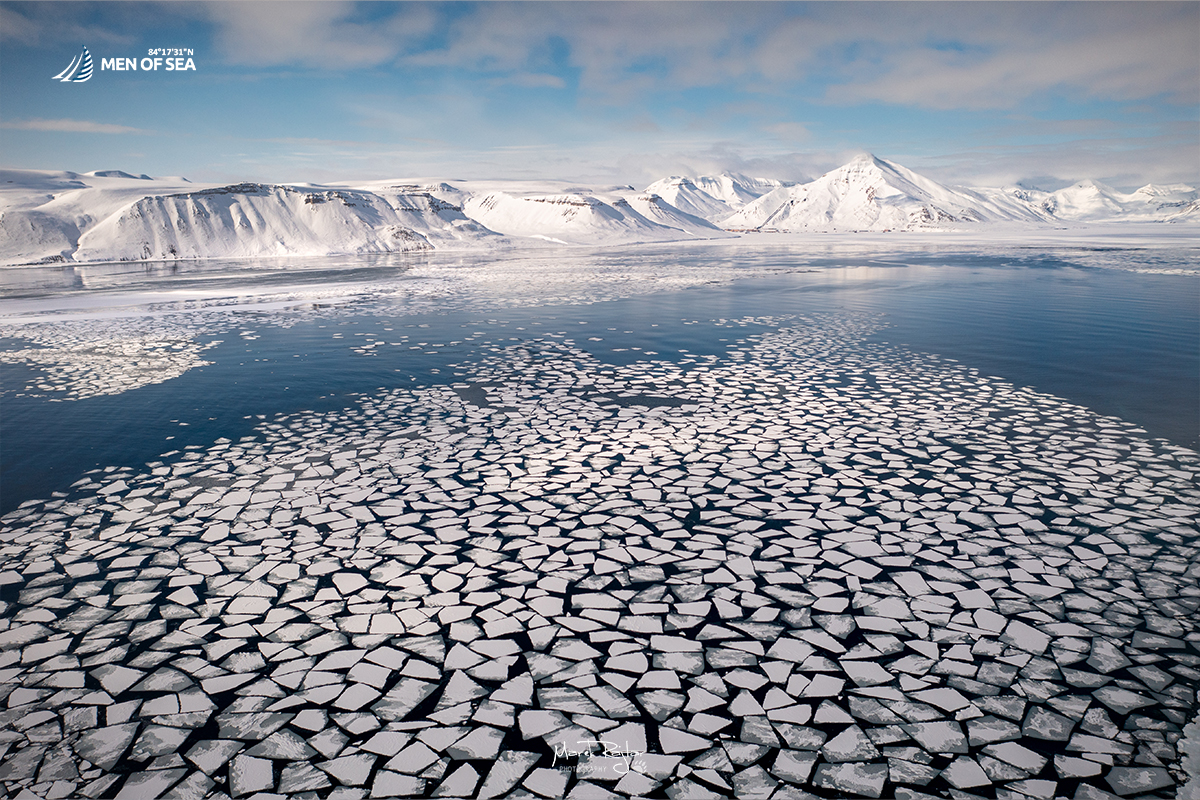
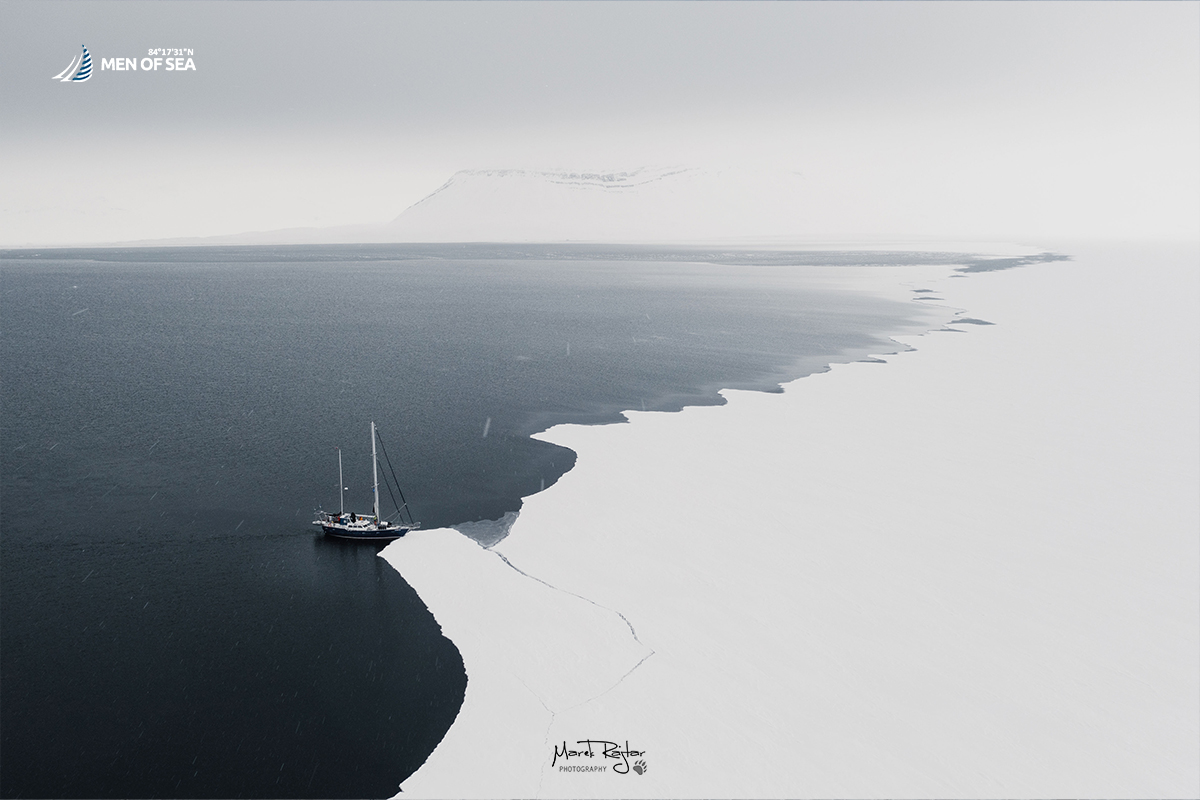
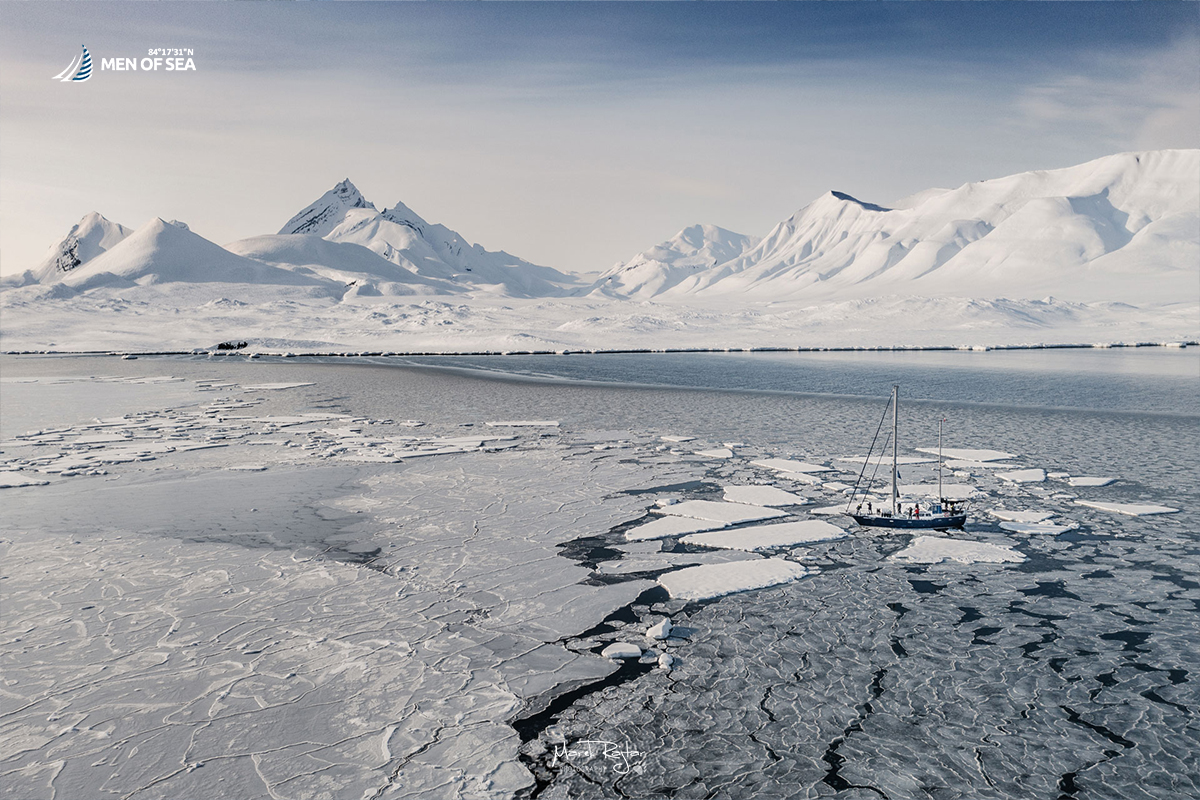
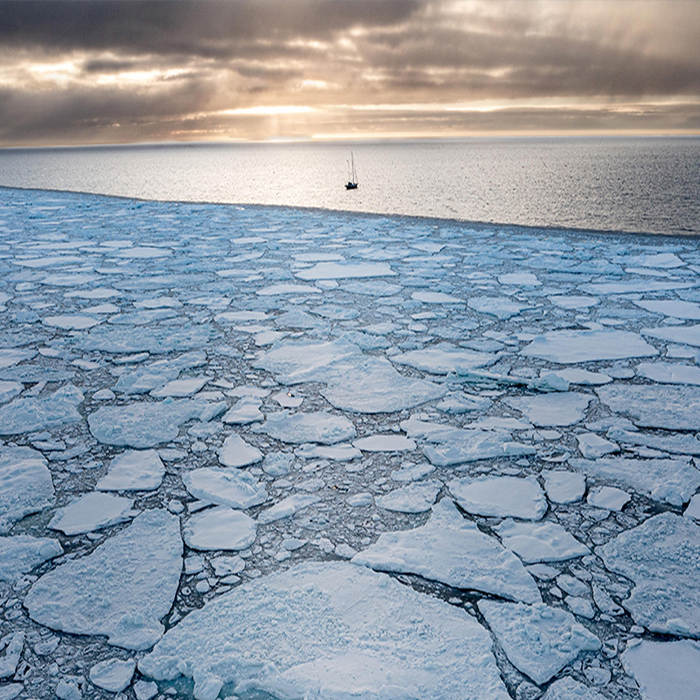
This expedition is designed for people whose main objective is to search for Arctic wildlife, especially polar bears. That will be our primary mission. We intend to explore the ice edge within Isfjorden and its side fjords and if conditions and opportunities allow (which we expect they will), we will head further out towards the pack ice. Sea ice and drifting ice fields are the natural habitat where these wild animals live, hunt and travel.
It is recommended that participants have previously visited Svalbard, as the main purpose of this expedition will not be the exploration of Svalbard itself (although that will naturally be part of the journey), but rather persistent and sometimes demanding wildlife searching.

The King of the Arctic
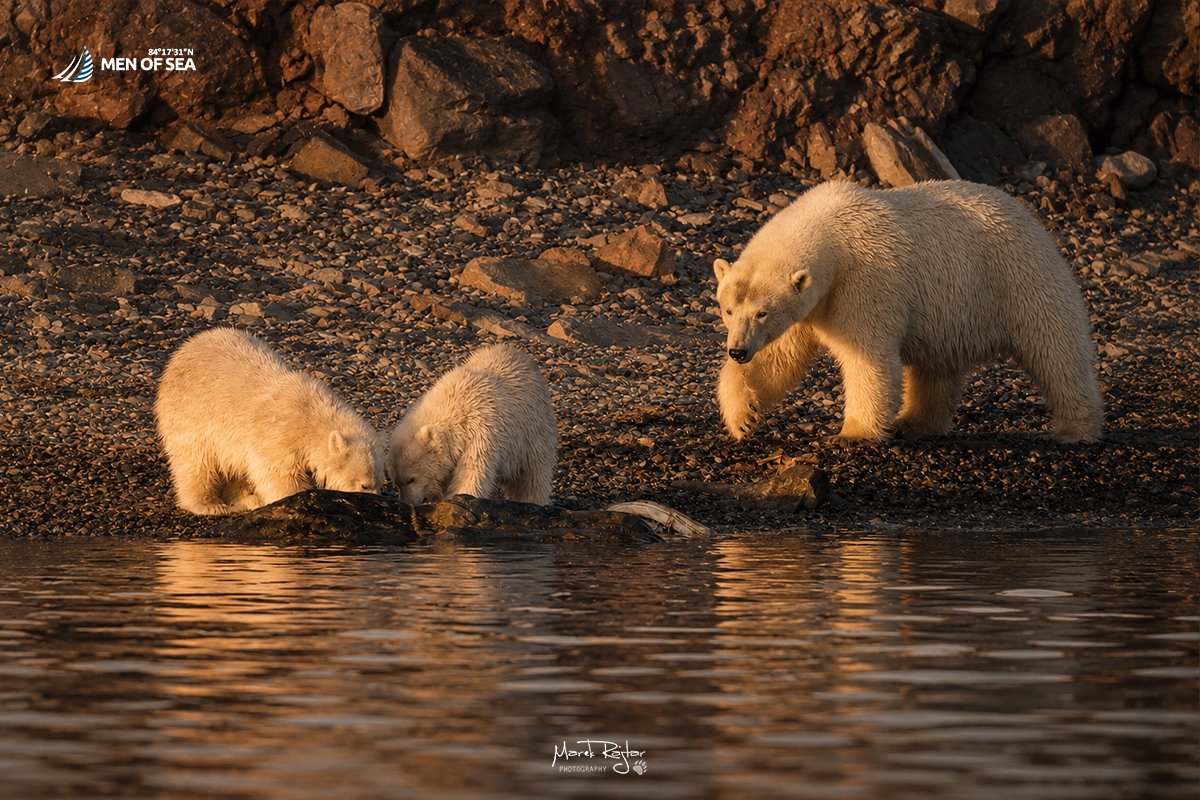
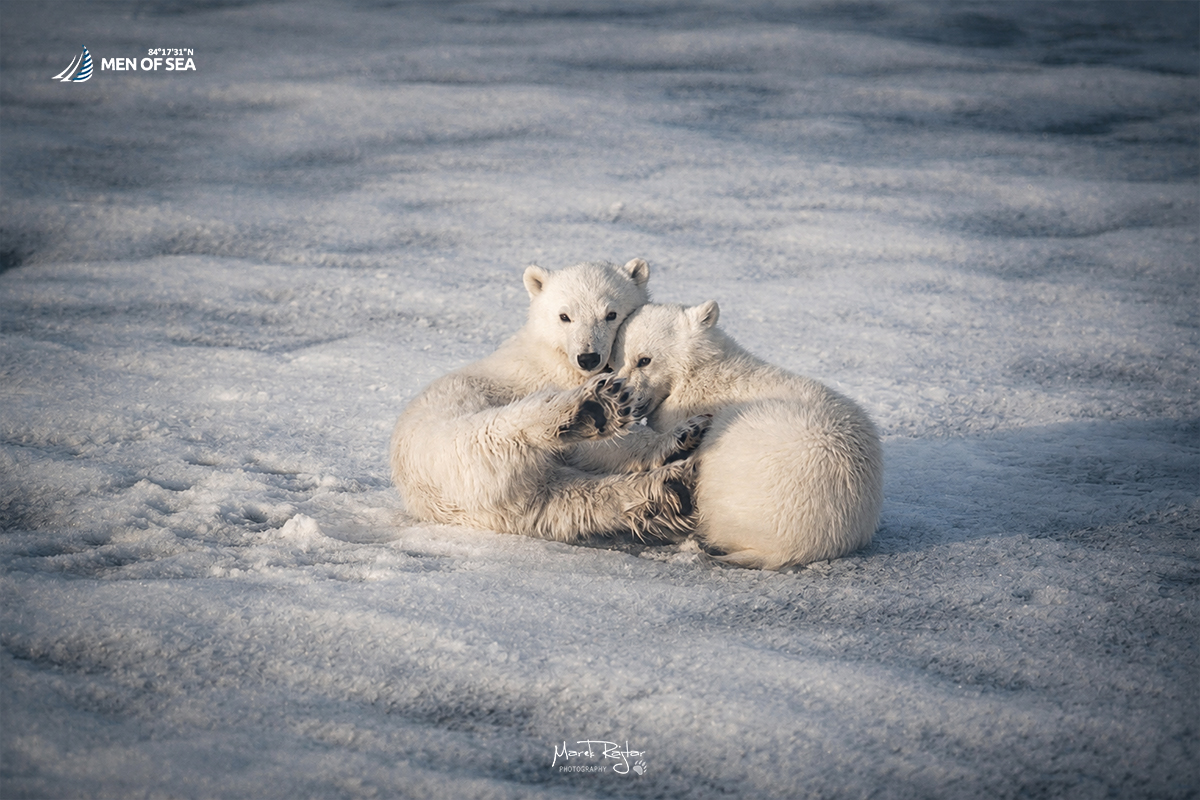
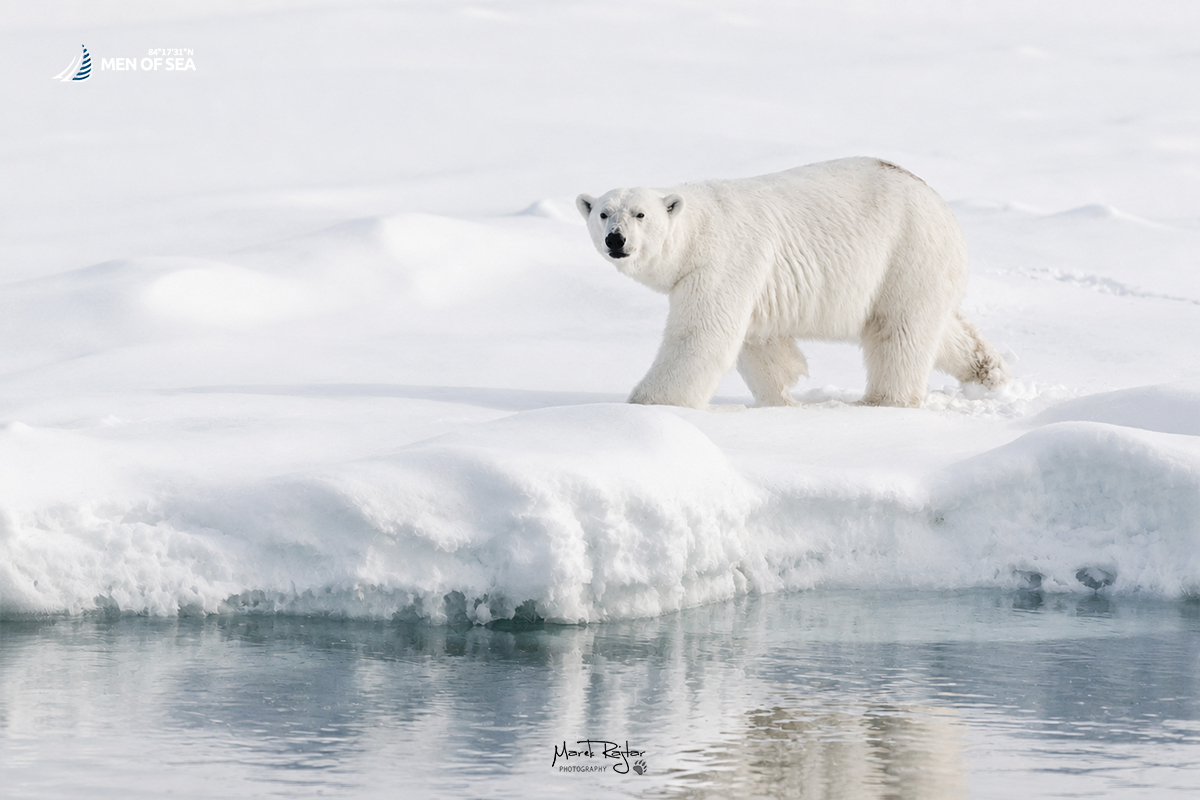
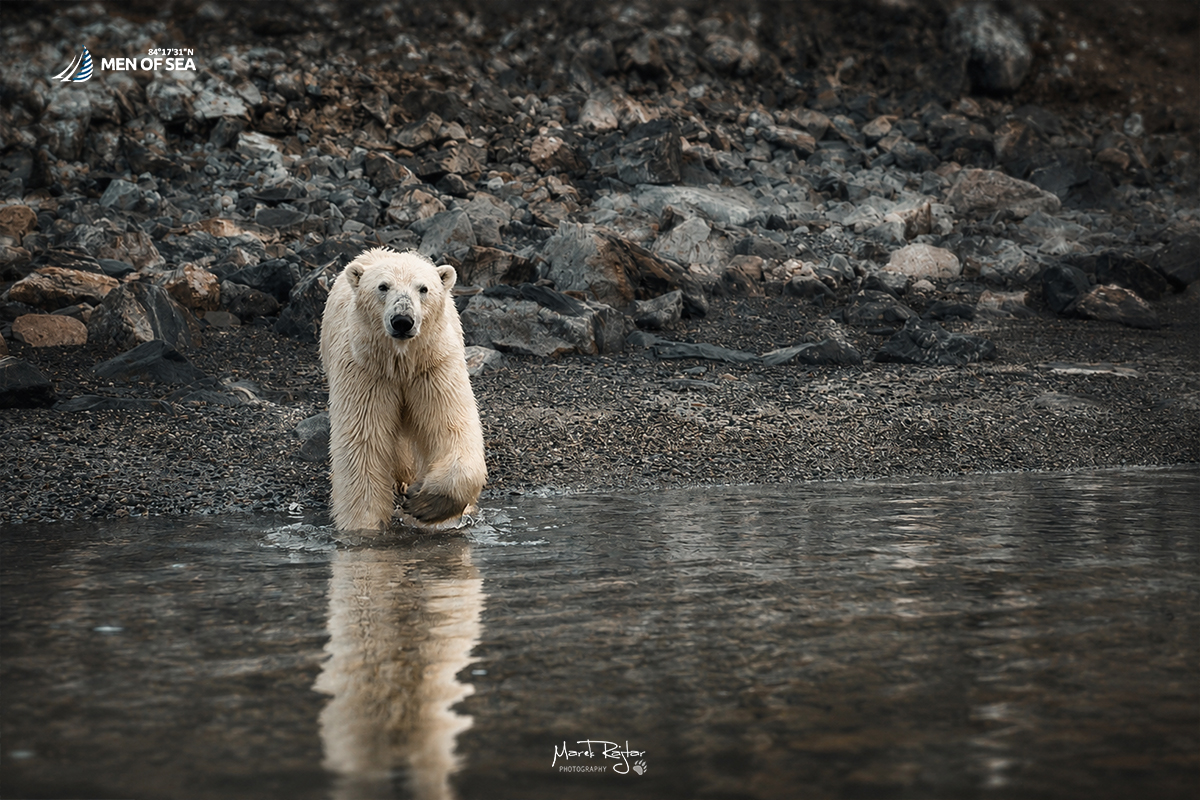
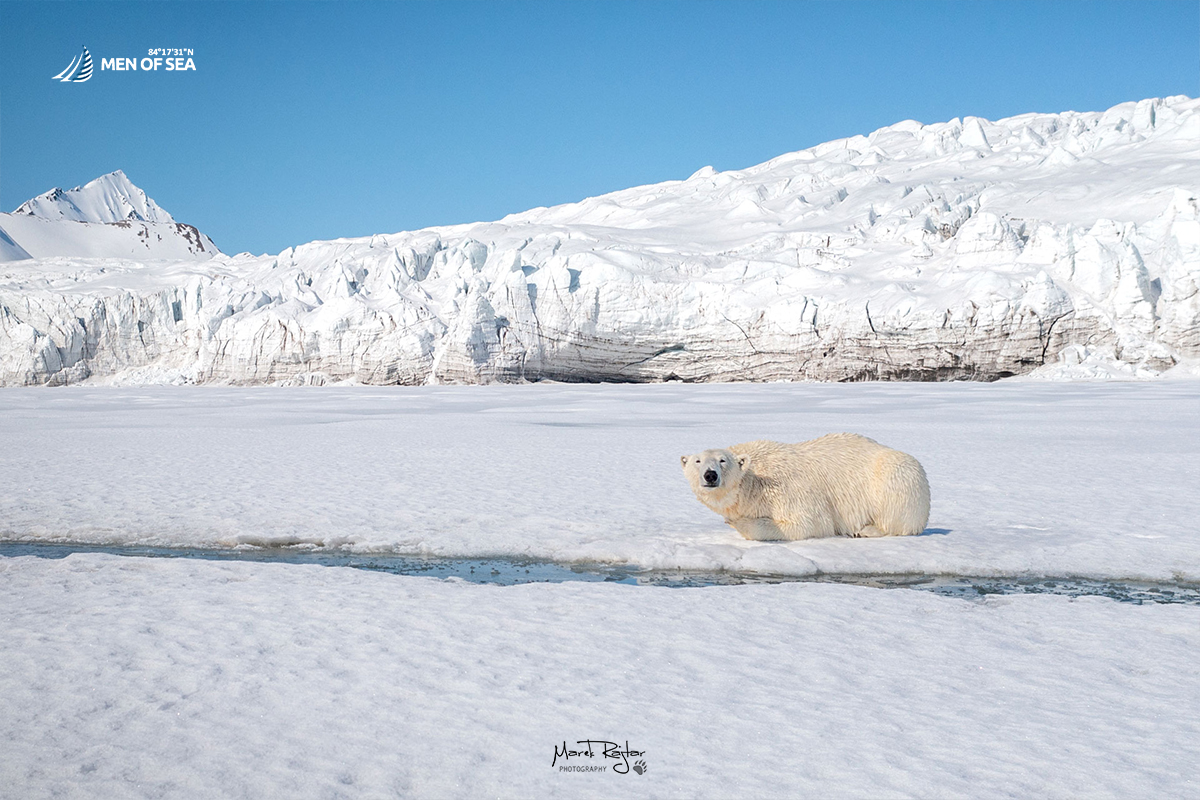
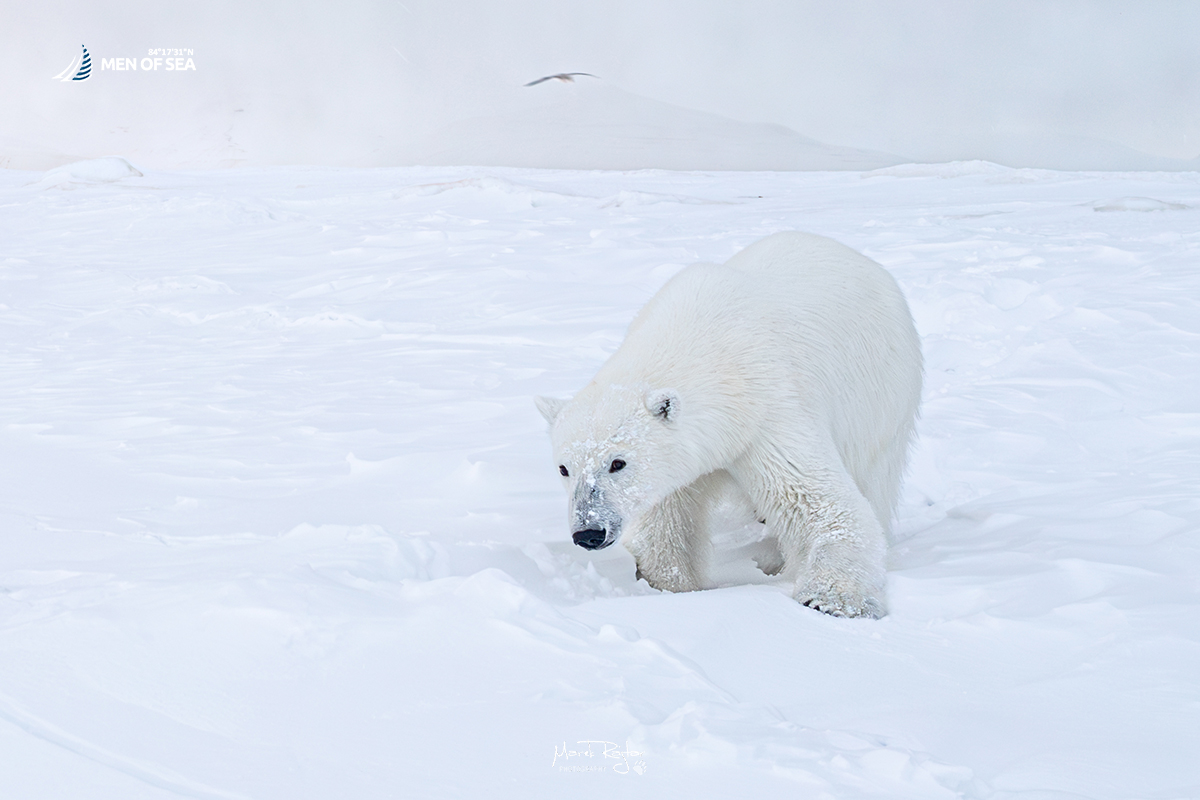
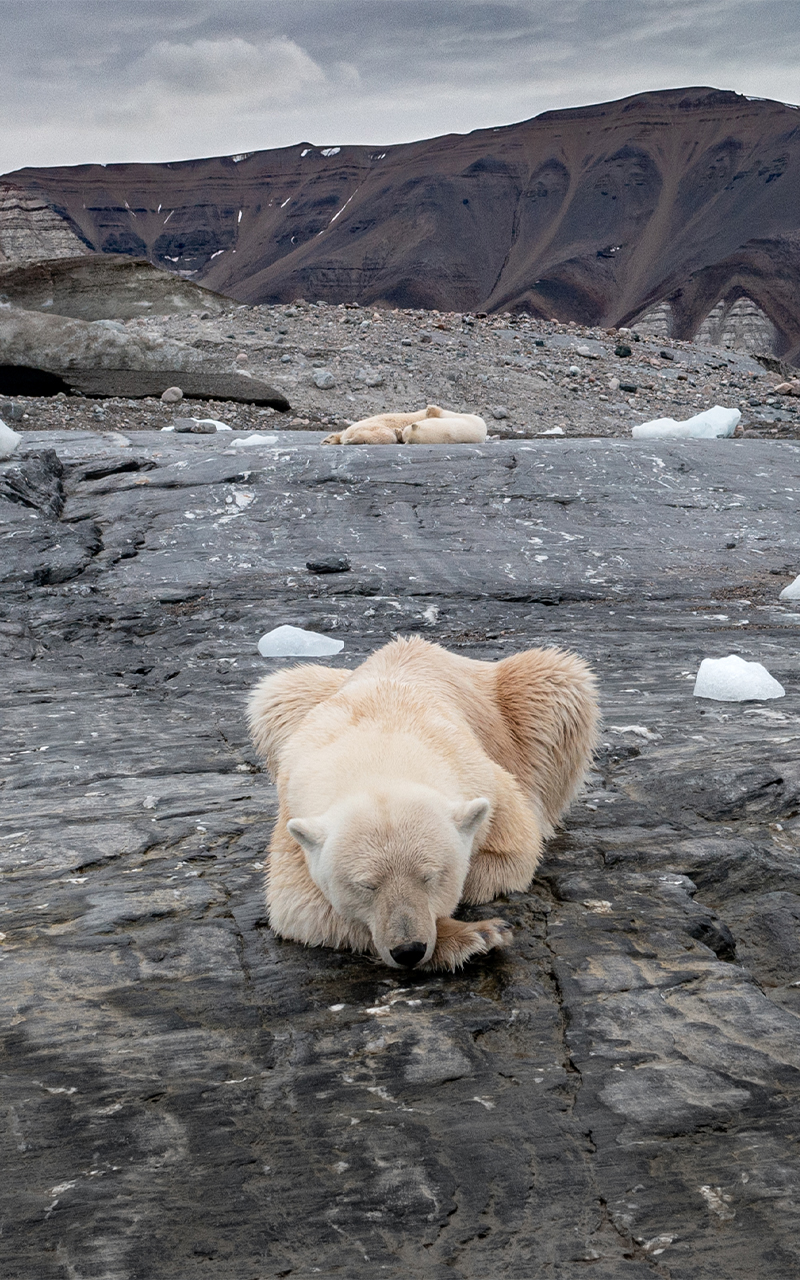
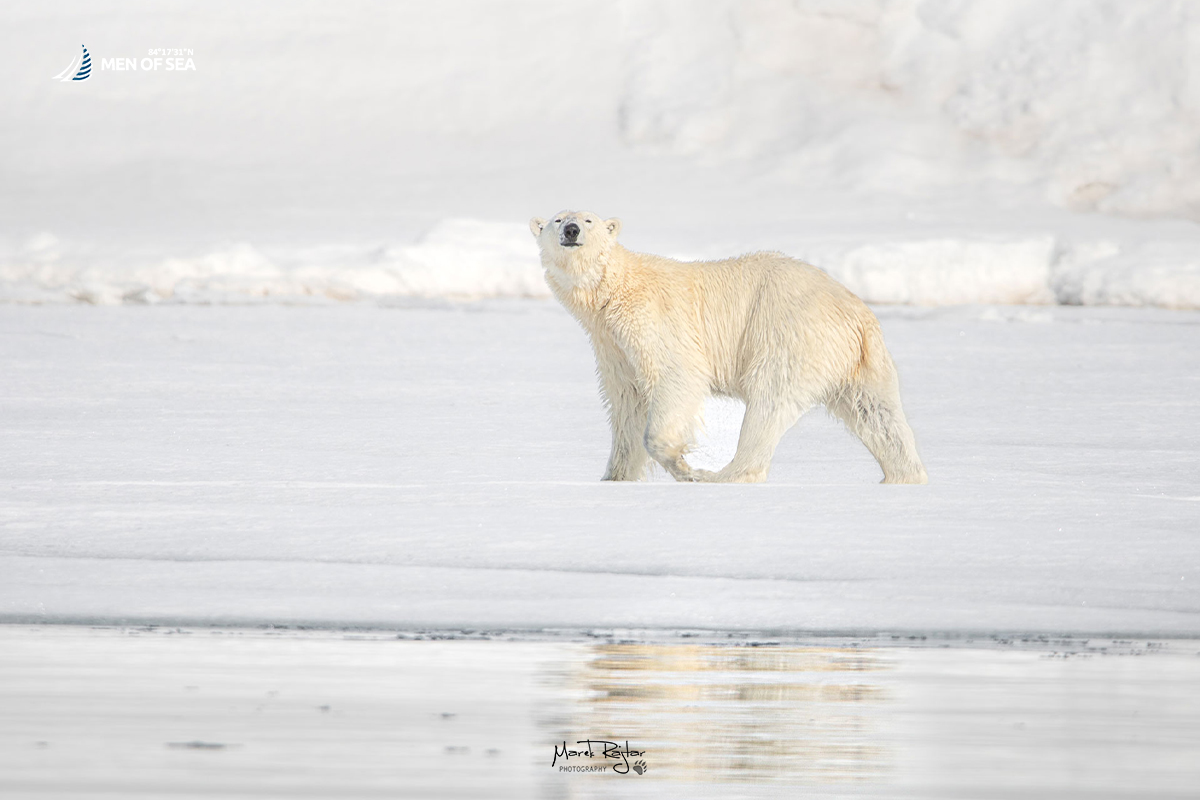
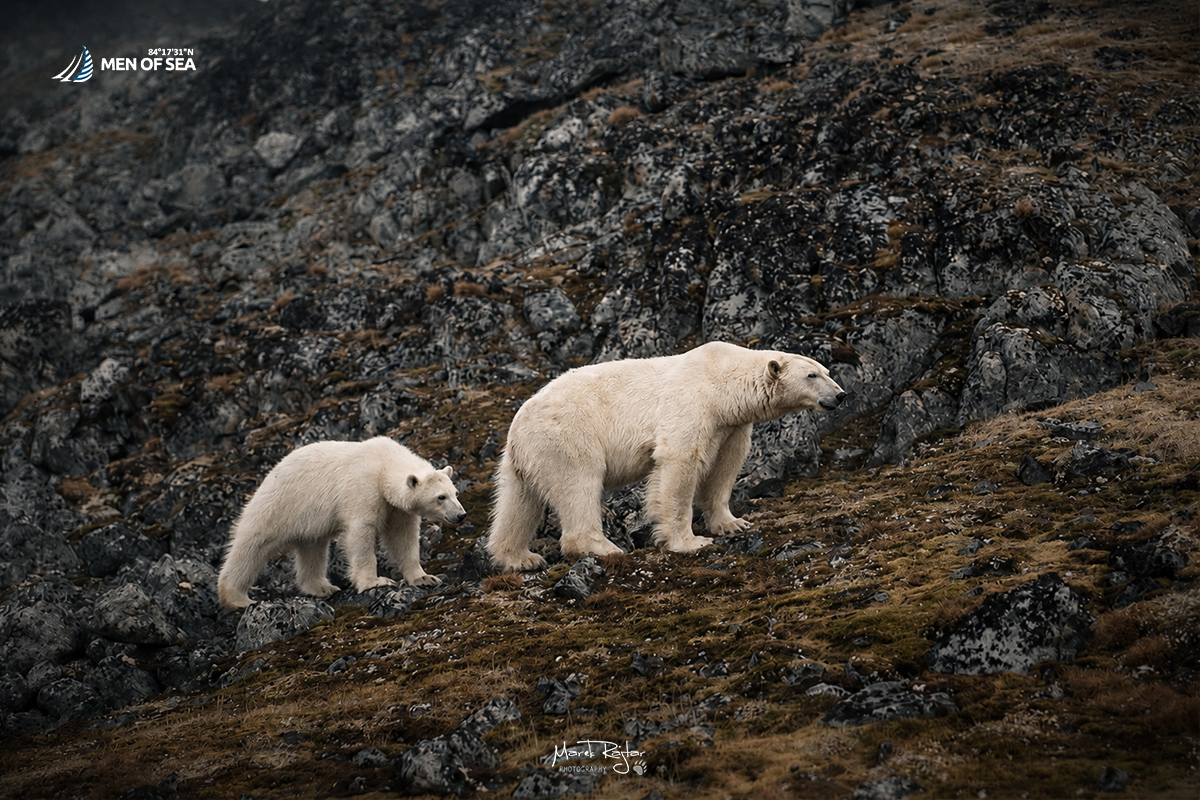
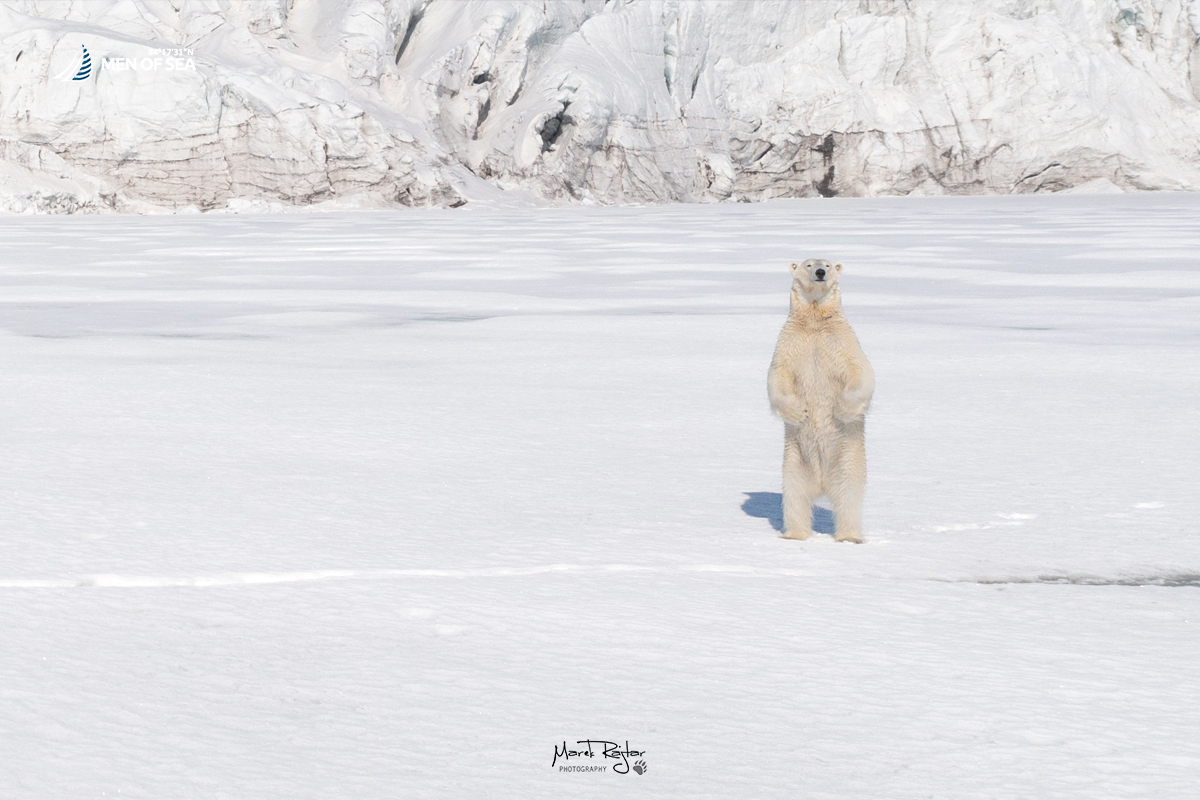
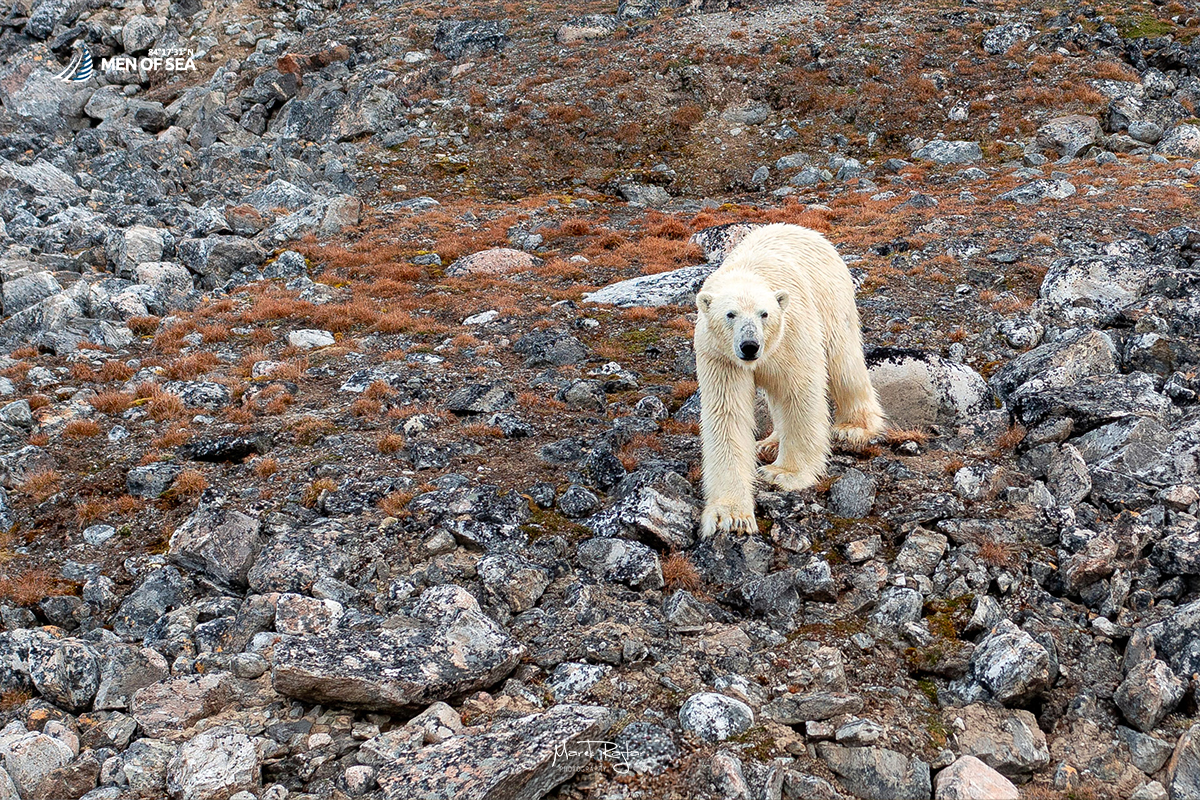
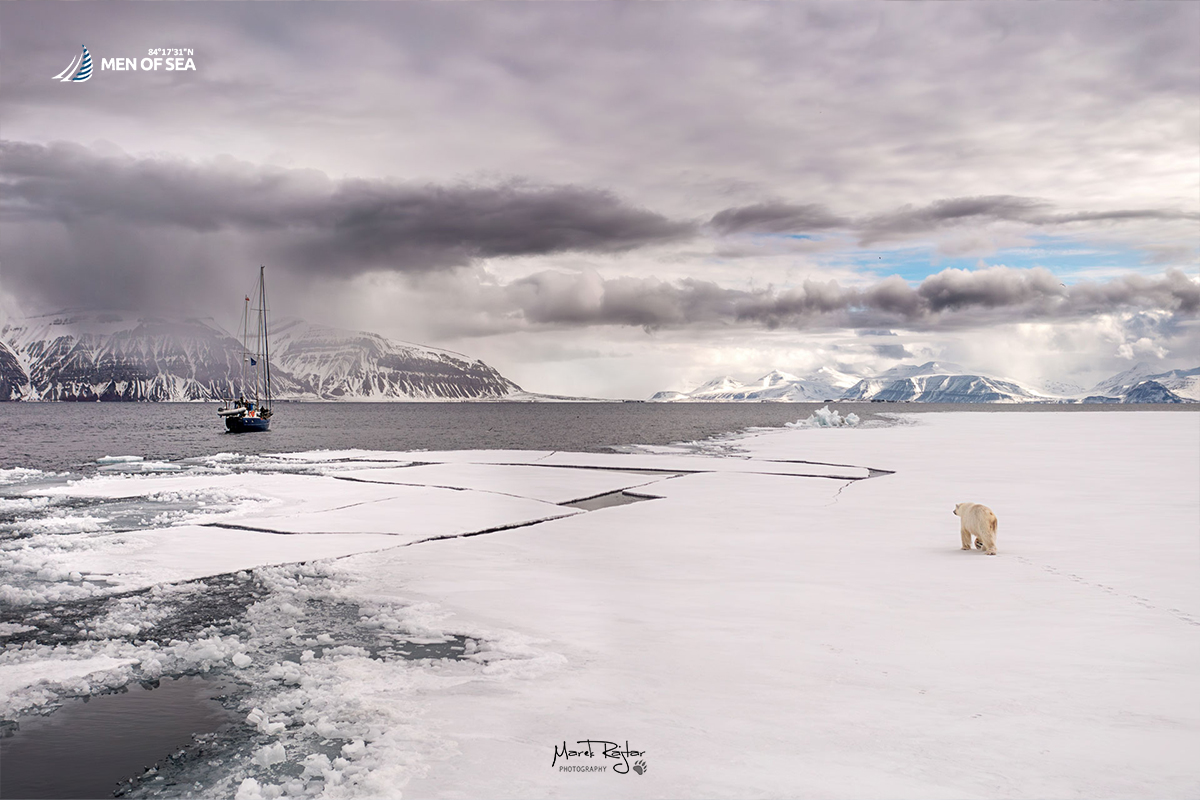
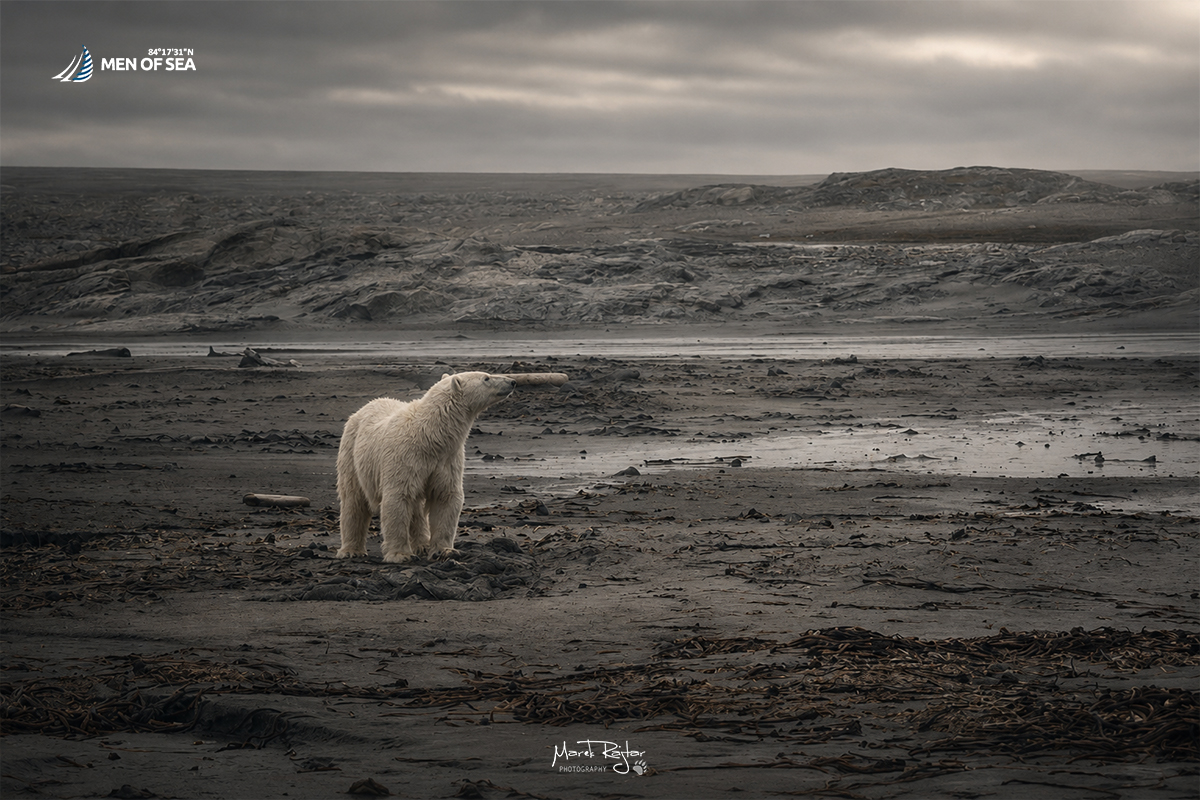
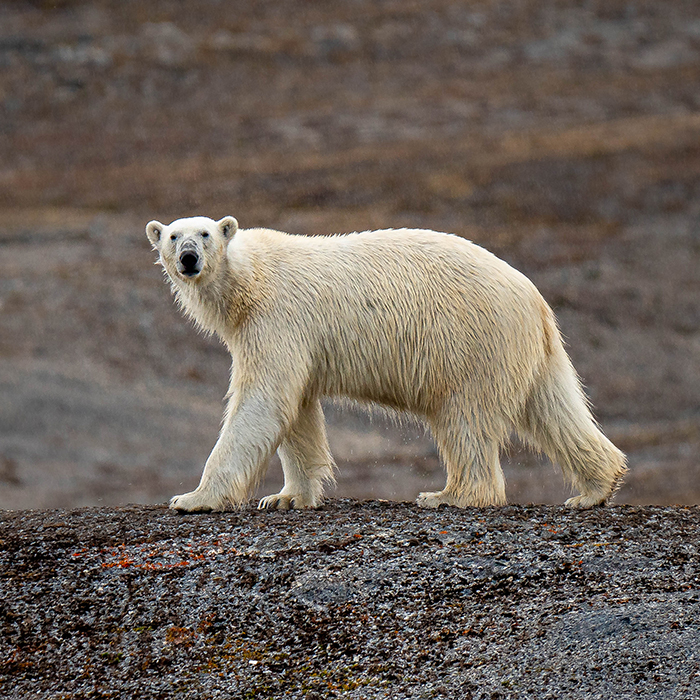
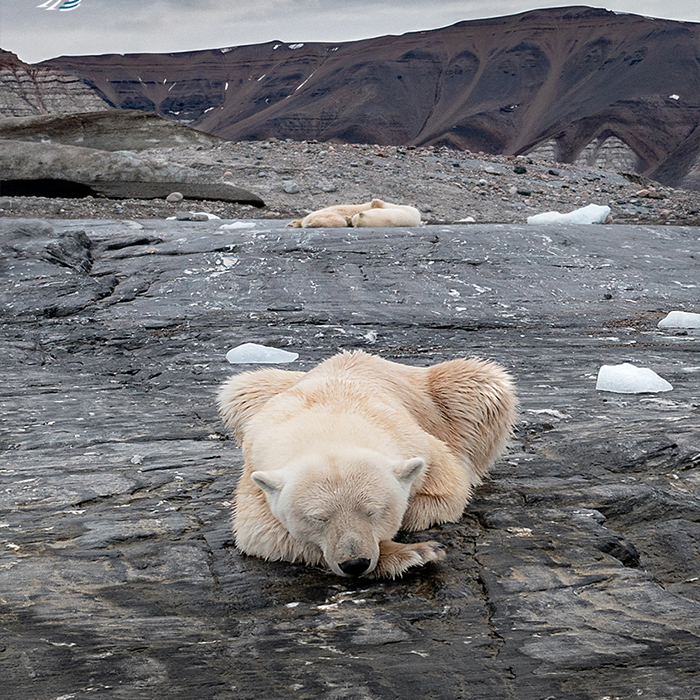
The polar bear is the symbol of Svalbard and one of the most fascinating animals on our planet. Powerful, intelligent and perfectly adapted to life in the world of ice, it has inspired awe and admiration among Arctic travellers for centuries.
It is the largest land predator in the world. An adult male can exceed 3 meters in length and weigh more than 700 kilograms. Despite its enormous size, the polar bear can move with remarkable silence and surprising lightness across ice, snow and the rocky shores of the Archipelago.
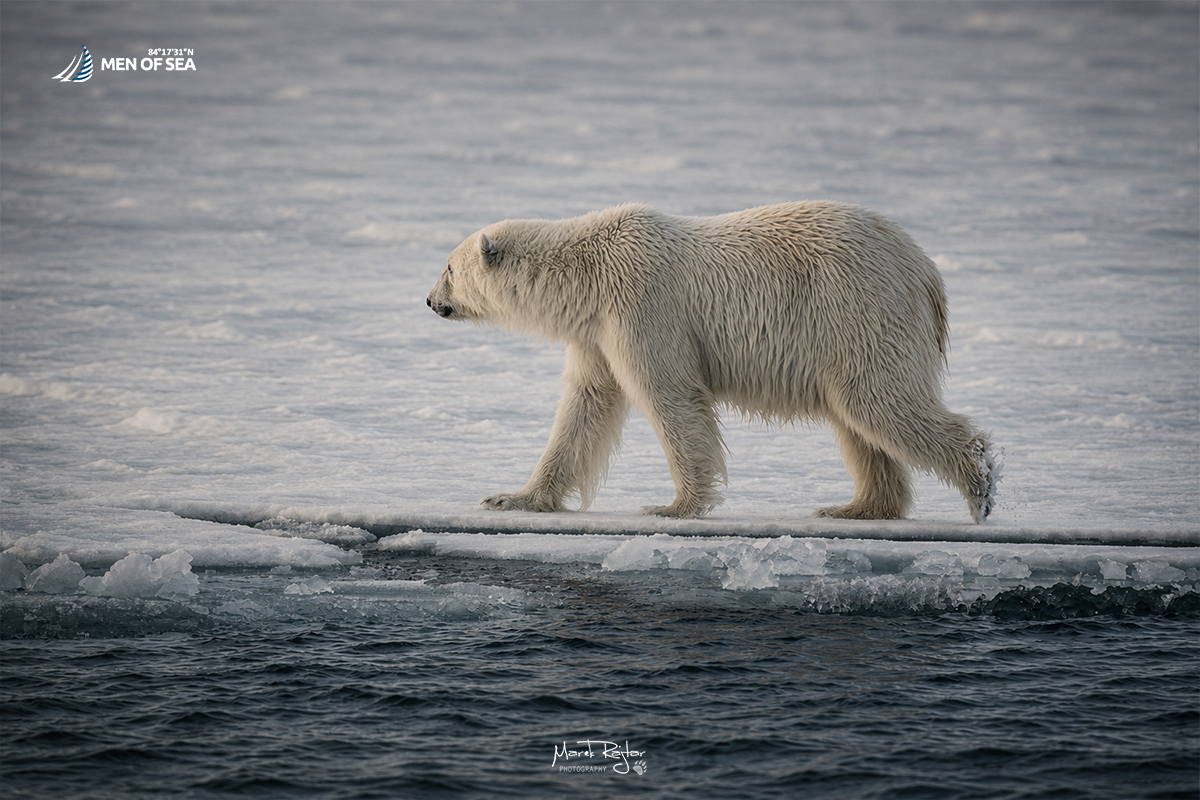
The polar bear is perfectly adapted to life in extreme conditions. A thick layer of fat, dense fur and dark skin beneath its coat help it retain warmth even during the harshest cold. Its enormous paws act like natural snowshoes and assist both in walking across thin ice and in swimming. An extraordinary sense of smell allows it to detect seals from very long distances.
Although the polar bear appears majestic and calm, it must always be remembered that it is a wild, dangerous and immensely powerful animal whose natural environment demands great respect and absolutely no interference.

Svalbard – The Land of Polar Bears
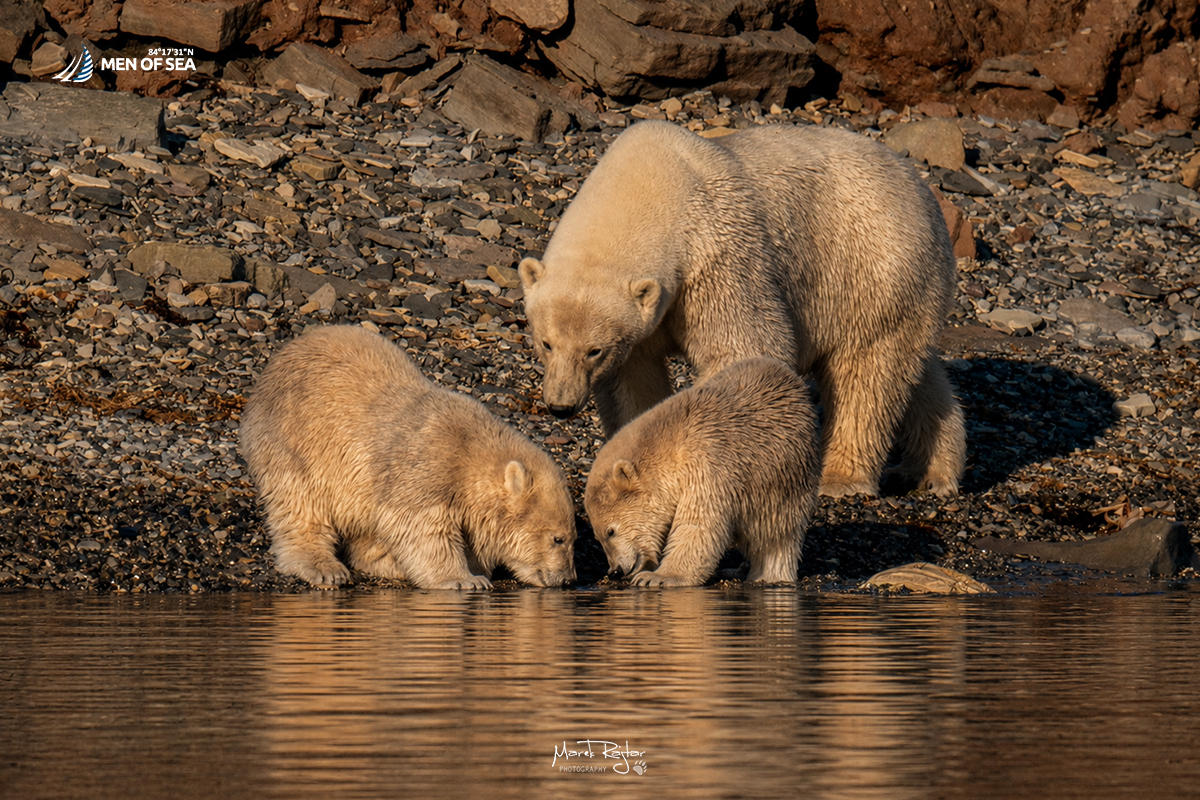
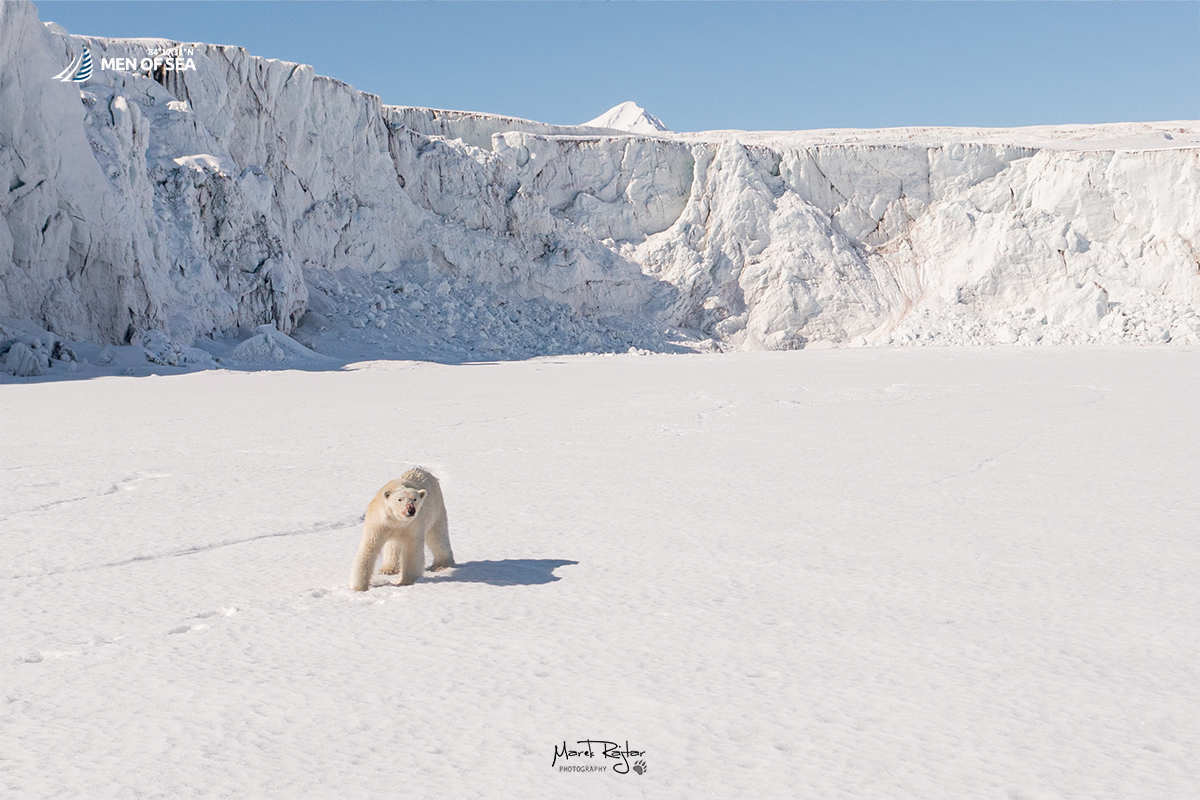
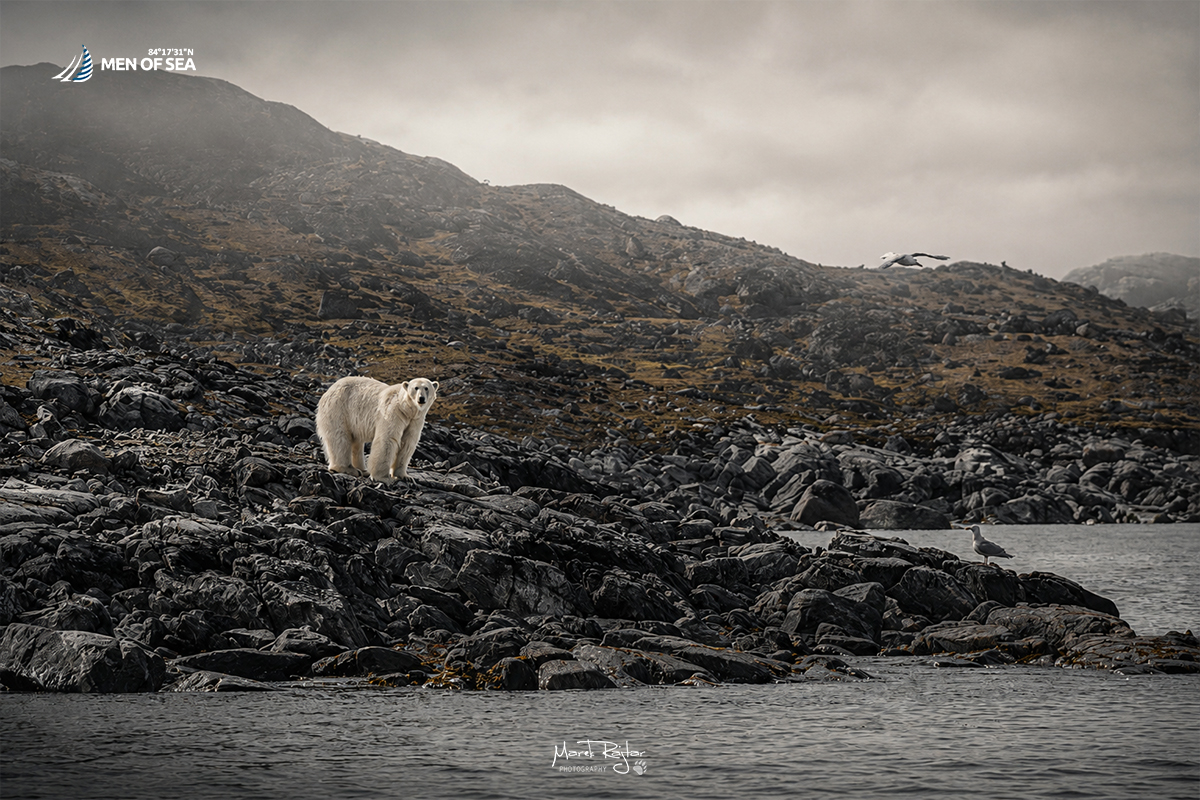
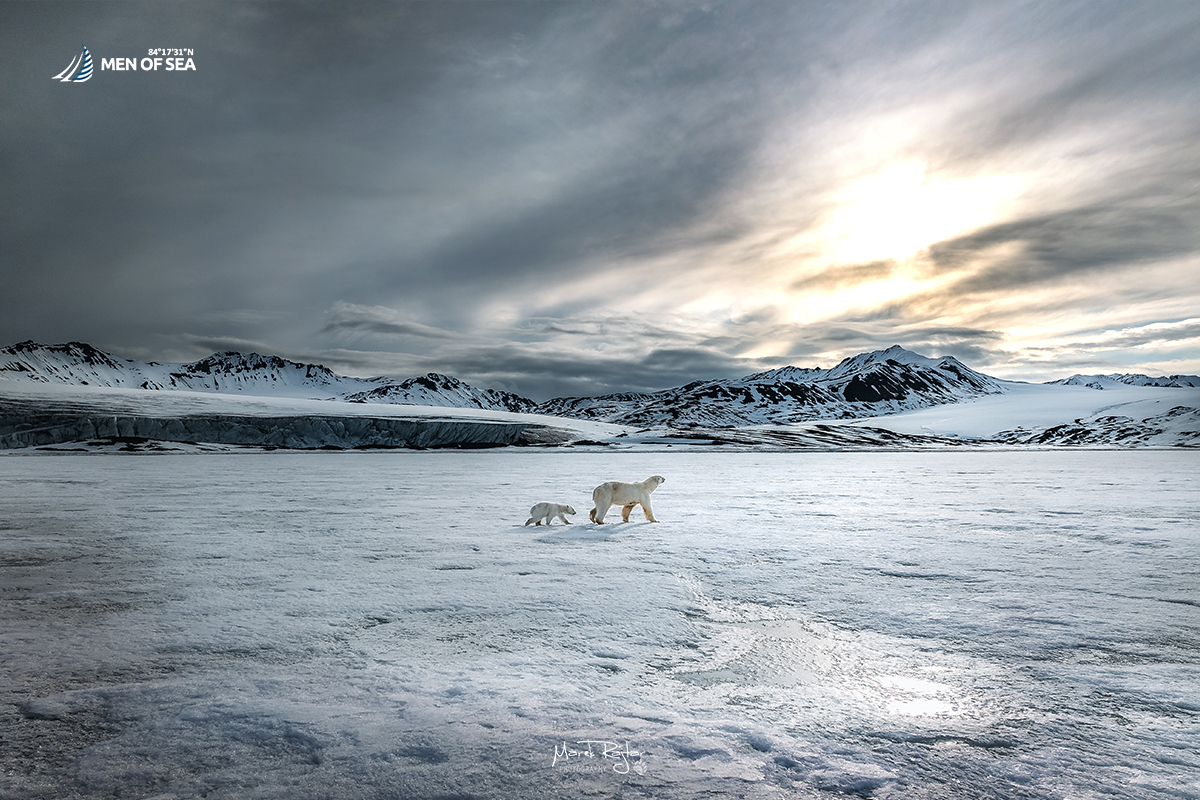
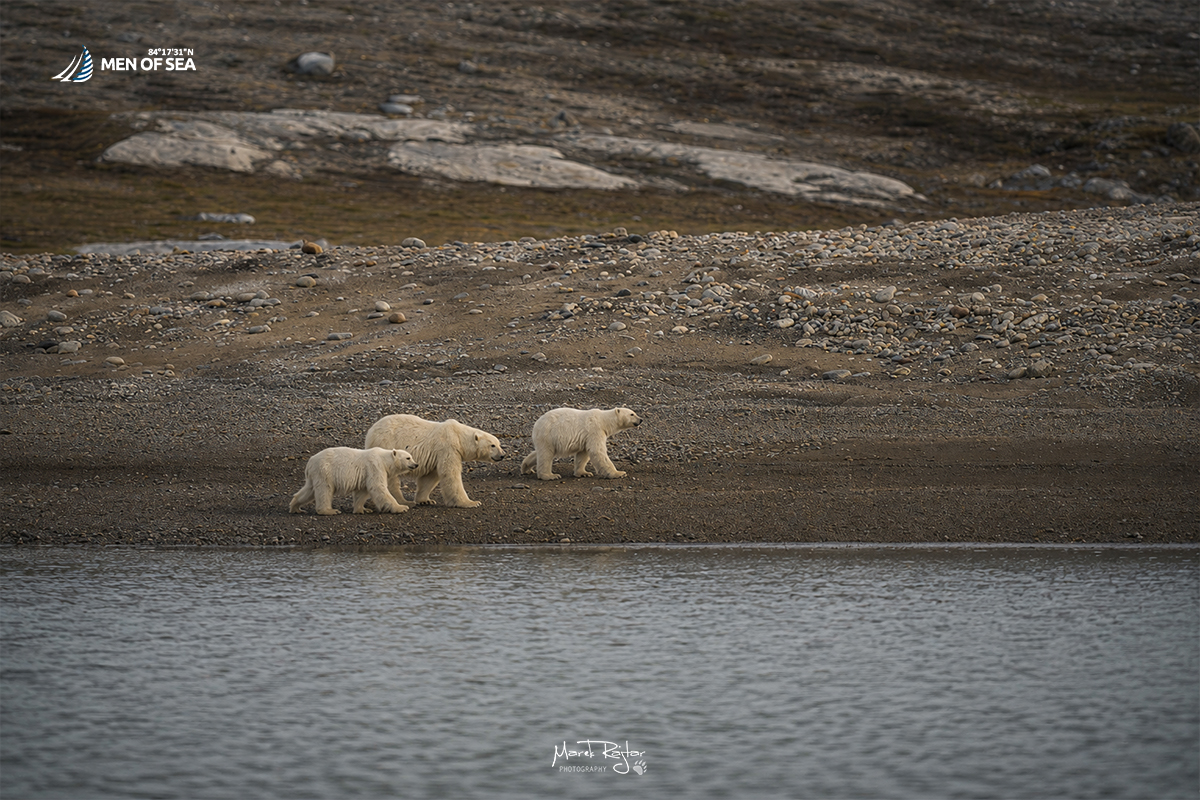
Svalbard is one of the most important polar bear habitats in the entire Arctic. These animals can be encountered throughout almost the entire archipelago – from fjord coastlines and glaciers to sea ice and the remote northern regions of Nordaustlandet. They roam along fjord shores and travel across the ice searching for food.
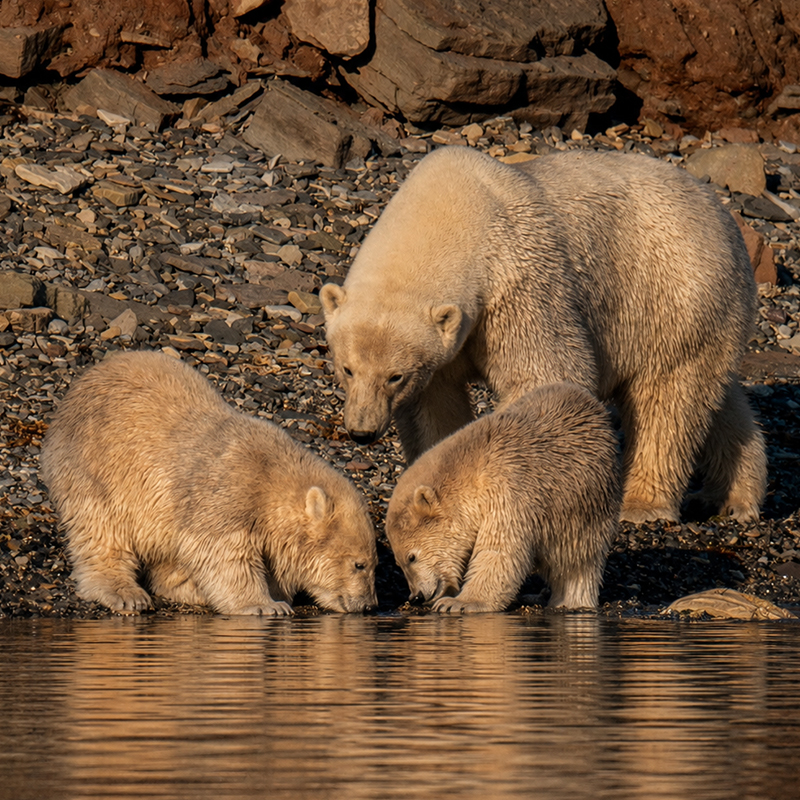
Polar bears are excellent swimmers. They can cover dozens of kilometres in icy water while searching for food or moving between ice fields. Their primary prey are seals, but in the Arctic every day is different and these animals are highly opportunistic when it comes to finding food.
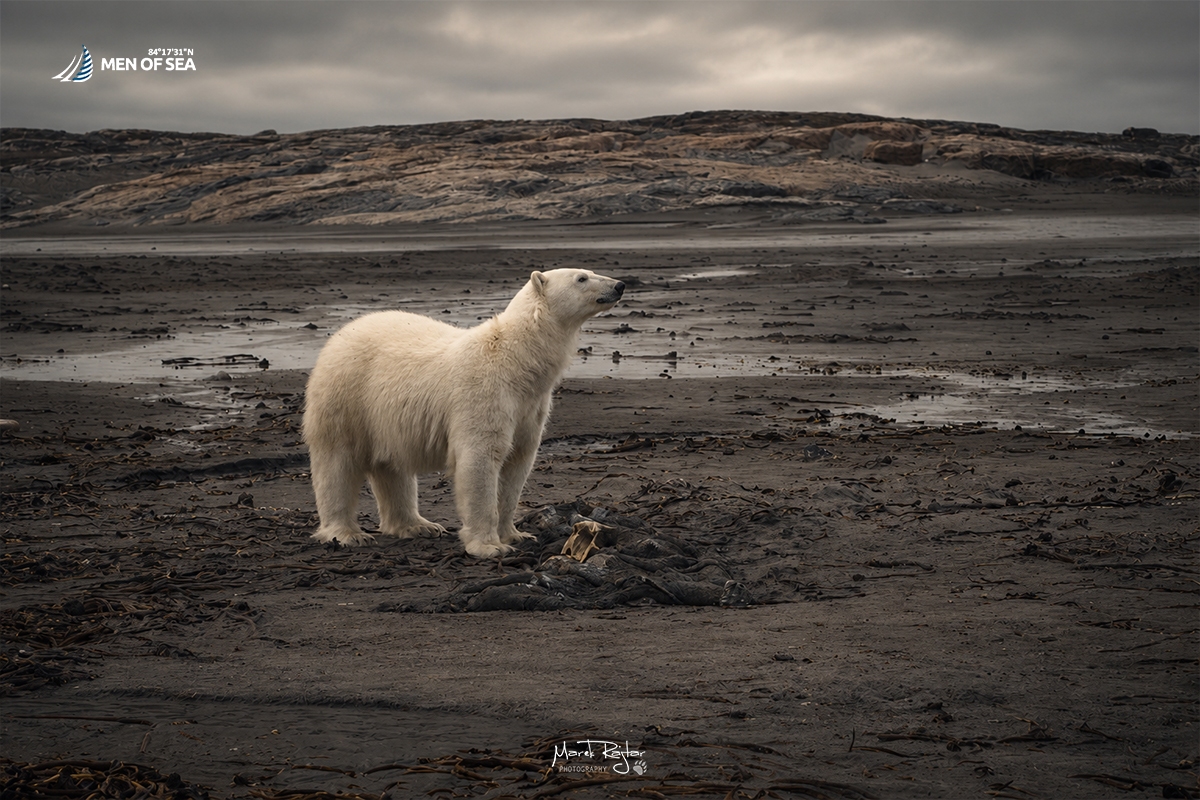
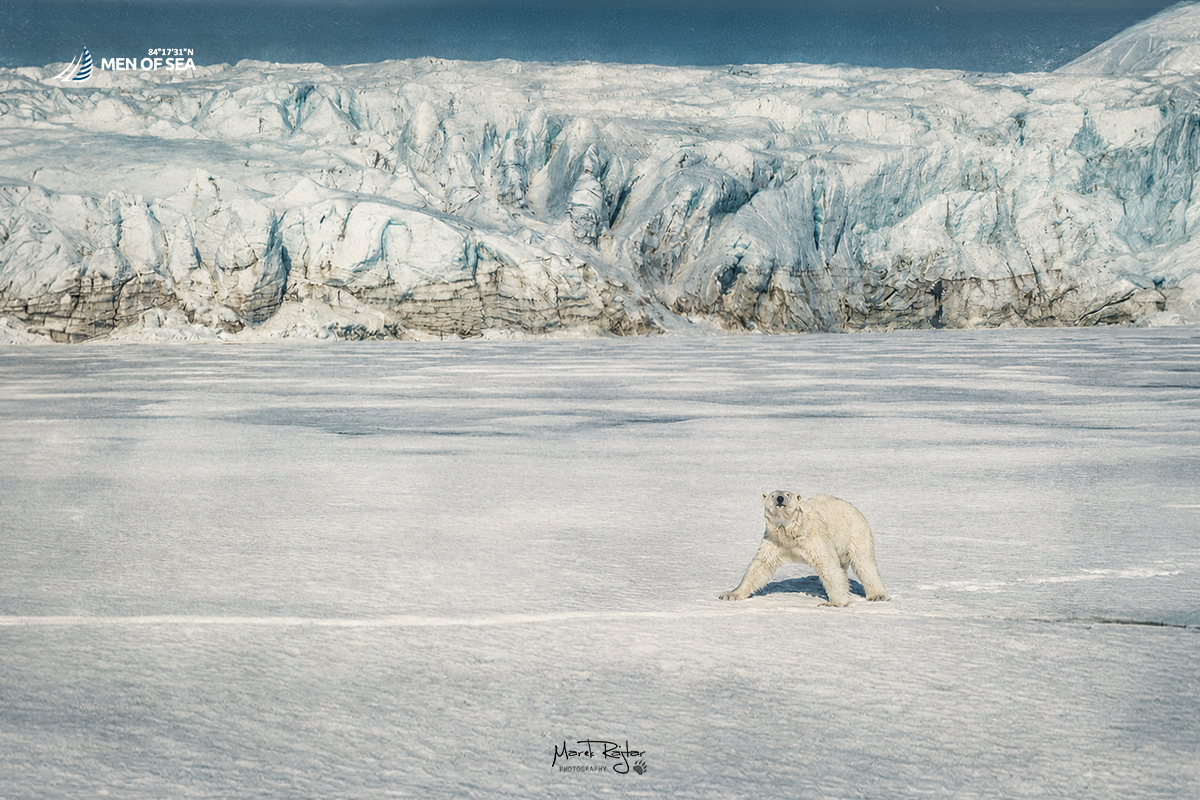
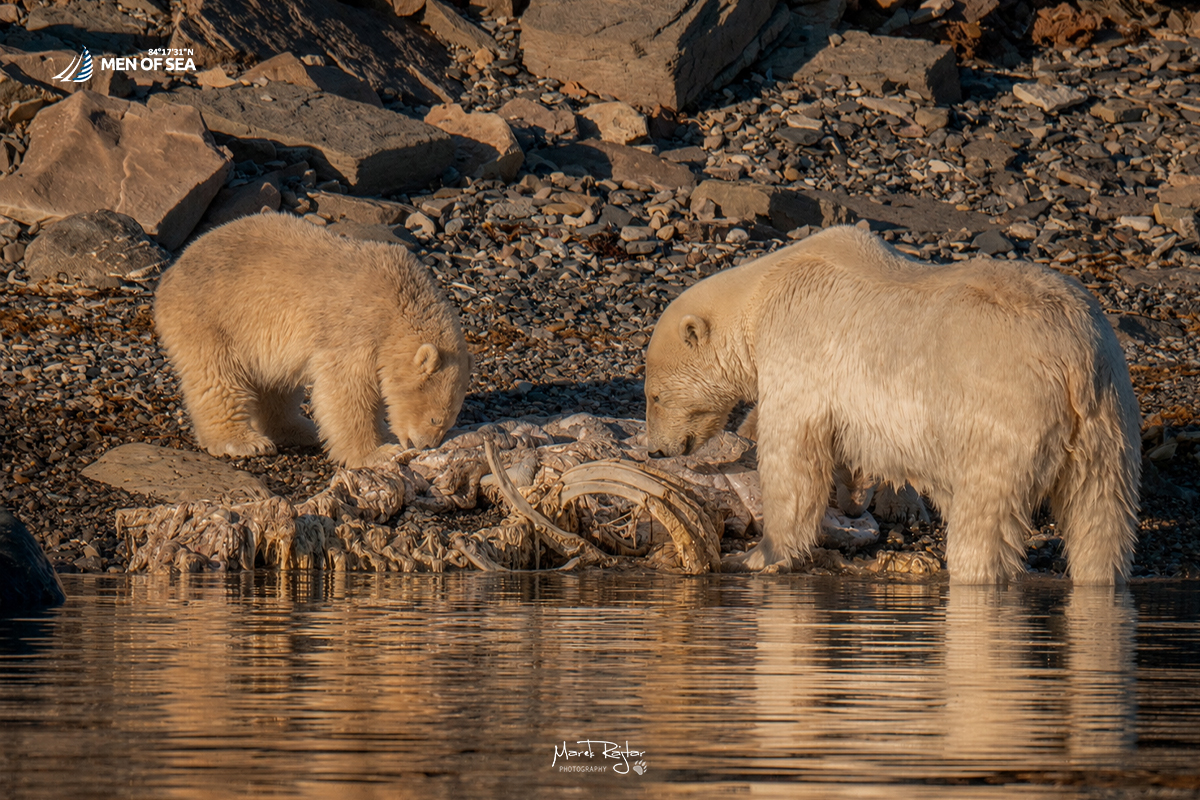
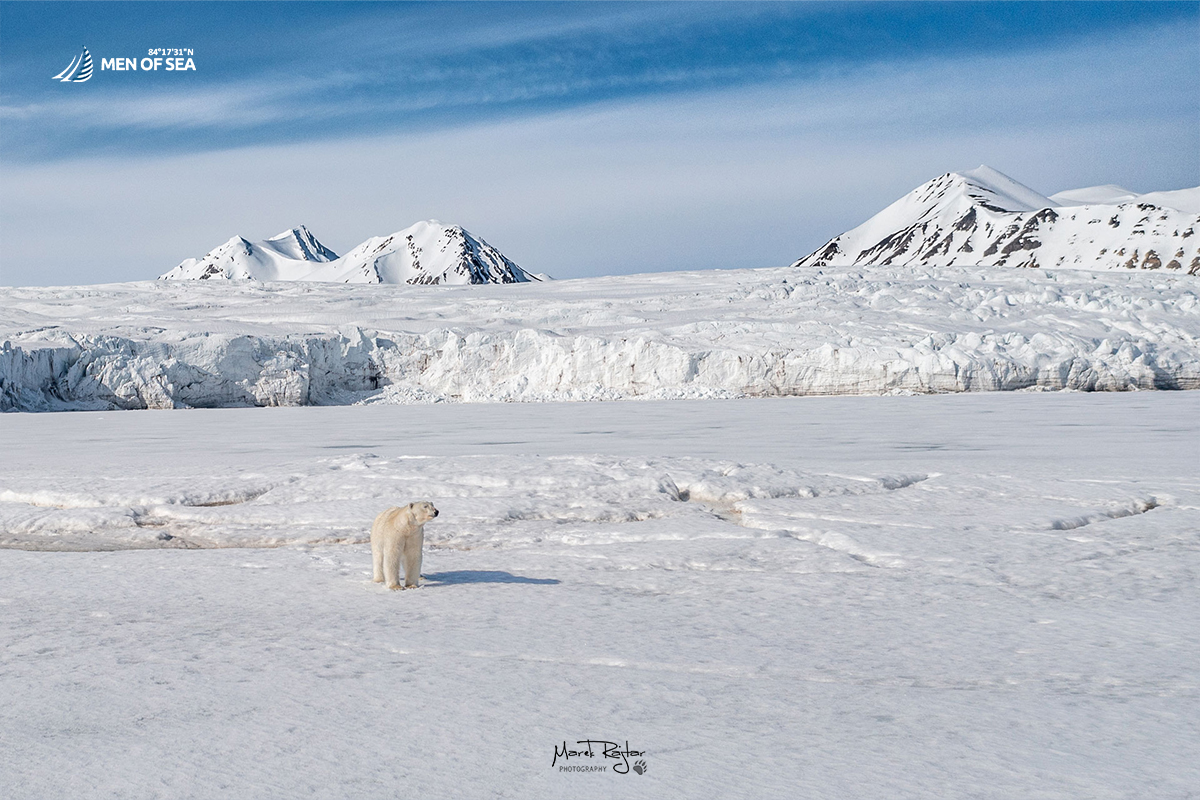
On Svalbard, polar bears are most often observed: on sea ice, along fjord coastlines, near bird colonies, on glaciers descending into the sea, sometimes near abandoned settlements and beaches where the sea washes animal remains ashore.

Encountering a Polar Bear
Encountering a polar bear in its natural environment is one of the most extraordinary experiences the Arctic can offer. It is a moment that remains in memory forever.
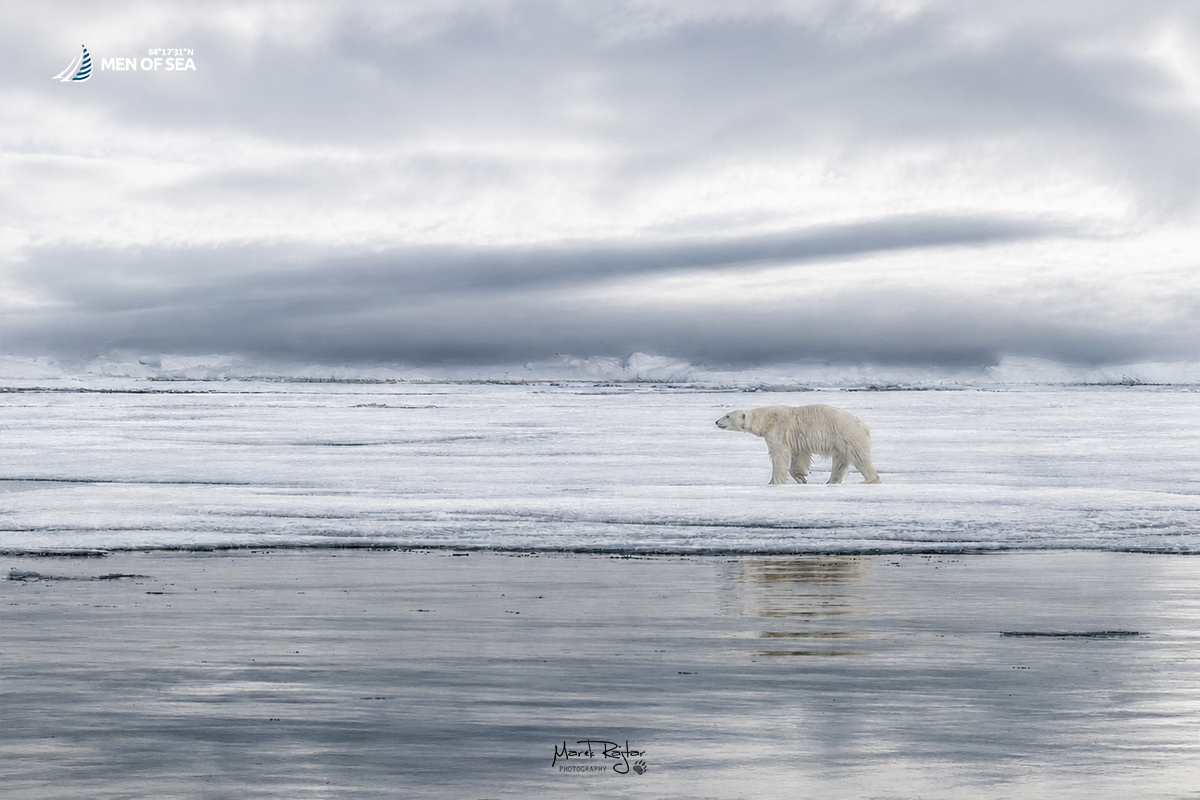
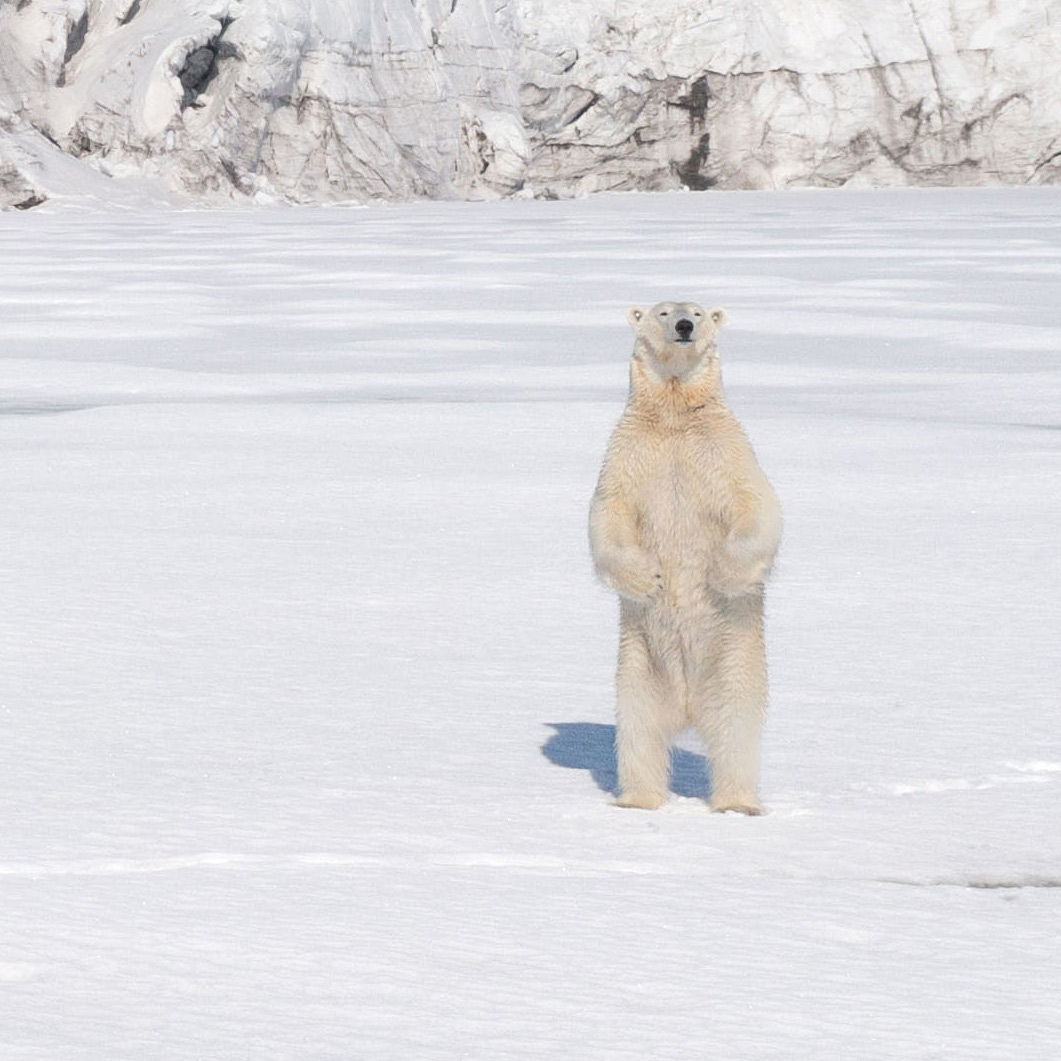
Every observation is different. Sometimes the bear appears far away on the ice as a tiny white dot. Most often, after a long observation, it turns out to be the hundred-and-first reindeer – but occasionally the observer suddenly confirms with excitement: “We’ve got one!”
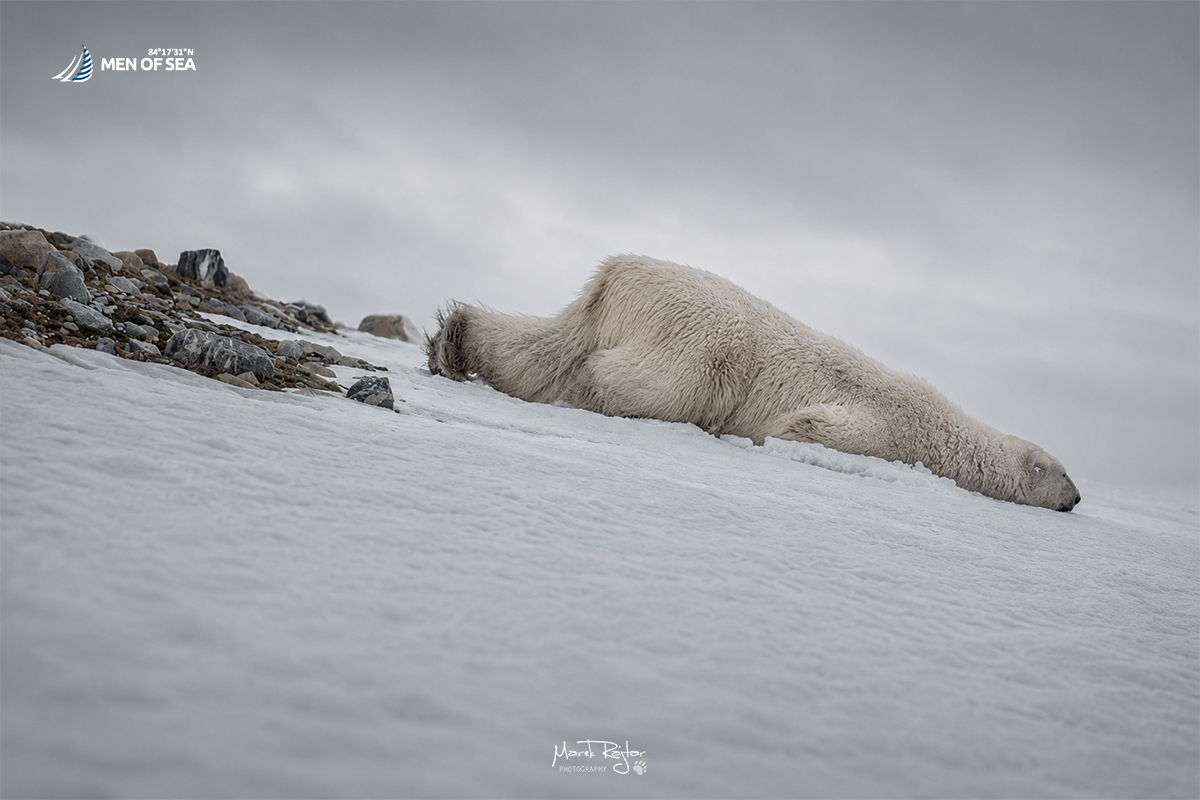
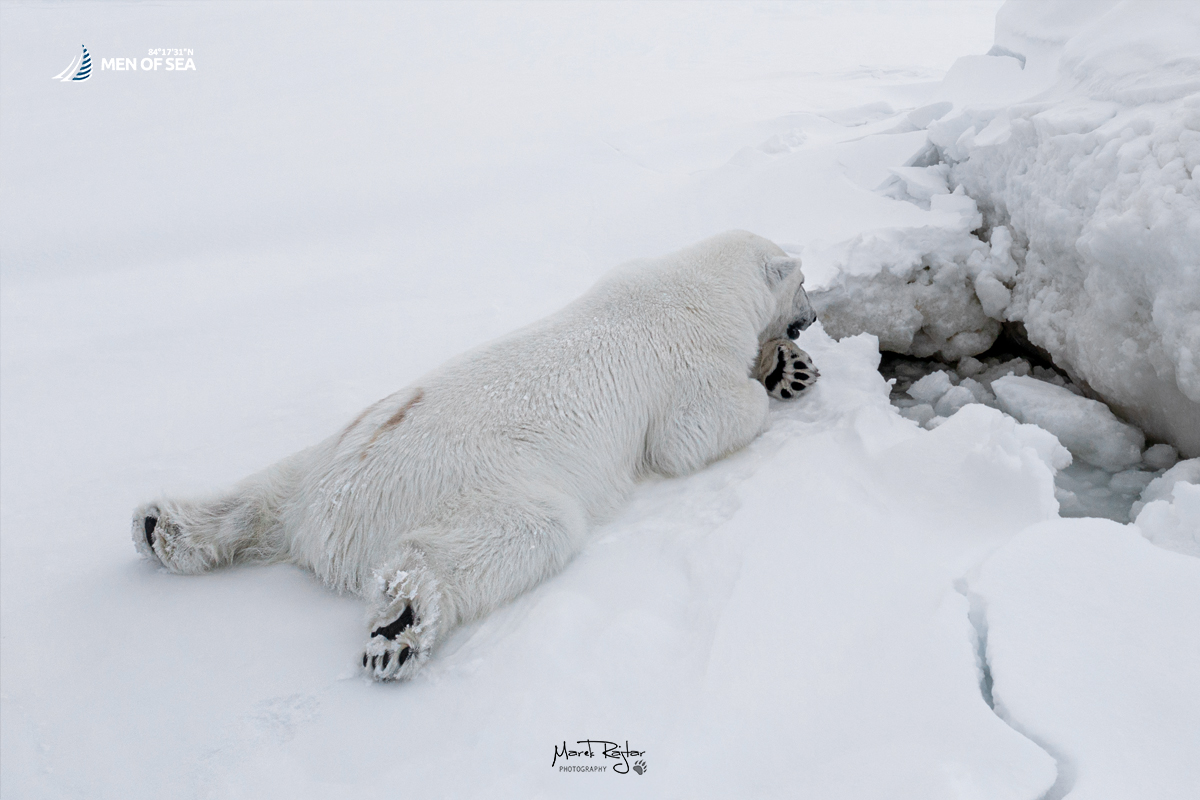
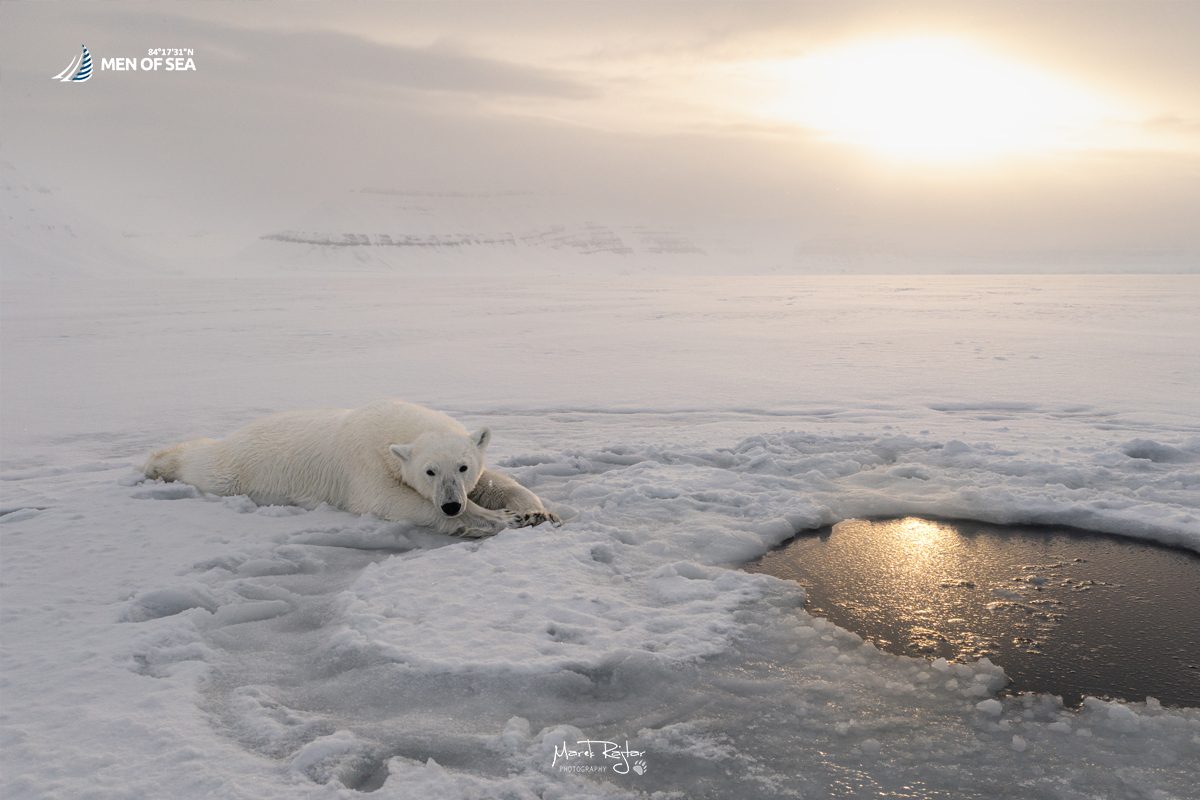
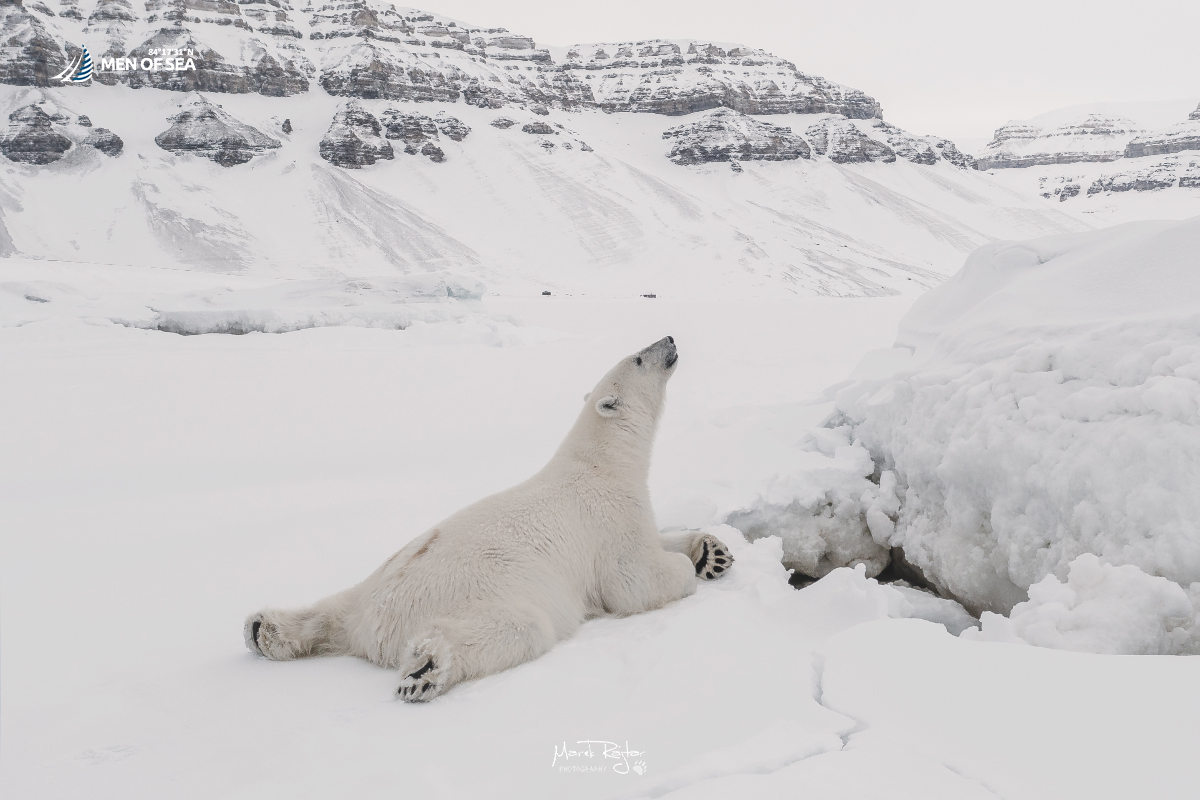
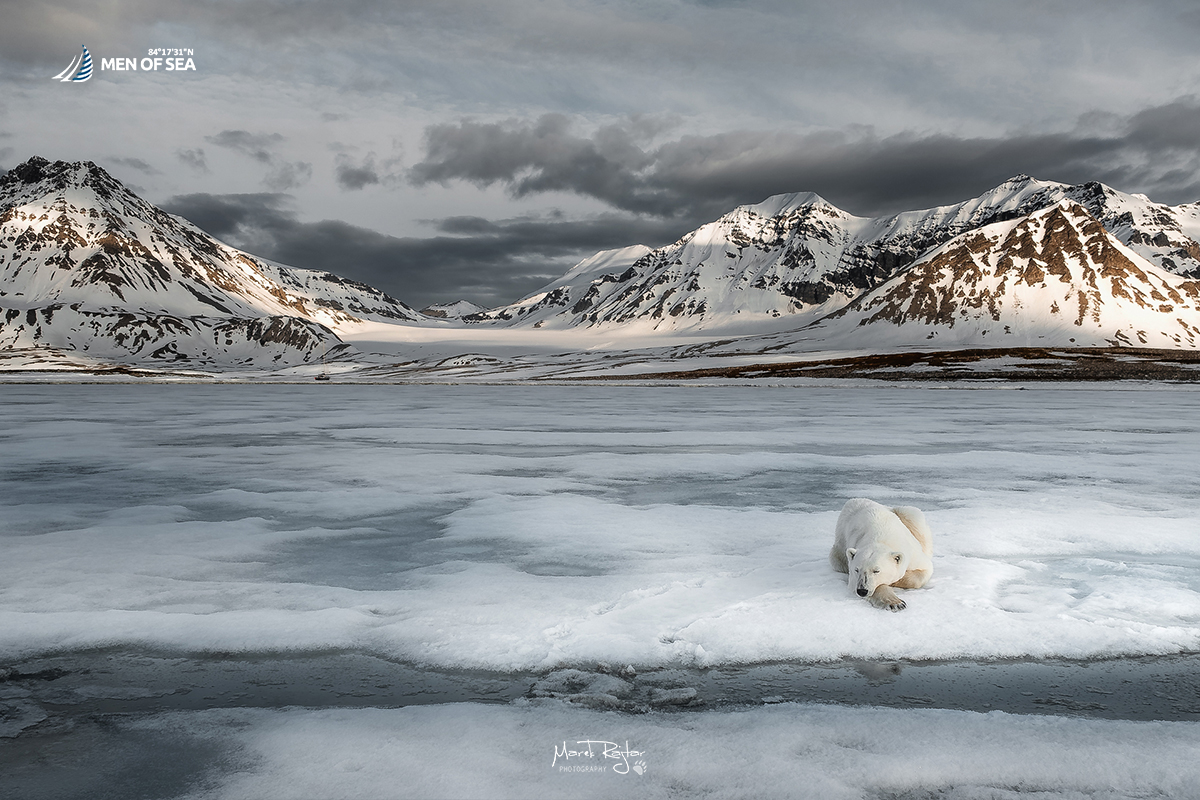
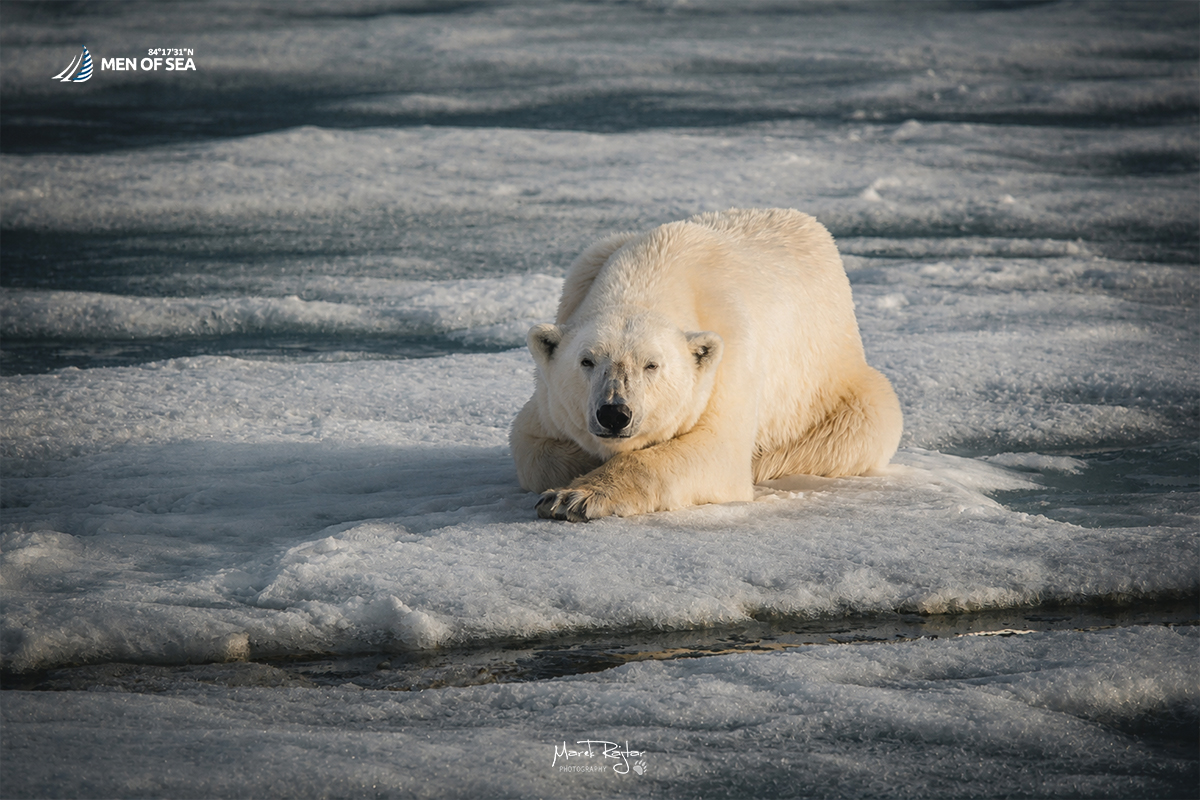
At other times, the bear may calmly walk along the fjord shoreline or rest on the snow. Occasionally, it can even be observed swimming among drifting ice floes.
What are the chances of seeing polar bears? We estimate around 50%. But we must admit that we ourselves have already seen them at least a hundred times.
During our expeditions, we always observe polar bears with complete respect for the animals and in full accordance with the strict environmental protection regulations of Svalbard. Our goal is responsible and ethical wildlife observation without influencing the animals’ natural behaviour.

An Arctic Full of Life
Although Svalbard is most associated with polar bears, the Archipelago is home to many other extraordinary Arctic animals. During our expeditions, we frequently observe a rich world of wildlife living in its natural environment.
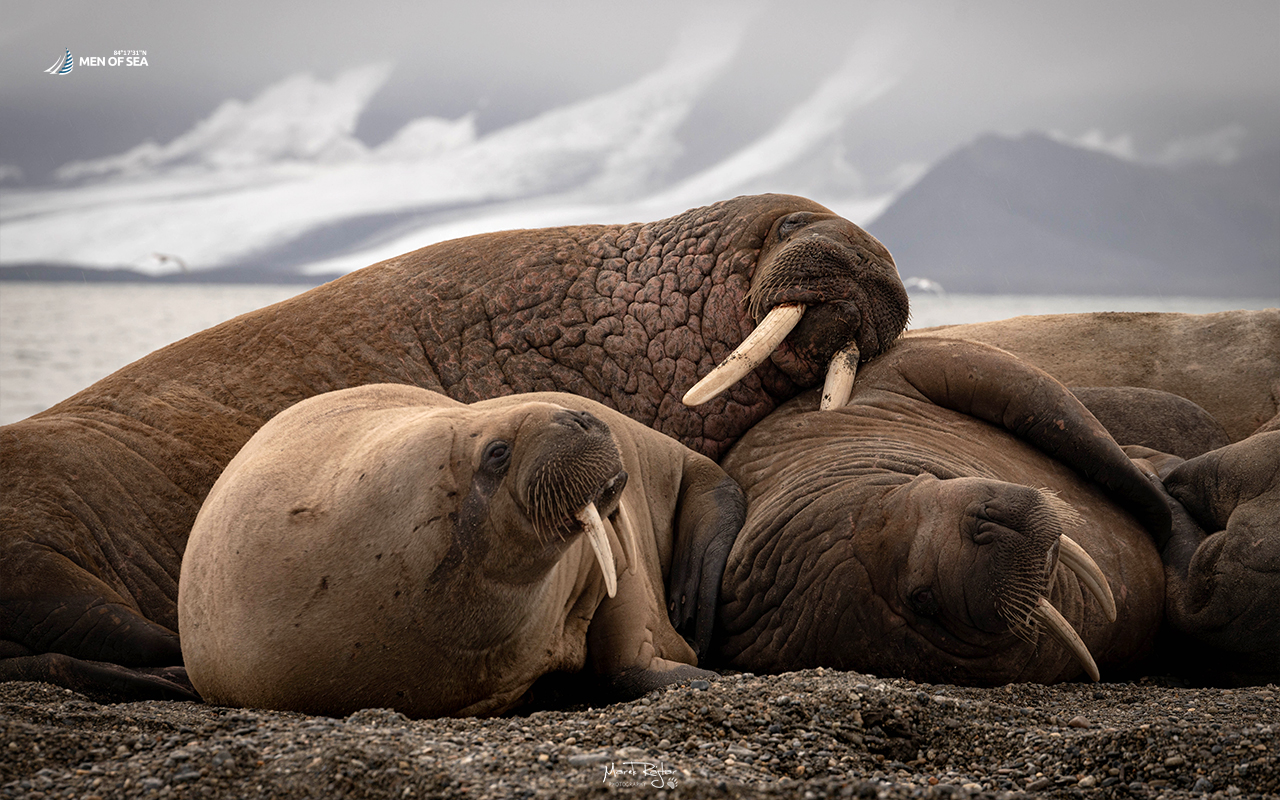
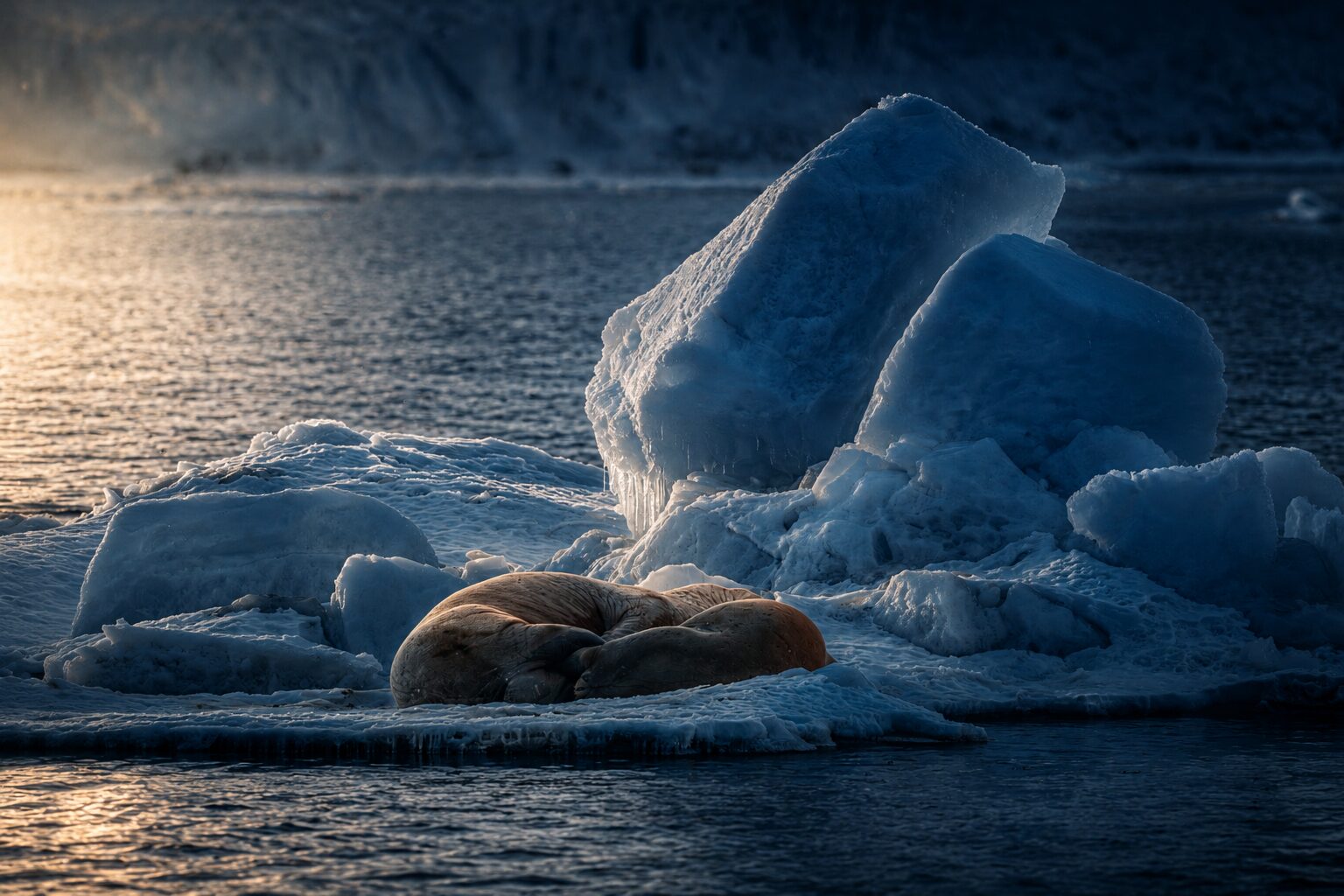
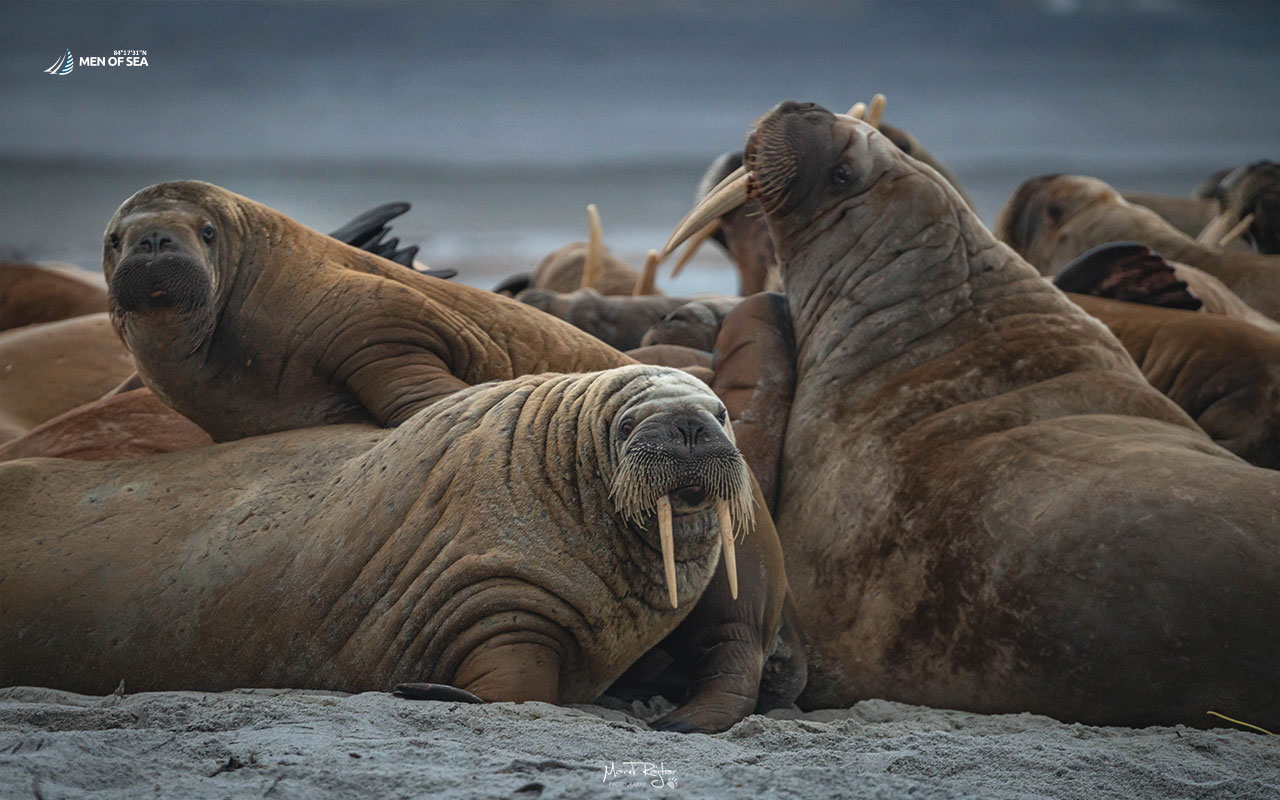
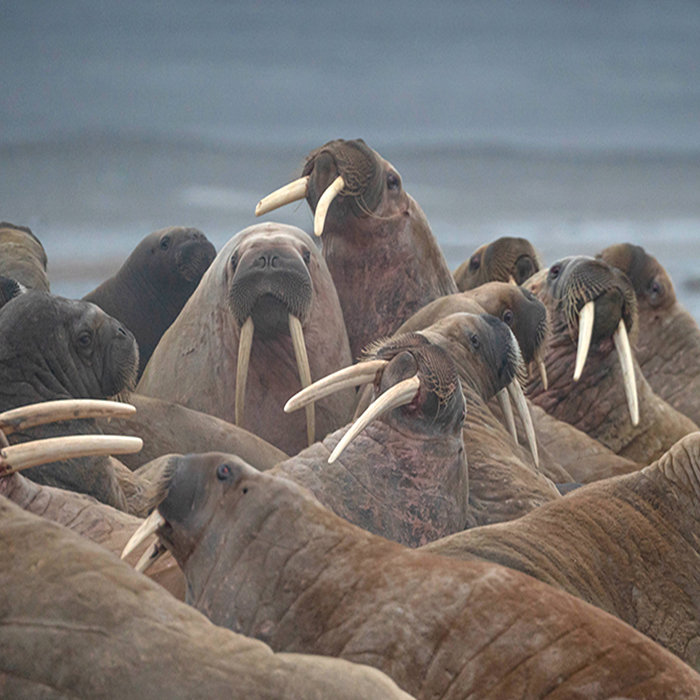
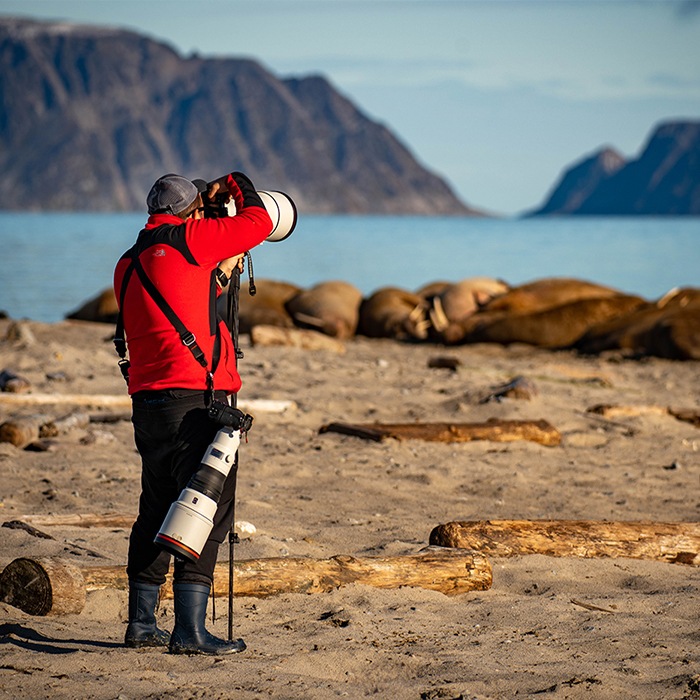
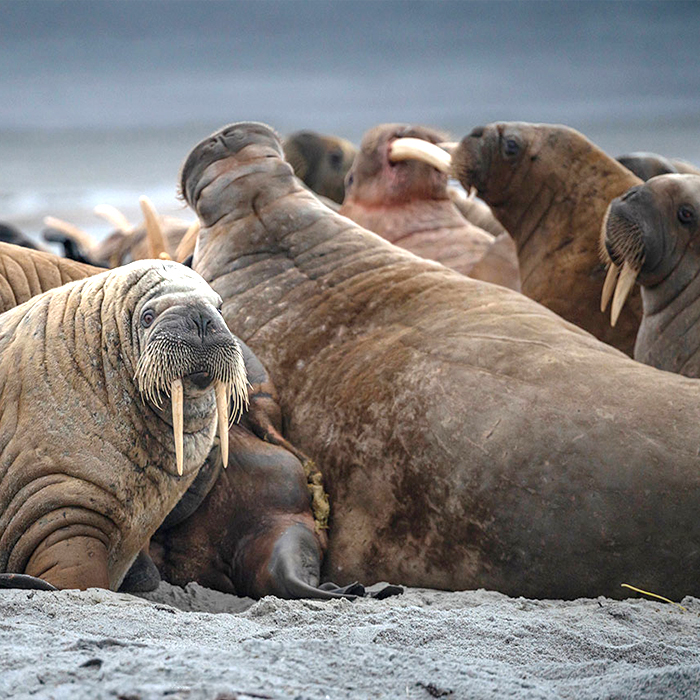
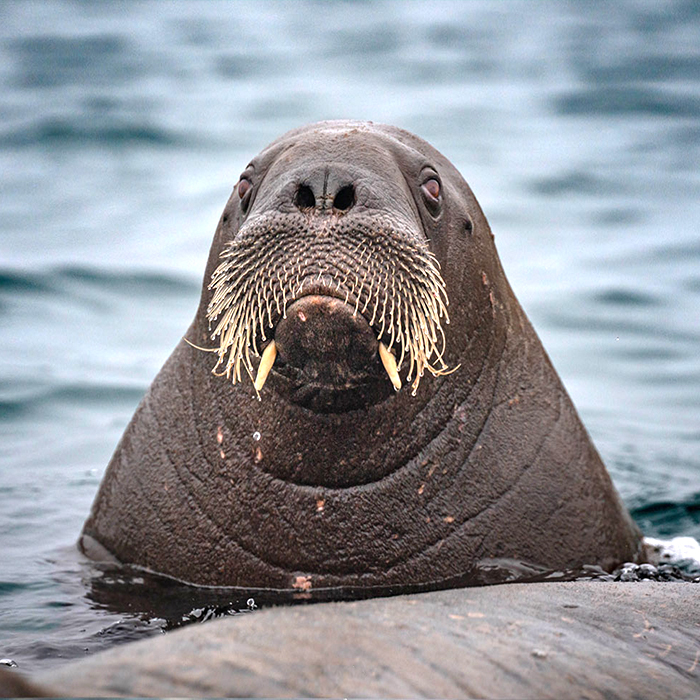
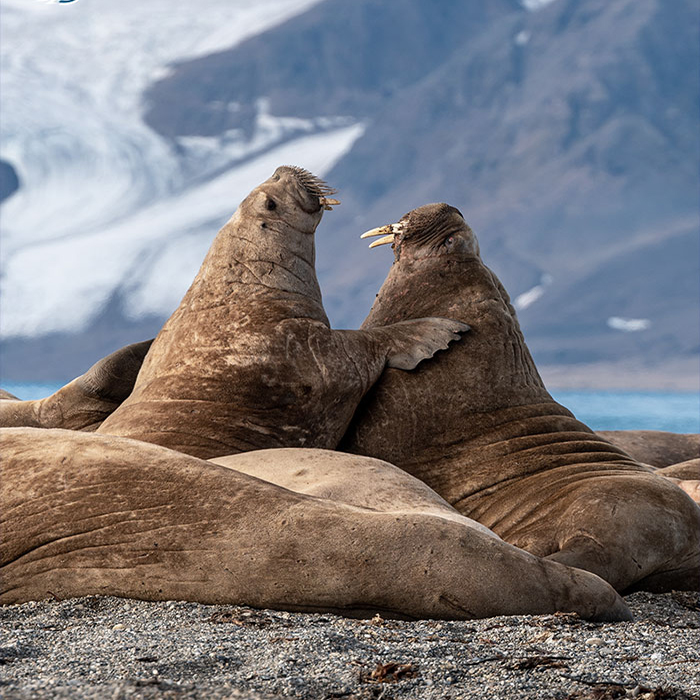
Among the most common inhabitants of Svalbard are Arctic walruses. Huge groups of these powerful animals rest on beaches, small islands and drifting ice. Encounters with them are always impressive – especially when multi-ton animals move through the water with surprising grace.
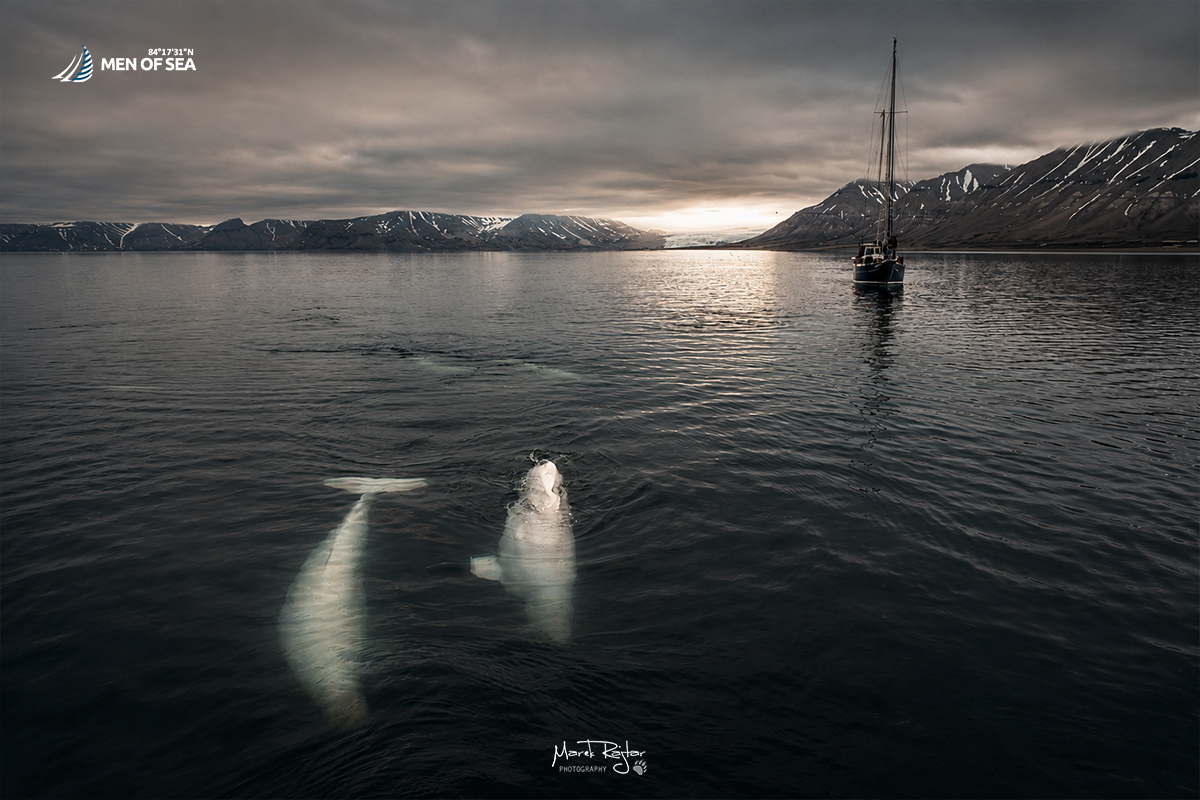
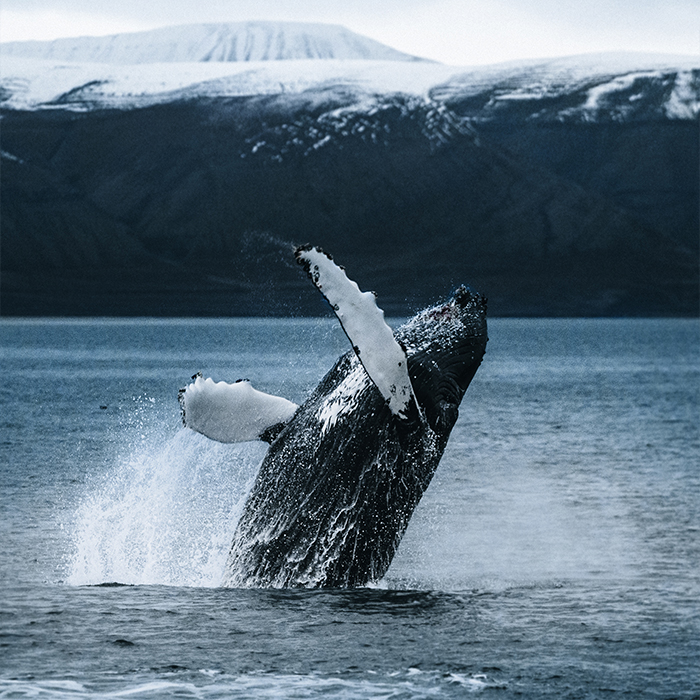
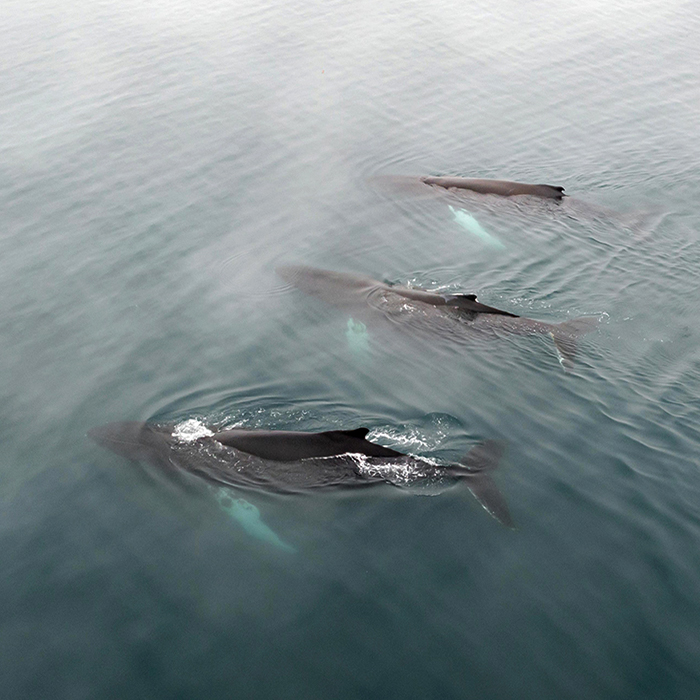
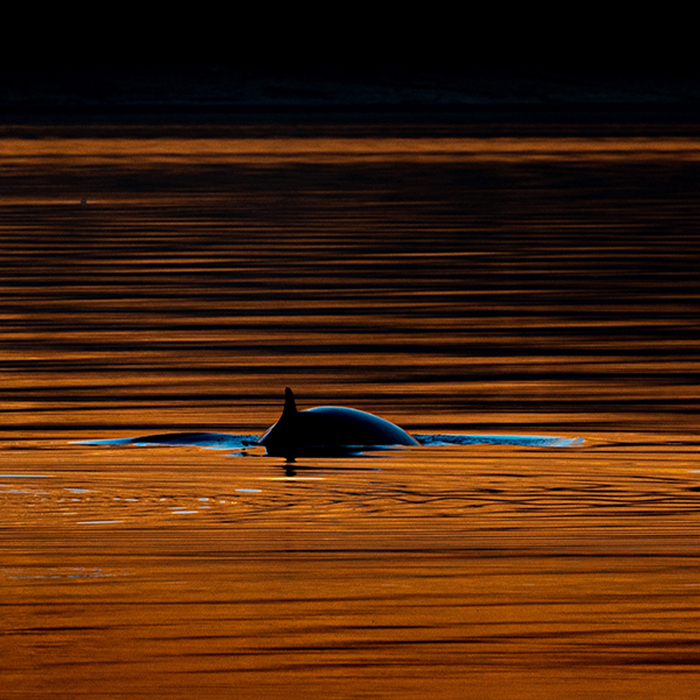
Whales also often accompany us. Humpbacks, minke whales and Arctic belugas regularly appear in Svalbard waters. Sometimes whales approach very close to the yacht Azimuth, allowing us to observe their calm and majestic world from a short distance.
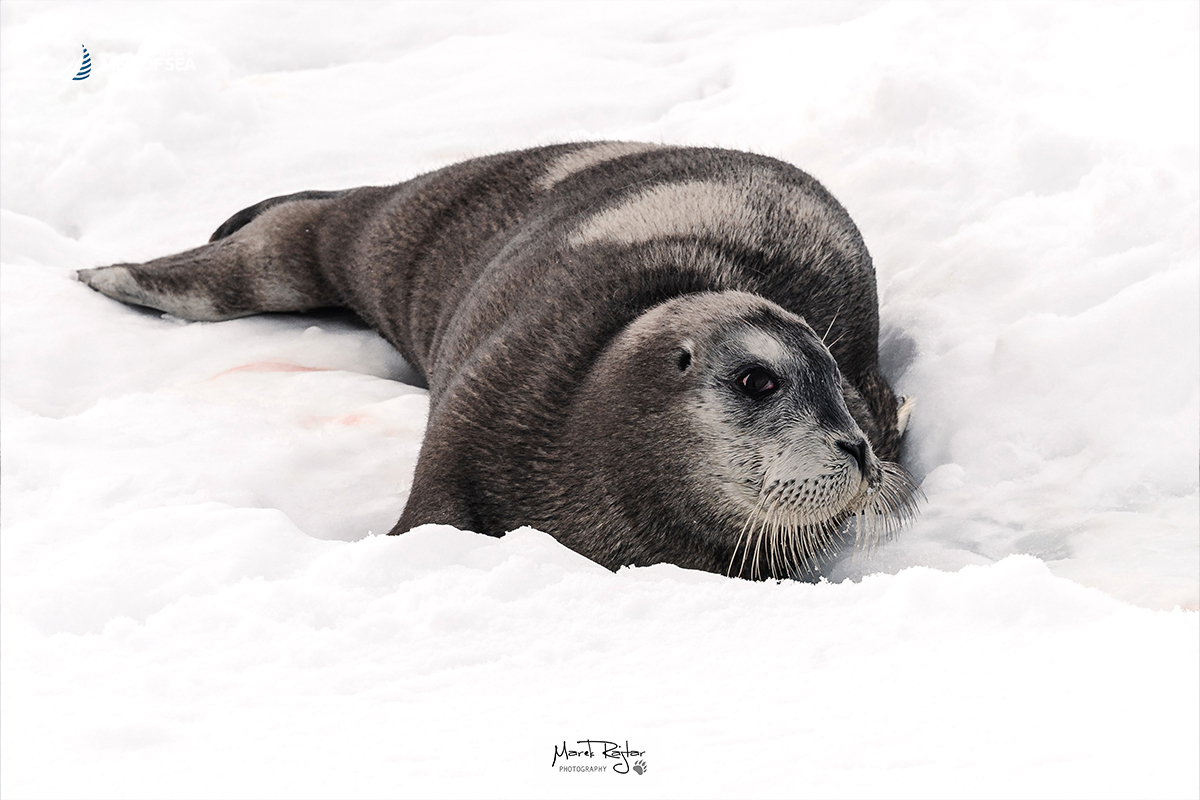
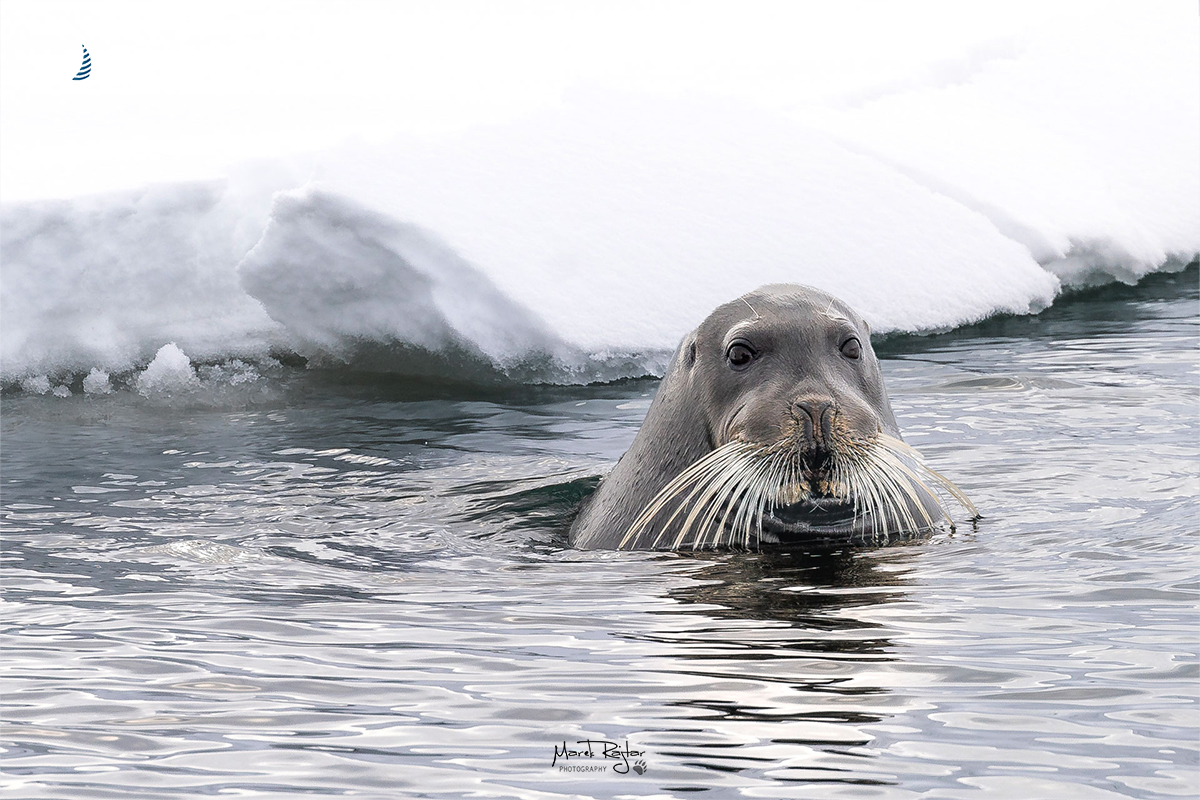
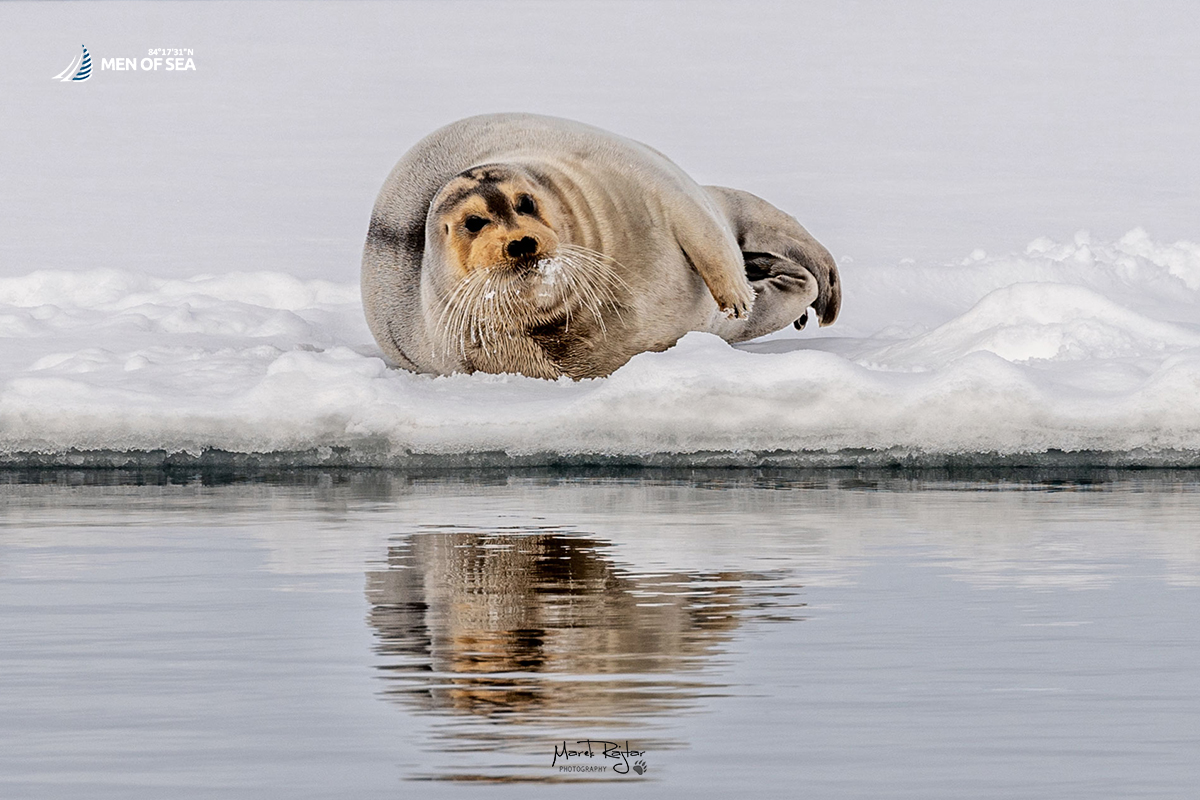
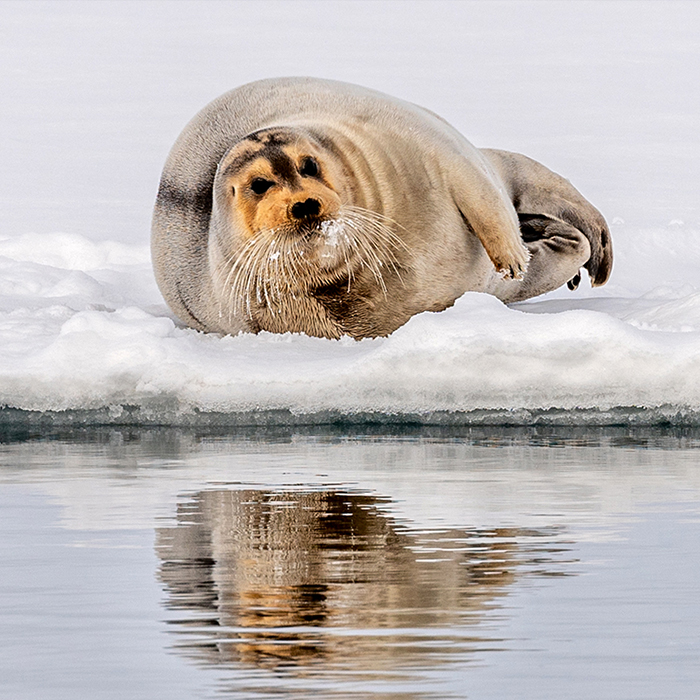
Along fjord coastlines, we encounter seals – mainly ringed seals and bearded seals. They often rest on ice floes or curiously observe the passing yacht.
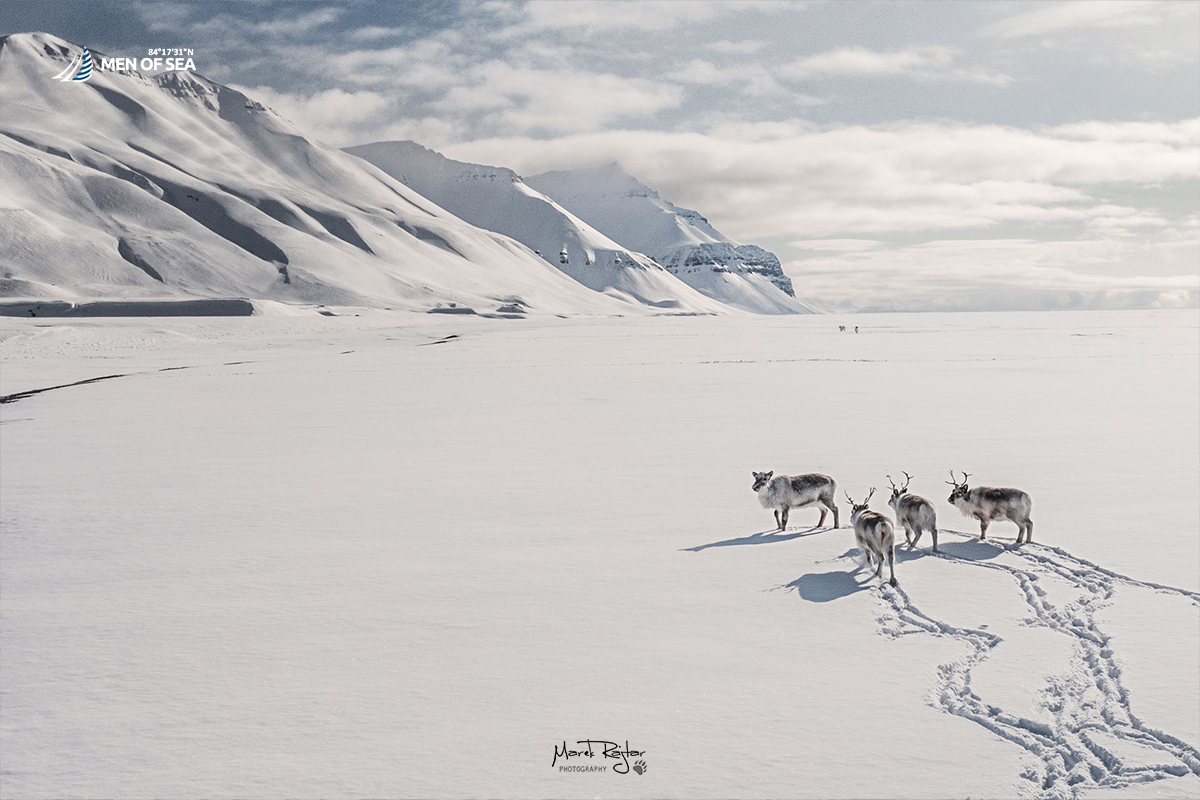
In tundra valleys and coastal areas, it is possible to observe Svalbard reindeer — a unique subspecies perfectly adapted to Arctic conditions. These animals often graze peacefully near our landing sites.
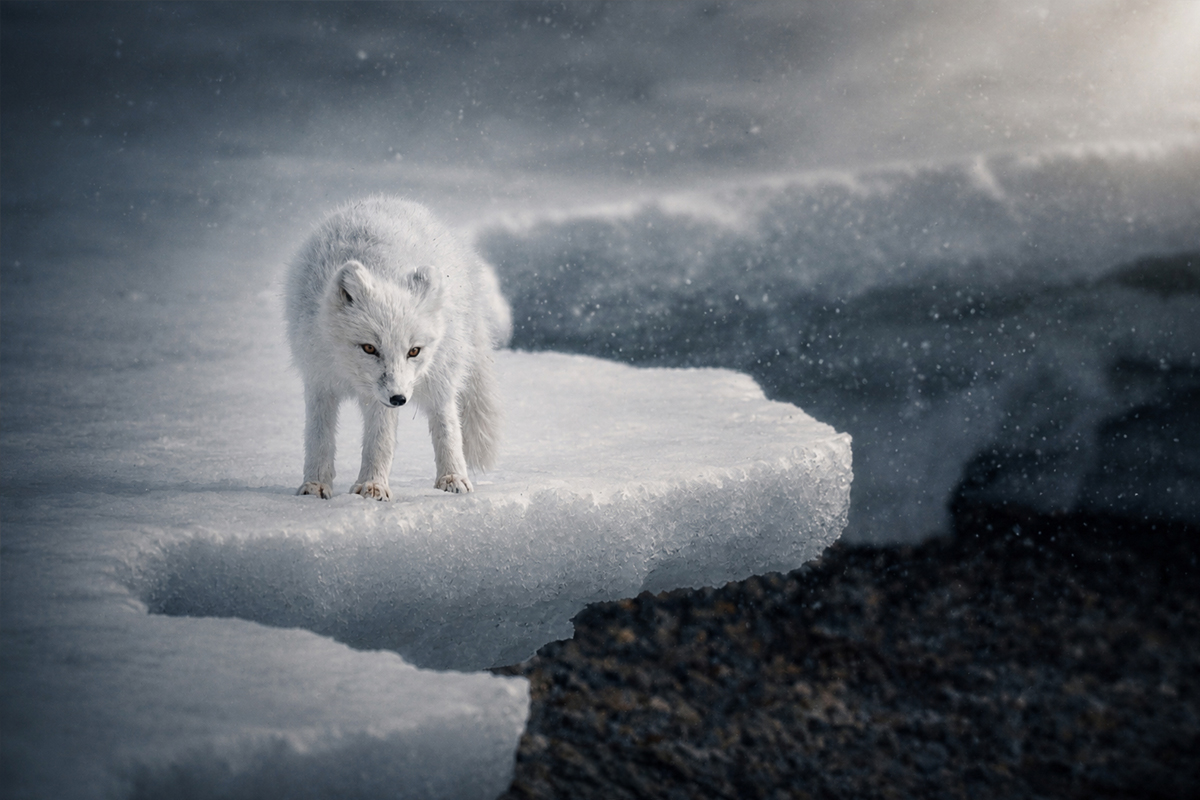
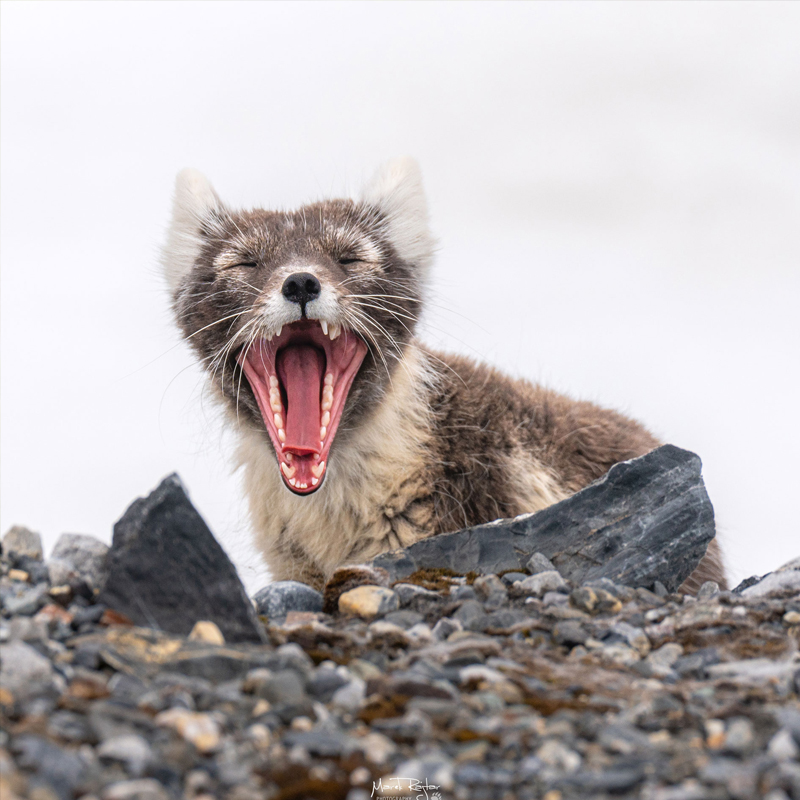
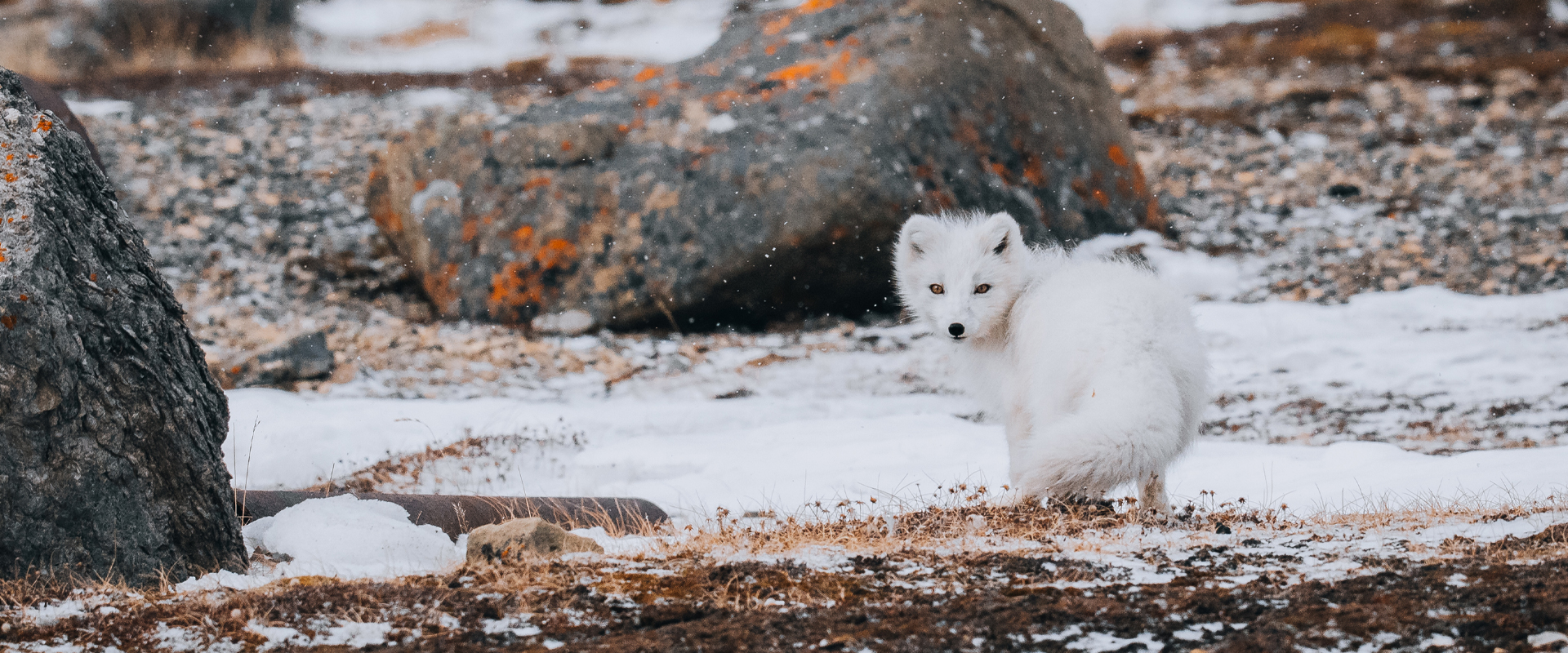
Another true symbol of Arctic wilderness is the Arctic fox. Intelligent, fast and remarkably curious, it may suddenly appear near bird colonies or silently move among rocks and tundra almost unnoticed.
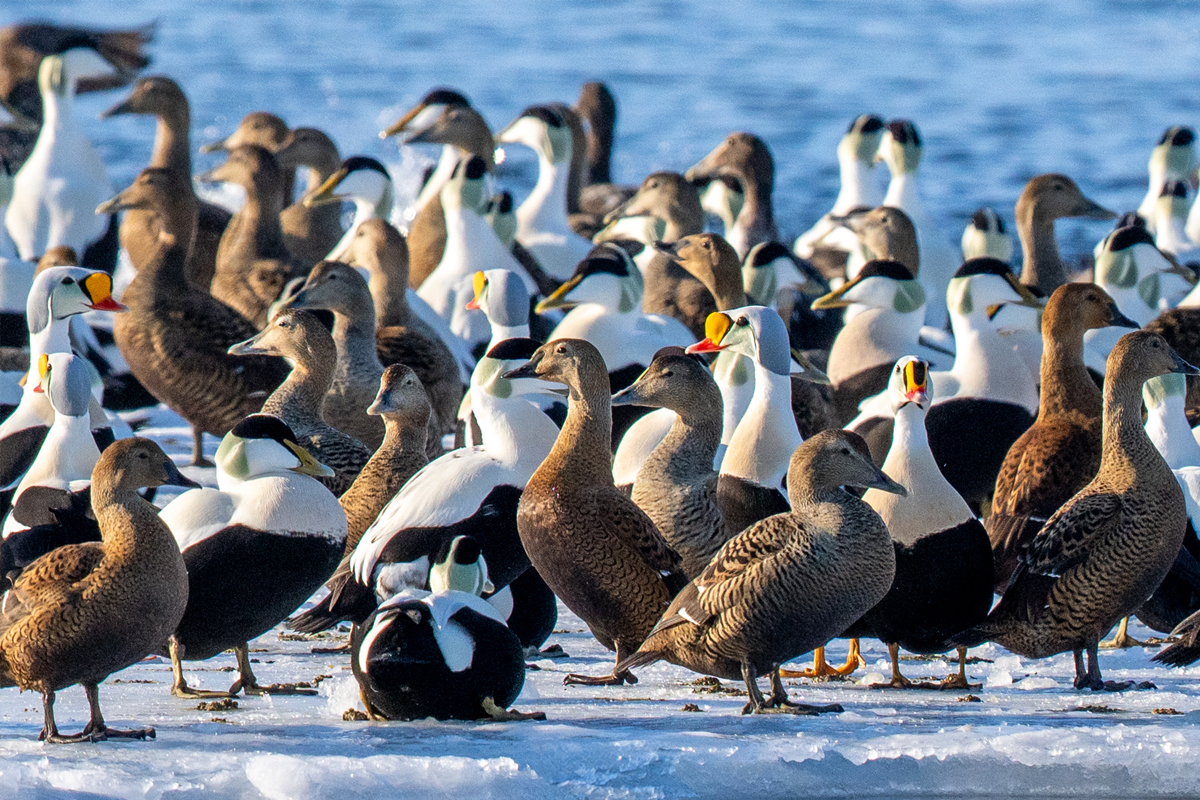
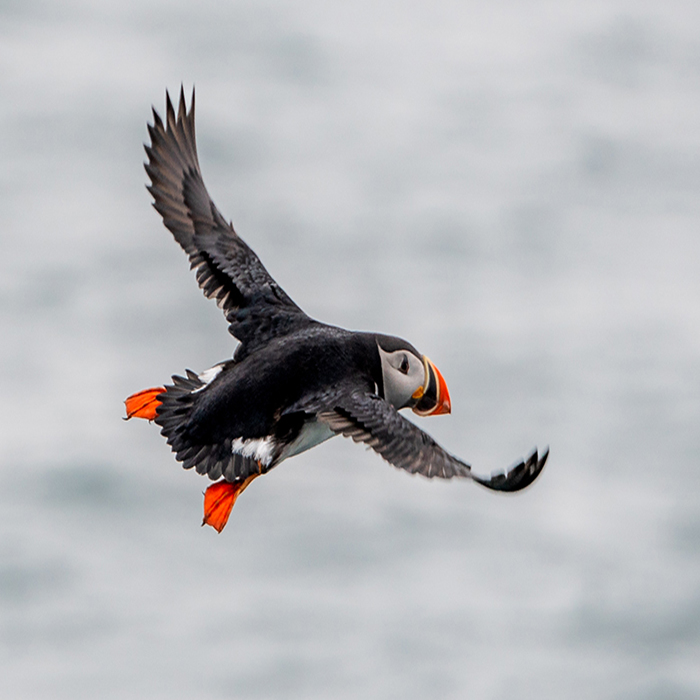
Svalbard is also a land of birds. During our voyages, we observe huge colonies of puffins, guillemots, kittiwakes, fulmars and Arctic terns. Arctic cliffs are filled with life, noise and the constant movement of wings.
Every expedition is different and we can never guarantee encounters with every species. Yet it is precisely this unpredictability that makes the Arctic so fascinating. Every day may bring a new encounter and another extraordinary story from the far North.


Date and Price


Date: 20/05/2027 - 29/05/2027

3,200.00€ + 620.00€ (common contribution)
+ -

Price - read!


The price includes:
accommodation in a 2/3-bed cabin
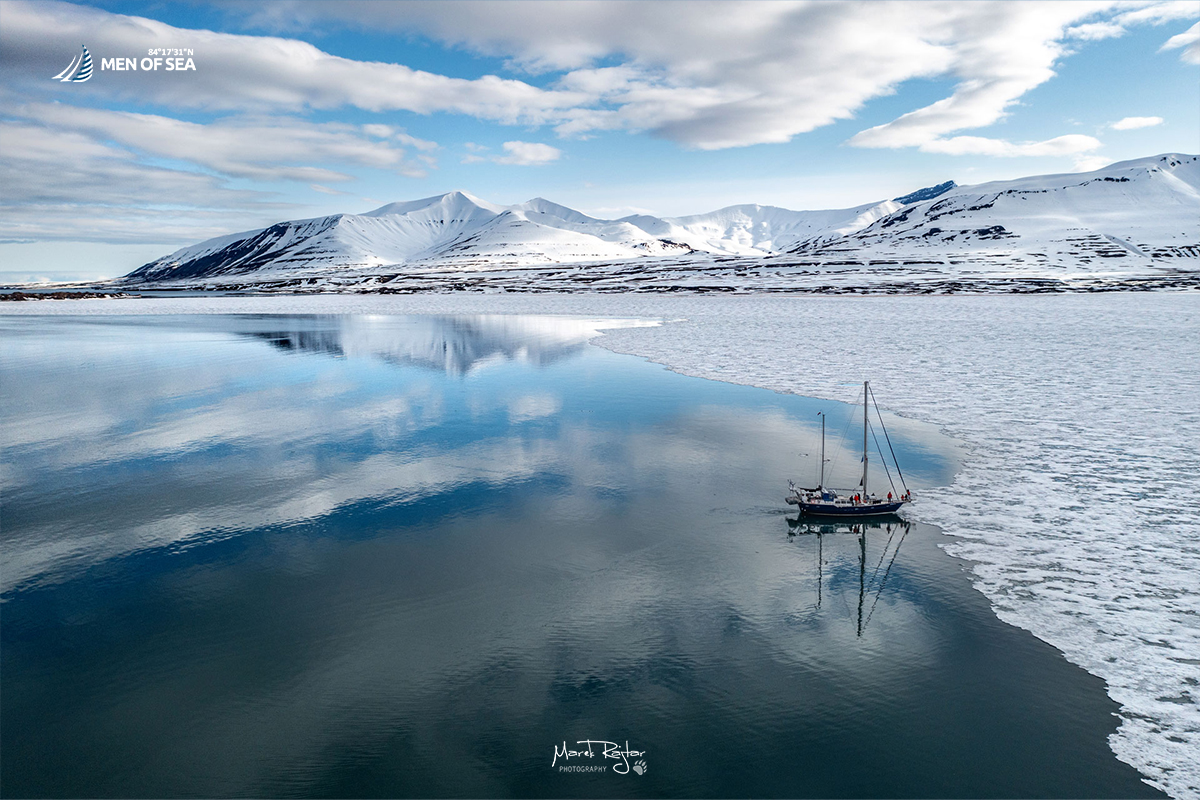
cruise on a fully equipped expedition yacht
yacht navigation and the care of an experienced captain
yacht insurance and search and rescue insurance
individual participant’s insurance against personal accidents, costs of medical treatment and luggage
contributions to the Tourist Guarantee Fund and the Tourist Assistance Fund
port fees and yacht fuel
sailing knowledge training

The common contribution includes:
food and drinks for the participants
administrative fees
the cost of firearms transport and rental

Additionally we provide:
assistance in finding the most favourable flight options
advice on preparing for the trip

The price does not include:
transport to and from the cruise
additional expenses ashore, such as shopping or restaurants
additional personal fees in ports

Payment schedule:
20% – at the time of booking
40% – 5 months before the beginning of the trip
40% – 3 months before the beginning of the trip
If any of the dates falls later than three months before the trip starts, the payment should be made at the time of booking or three months before the trip starts.


Trip Program


+ -

Day 1: Longyearbyen


Longyearbyen

Boarding begins at 4:00 PM.
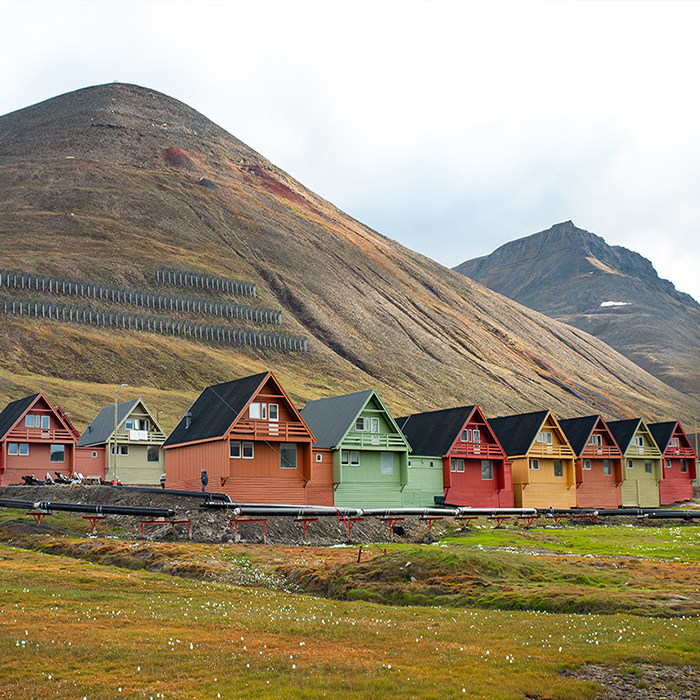
We settle into the yacht, enjoy dinner and go through our first safety briefings to prepare for departure. Afterwards, taking advantage of the 24-hour polar daylight, we head into Longyearbyen. We visit its most important places and go on a short trek in search of reindeer, which can often be seen wandering among the charming houses. We end the day in one of several atmospheric pubs, enjoying specialties from the world’s northernmost brewery.


+ -

Day 2-9: Longyearbyen – Isfjorden - Sassenfjorden - Tempelfjorden - Billefjorden – Adolfbukta - Nordfjorden – Borebukta – Barentsburg - Ymerbukta - Trygghamna - western and north-western Spitsbergen (optional) – ice edge (optional) – Longyearbyen


Longyearbyen – Isfjorden - Sassenfjorden - Tempelfjorden - Billefjorden – Adolfbukta - Nordfjorden – Borebukta – Barentsburg - Ymerbukta - Trygghamna - western and north-western Spitsbergen (optional) – ice edge (optional) – Longyearbyen

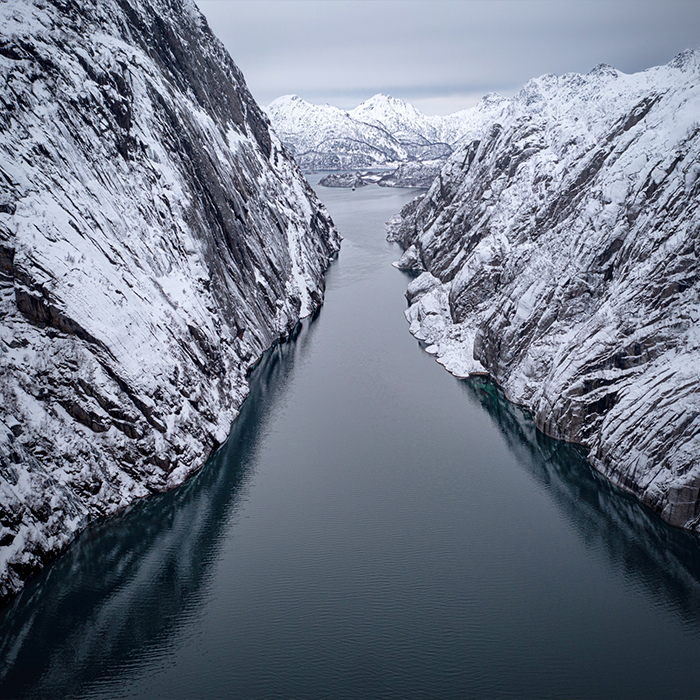
We begin our journey through Isfjorden – the most central fjord of Spitsbergen. Over the coming days, we will explore both the main fjord and its many side fjords ending in glaciers. This is where we will search for Arctic wildlife.
The program is intensive, as the Isfjorden region contains many beautiful places that could easily fill an entire month of exploration. We will focus on the most spectacular locations. The detailed itinerary and order of visits will be decided on an ongoing basis depending on weather and ice conditions.

An example itinerary is presented below:
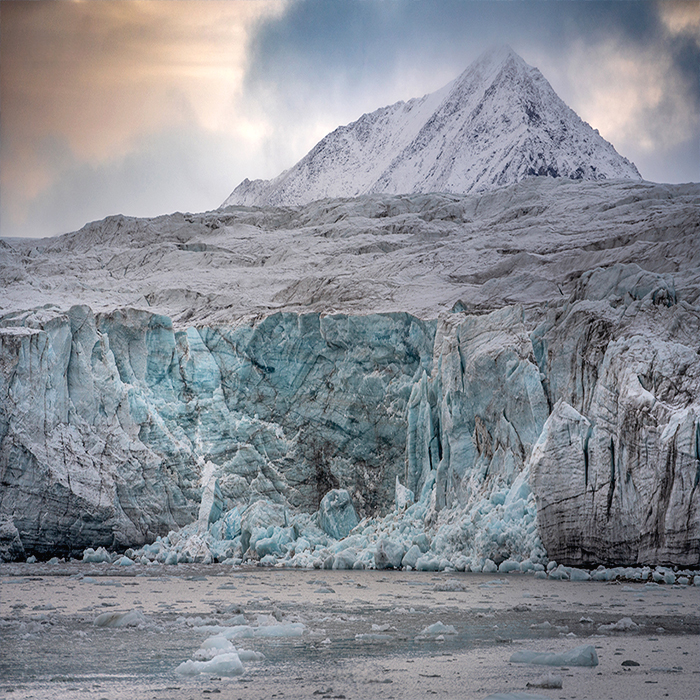
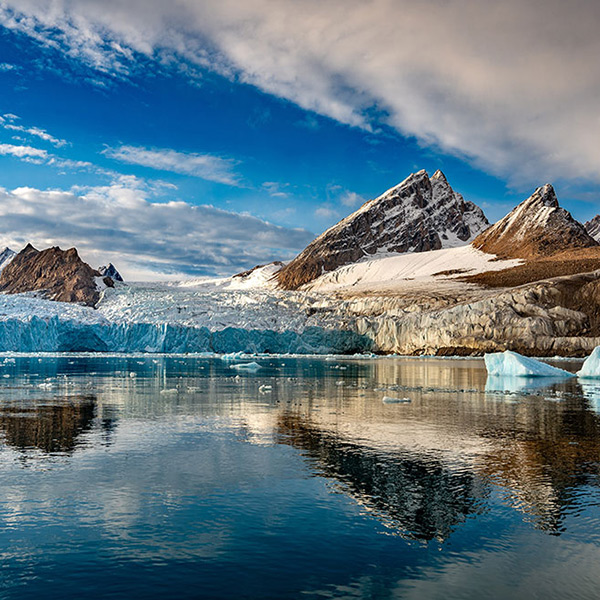
We will begin with Sassenfjorden and Tempelfjorden. We will travel close to the coastline and the edge of the sea ice to increase our chances of spotting polar bears wandering along the shores and reindeer grazing nearby. We also occasionally encounter whales here. Tempelfjorden is crowned by the magnificent two-colored Tunabreen glacier descending directly into the fjord.

Billefjorden is another fjord on our route and once again we will sail close to the shore – this time lined with the distinctive mountains characteristic of this area. Fin whales and Arctic belugas often enter Billefjorden and we will sail as deep into the fjord as ice conditions allow.

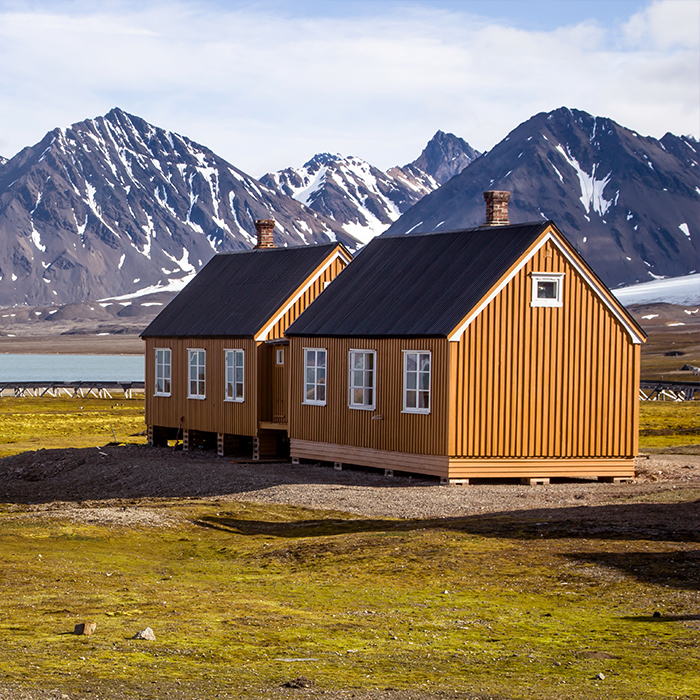
The fjord leads us to the abandoned town of Pyramiden – a post-Soviet surreal world where the Soviet Union once attempted to conquer the Arctic North. The result is a landscape reminiscent of Chernobyl or scenes from Alfred Hitchcock’s The Birds.
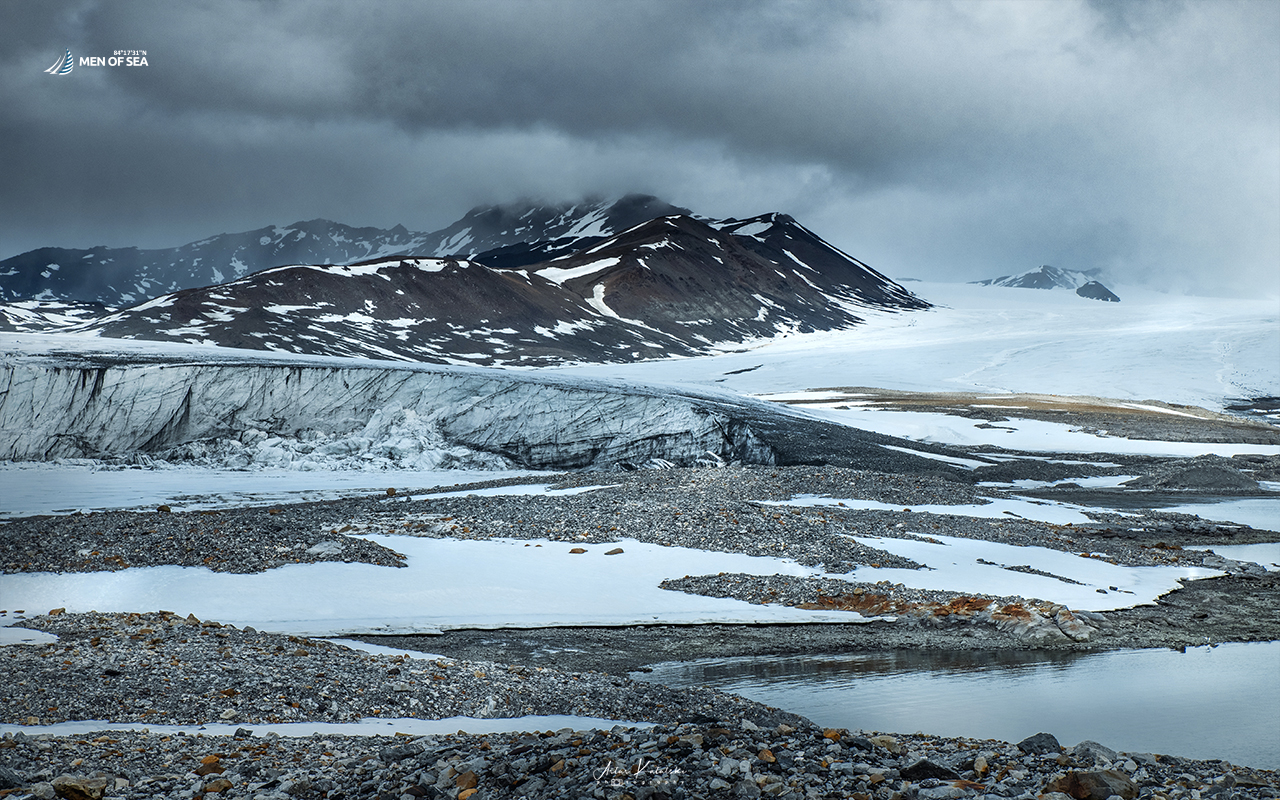
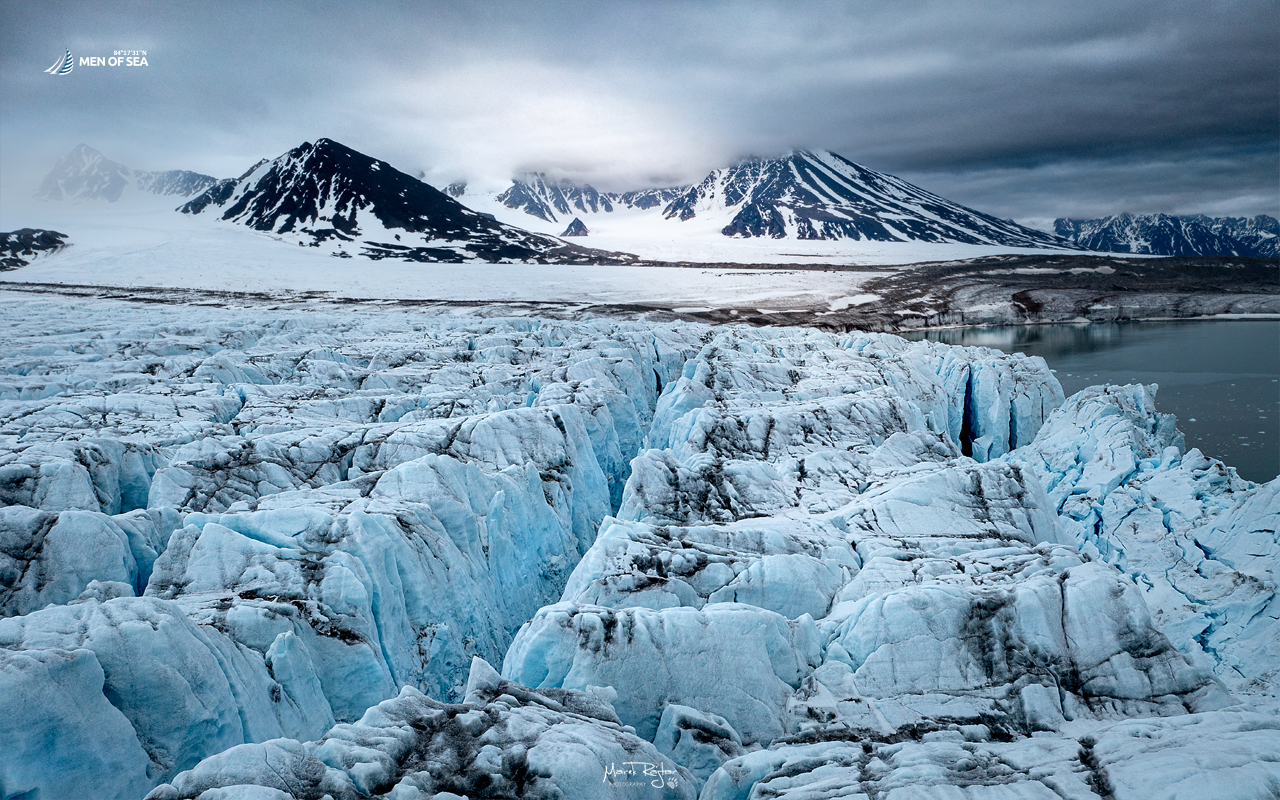
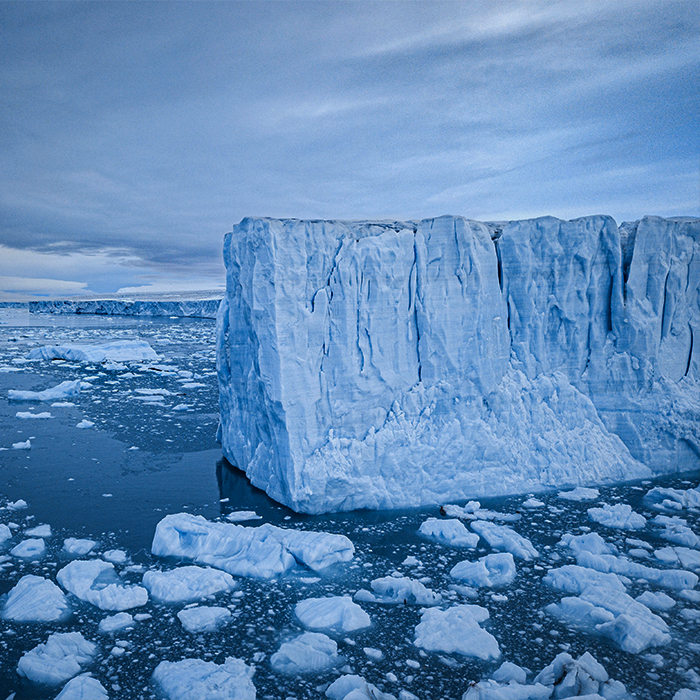
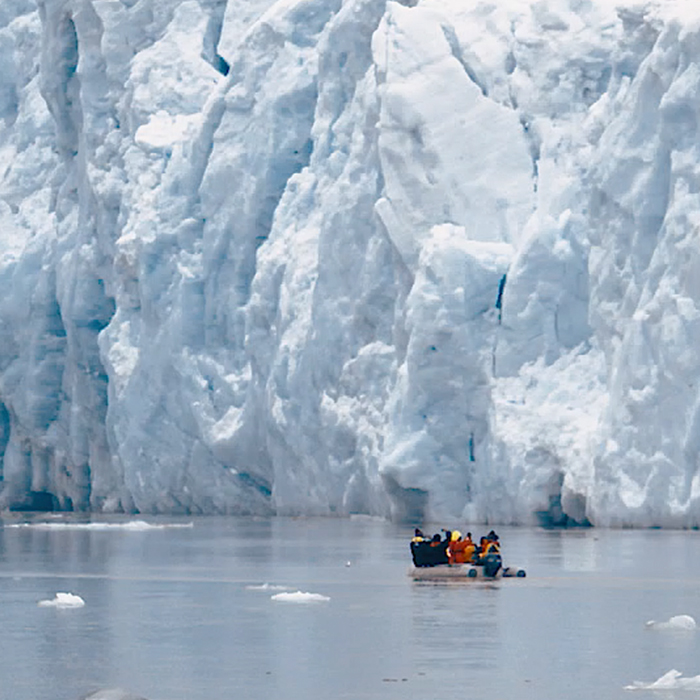
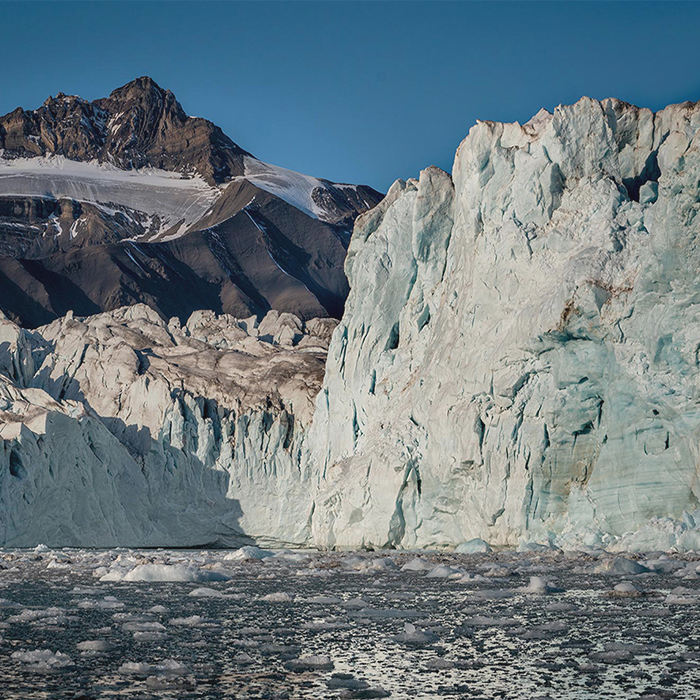
Nordfjorden – the northern branch of Isfjorden – is a protected nature reserve. We hold permits allowing us to explore this fjord and we intend to visit several of its remarkable locations. We will approach the Sveabreen glacier, whose towering ice front is filled with massive ice blocks and can calve large icebergs.

Our next destination will be Borebukta fjord, which in recent years has become a favourite place for walruses. At the entrance to the fjord, we are often greeted by walruses swimming nearby, while colonies rest along the beaches. If they are ashore, we will pay them a visit to observe their behaviour up close — and even smell them.
We will then visit Ymerbukta. If conditions are favourable, we will attempt to enter the pack ice and approach the face of the Esmarkbreen glacier.

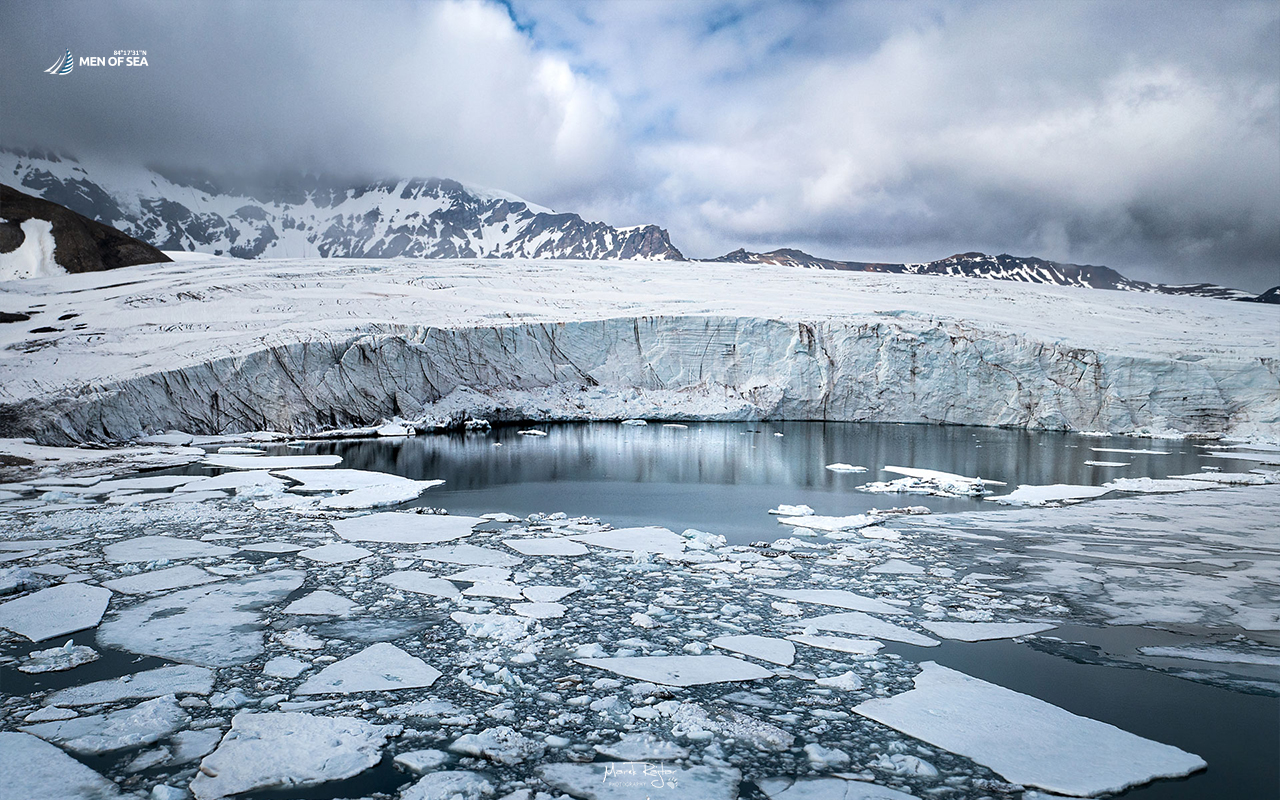
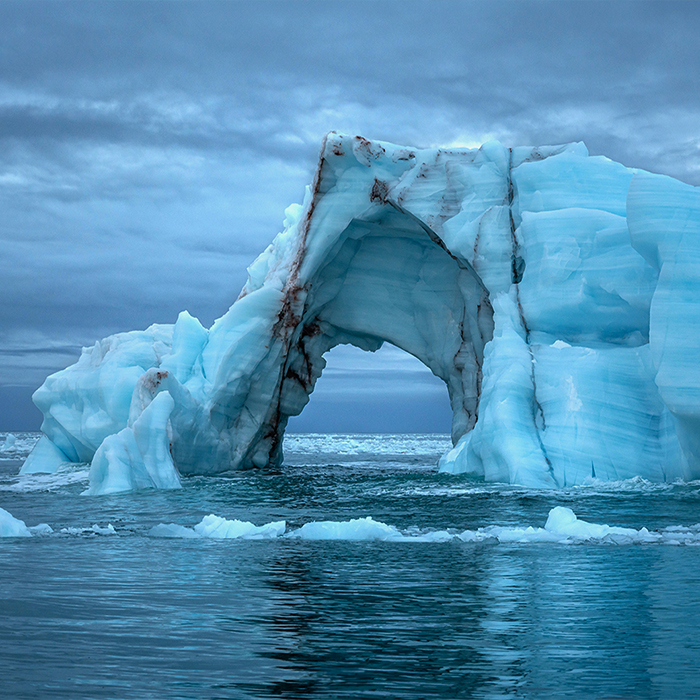
Next, we sail to one of the most picturesque places on Spitsbergen: Trygghamna. High mountains surrounding the fjord, beautiful glaciers and skerry islands all combine to create a unique end-of-the-world landscape. We will try to get as close as possible. The glacier is separated from the fjord by islands, creating an ice-filled lagoon in front of it, while large ice blocks often lie along the beach, almost inviting us to touch them.
The terrain here is extremely varied and lies along polar bear migration routes, so we must maintain the highest level of awareness.

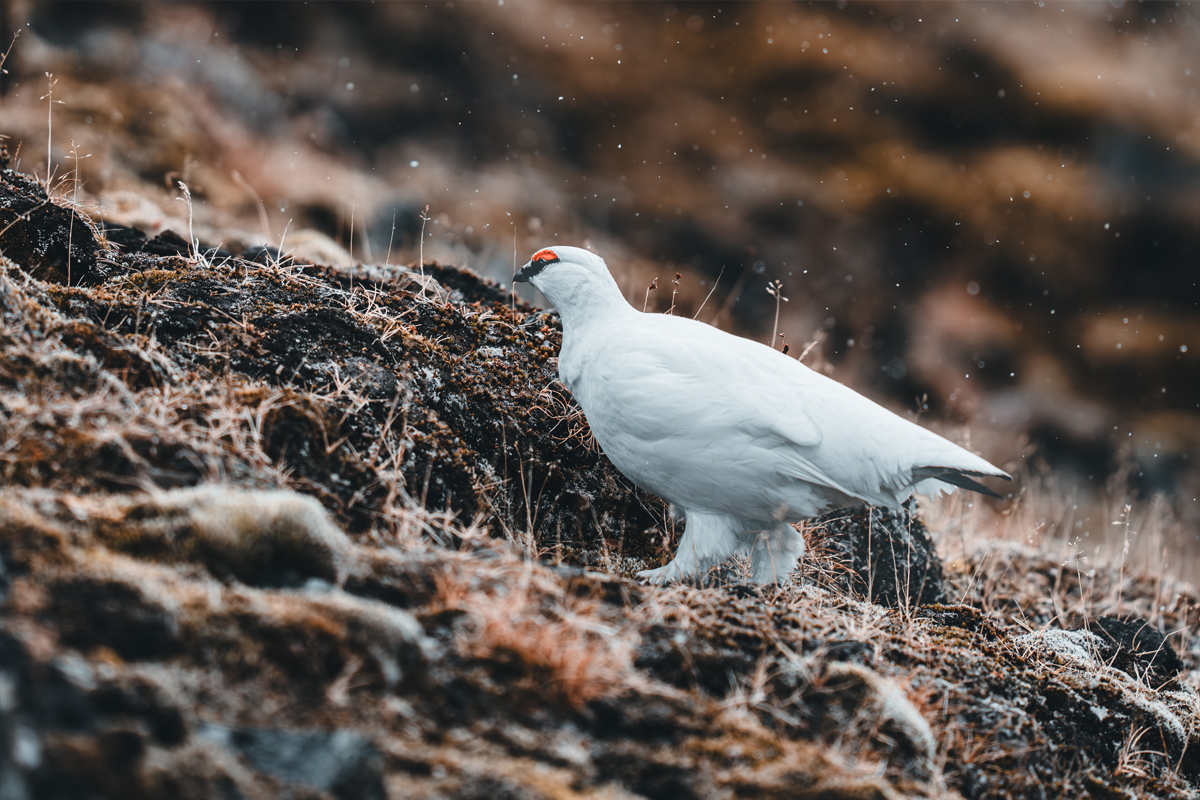
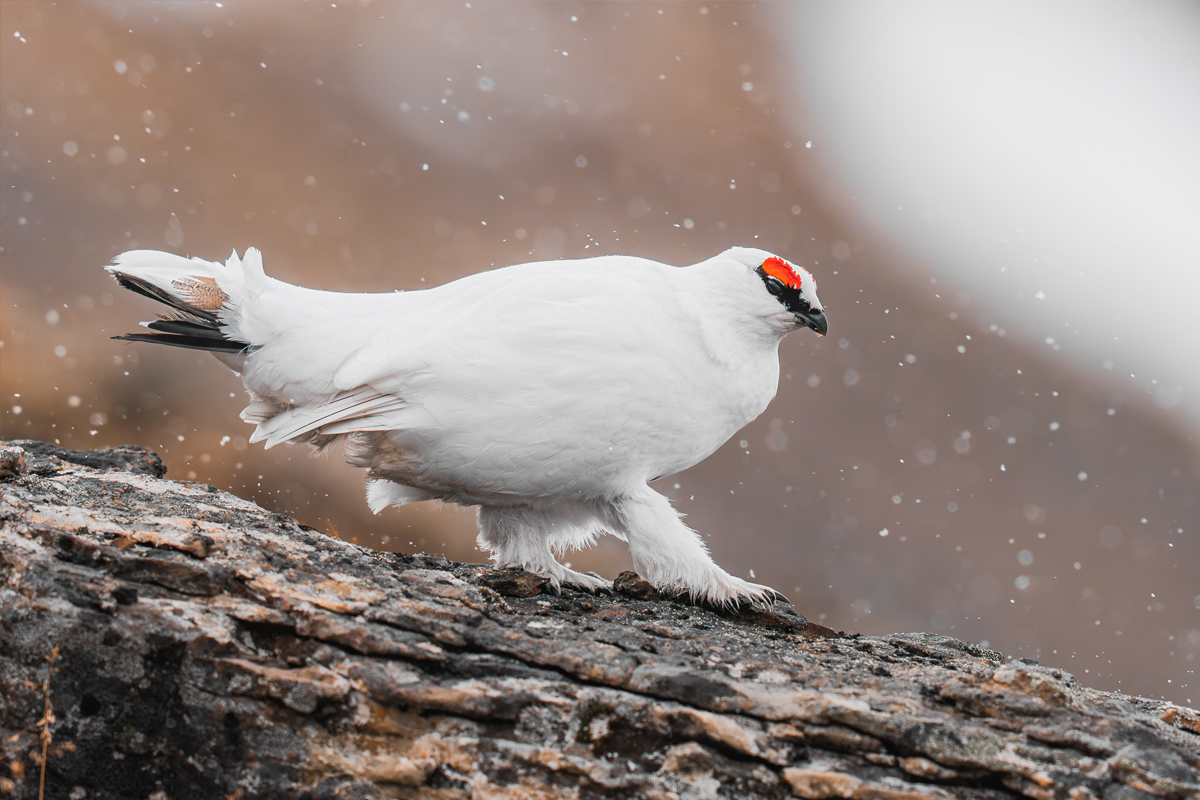
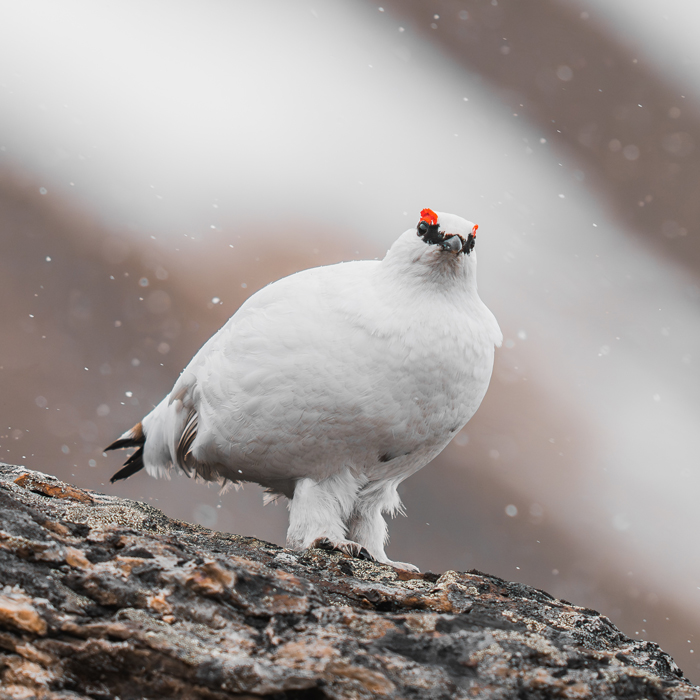
At some point during the voyage, we will also reach Barentsburg, where we will stop for a longer stay. Here we will search for Arctic foxes and the beautiful Arctic ptarmigan.

OPTIONAL PROGRAM:
If our journey so far does not bring the hoped-for wildlife encounters, we will leave Isfjorden and continue searching elsewhere. We will attempt to explore western and north-western Svalbard, carefully scanning additional coastlines and fjords. If conditions and opportunities allow, we may even reach the edge of the drifting ice fields.
Possibly via the Forlandsundet strait, we may head toward Ny-Ålesund, Kongsfjorden, or even farther north, passing places favoured by walrus colonies such as Poolepynten and Sarstangen.

Despite more than 10 years of experience in these waters, we are unable to predict exactly what the ice conditions will be during the expedition. Every year is different. Spring may arrive earlier or later, directly affecting the amount of sea ice inside the fjords. The pack ice surrounding Svalbard is also extremely dynamic and moves differently each year. We must adapt to the weather and ice conditions we encounter during the expedition.

We plan to return to Longyearbyen either late in the morning or around midday on the second-to-last day of the voyage, rest after the journey and enjoy a shared dinner in one of the town’s atmospheric restaurants.


+ -

Day 10: Longyearbyen


Longyearbyen

After breakfast on the final day, we pack our belongings and leave the yacht at 10:00 AM. Luggage may remain onboard while we use the remaining time to explore Longyearbyen (for example the excellent Svalbard Museum) or shop for souvenirs. It is a day of final walks, farewells and journeys home.


The above itinerary is only a framework. Its realization depends entirely on weather and ice conditions. The transition between winter and spring is a period when Arctic weather remains highly unpredictable. After all, we are at the northern edge of the world. The order of individual stages may change and be adapted to prevailing conditions and some points of the program may not be completed. Much depends on how quickly the fjords thaw and how deeply we can sail into them. This is, after all, the Arctic.
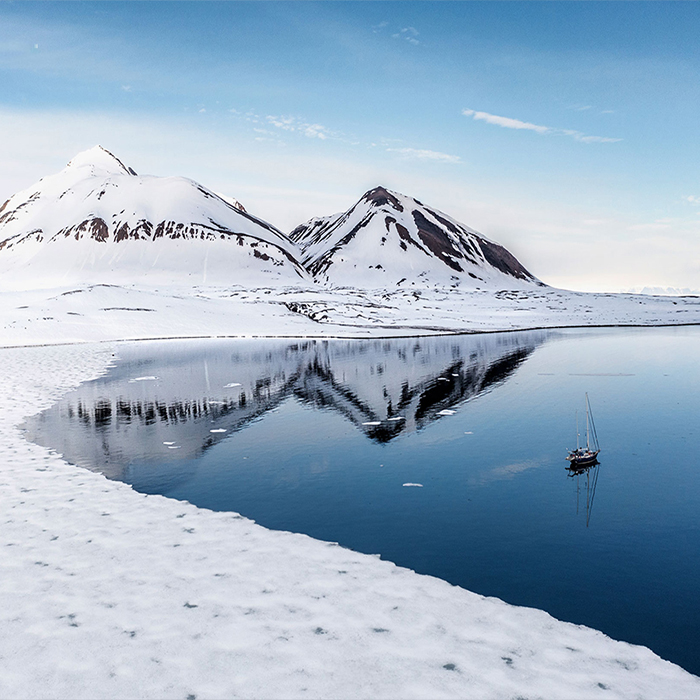
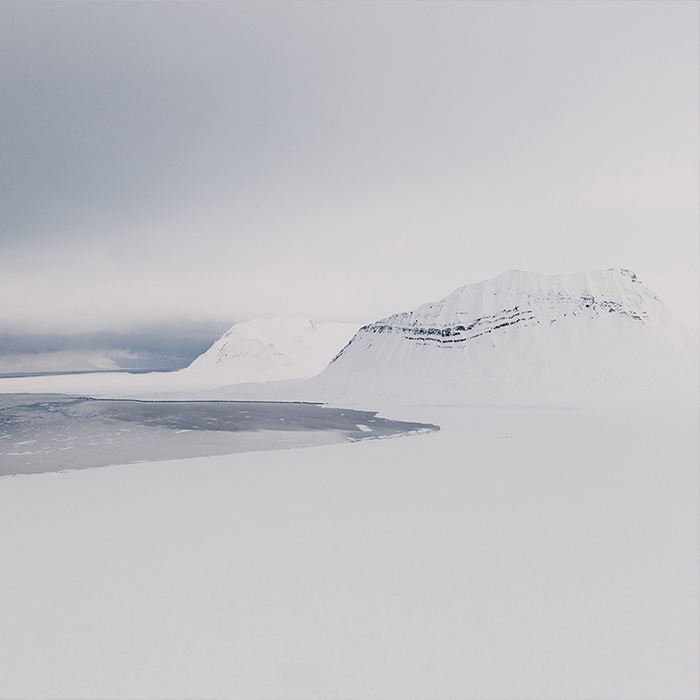
At the same time, the winter atmosphere of Spitsbergen offers magnificent snowy landscapes, large amounts of sea ice and therefore greater chances of encountering seals and the polar bears hunting them. By June, we already experience the midnight sun, where the distinction between day and night disappears completely.
Based on our experience, we can assure you that we will spend our time very intensively and will do everything possible to allow expedition participants to experience as many Arctic highlights as possible.


Map of the Trip


Trip Crew


Yacht of the Trip


Do you have any questions about the trip? Contact us!


Message sent!


3,200.00€


20/05/2027 - 29/05/2027


Do you have any questions about the trip? Write to us