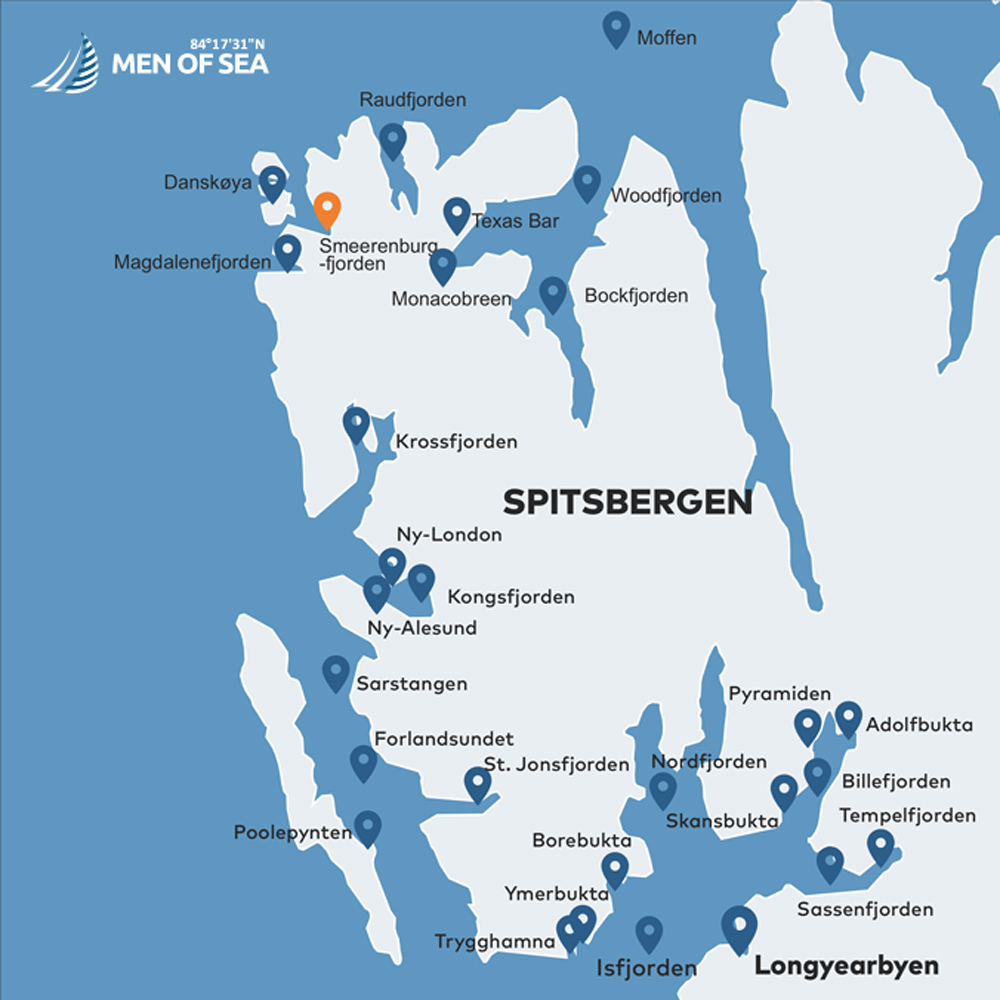
SMEREENBURGFJORDEN
A Strong Northern Scent
Smeerenburgfjorden in Spitsbergen: The Wild Face of the Northwest
Key Information about Smeerenburgfjorden (TL;DR):
Location: Northwestern part of Spitsbergen, shaped by raw alpine forms and massive glaciers.
Main Waters: Smeerenburgfjorden and the adjacent Bjørnfjorden.
History: Danskøya island (Virgohamna) was the starting point of S.A. Andrée’s tragic 1897 balloon expedition. Amsterdamøya hosted a famous 17th-century whaling settlement.
Wildlife: The area is abundant in polar bears, walruses (beach colonies), seals, and exceptionally resilient Svalbard reindeer.
Sailing: The last solid land before the North Pole; the place where electronic navigation charts end, with the 80th parallel just 12 nautical miles away.
Alpine Landscapes of Northwestern Spitsbergen
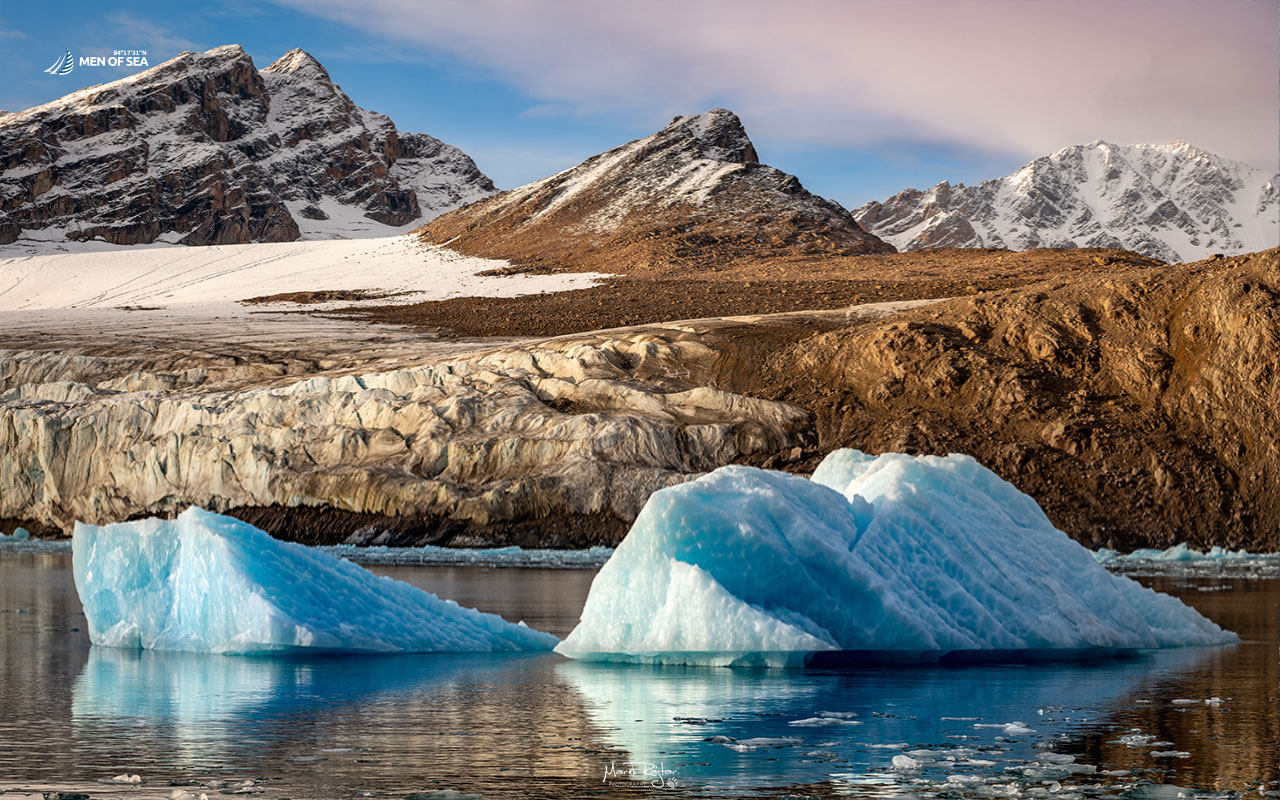
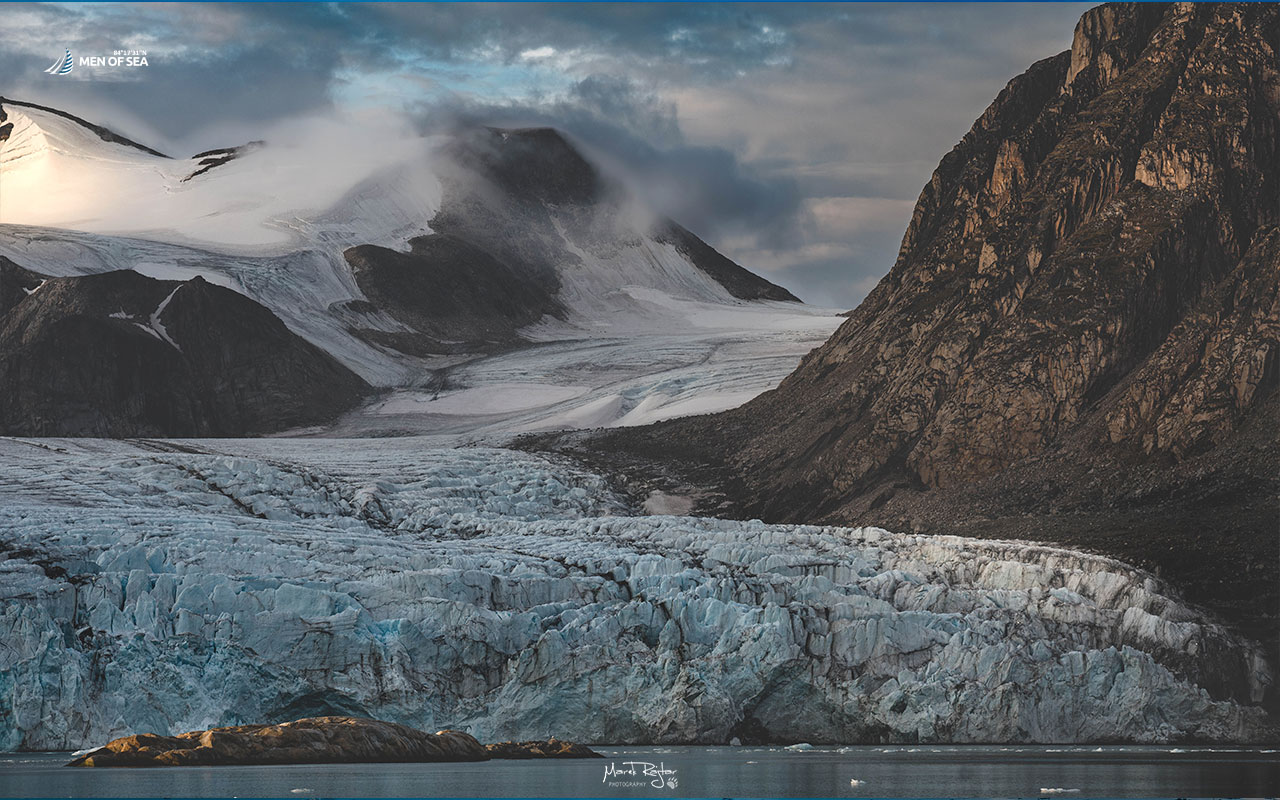
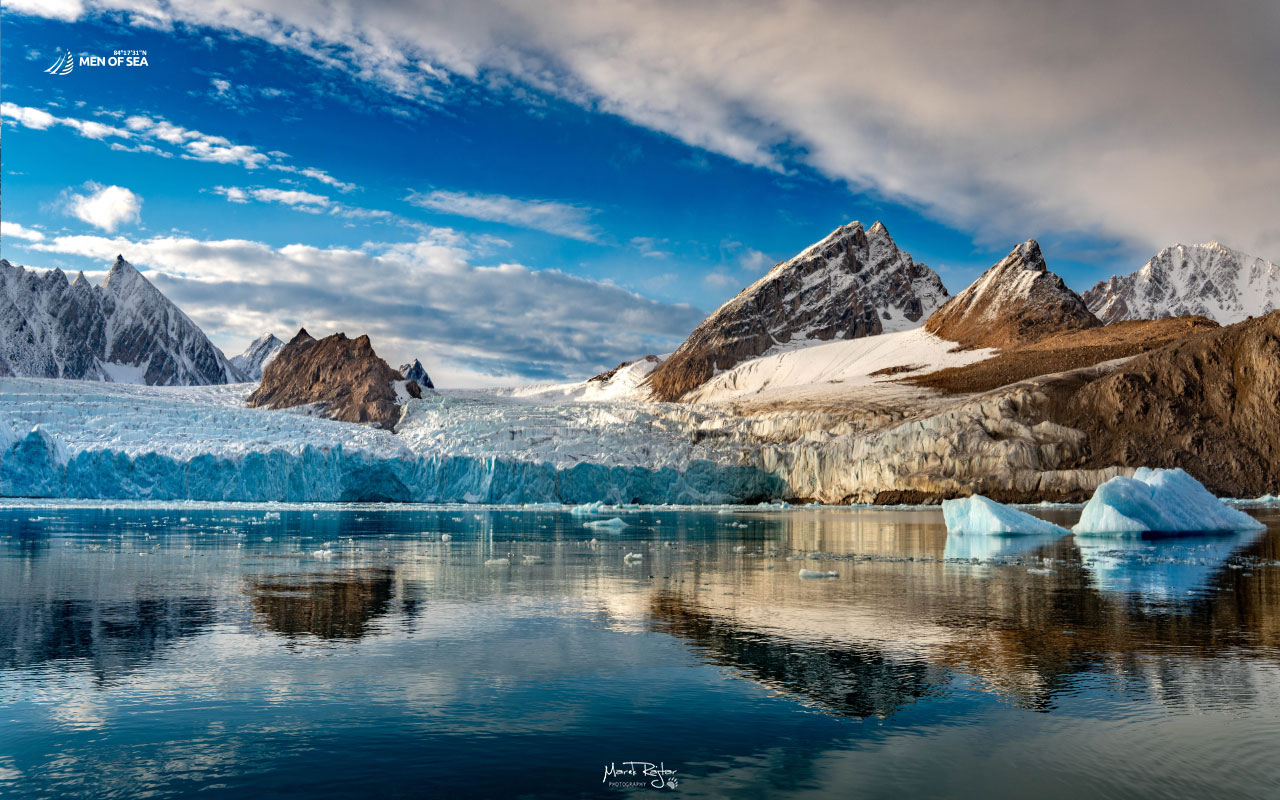
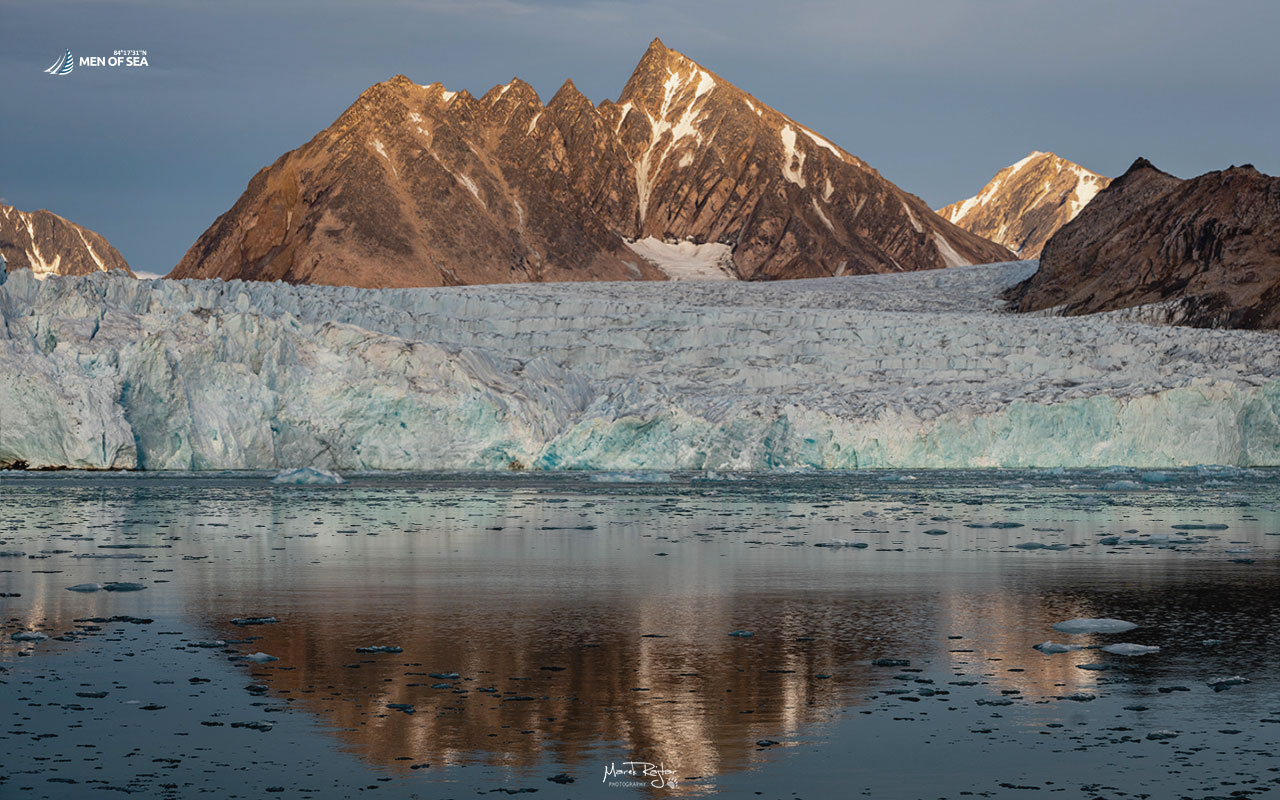
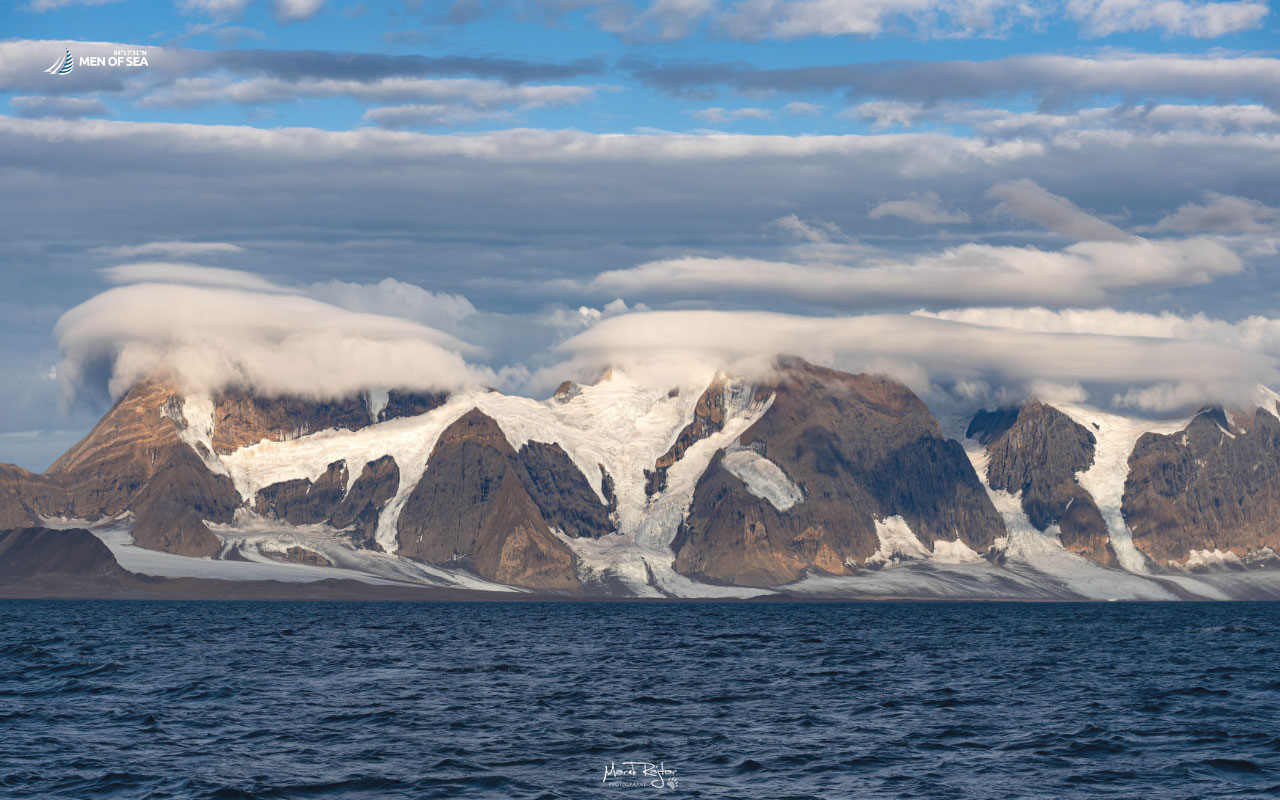
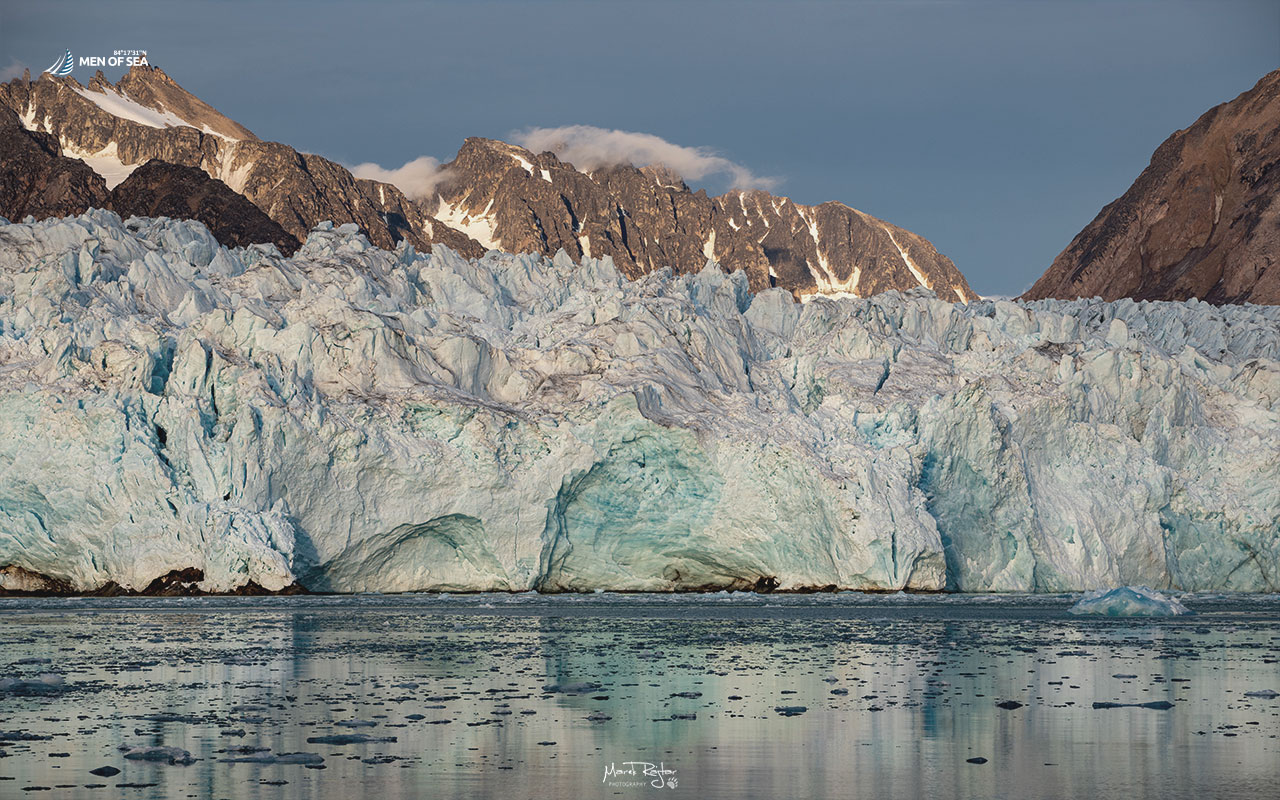
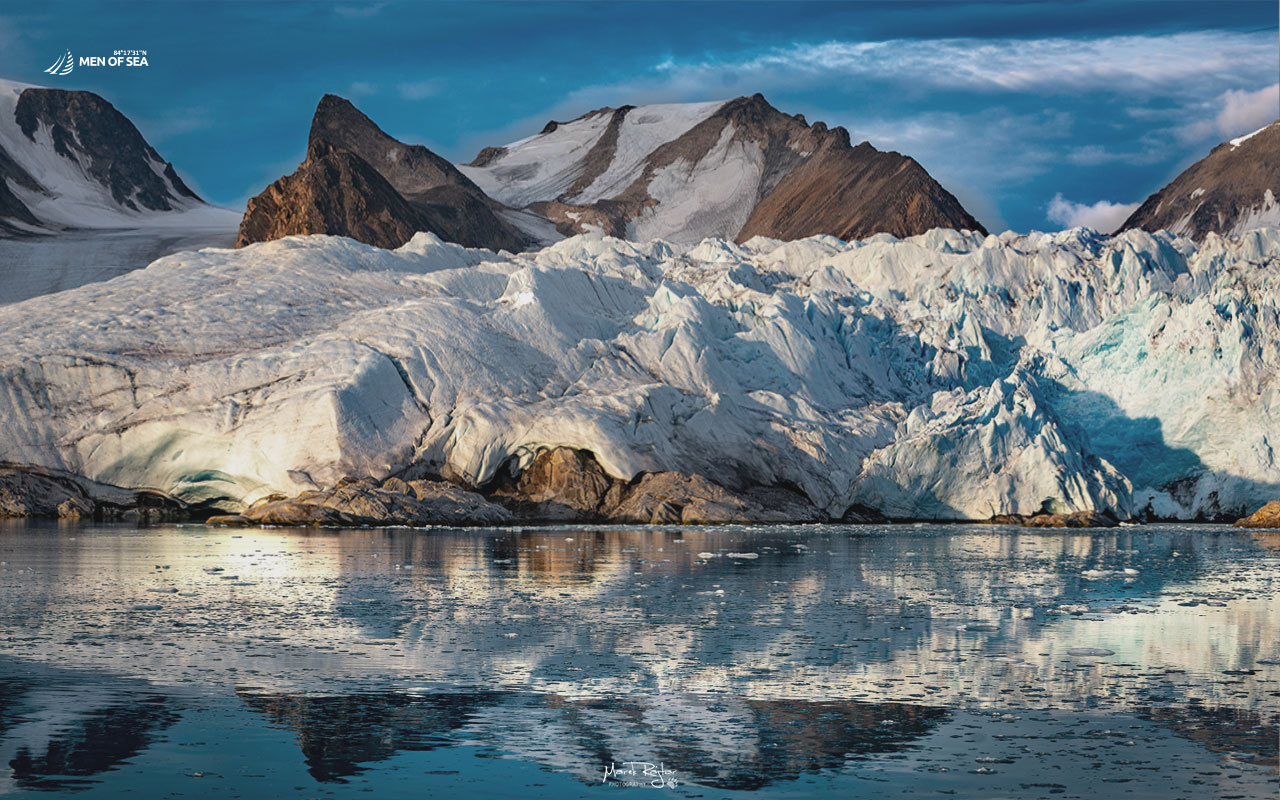
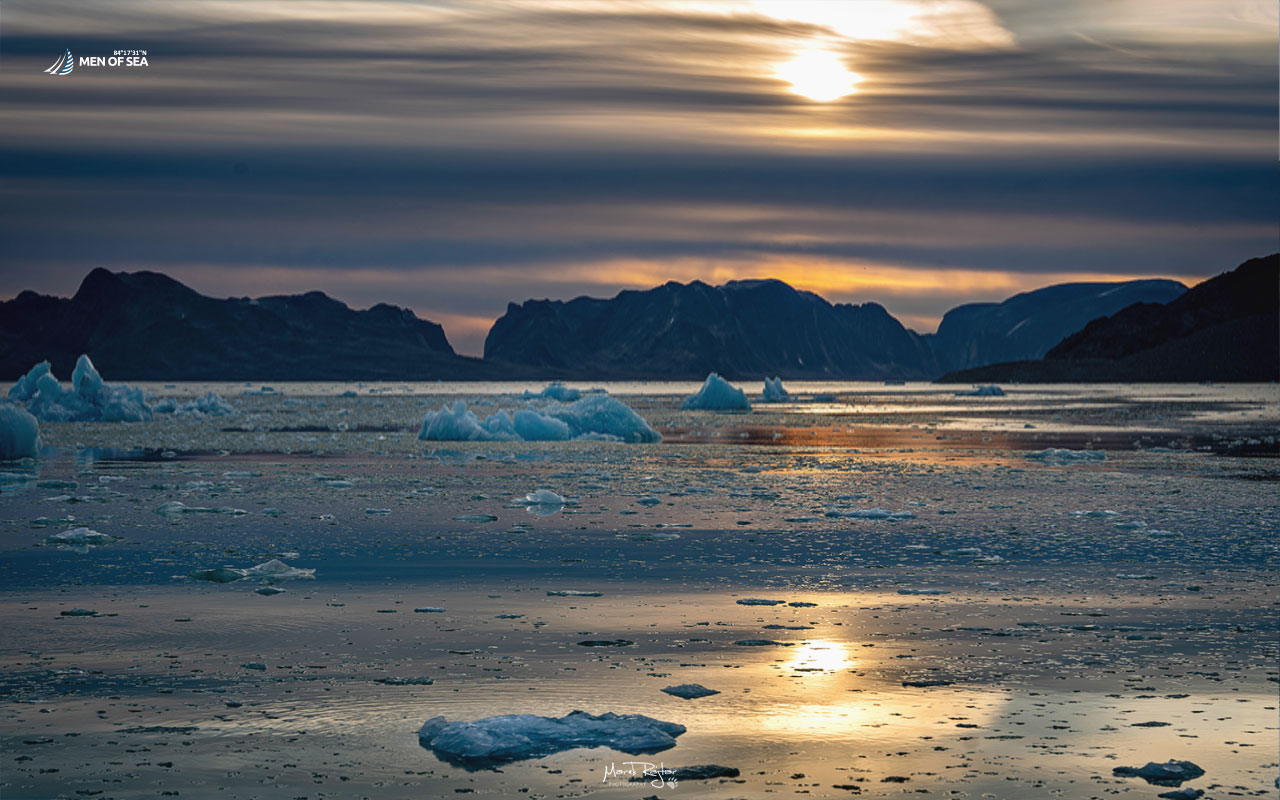
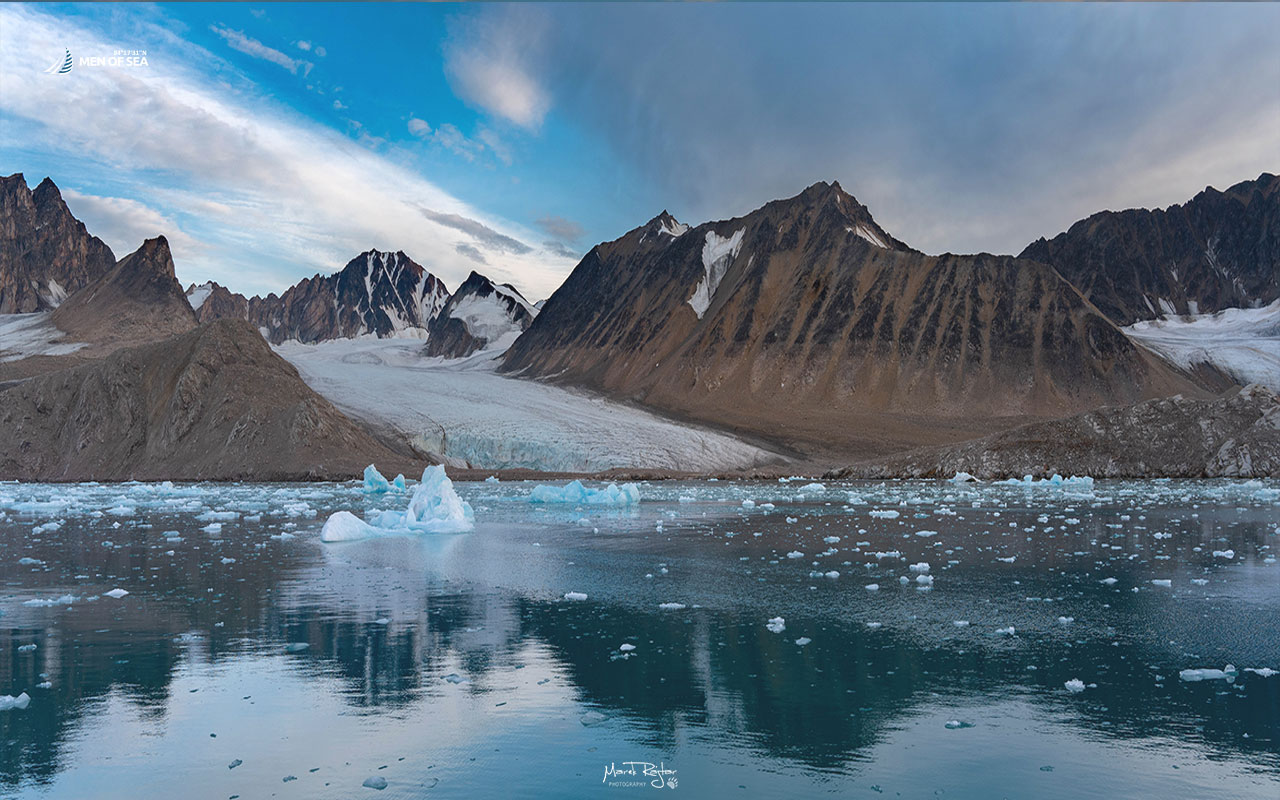
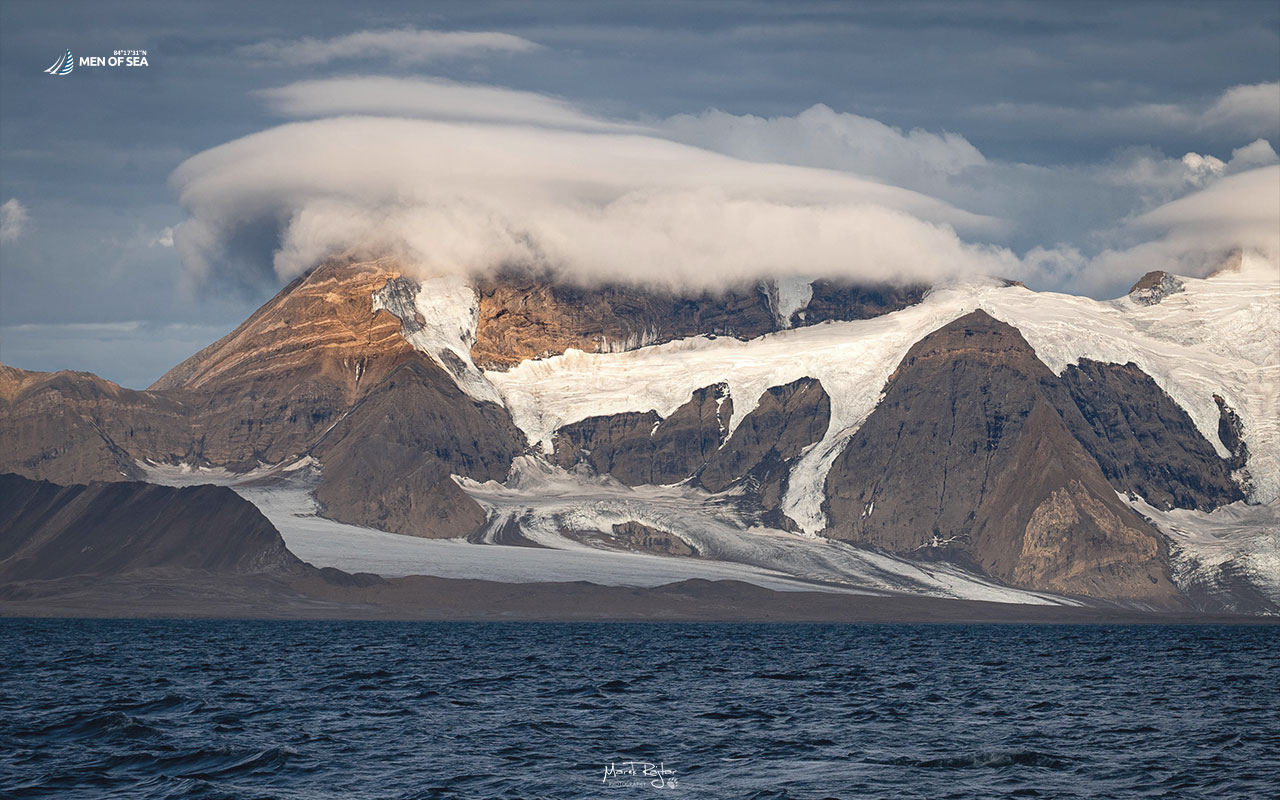
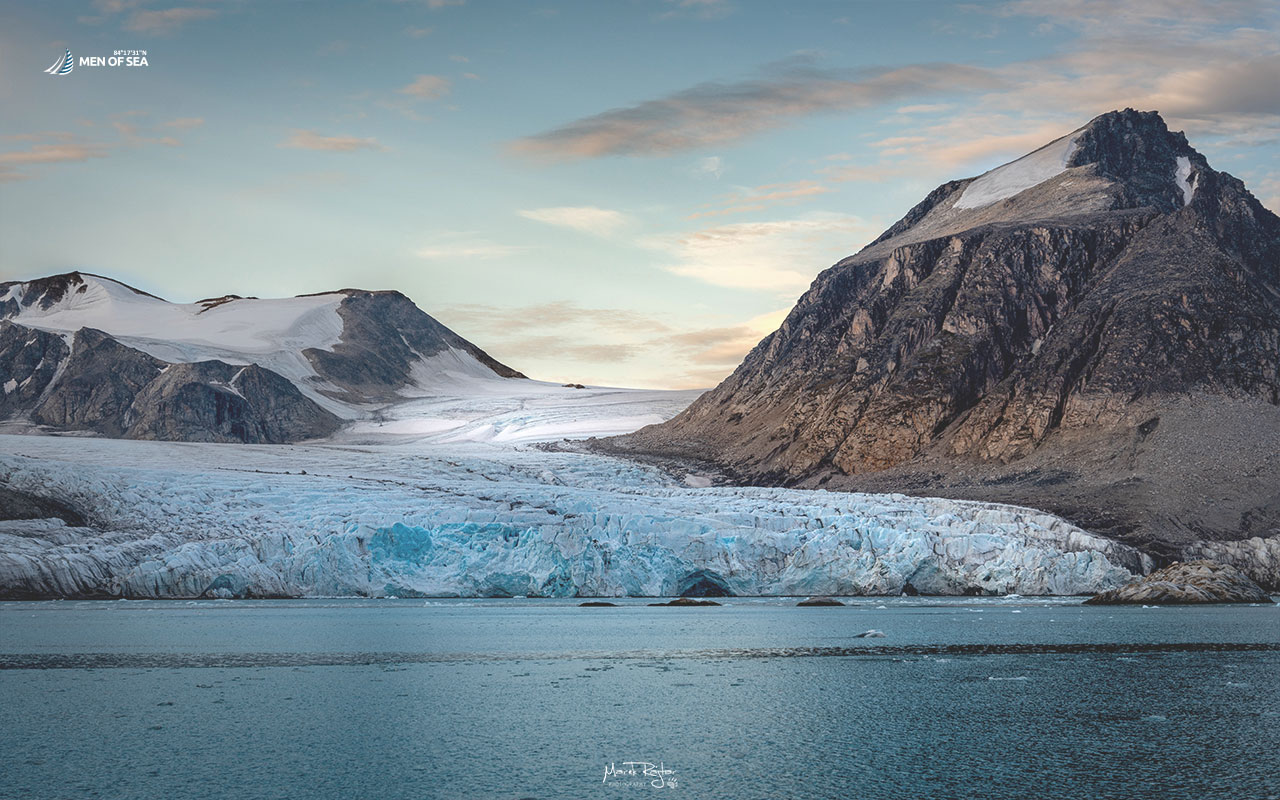
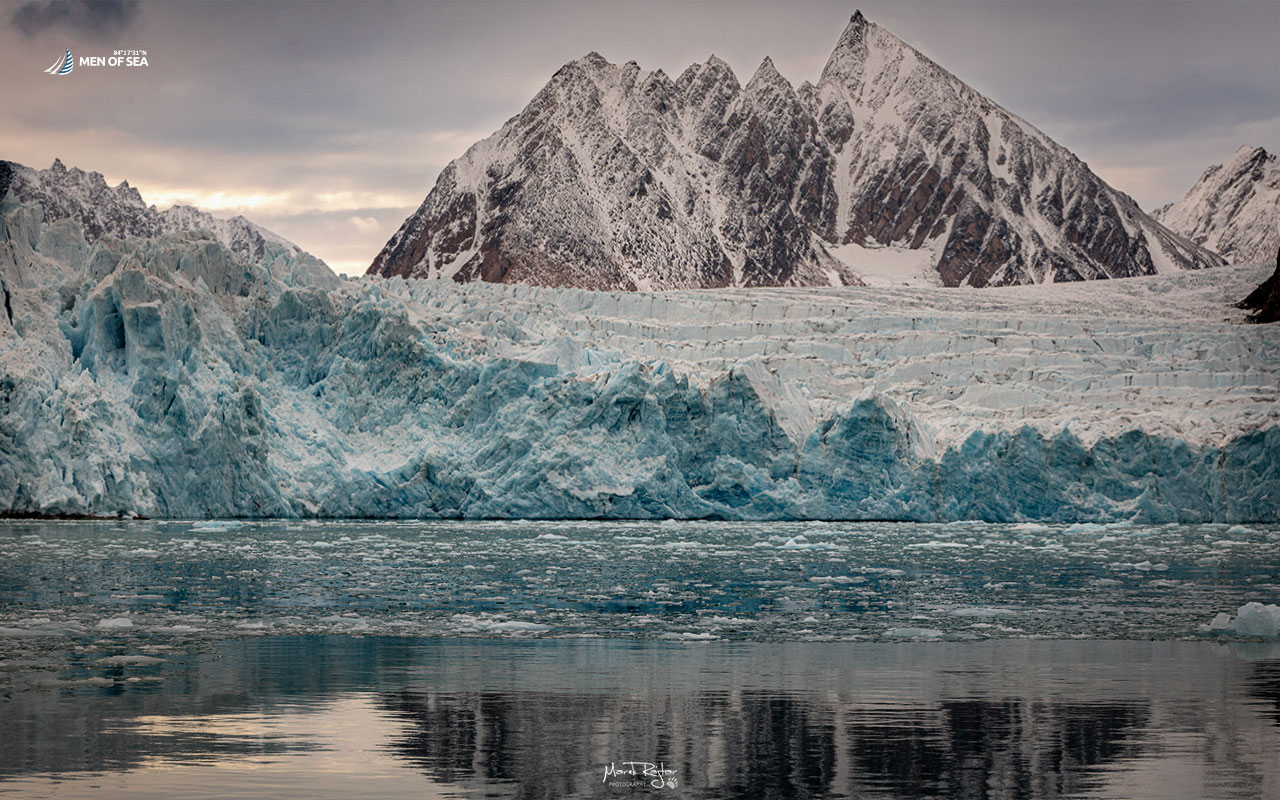
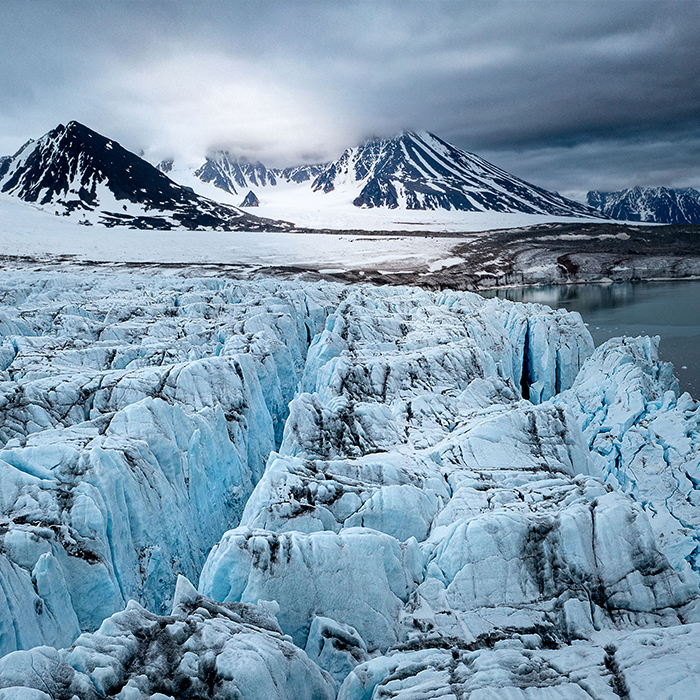
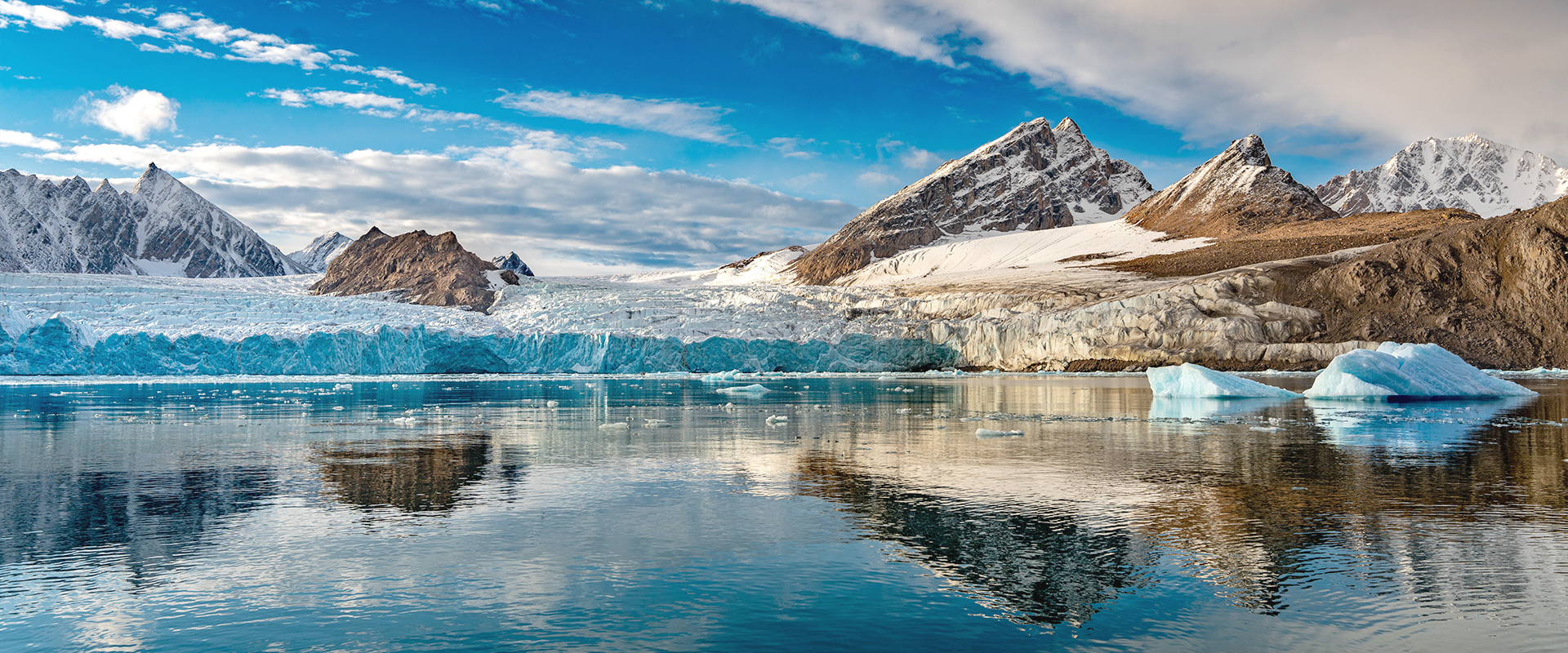
The northwestern part of Spitsbergen features incredibly interesting and rugged terrain. It consists of a labyrinth of fjords, over a dozen islands, and numerous massive glaciers. Intensive, centuries-old ice activity has carved out sharp alpine forms, making the local landscape not only varied but also breathtakingly beautiful.
The heart of this fascinating area is Smeerenburgfjorden, along with the adjacent Bjørnfjorden, surrounded by numerous picturesque bays and straits.
In the Footsteps of Whalers and a Tragic Balloon Expedition
Smeerenburgfjorden is a place that uniquely combines scenic values with the chilling stories of Arctic explorers.
It is here, on the island of Danskøya, that Virgohamna bay is located. In 1897, the Swedish explorer Salomon August Andrée and his two companions set off from here on a bold but ultimately tragic balloon expedition aimed at conquering the North Pole. Meanwhile, on the nearby island of Amsterdamøya, a famous whaling settlement was established as early as the 17th century. A dark yet historically significant reminder of those times is Cape Likneset, where an old whalers’ cemetery is still located today.
“Bear Fjord” and Resilient Arctic Wildlife
This region of Svalbard is abundant in wildlife, and many of its areas are protected as strict nature reserves. There are beaches here that serve as homes to walrus colonies. The proximity of the pack ice to the north means the presence of seals, which in turn attract the Arctic’s apex predators—polar bears.
Bears are spotted here very frequently, especially around Danskøya island. One year, when the sea washed a whale carcass onto the local beach, several bears fed there continuously for a few days. It is no coincidence that the Swedish zoologist Karl Wilhelm Samuel named the inner branch of Smeerenburgfjorden Bjørnfjorden, which literally translates to “Bear Fjord”.
To the surprise of many observers, Svalbard reindeer are also present here. Although the local terrain is flat and the vegetation extremely sparse, these hoofed mammals manage to survive and thrive even in such extremely unfavorable conditions.
A Sailing Challenge: The End of Electronic Charts and the 80th Parallel
The surroundings of Smeerenburgfjorden represent the last solid land on the maritime route toward the North Pole. This is exactly where a true, raw sailing adventure begins.
In the upper part of the fjord, popular electronic marine charts come to an end. From this point on, yacht crews must rely entirely on traditional navigation methods and their own experience. From here, only 12 nautical miles north separate you from crossing the 80th parallel north (80°N)—a magical geographical boundary that only a handful of people in the world can boast of crossing.
Frequently Asked Questions (FAQ) – Smeerenburgfjorden
What is Danskøya island and Virgohamna bay famous for?
It was from Virgohamna on Danskøya island that Salomon August Andrée’s famous and tragic 1897 balloon expedition set off in an attempt to reach the North Pole.
Why is it called Bjørnfjorden?
The name Bjørnfjorden translates to “Bear Fjord.” It was named by the Swedish zoologist Karl Wilhelm Samuel due to the highly frequent presence of polar bears in this area, hunting seals and feeding on carcasses washed ashore by the sea.
Why is navigation in Smeerenburgfjorden a challenge?
In the upper (northern) part of this area, the coverage of popular electronic marine charts ends. This forces yacht captains to switch to traditional navigation techniques in a difficult, ice-studded Arctic terrain.