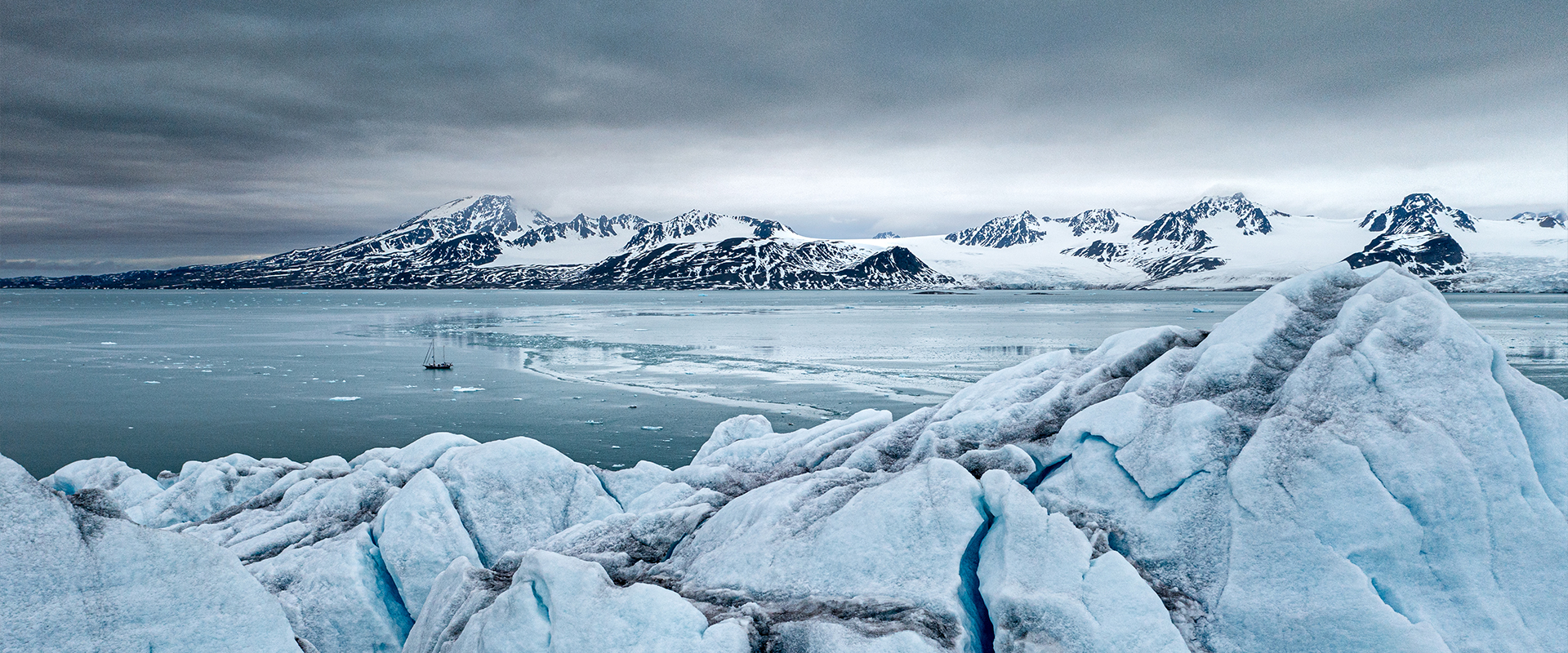
KROSSFJORDEN
German U-Boat Bay.
Krossfjorden in Spitsbergen: The Power of Ice and World War II Secrets
Key Information about Krossfjorden:
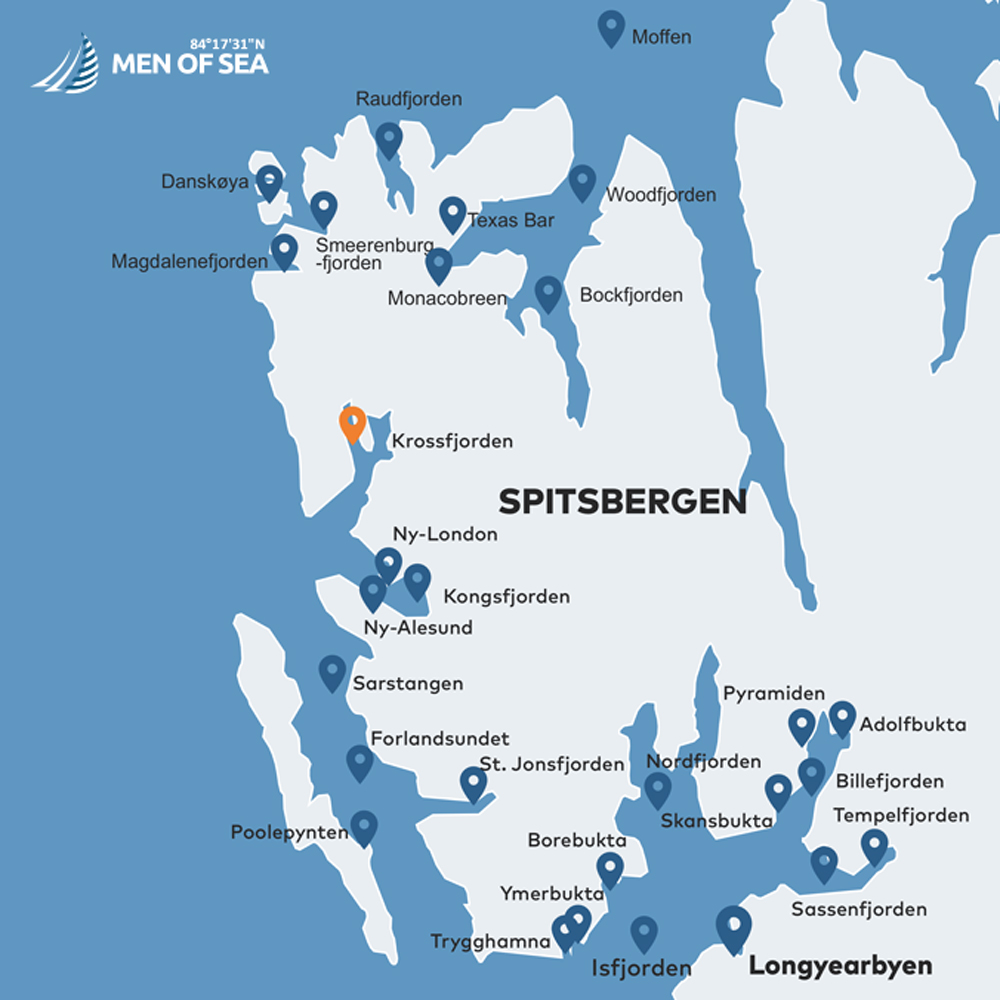
Location: Northwestern part of Spitsbergen. It shares a common entrance with its twin fjord, Kongsfjorden.
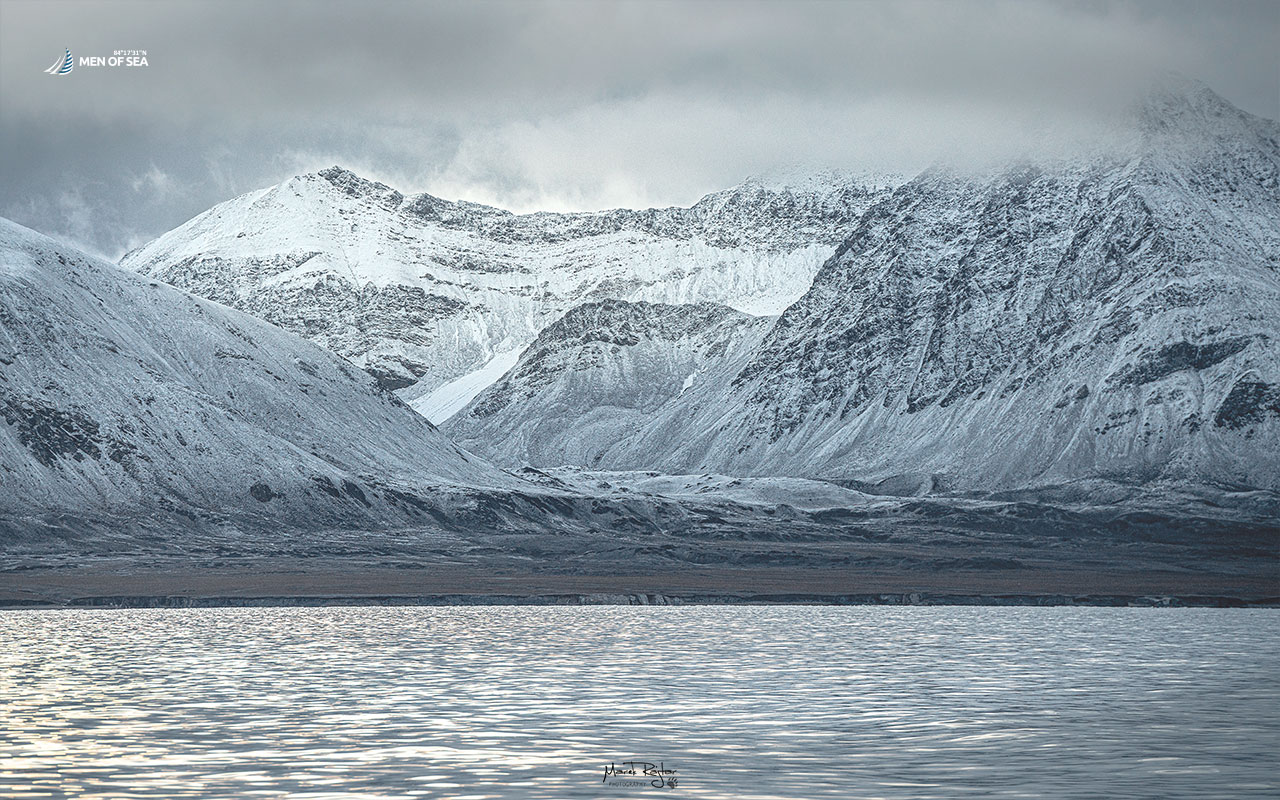
Landscape: A fjord 30 km long and about 5 km wide, surrounded by steep mountains reaching 800–1,000 meters.
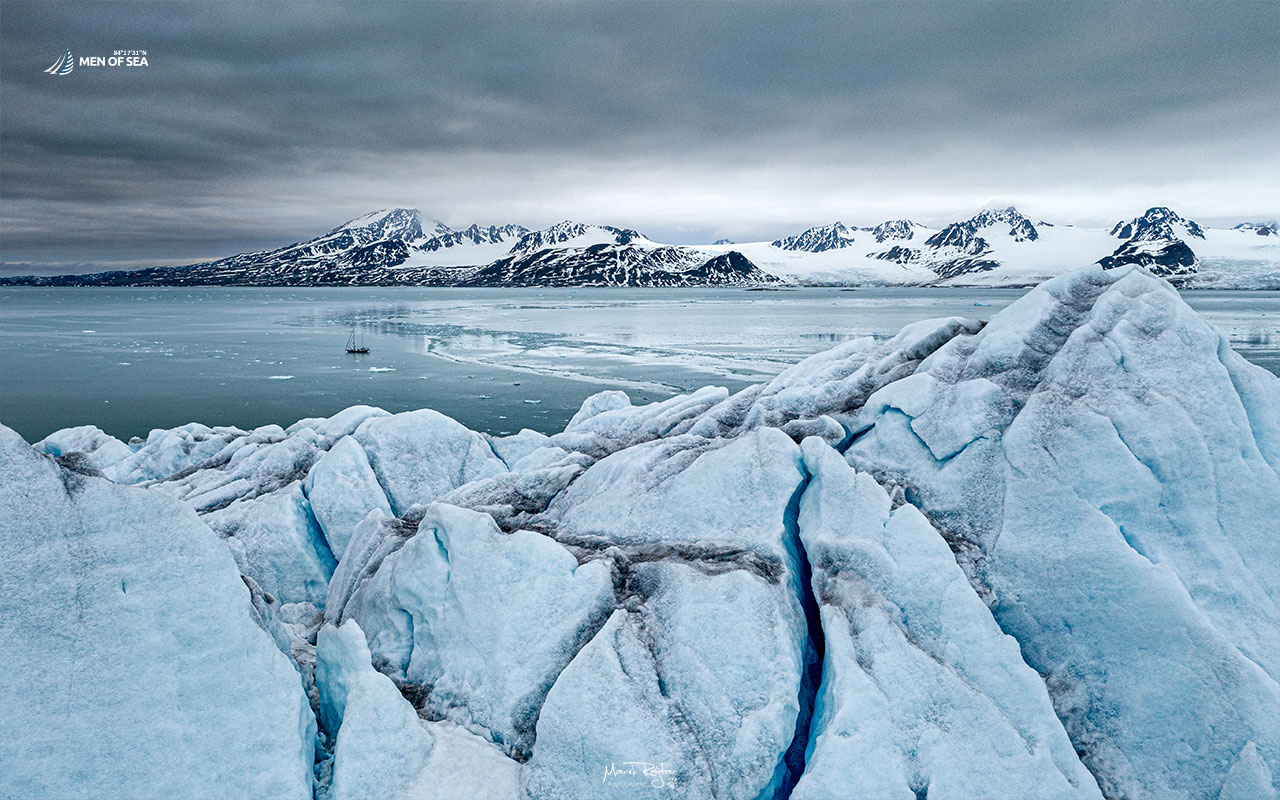
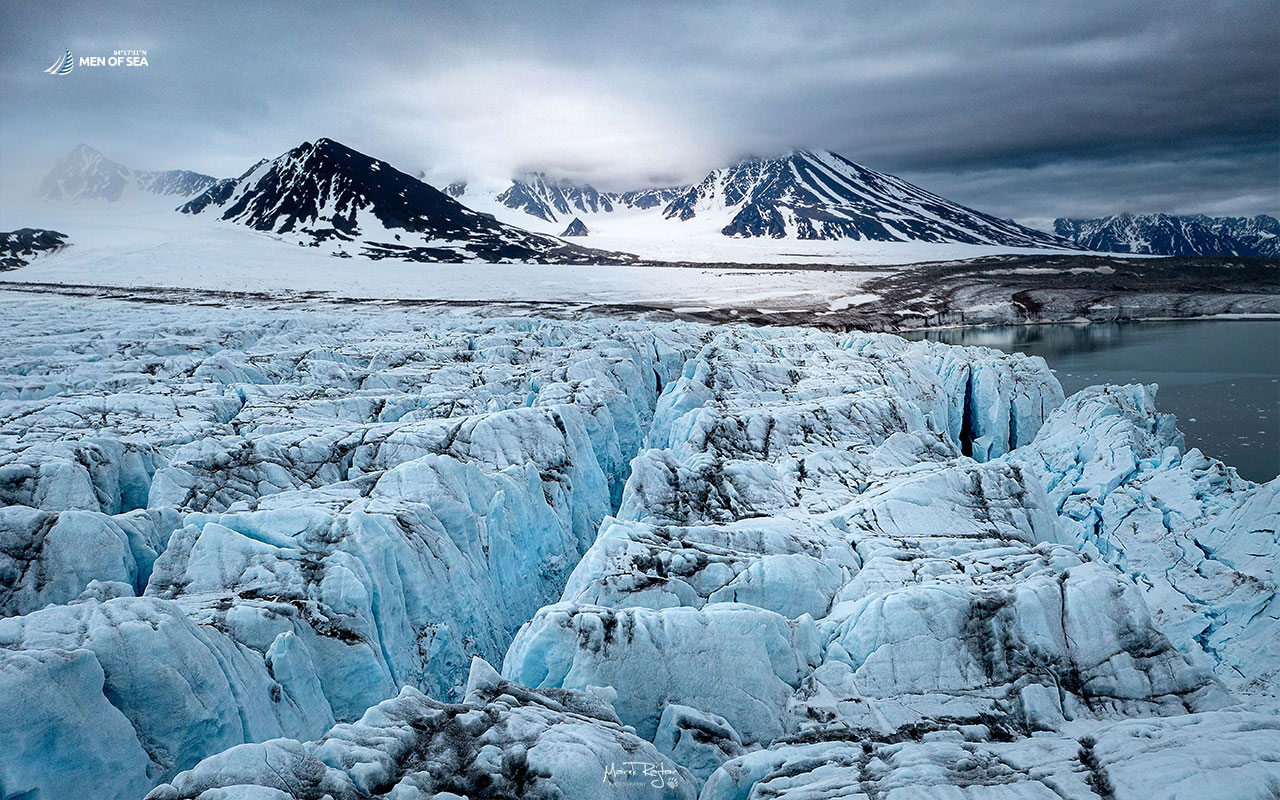
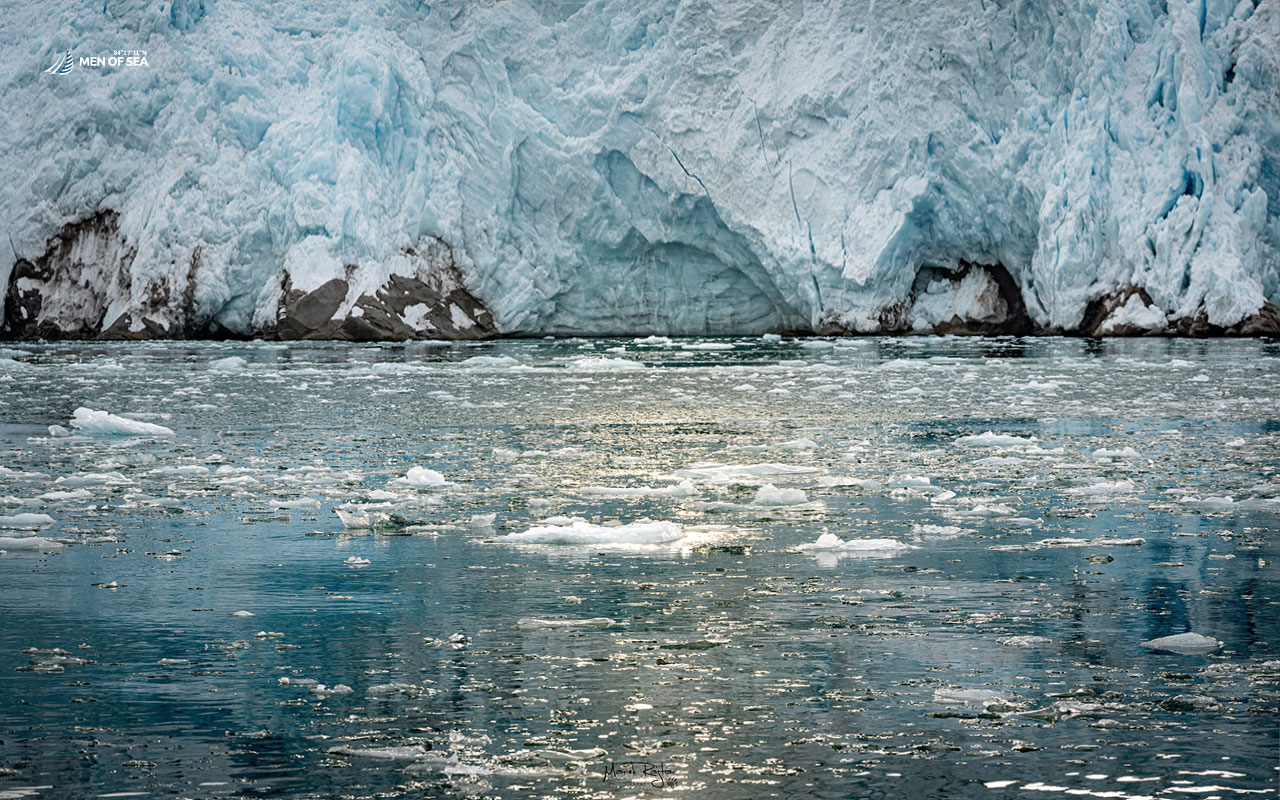
Main Glacier: Lilliehöökbreen – an impressive, highly active calving glacier with a front spanning 11 kilometers.
History (Signehamna): The site of Norwegian-German skirmishes during World War II and the location of a secret German weather station.
Mysteries: Rumors still circulate today about hidden underwater caves built for military submarines in Svalbard.
Majestic Landscapes of the Twin Fjord
Krossfjorden, located in the northwestern part of Spitsbergen, is often referred to as the twin fjord to the famous Kongsfjorden—both bodies of water share the same wide entrance from the ocean. Stretching northwards, this 30-kilometer-long and 5-kilometer-wide fjord is a place of outstanding scenic beauty.
Its shores are mostly formed by steep, almost vertical mountain walls rising to 800 meters, with the highest surrounding peaks exceeding 1,000 meters in altitude. In its northern section, Krossfjorden branches out, divided by the narrow, 12-kilometer-long mountain range of Kong Haakons Halvøy. This peninsula splits the water into two smaller, equally picturesque fjords: Lilliehöökfjorden and Möllerfjorden.
Lilliehöökbreen: The Breathtaking Ice Giant
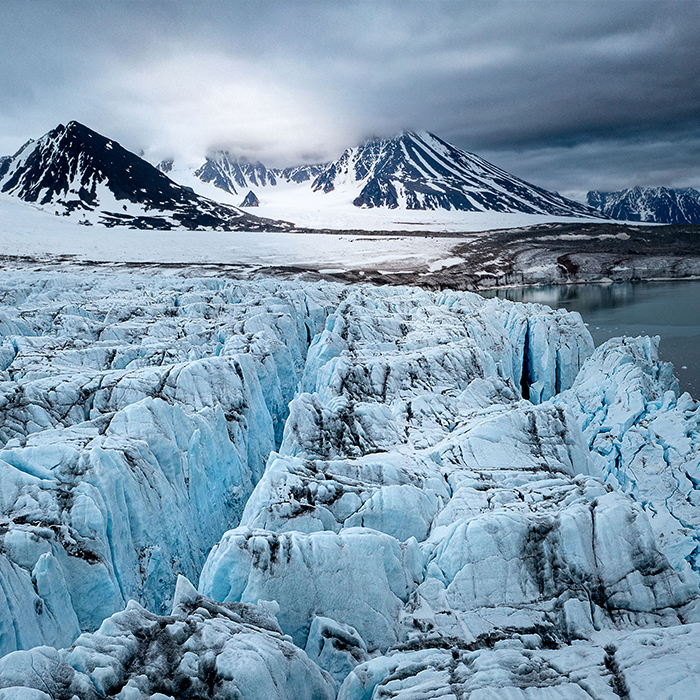
Svalbard is famous for its glaciers, and Krossfjorden is exceptionally blessed by nature in this regard. Several glaciers flow into the fjord here, but the undisputed king of the area is Lilliehöökbreen.
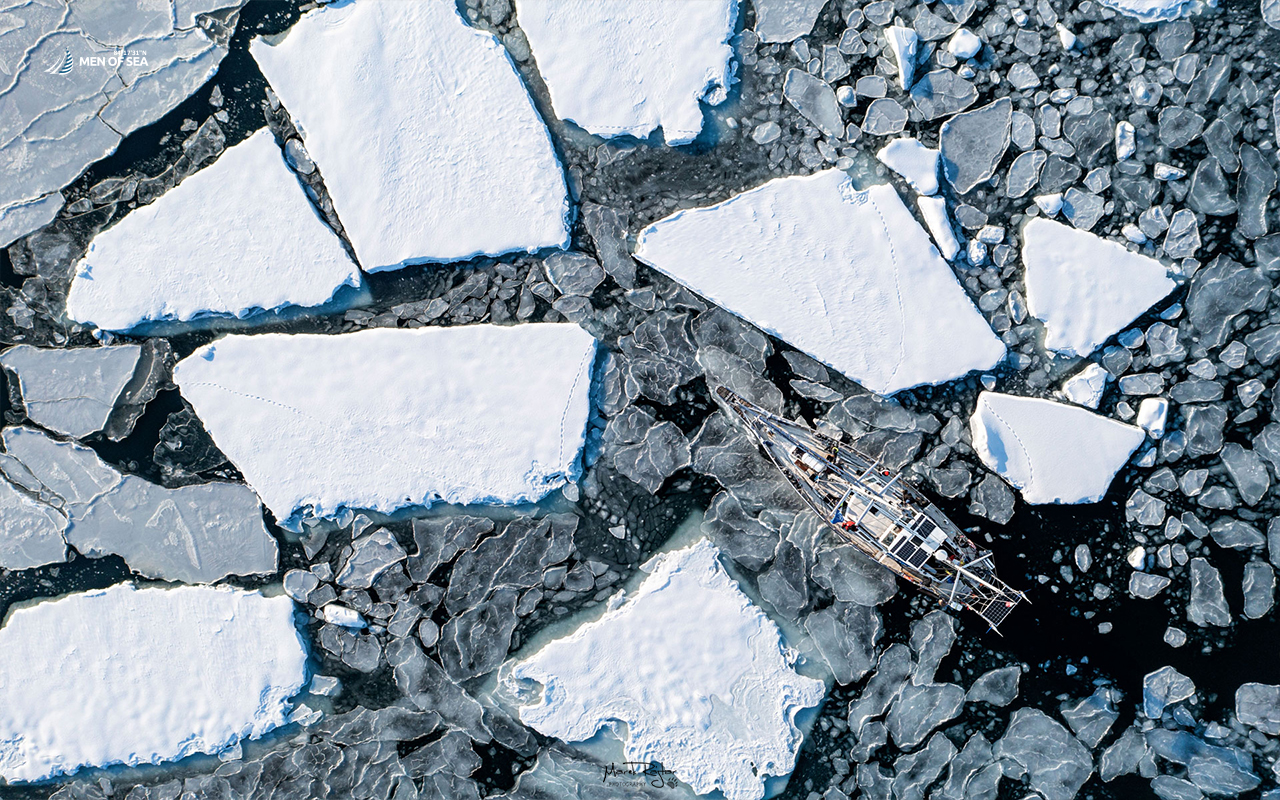
This massive glacier boasts a front with a staggering width of 11 kilometers, shaped much like a giant semicircle. Its sheer height and structure never fail to leave a lasting impression on observers. Moreover, Lilliehöökbreen is a highly active glacier. The phenomenon of calving—where gigantic blocks of ice tear away and crash into the sea with a thunderous roar—is an everyday occurrence here. Navigating a yacht through the dense pack ice near the front of this giant is one of the most unforgettable experiences of any Arctic voyage.
Signehamna and the War Secrets of the Arctic
Krossfjorden is not just about raw nature; it also harbors a fascinating, sometimes dark history. The small bay of Signehamna was the site of direct armed clashes between Norwegian and German forces during World War II.
The Germans established a secret weather station here. Facilities like this, scattered across the Arctic, allowed them to be the first to develop accurate weather forecasts for large areas, giving the Third Reich’s fleet a massive strategic advantage in naval battles fought in the North Sea. One of the most dramatic episodes in Signehamna’s history involved a German submarine (U-boat) sailing into the bay and sinking a stationed Norwegian ship.
These echoes of war live on today, fueling local legends. Among sailors and history enthusiasts, intriguing rumors still circulate suggesting that massive, hidden caves carved into the rocks of Spitsbergen exist to this day, originally designed to shelter military submarines.
Krossfjorden on Our Expedition Route
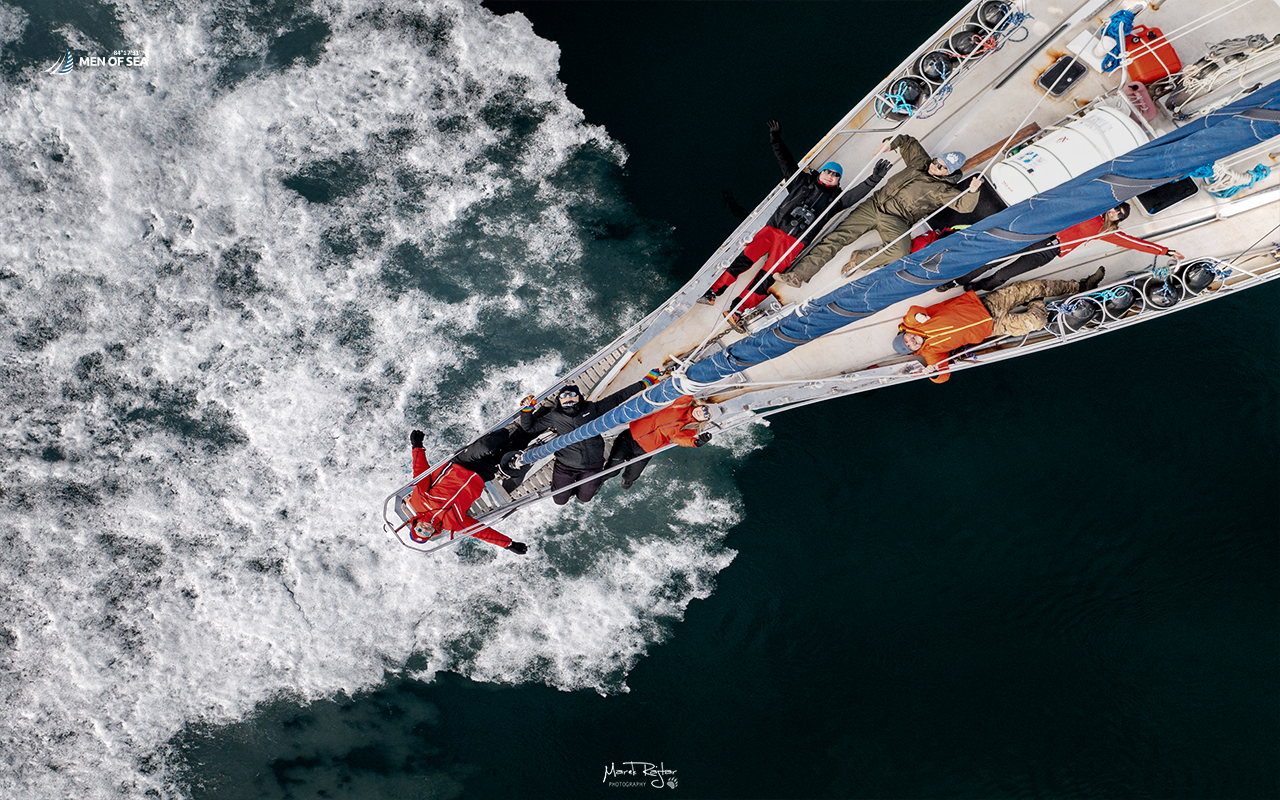
Exploring Krossfjorden is a permanent and highly anticipated highlight of our Svalbard expeditions. During our voyages, we sail deep into the fjord, and if the drifting ice fields allow, we aim to get as close as safely possible to the imposing front of the Lilliehöökbreen glacier. We also frequently drop anchor in the historic bay of Signehamna, planning longer stops that allow our crews to go ashore and feel the echoes of World War II etched into the raw Arctic tundra.
Frequently Asked Questions (FAQ) – Krossfjorden
Where is Krossfjorden and which fjord is it connected to?
Krossfjorden is located in the northwestern part of Spitsbergen. It shares a wide, common ocean entrance with its famous “twin”—Kongsfjorden.
What is the largest glacier in Krossfjorden?
The largest glacier in this region is Lilliehöökbreen. Its massive front forms a semicircle stretching an incredible 11 kilometers wide. It is highly active, regularly shedding enormous blocks of ice into the water.
What happened in Signehamna bay during World War II?
In Signehamna, the Germans established a secret meteorological station that provided them with a tactical advantage in the North Sea. The bay was also a site of armed conflict—most notably, it was here that a German submarine sank a Norwegian vessel.