WOODFJORDEN
A Fiord Rich in Driftwood
What is Woodfjorden and Where Does Its Name Come From?
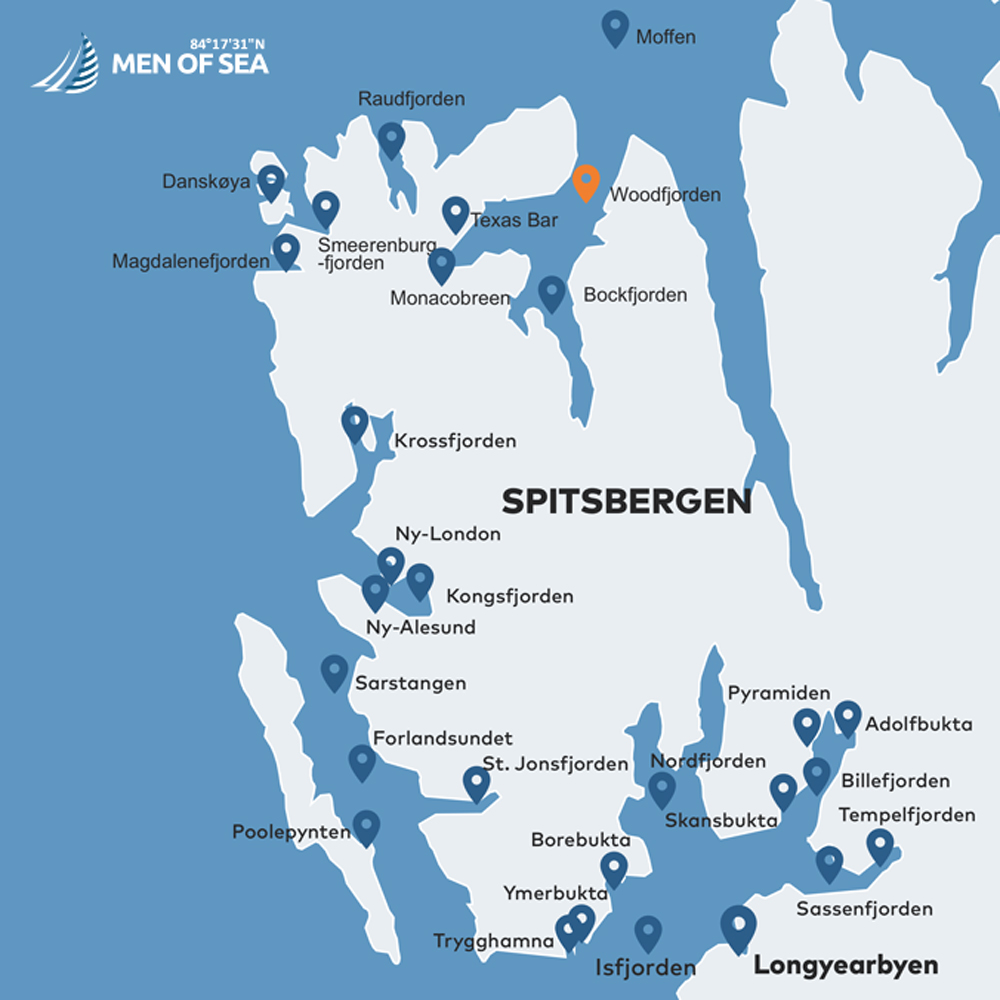
Woodfjorden is one of the most picturesque and characteristic fjords in northern Spitsbergen. Stretching 65 kilometers in length, this body of water invites sailing and expedition exploration with its wide northern entrance.
Where does the fjord’s name come from? “Woodfjorden” literally refers to the large amounts of valuable driftwood washed ashore by the sea. In the harsh, treeless Arctic climate, tree trunks carried by ocean currents from Siberian rivers served as an invaluable resource for early explorers and hunters arriving here.
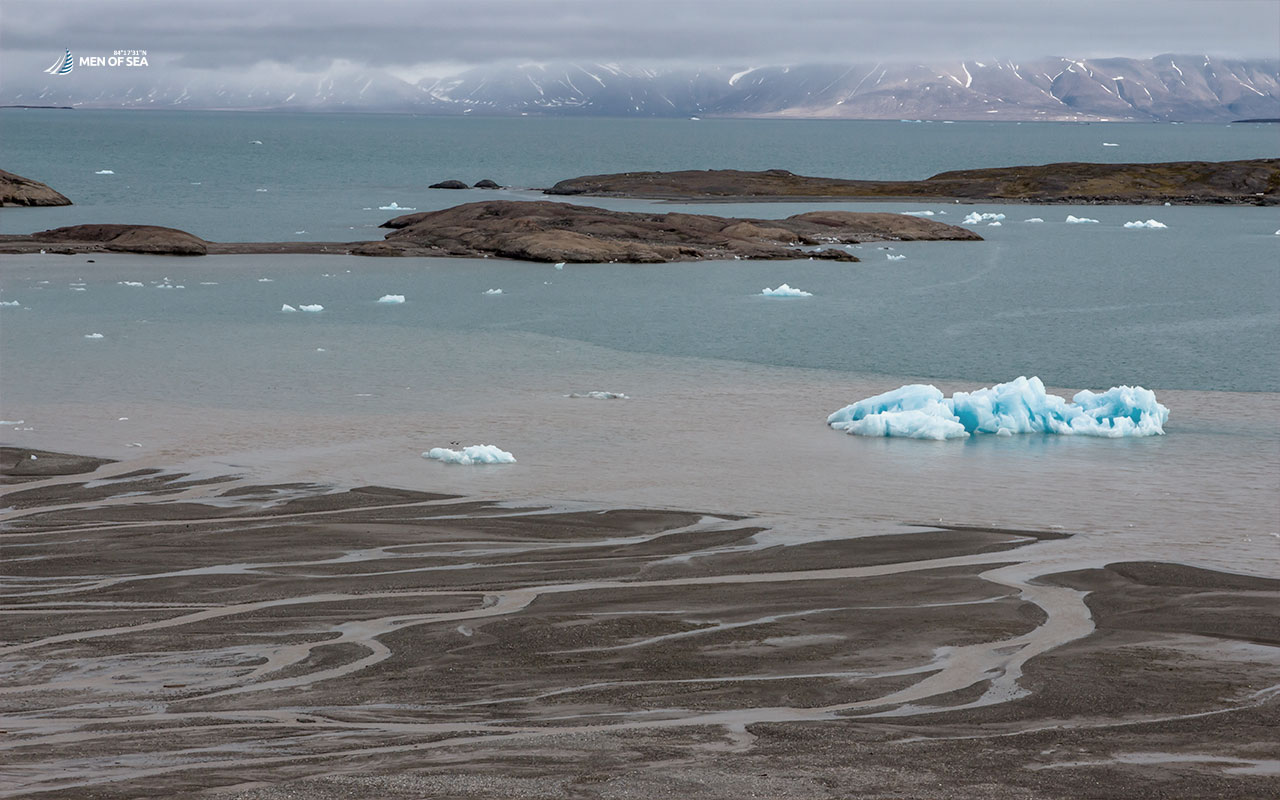
The fjord features a rich coastline with two main branches—Liefdefjord and Bockfjord—as well as remarkably interesting bays such as Mushamna and Jakobsenbukta.
Unique Landscape: Red Sandstone and Valleys Ideal for Trekking
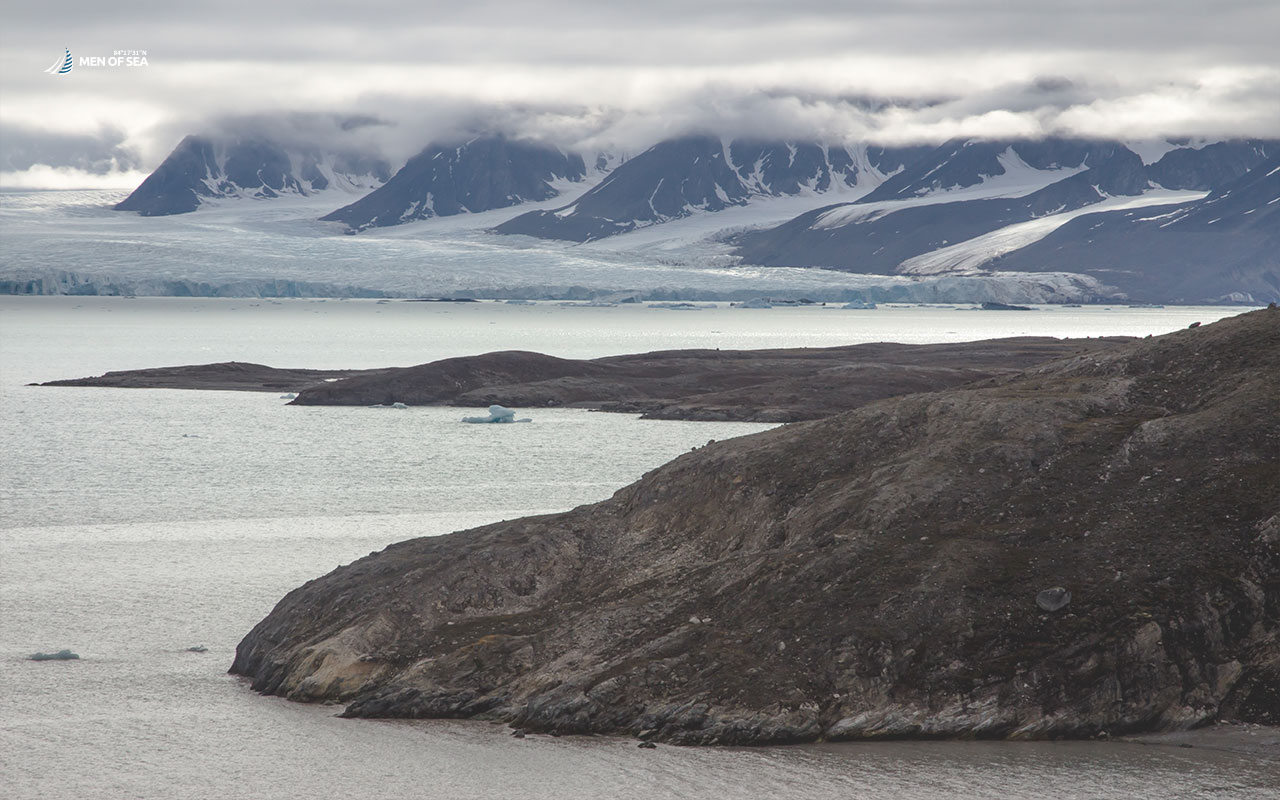
What immediately catches the eye upon entering Woodfjorden is the extraordinary color palette of the surroundings. The mountain peaks and slopes surrounding the fjord are mostly composed of red sandstone. As a result, an intense, almost brick-red hue dominates the entire local landscape.
Red sandstone is highly susceptible to erosion and weathering. Consequently, the local mountains feature gentle summits, with their slopes largely covered in scree. Vast Arctic valleys branching off from the fjord’s shores offer excellent terrain for hiking and admiring Svalbard’s untamed nature.
Encounters with Arctic Wildlife: Whales, Belugas, and Seals
The waters of Woodfjorden are a true paradise for wildlife enthusiasts. During our voyages and expeditions, we regularly encounter exceptional species of marine mammals:
-
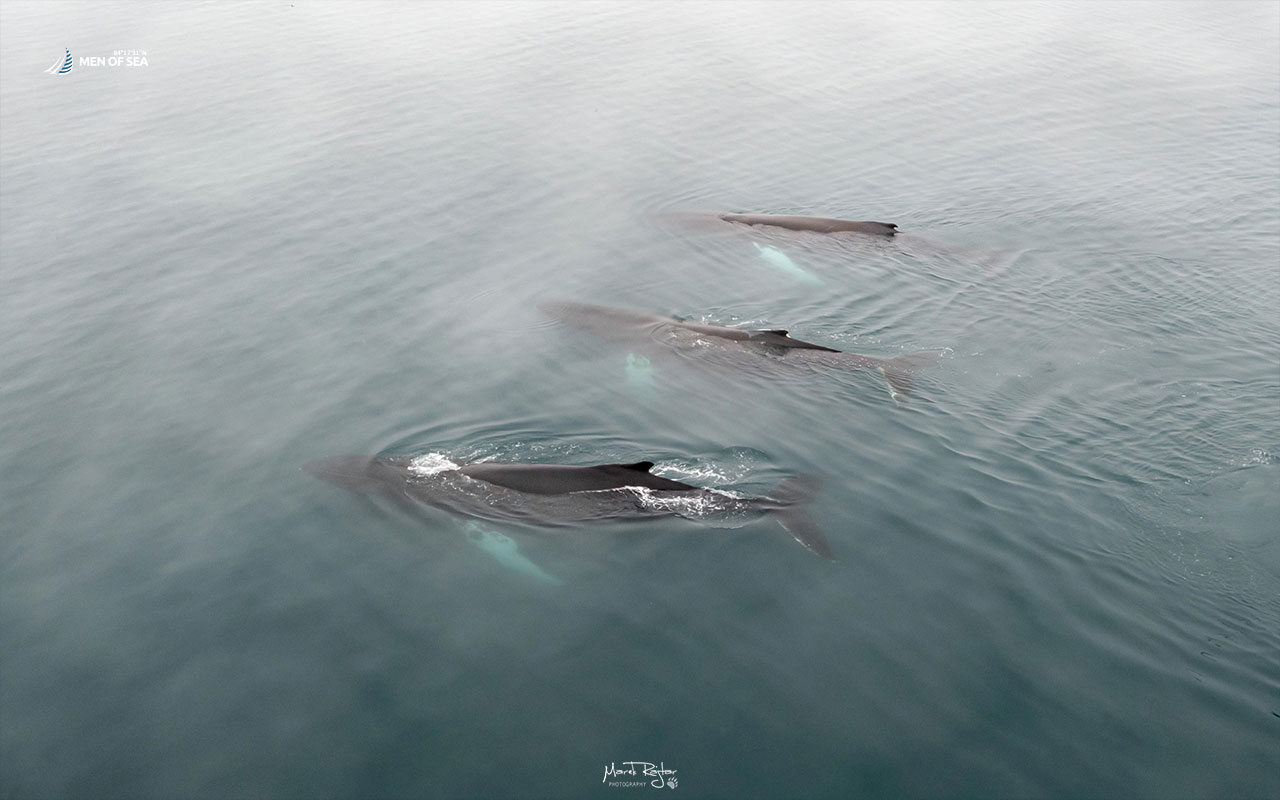
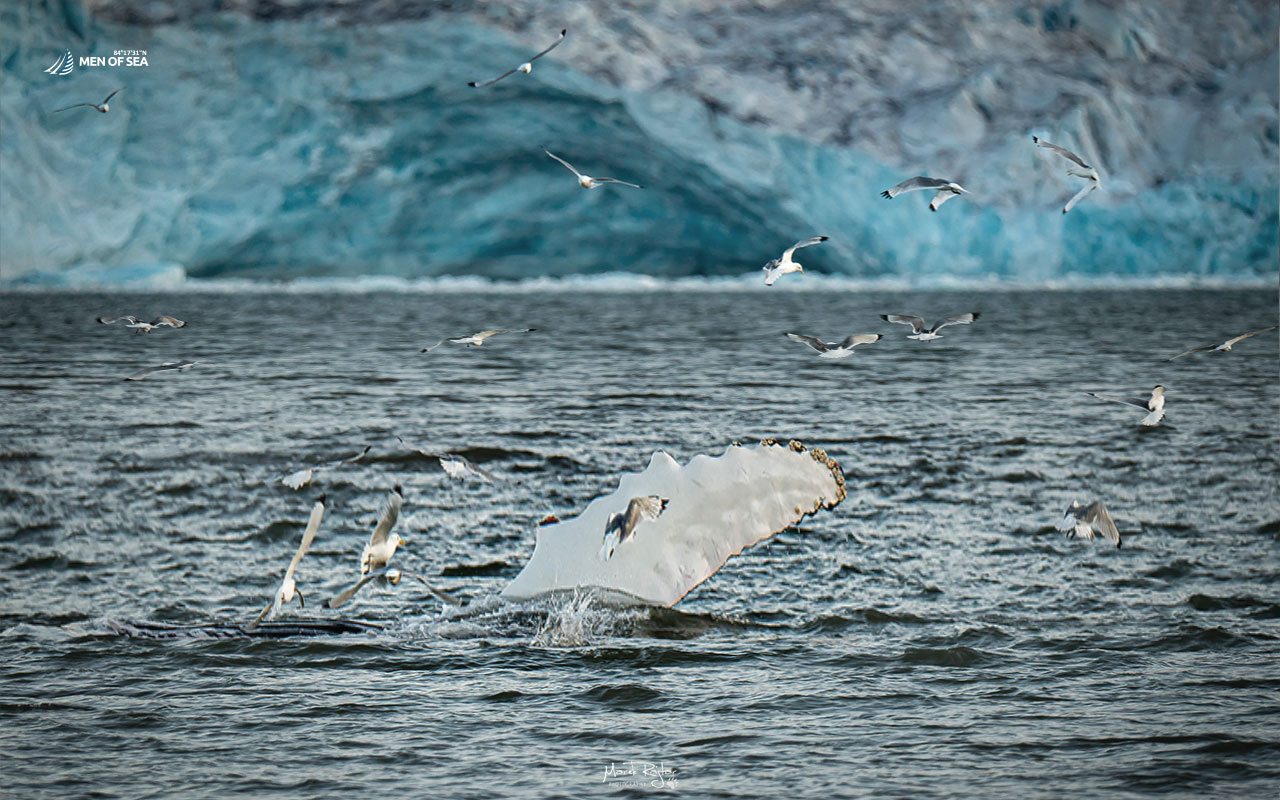
Whales: Frequently swim deep into the fjord and are often spotted in its upper reaches.
-
Beluga whales: These distinctive white whales venture deep under the glacier wall itself.
-
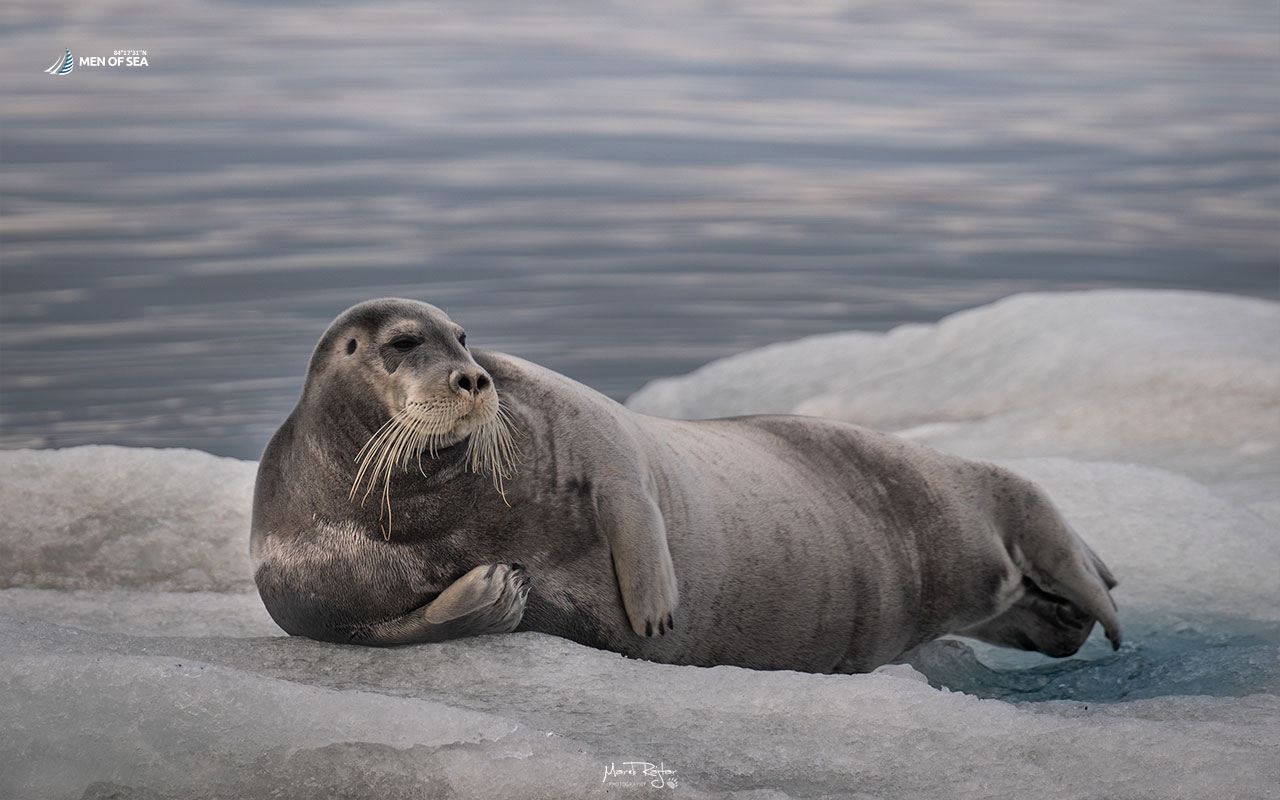
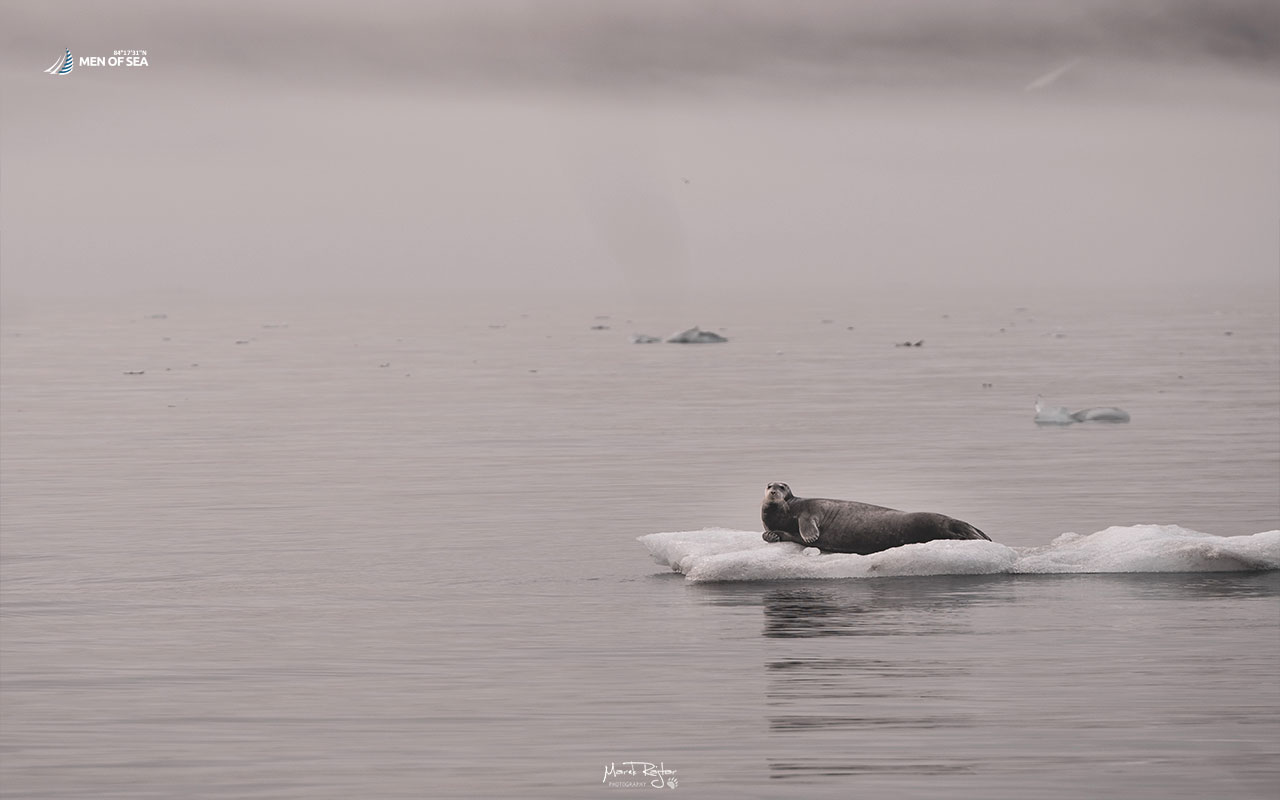
Seals and walruses: Very commonly seen resting on floating ice floes drifting from nearby glaciers.
In the Footsteps of Historic Trappers: Texas Bar Cabin and Mushamna Bay
In the past, Woodfjorden was heavily visited by Norwegian and Arctic hunters. Well-preserved trapper cabins scattered along the shores stand as reminders of those times.
One of the most iconic and interesting sites is Texas Bar—a historic trapper cabin located on the fjord’s shore that is a must-see stop during any visit to the region.
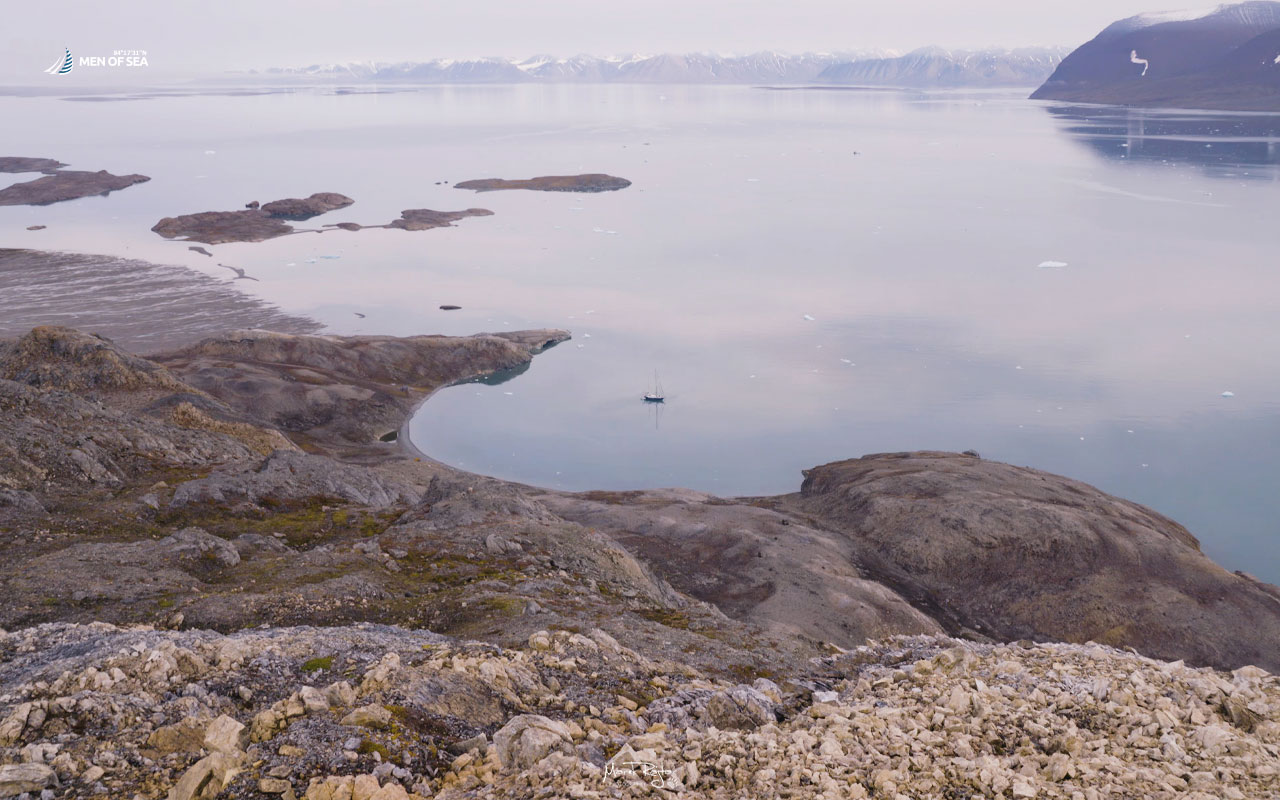
Another crucial location on the nautical map is Mushamna Bay (known as Mouse Bay), located on the eastern shore of Woodfjorden:
-
Shelter and rest: For ship and yacht crews, Mushamna often serves as a key stopover and shelter from harsh weather conditions.
-
Navigational challenge: Treacherous shallows and a very narrow entry channel demand significant navigation skills to enter the bay.
-
Excellent anchorage: Once the obstacles are safely navigated, the bay provides exceptionally calm and secure anchoring conditions.
Power of Nature: Monacobreen Glacier in the Liefdefjord Branch
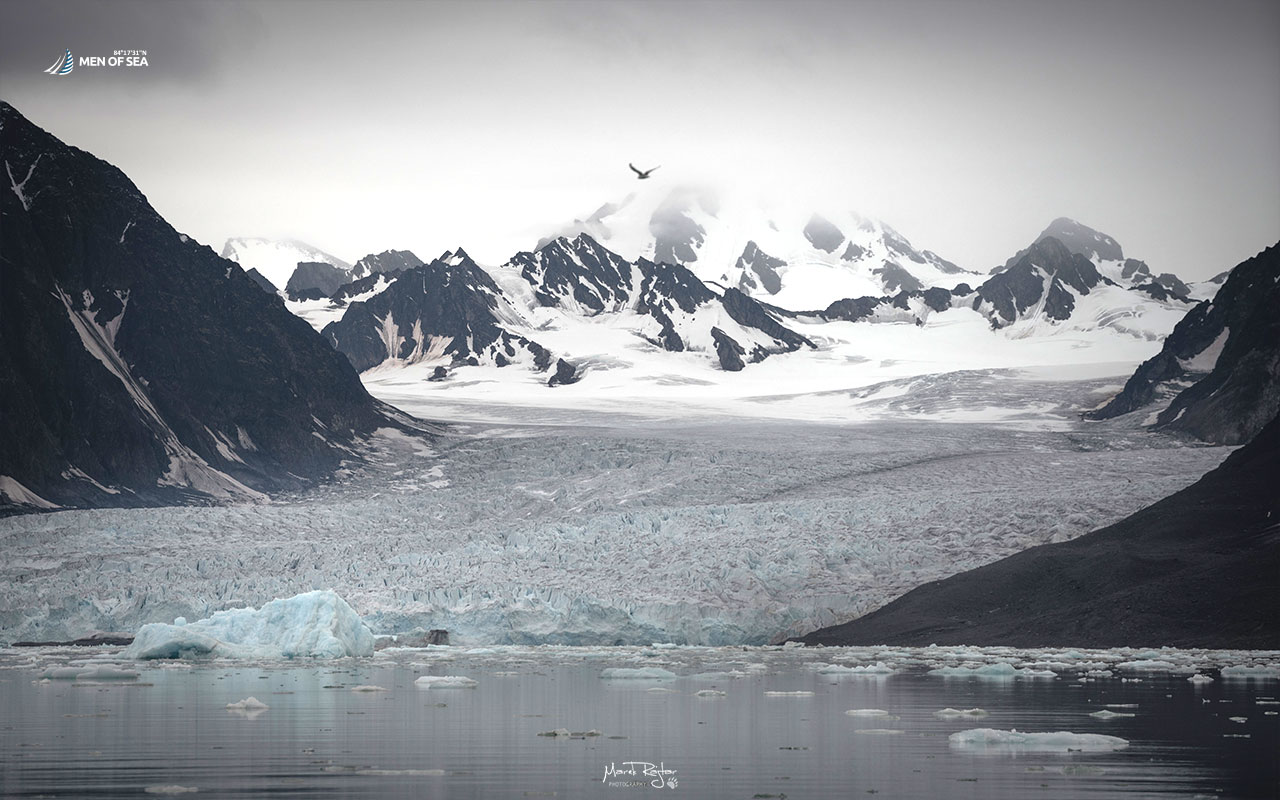
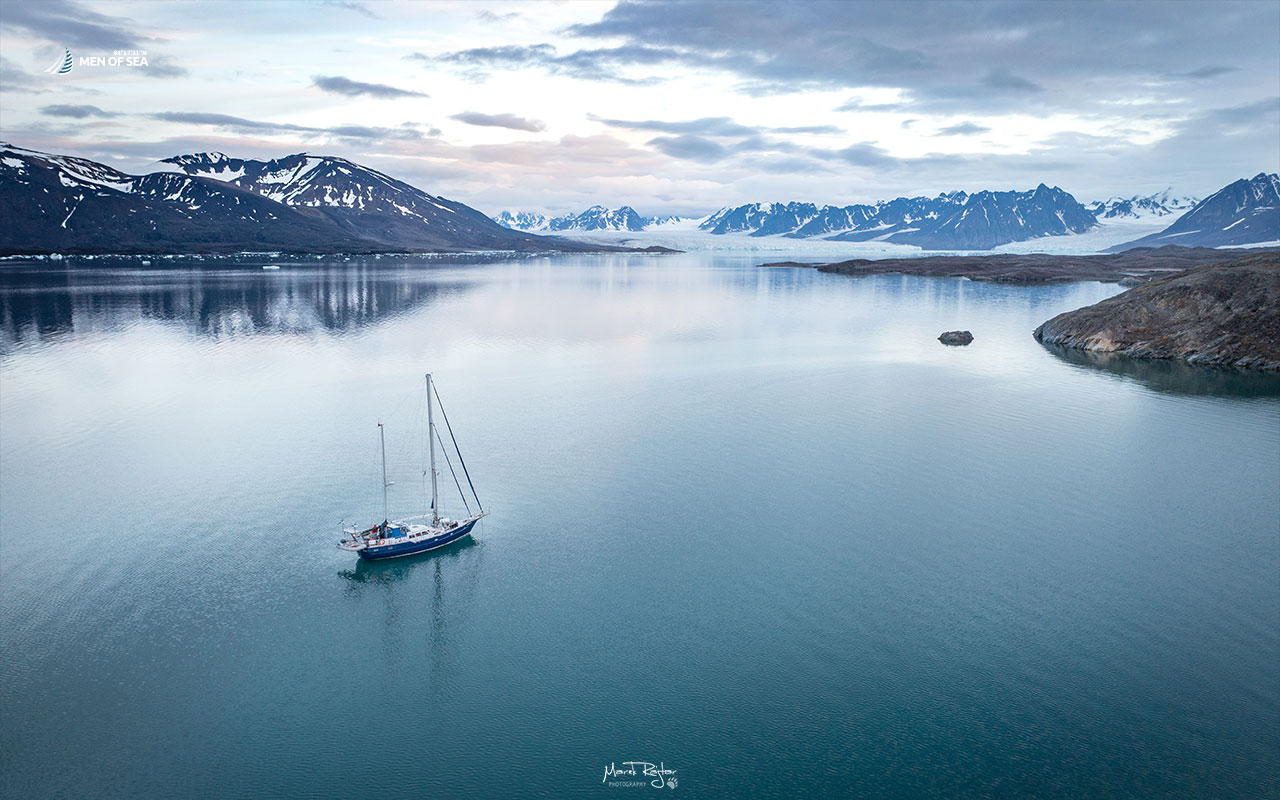
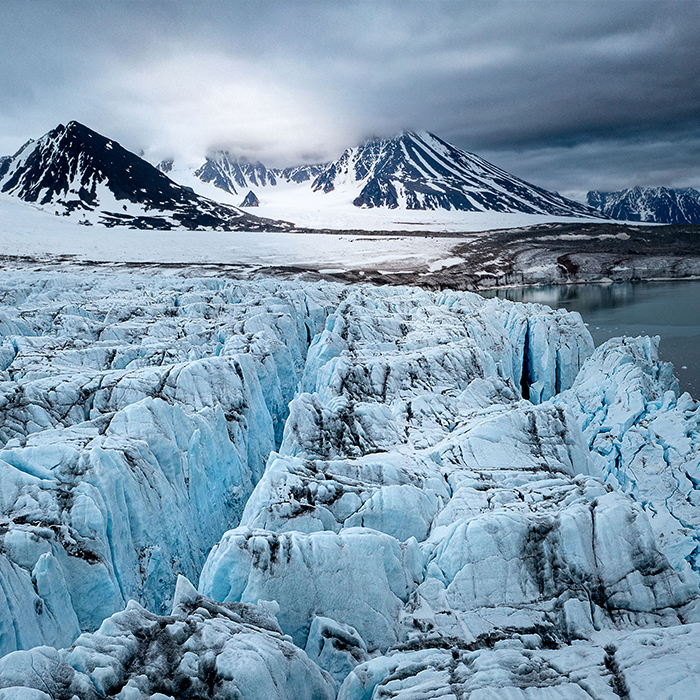
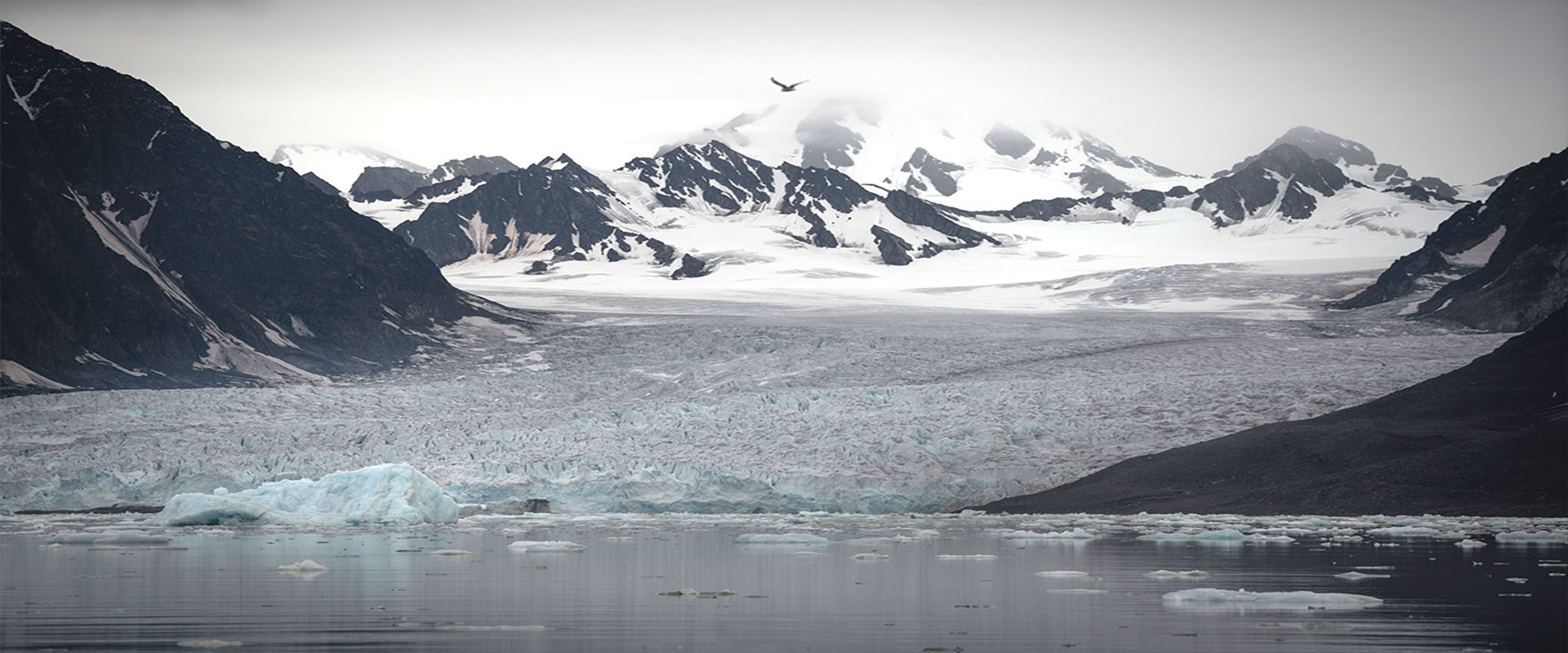
At the very end of the fjord, in its western branch known as Liefdefjord, lies one of the region’s most spectacular highlights—the Monacobreen Glacier.
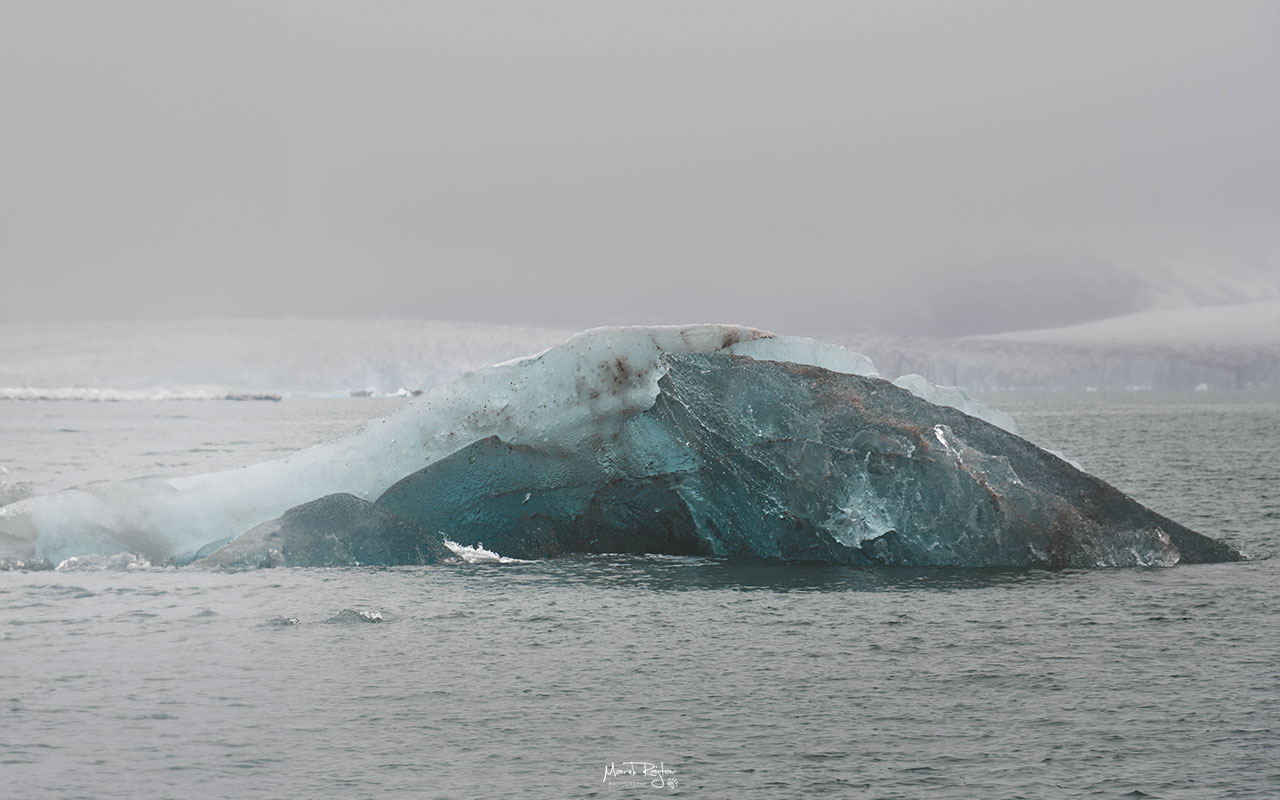
Monacobreen is a massive tidewater glacier known for its high activity. Calving frequently occurs here, where giant blocks of ice dramatically break off and crash into the sea. These drifting ice fragments are then carried out by currents into the main waters of Woodfjorden. It is on these floating ice floes that seals and walruses are most easily spotted resting.