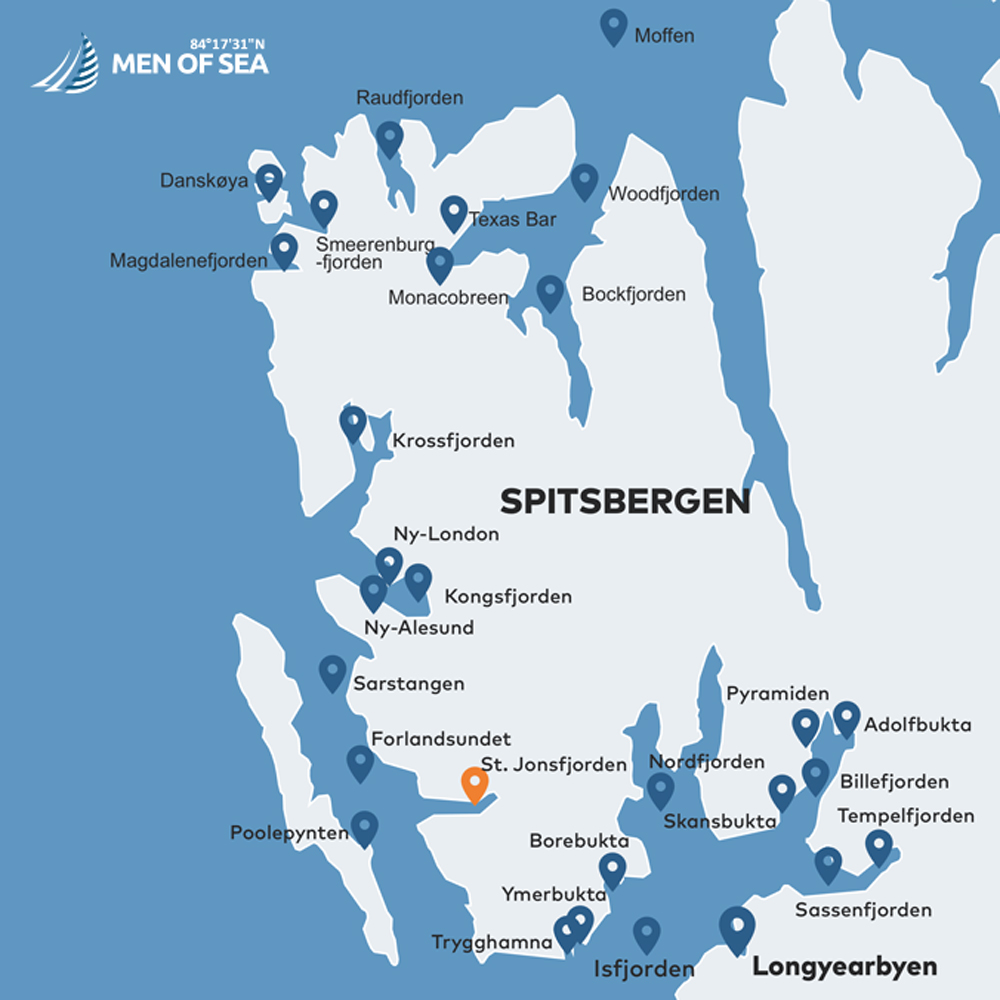
ST. JONSFJORD
Glaciers and Mountains.
BASIC INFORMATION
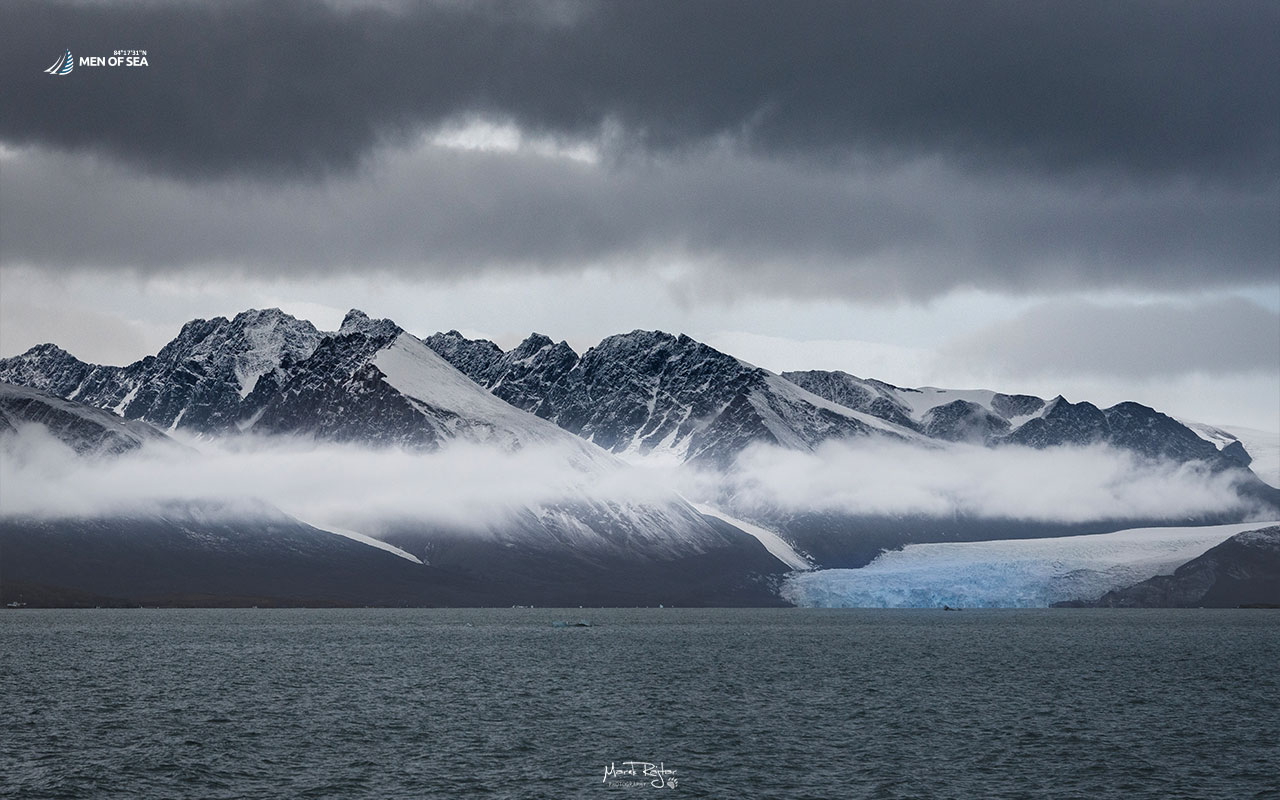
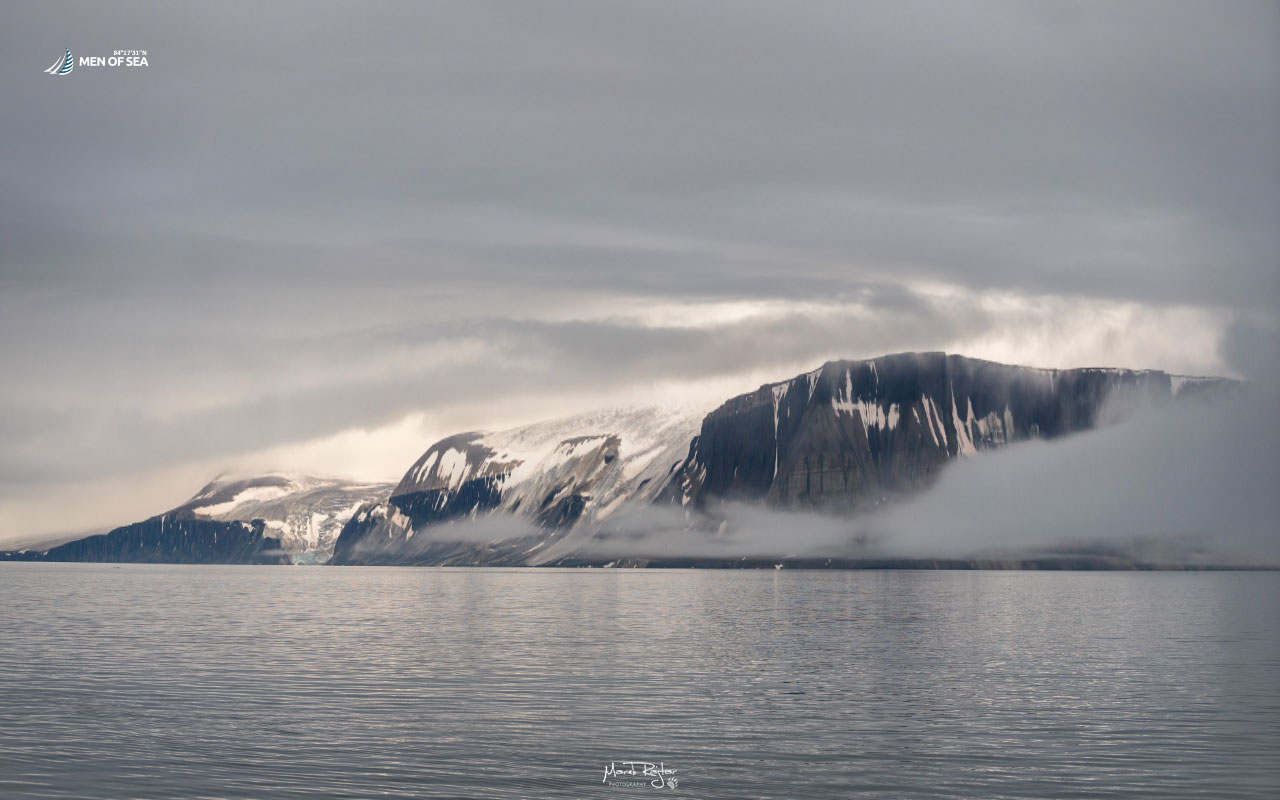
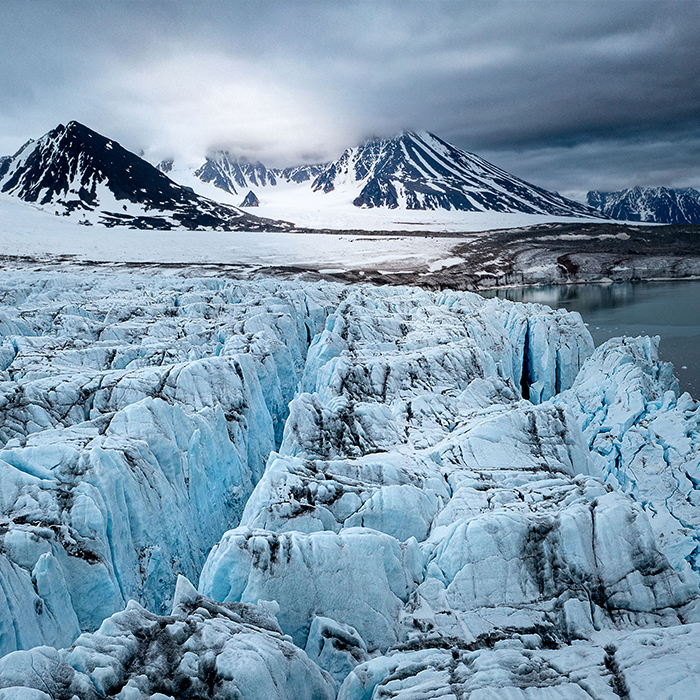
St. Jonsfjord is a relatively small fjord, approximately 20 kilometres long. It is surrounded by mountains rising to around 800 metres, with numerous glaciers descending between the peaks. The fjord is renowned for its beautiful scenery, shaped by dramatic mountain formations and geological fault lines that create a fascinating mosaic of rock formations and colours.
The relatively flat sections of the coastline provide excellent opportunities for observing Arctic wildlife. Svalbard reindeer can often be seen grazing here, and there is also a chance of spotting polar bears wandering along the shore.
In the past, the area attracted prospectors hoping to exploit its mineral resources. Attempts were made to establish what would have been the first gold mine on Spitsbergen, while in later years the possibility of prospecting for and extracting copper was also considered.
GLACIERS AND ARCTIC WILDLIFE
At the entrance to the fjord lies the small island of Hermansenøya, which is a strictly protected bird reserve. Between 15 May and 15 August, approaching the island closer than 300 metres is prohibited in order to protect nesting birds.
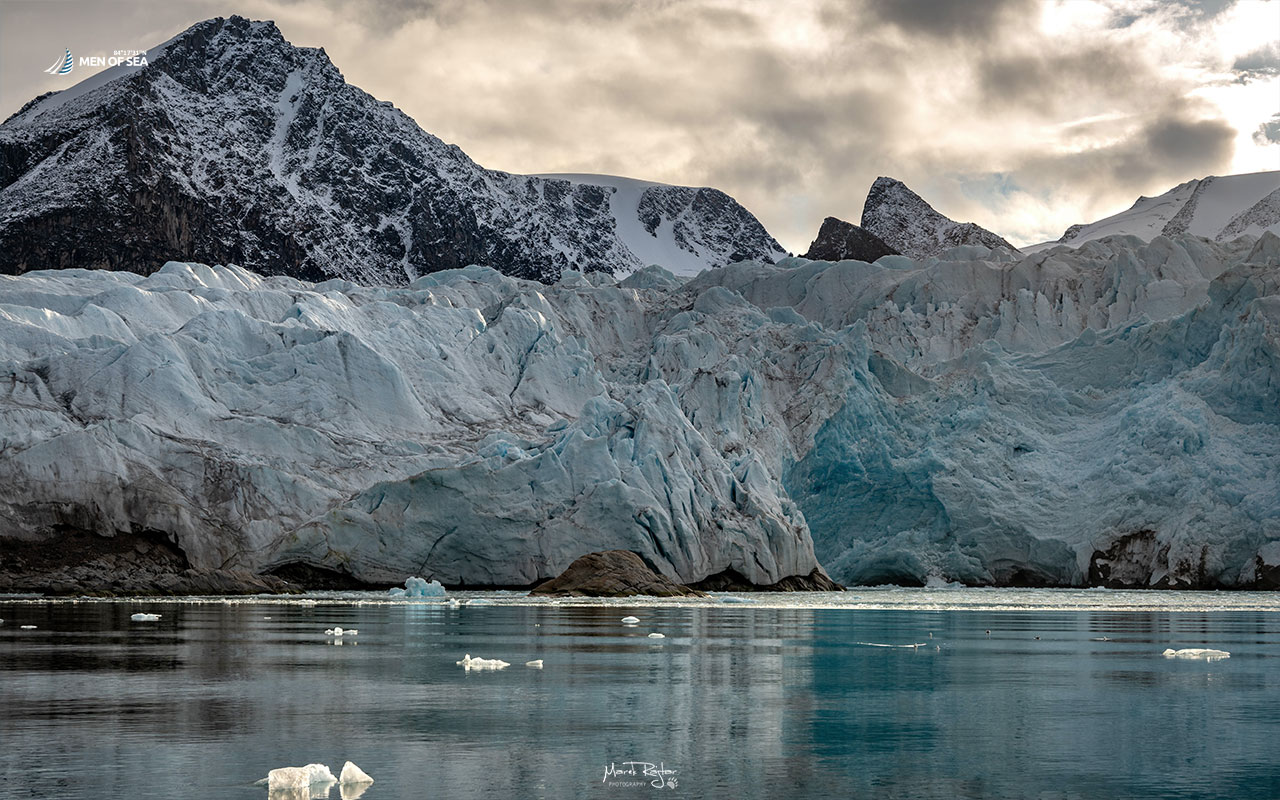
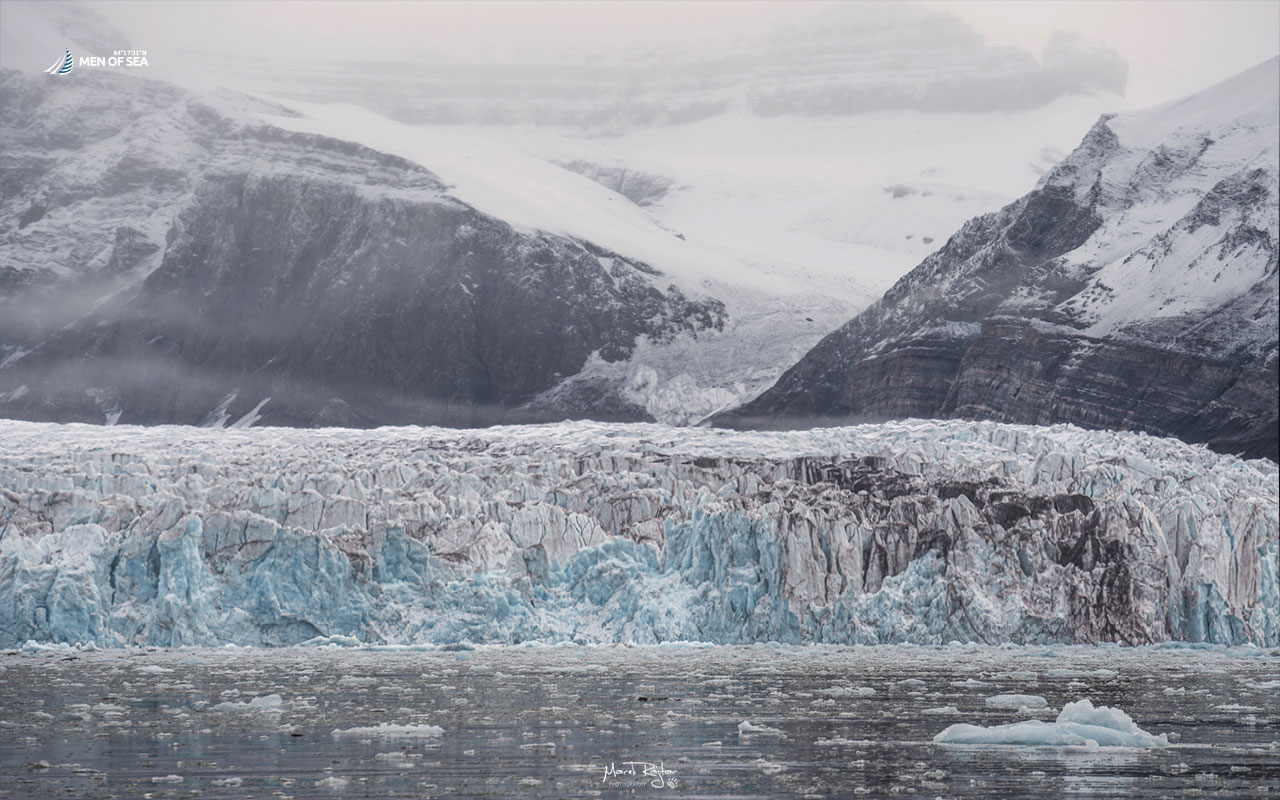
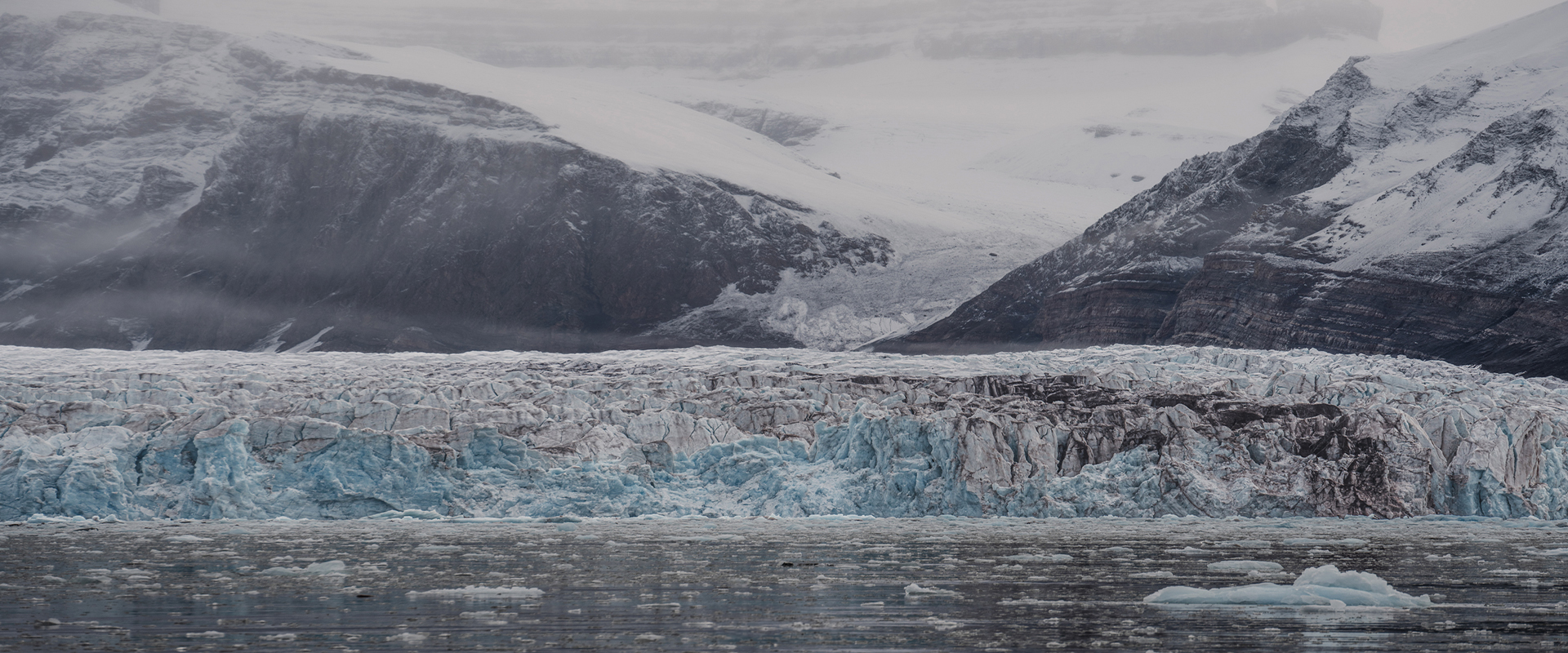
Numerous glaciers flow towards St. Jonsfjord. At the head of the fjord lies the impressive Osbornebreen, whose broad glacier front dominates the surrounding landscape.
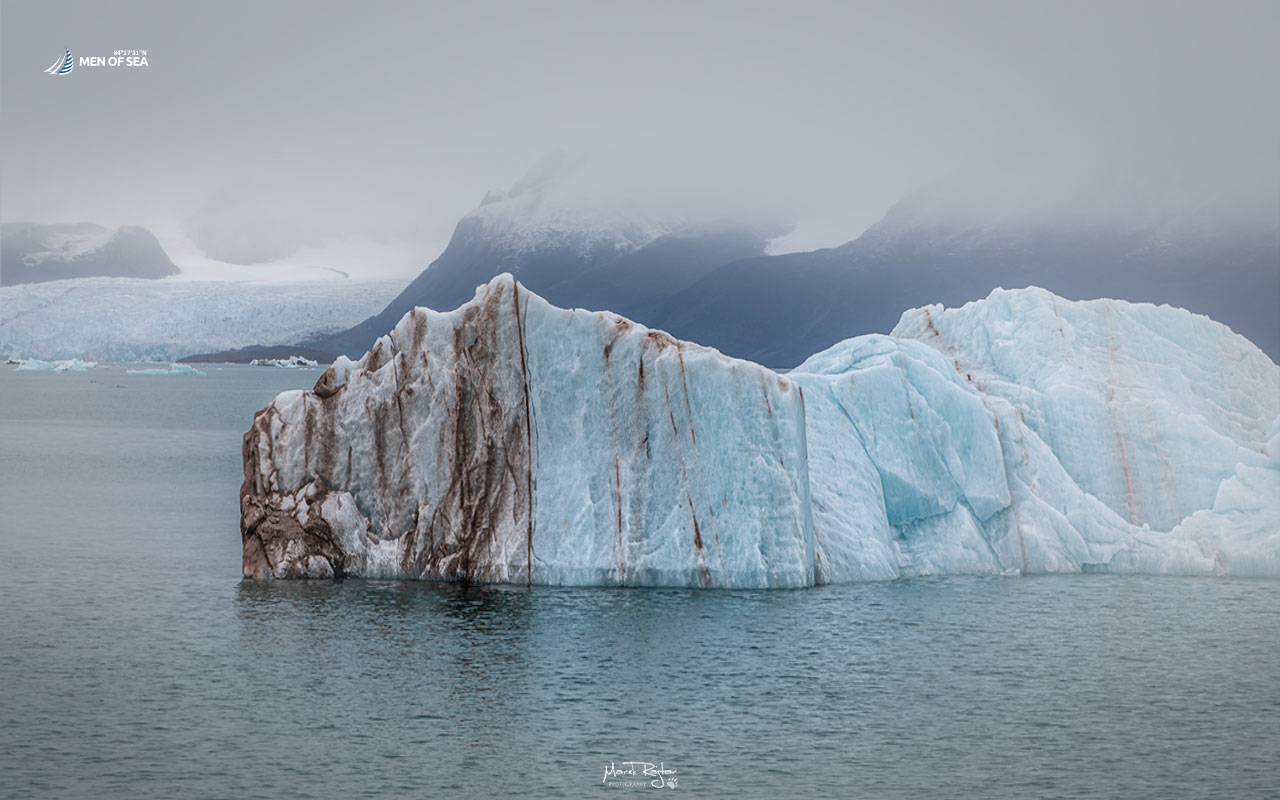
During our expeditions, we try to sail as close to the glacier as conditions safely allow. This is not always possible, as the inner fjord can be filled with growlers and fragments of glacial ice, creating constantly changing navigation conditions.
About halfway into the fjord lies the small bay of Gaffelbukta, where Gaffelbreen Glacier descends towards the coast. When weather and ice conditions are favourable, we anchor here and continue exploring by Zodiac, attempting to approach the glacier from the water or landing nearby.
St. Jonsfjord offers exactly what makes Svalbard so extraordinary: towering mountains, glaciers, drifting ice, Arctic wildlife and an overwhelming sense of wilderness. Its relatively small size and dramatic landscape make it an excellent place to explore slowly, watching how the scenery changes as we sail deeper into the fjord.