NUSFJORD
UNESCO Heritage
BASIC INFORMATION
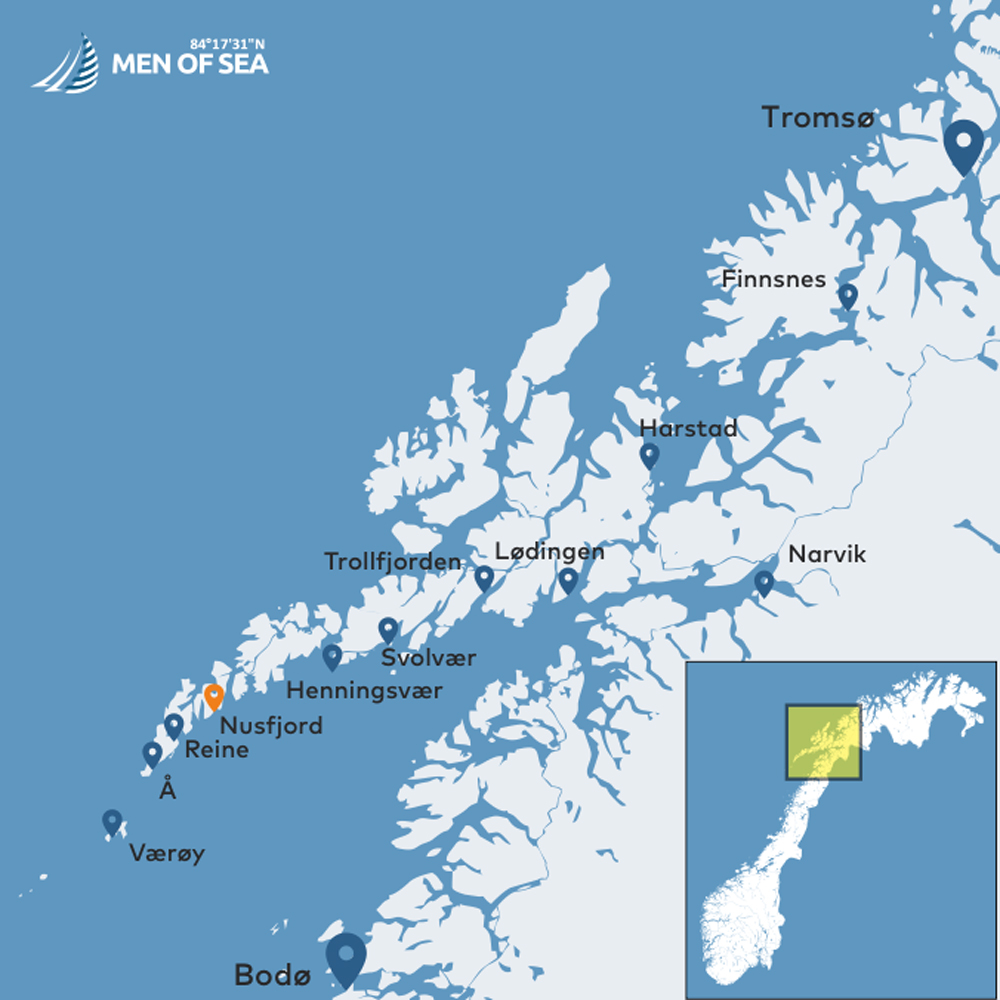
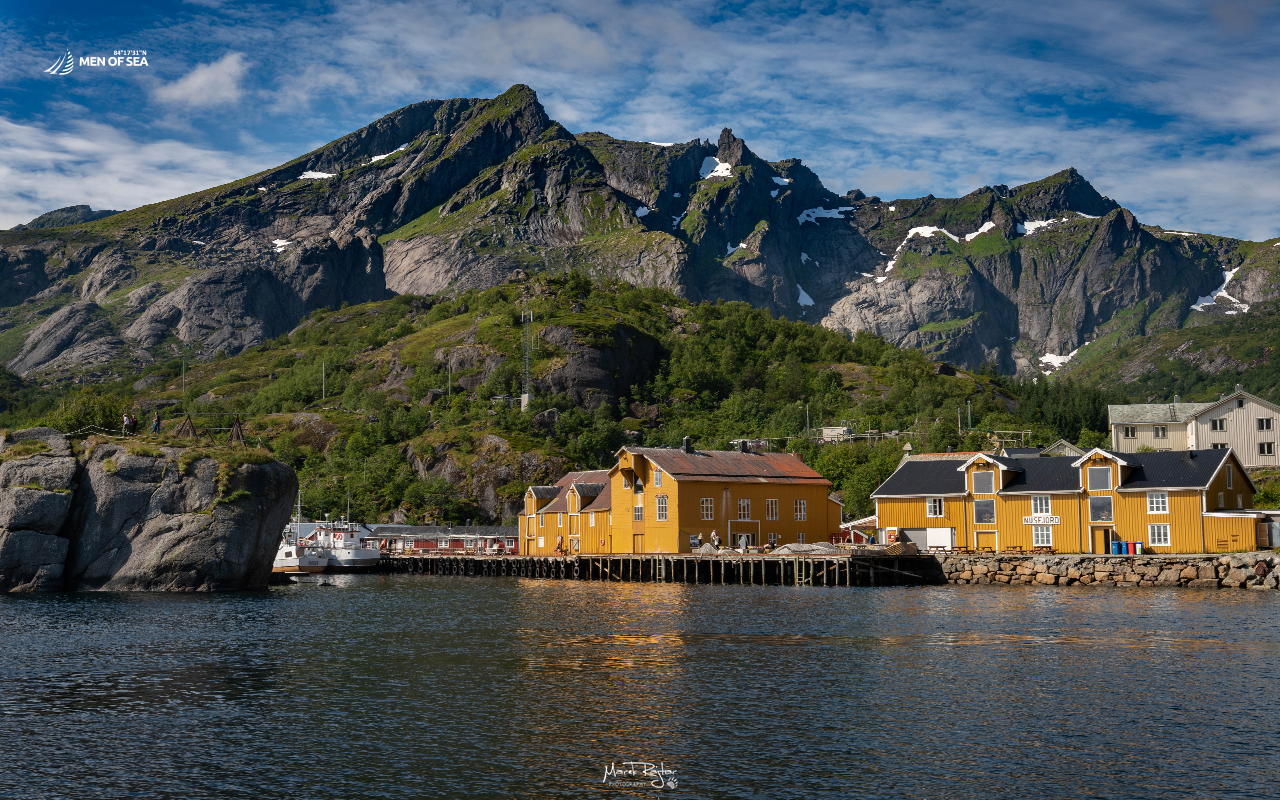
Nusfjord is one of the smallest fishing villages in the Lofoten Islands. Thanks to its spectacular location and remarkably well-preserved traditional wooden architecture, it has been included in a heritage conservation programme under the patronage of UNESCO.
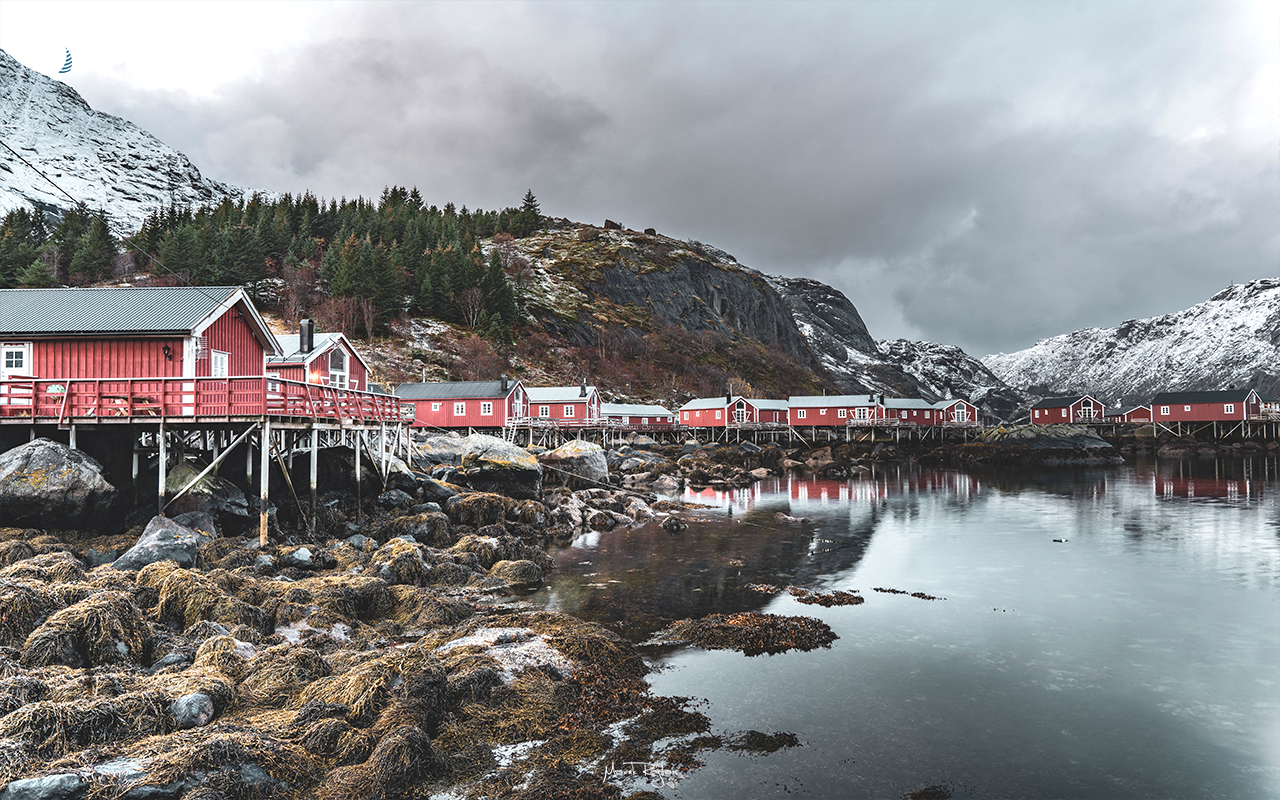
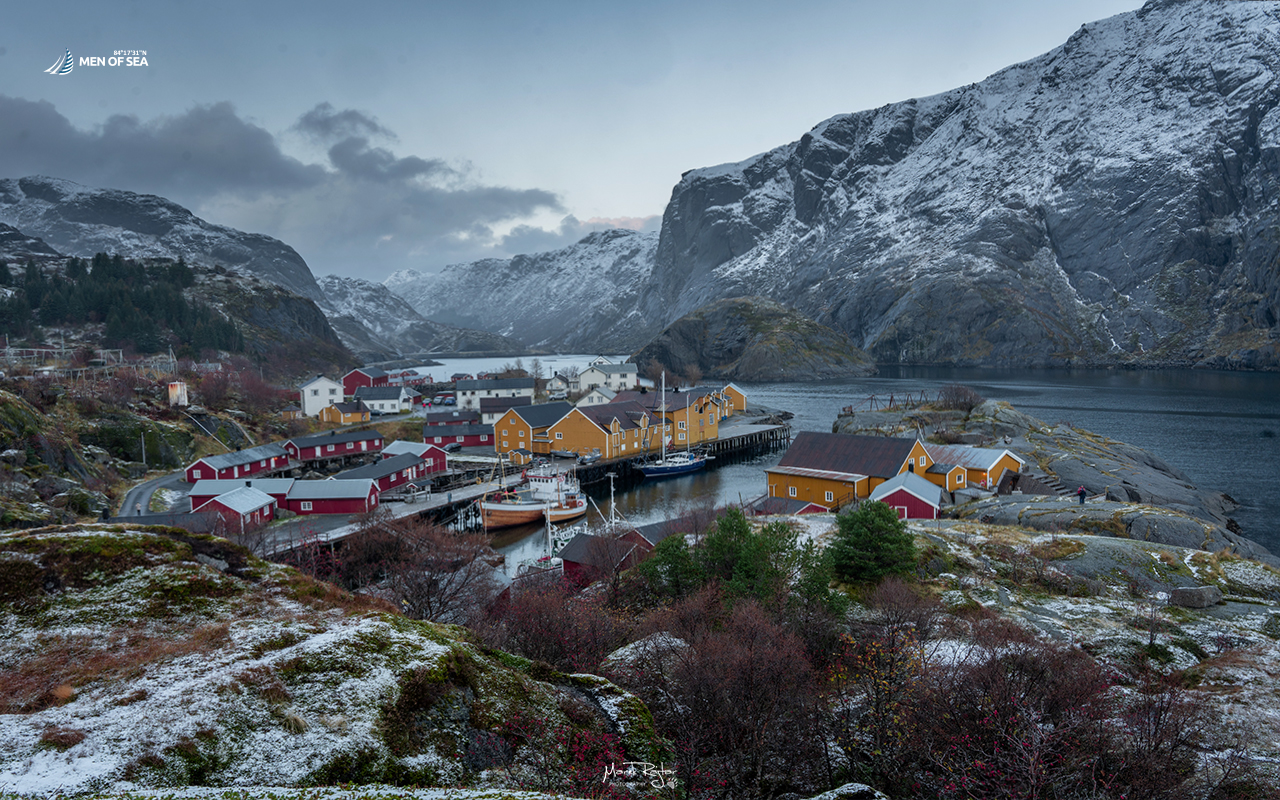
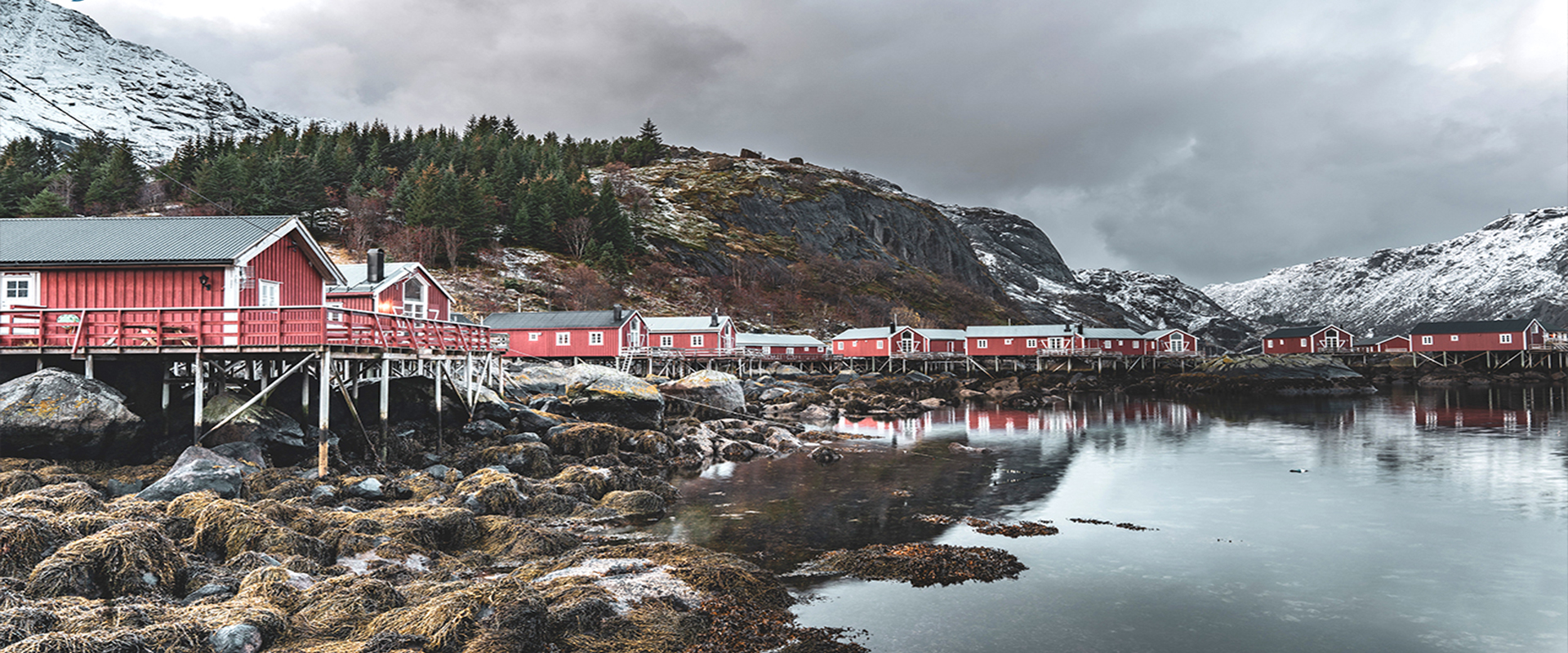
Nusfjord is truly captivating. Wedged between the sea and steep mountains, it is considered one of the best-preserved traditional fishing villages in Norway—and for good reason. Part of the settlement has been preserved as a living open-air museum, allowing visitors to experience the atmosphere of an authentic Lofoten fishing community. In the past, Nusfjord was one of the most important fishing villages in the entire archipelago.
THE UNIQUE ATMOSPHERE OF A FISHING VILLAGE
No matter how you arrive in the Lofoten Islands, the dramatic change in scenery is immediately apparent. The seemingly impenetrable Lofoten Wall conceals peaceful lakes and narrow fjords, with small fishing villages nestled along their shores. These settlements are among the true treasures of the archipelago and form an essential part of the cultural identity of the region.
Some of them, because of their unique character preserved over centuries, have been included in projects aimed at protecting Norway’s traditional wooden architecture. Nusfjord is one of the finest examples.
As you approach the village, you get the impression that you have discovered a secret settlement hidden among the mountains. Reaching Nusfjord requires leaving the main route, which adds to its secluded character. The atmosphere here is wonderfully peaceful and intimate.
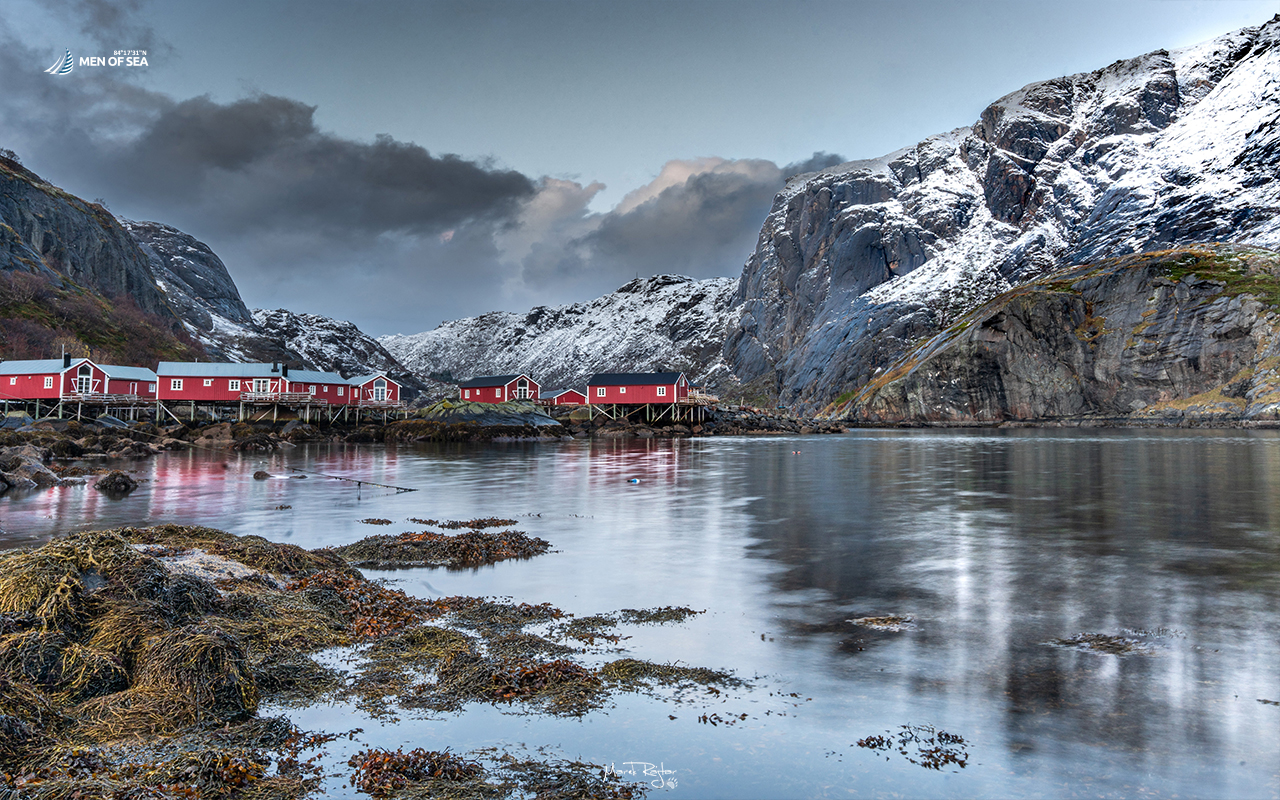
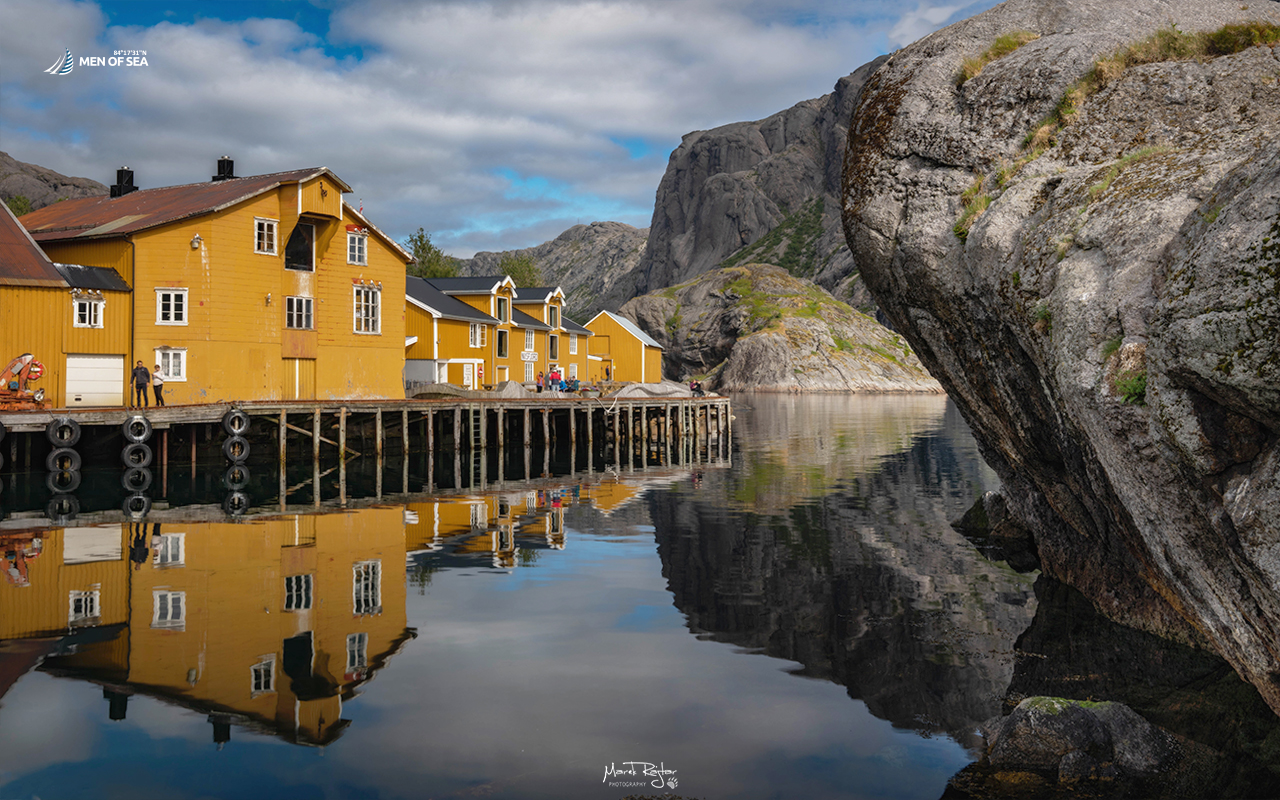
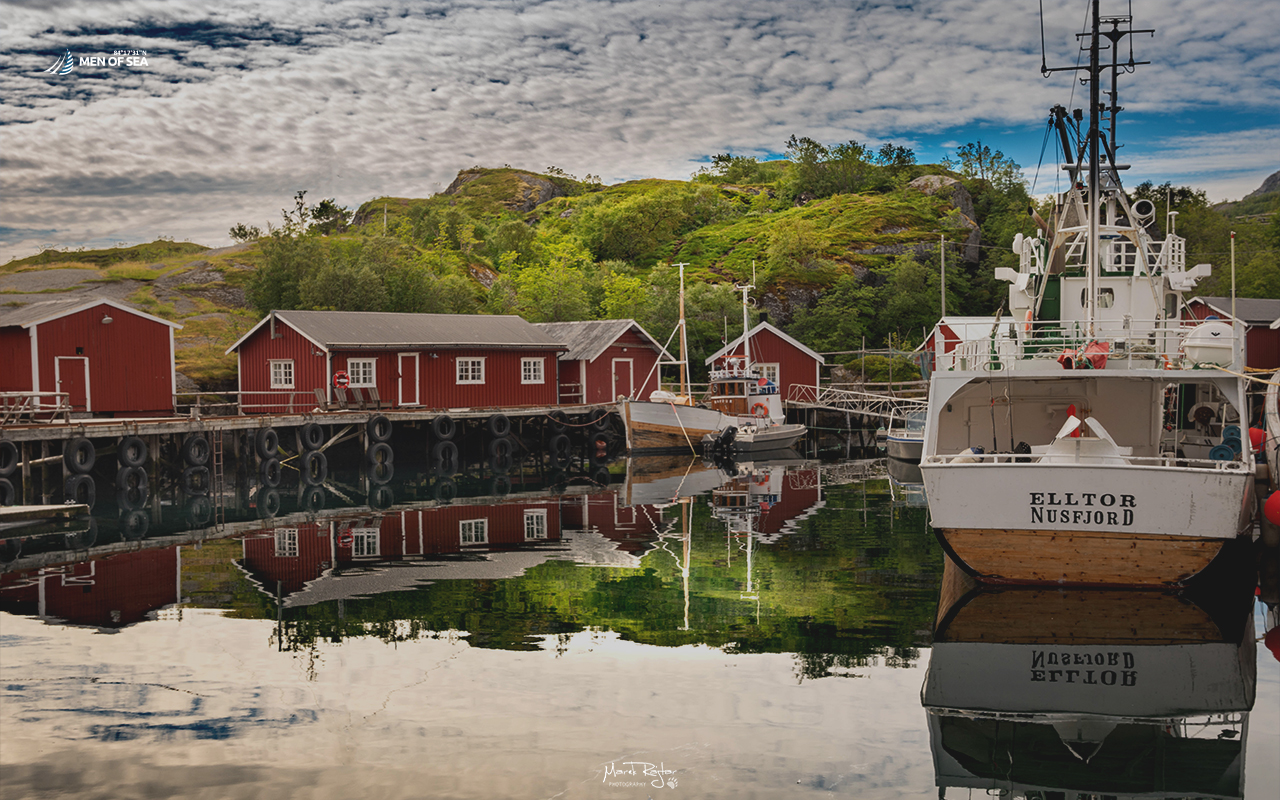
Traditional red wooden houses, historic fishermen’s cabins and steep mountains reflected in the calm waters of the fjord create an almost picture-perfect landscape. Nusfjord is simply one of those places that has to be experienced.
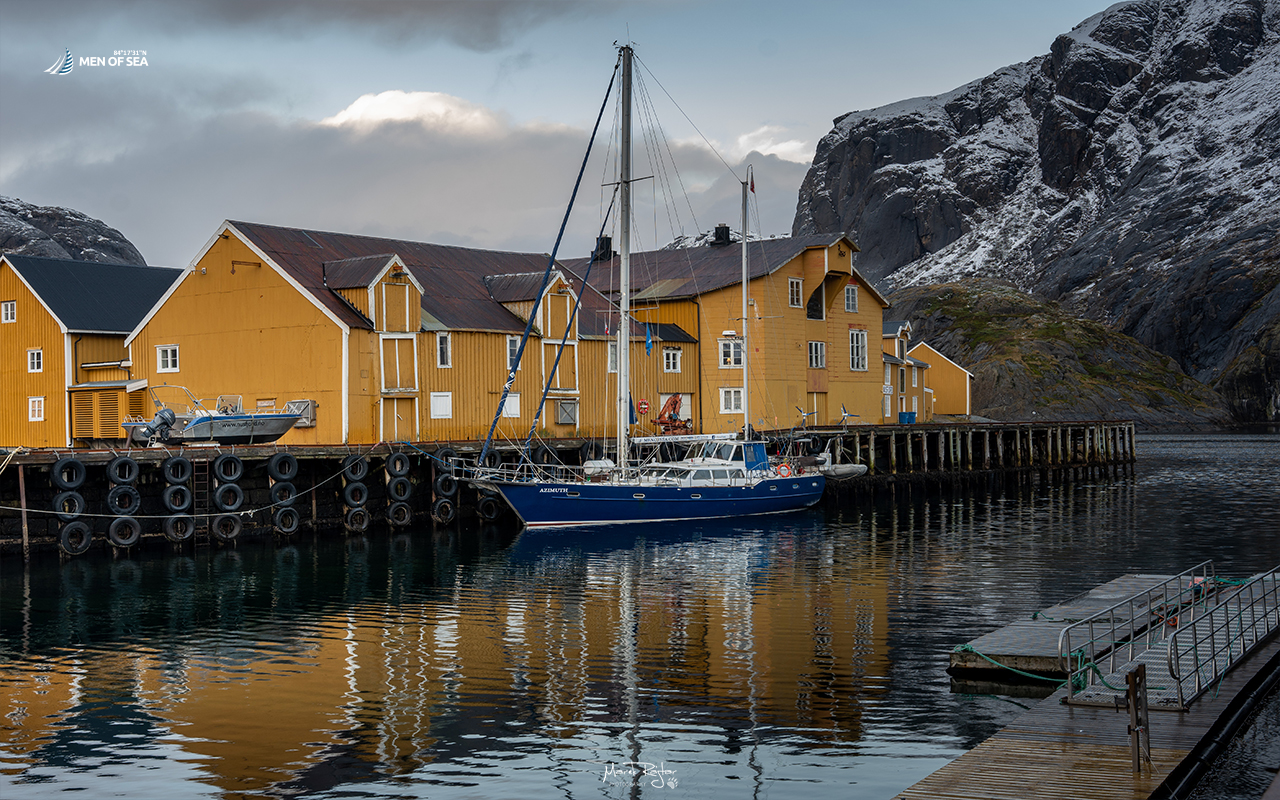
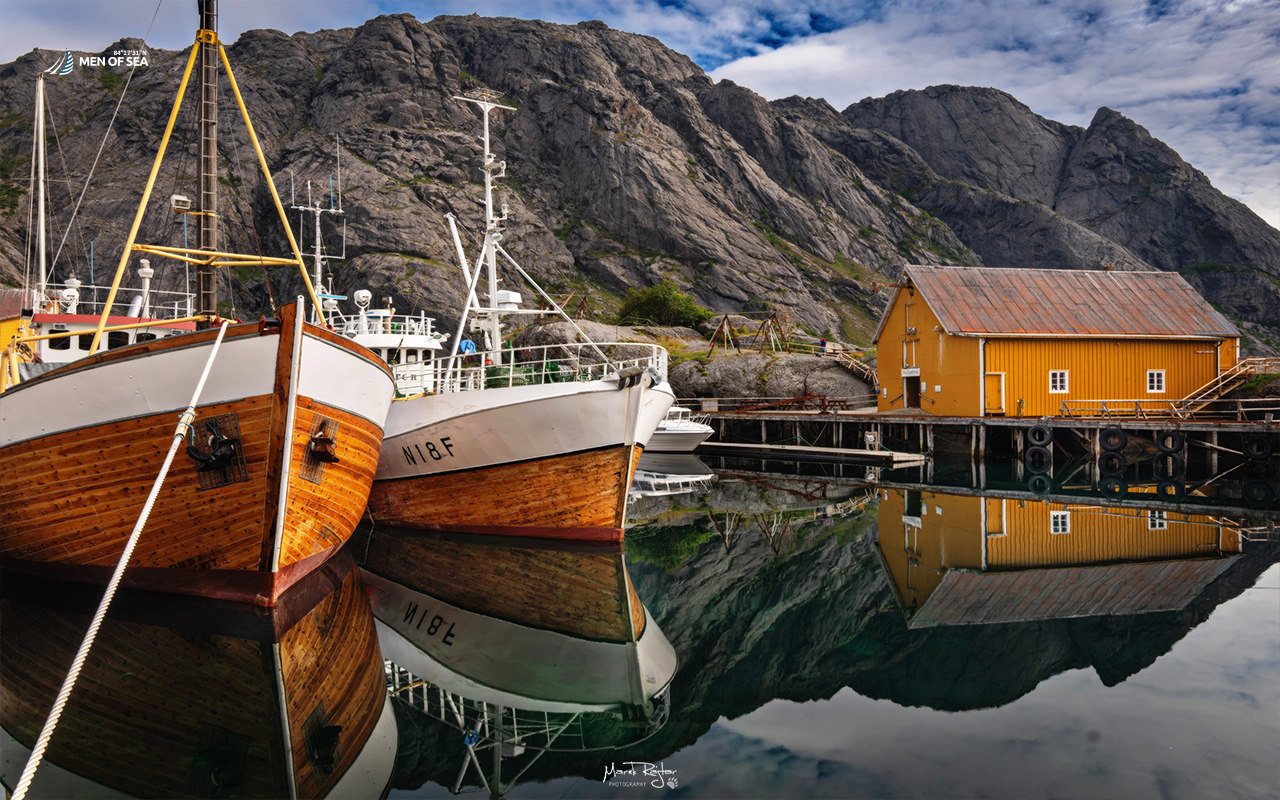
We arrive in Nusfjord by yacht, gradually discovering the beauty of the surrounding landscape as we sail deeper into the narrow fjord. Finally, we enter a tiny and shallow harbour, where we try to secure the yacht at virtually the only available place—a wooden quay.
We usually stay here for several hours. The considerable tidal changes make the harbour less suitable for a longer stay, but a few hours are more than enough to explore this small historic settlement, wander among its traditional buildings and visit several excellent viewpoints for photography.