Nordaustlandet
A Land of Ice and Vast Arctic Spaces
Nordaustlandet – the North-East Land of Svalbard
A Land of Ice and Vast Arctic Spaces
Nordaustlandet, literally the North-East Land, is the second-largest island in the Svalbard archipelago and one of the wildest, most remote and spectacular places in the Arctic.
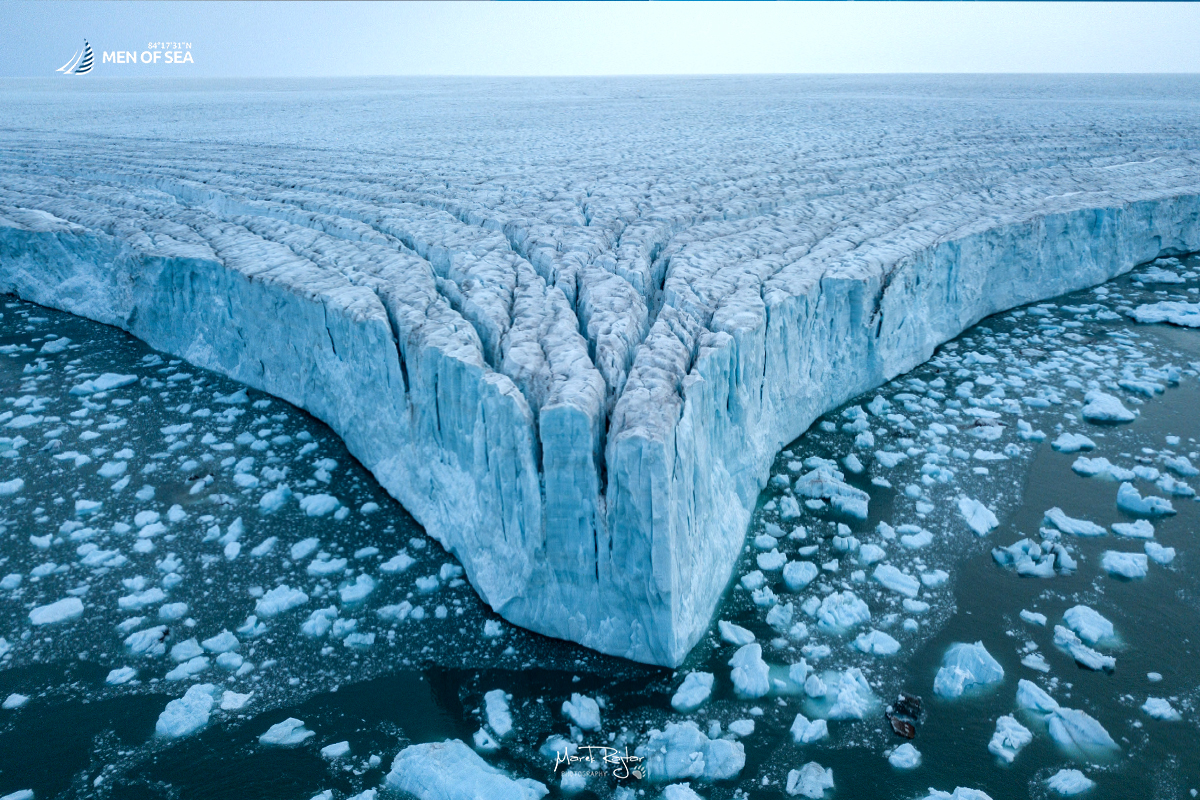
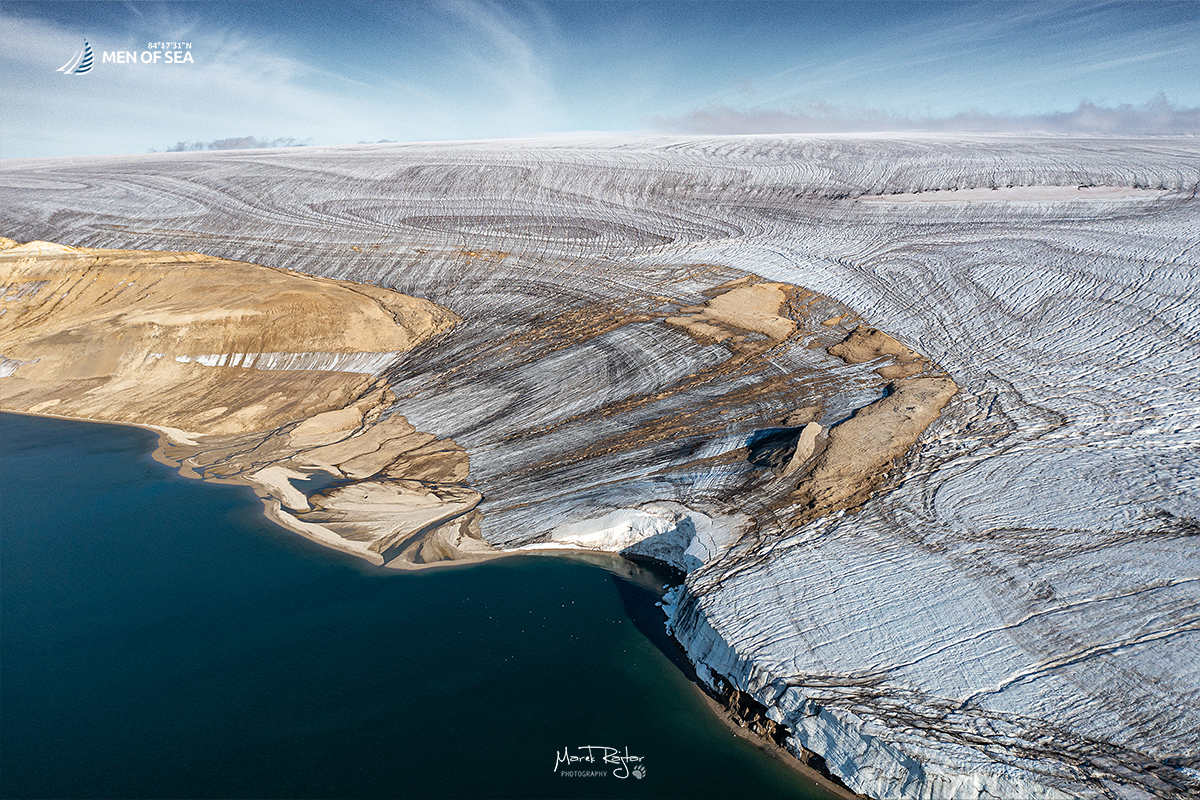
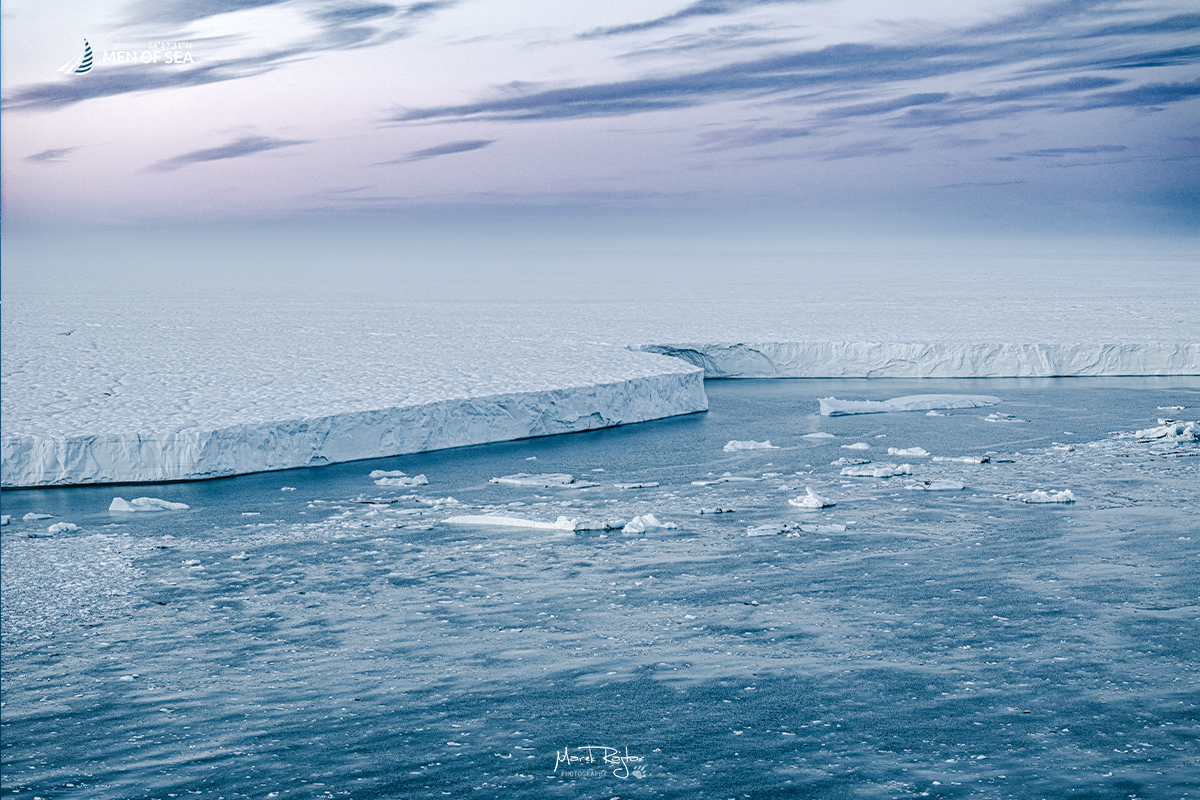
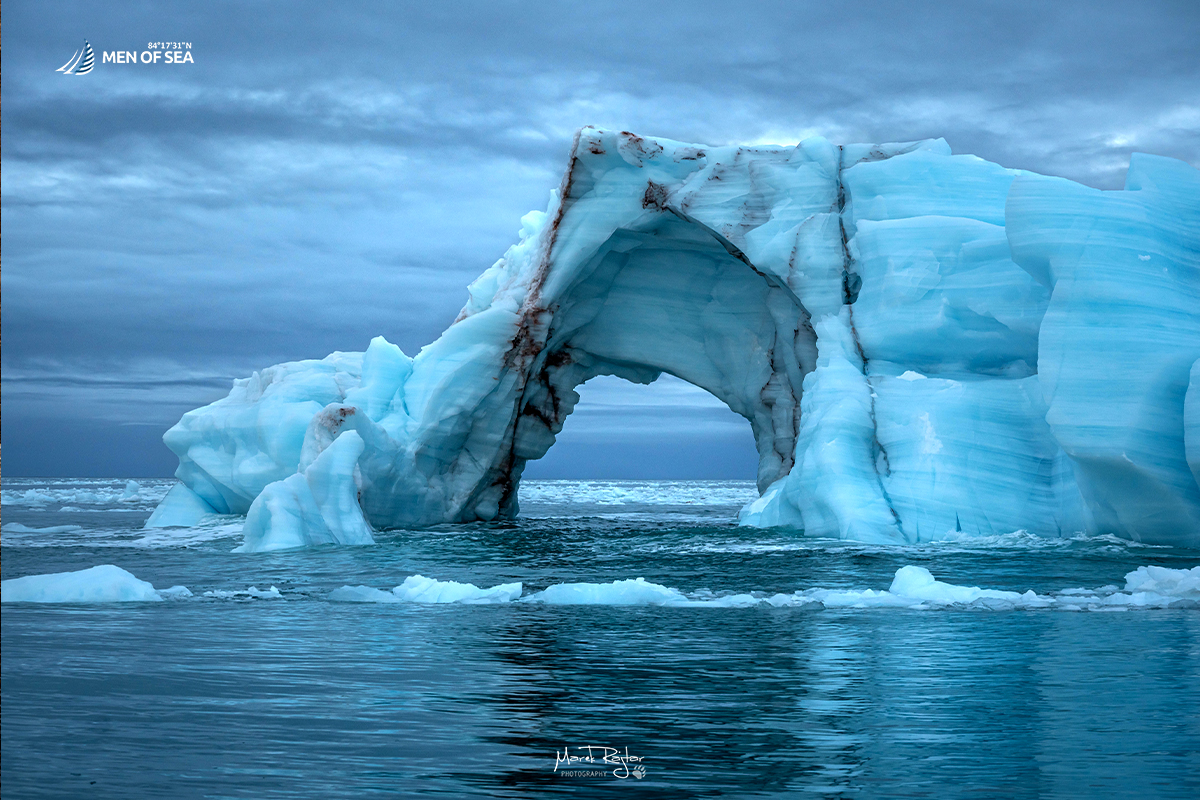
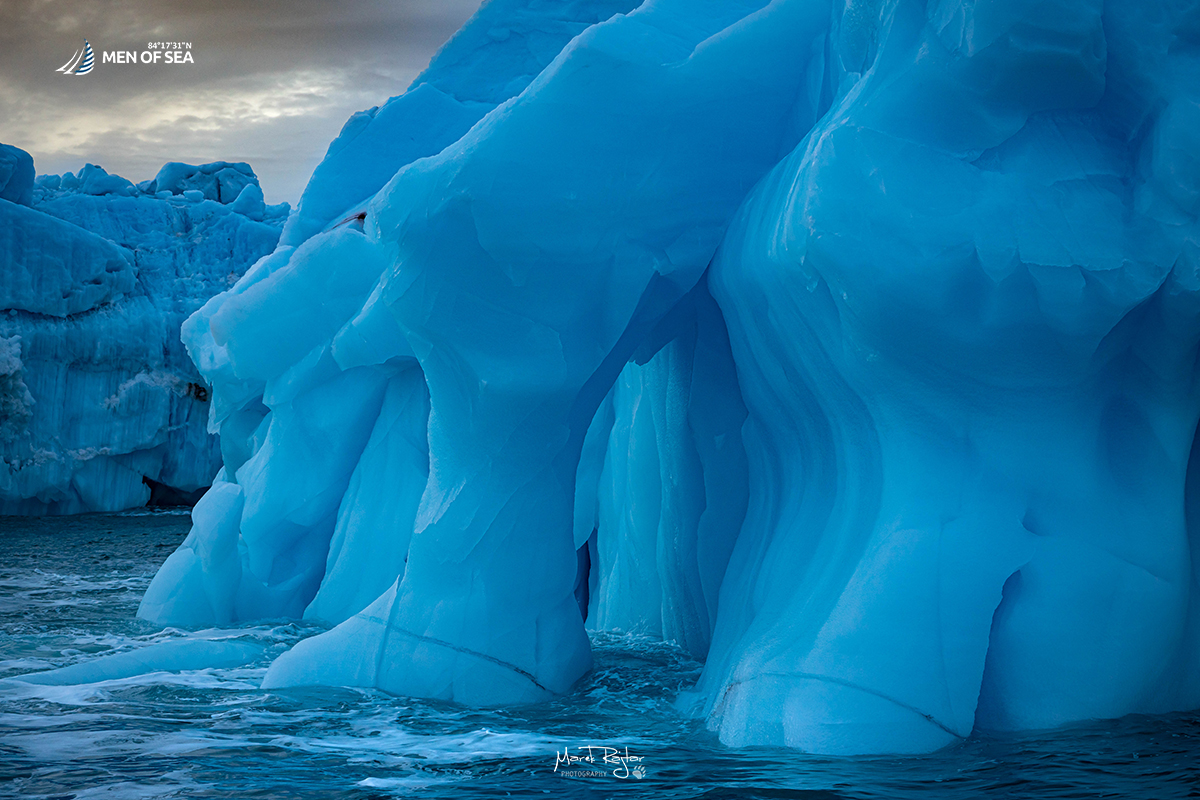
This is where nature reveals its most monumental side: enormous ice caps, huge glaciers flowing into the sea, drifting ice fields, massive icebergs and remote fjords that can only be reached when conditions allow.
For us, Nordaustlandet is one of the most fascinating regions of Svalbard. Its scale, silence and true sense of isolation from civilisation make every journey here feel like a real polar expedition.
A Short History of Expeditions to Nordaustlandet
For a long time, Nordaustlandet remained one of the least explored parts of Svalbard.
The island was probably seen by whalers as early as the 17th and 18th centuries, but one of the first major scientific expeditions connected with the region was William Edward Parry’s expedition in 1827, during which observations and mapping work were also carried out around Hinlopenstretet.
During the 19th century, Nordaustlandet became the destination of further scientific expeditions. Swedish polar expeditions played an important role, including the 1861 expedition, as did the British expeditions of Benjamin Leigh Smith in 1871 and 1873.
In 1873, Adolf Erik Nordenskiöld, after wintering in Spitsbergen, made a long sledge journey along the northern coast of Nordaustlandet as far east as approximately 26°E, returning through Wahlenbergfjorden.
At the turn of the 19th and 20th centuries, exploration entered a new phase.
Between 1898 and 1903, the Russian-Swedish Arc of Meridian expedition carried out more precise surveys of the western coast of Nordaustlandet.
In 1924, an Oxford University expedition completed the first crossing of the island’s ice cap, while expeditions in 1931 and 1935–1936 conducted extensive geological, cartographic and sledge-based research. In 1938, Nordaustlandet was also photographed from the air, significantly improving later maps of the island.
The history of the region is also connected with one of the best-known tragedies of polar exploration. After the crash of the balloon Örnen in 1897, Salomon August Andrée, Knut Frænkel and Nils Strindberg travelled south across the sea ice for almost three months. They eventually reached Kvitøya, east of Nordaustlandet, where all three died. Their final camp and journals were not discovered until 1930.
During the 20th century, Nordaustlandet increasingly became an area of scientific research. In 1965, the Norwegian Polar Institute organised a major geological expedition to the island, continuing the tradition of earlier scientific exploration.
Today, reaching Nordaustlandet is far safer than it was for the first polar explorers, but the region has never lost its expedition character. Ice, weather and distance from civilisation still determine where it is possible to go — and this is exactly why Nordaustlandet still feels like the real Arctic.
Hinlopenstretet – Beautiful and Challenging to Navigate
One of the most characteristic waterways connected with Nordaustlandet is Hinlopenstretet, the strait separating Spitsbergen from Nordaustlandet. It is one of the most beautiful, but also one of the most demanding areas for navigation in Svalbard.
Hinlopenstretet offers spectacular scenery almost along its entire length. Rugged coastlines, high cliffs, glaciers, fog and the unique Arctic light create an unforgettable atmosphere.
At the same time, conditions can be very demanding. Wind, currents, drifting ice and rapidly changing ice conditions mean that sailing here requires experience, caution and flexibility. The southern part of Hinlopenstretet and the area around Austfonna are particularly known for large amounts of ice.
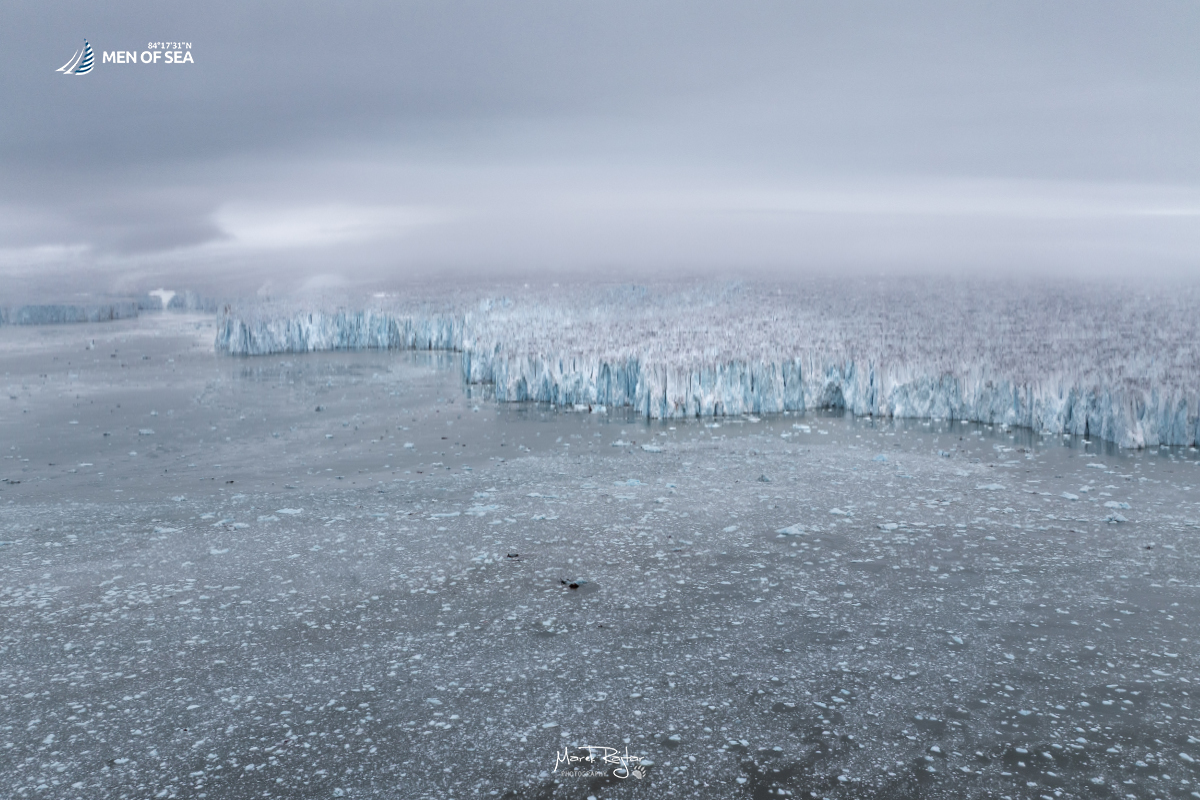
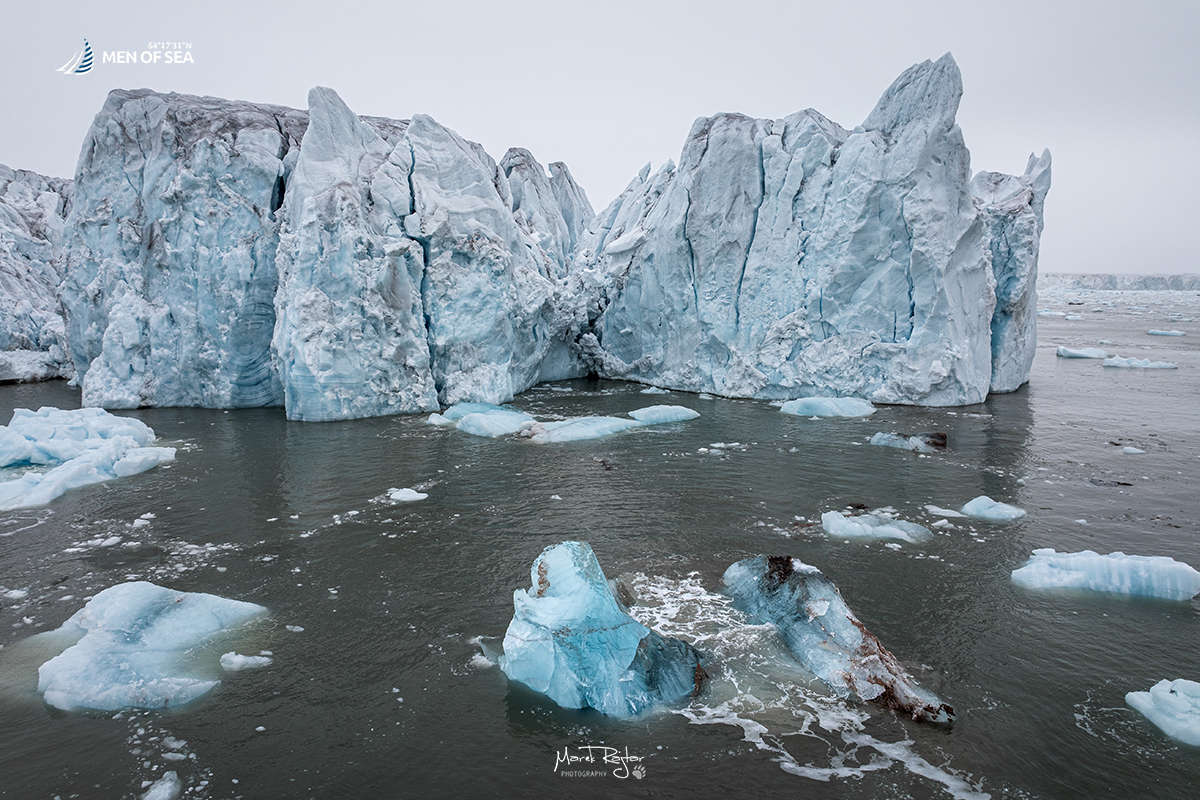
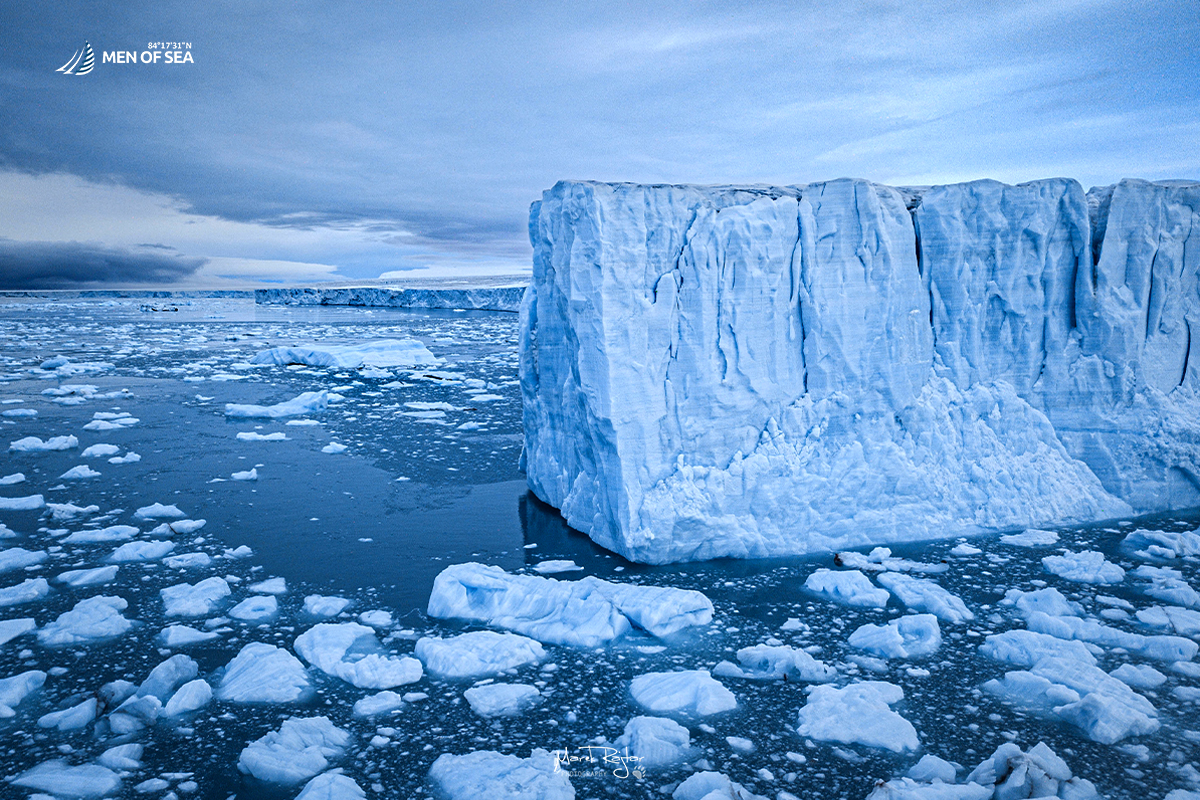
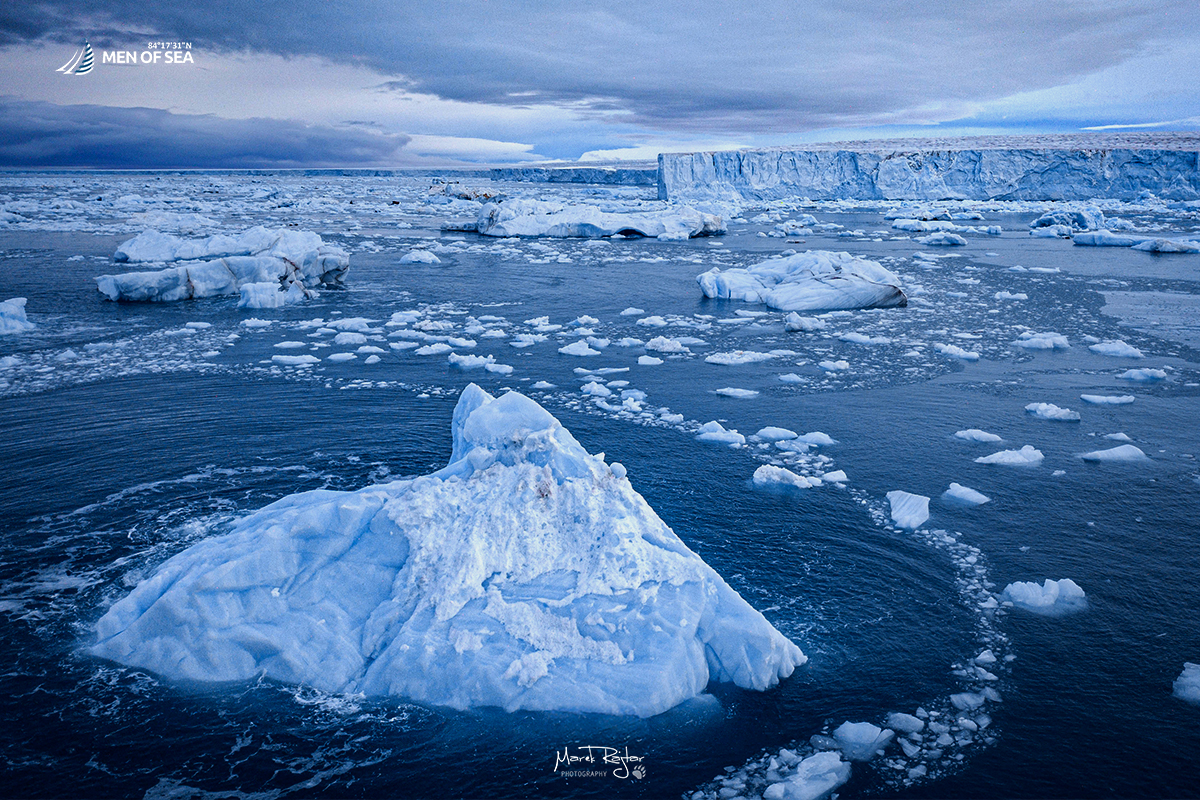
This is where we often encounter moving ice fields, dense belts of drifting ice and some of the largest icebergs in Svalbard.
Austfonna – the Ice Giant of Svalbard
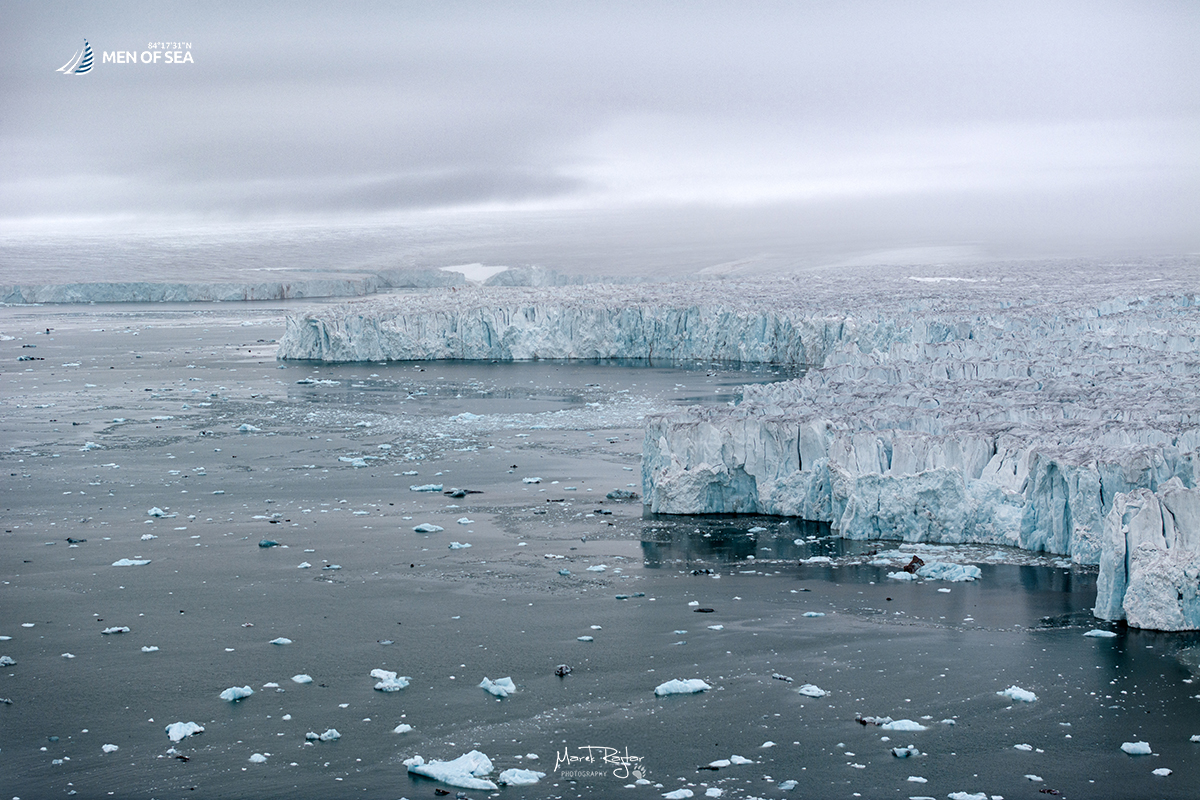
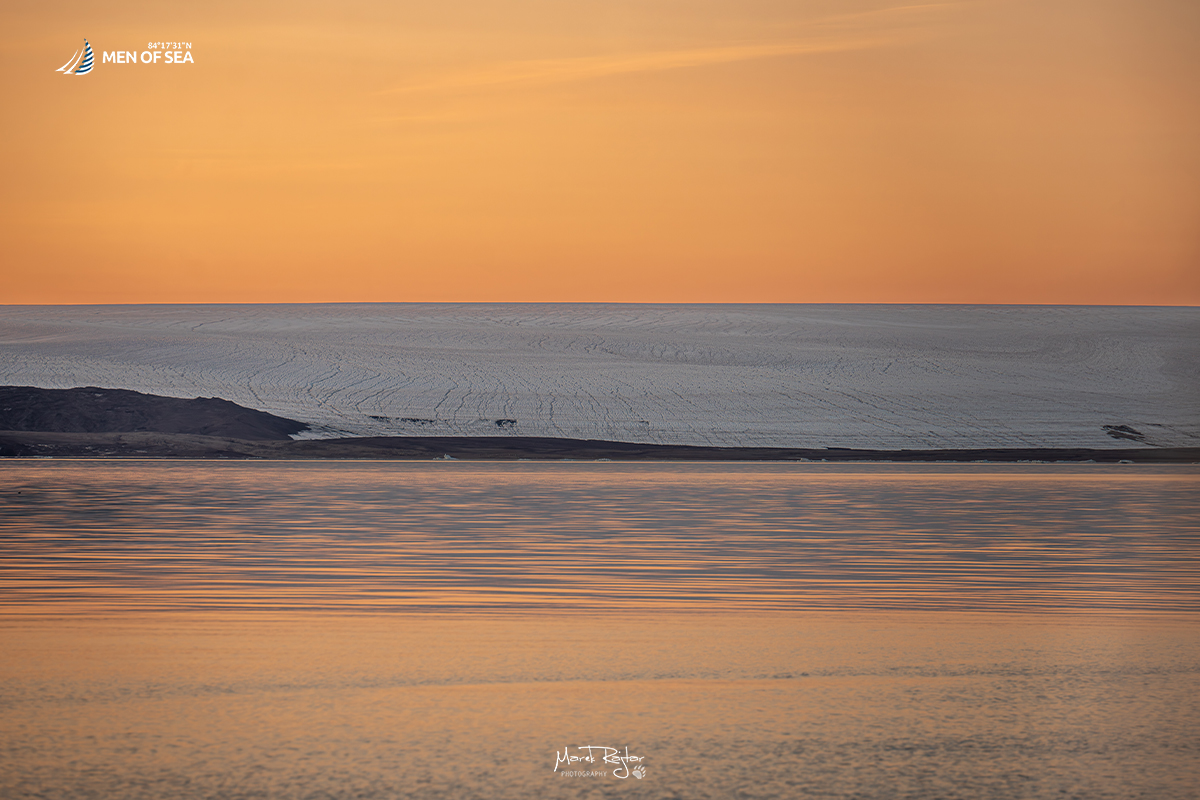
The most impressive ice feature of Nordaustlandet is undoubtedly Austfonna. It is one of the largest ice caps in the region and one of the most spectacular glacier landscapes in the Arctic. Only when sailing close to Austfonna does its true scale become apparent.
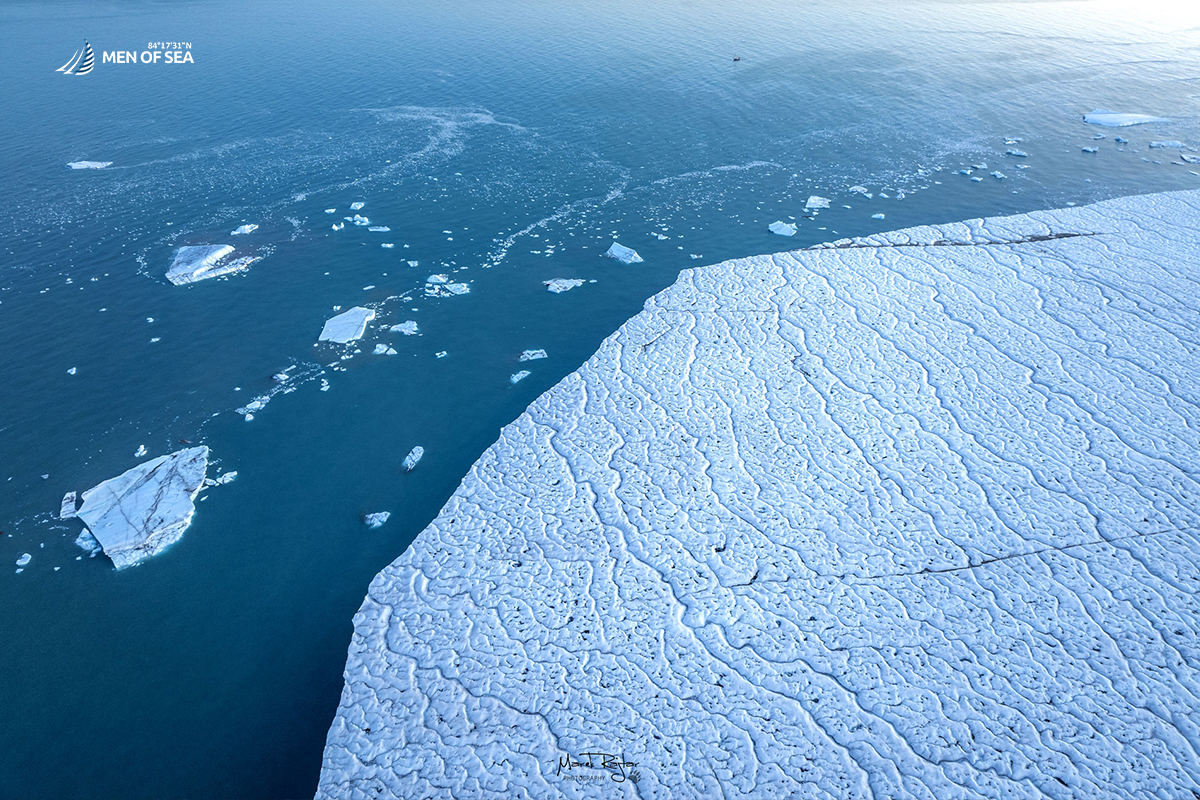
This is not a single glacier that can be taken in with one glance. It is an enormous world of ice stretching for kilometre after kilometre. The surrounding waters often contain large amounts of sea ice, while the landscape is dominated by white, blue and the cold northern light.
For us, the Austfonna region is one of the places that most powerfully demonstrates the scale and wilderness of Svalbard.
Vestfonna – Less Famous, but Equally Impressive
The second major ice cap on Nordaustlandet is Vestfonna. Although it often remains in the shadow of the better-known Austfonna, it is equally impressive. Vestfonna reinforces the truly glacial character of Nordaustlandet.
The presence of these enormous ice caps makes the island one of the most heavily glaciated and most distinctly Arctic parts of the entire Svalbard archipelago. For travellers who want to experience Svalbard at its rawest, Nordaustlandet is a truly exceptional destination.
Bråsvellbreen – an Ice Wall Covered with Waterfalls
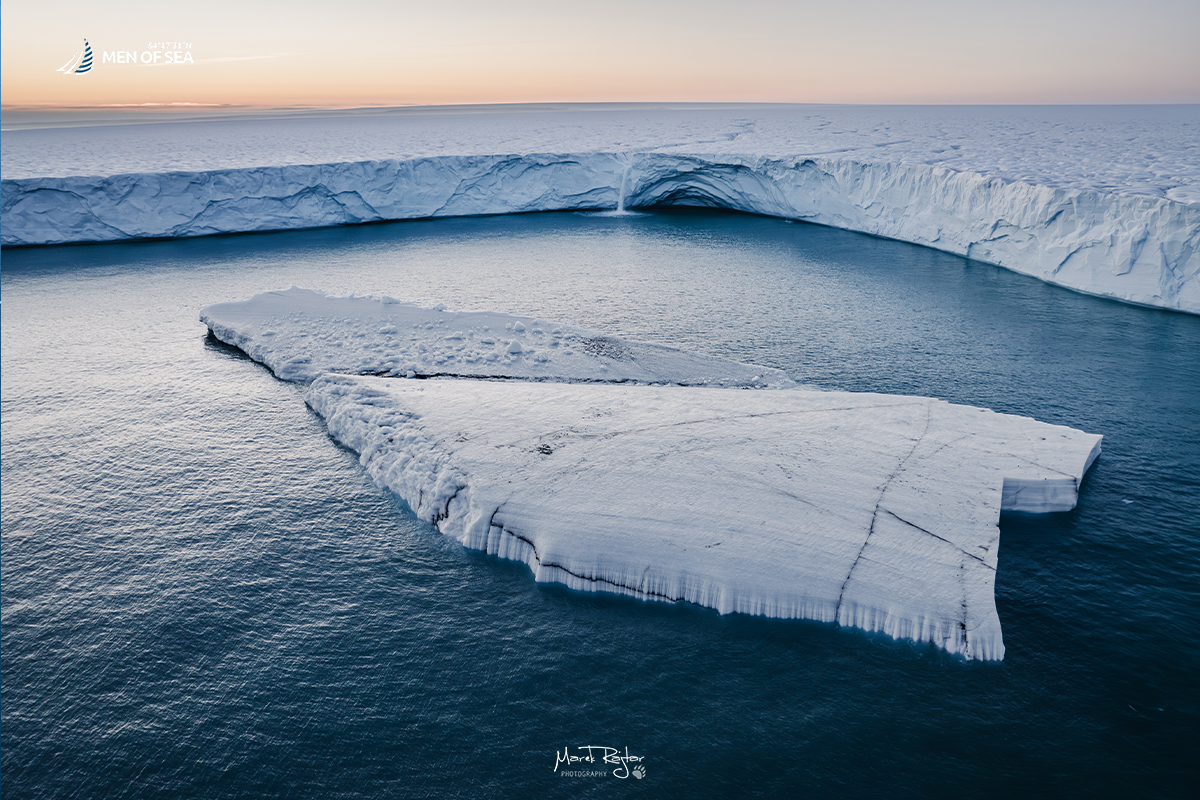
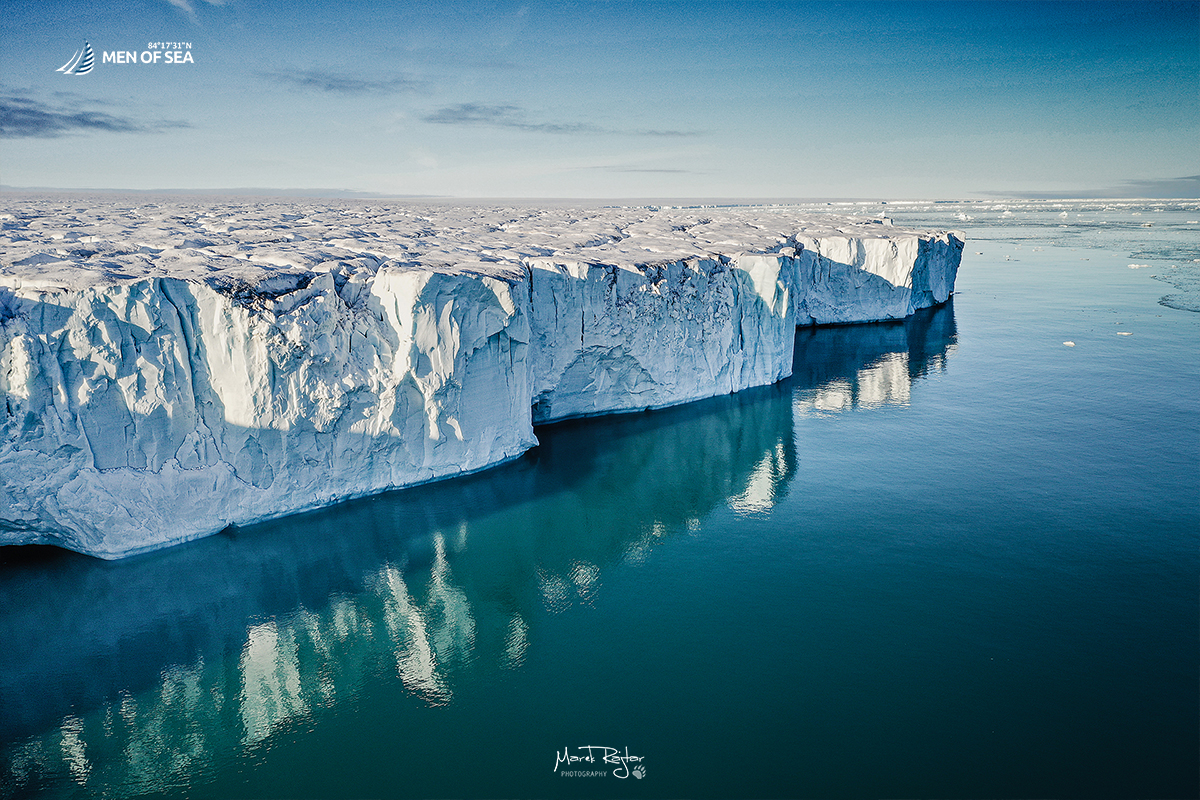
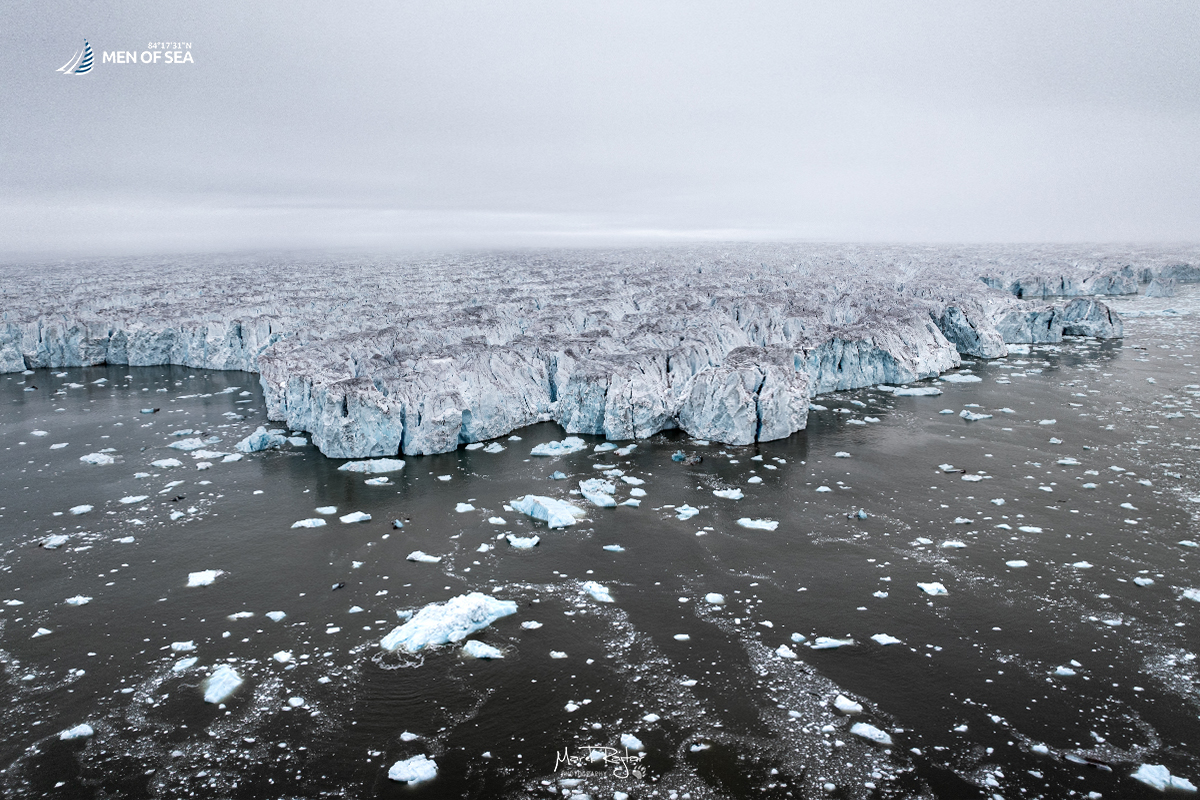
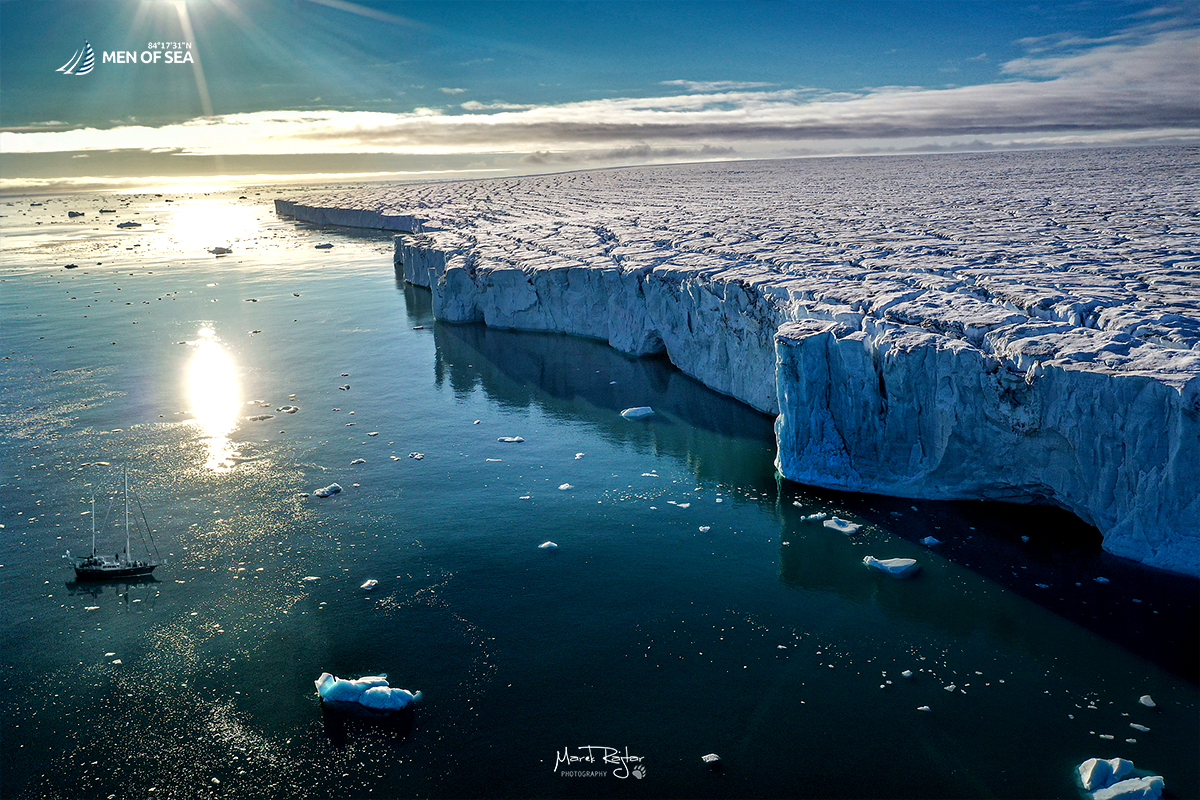
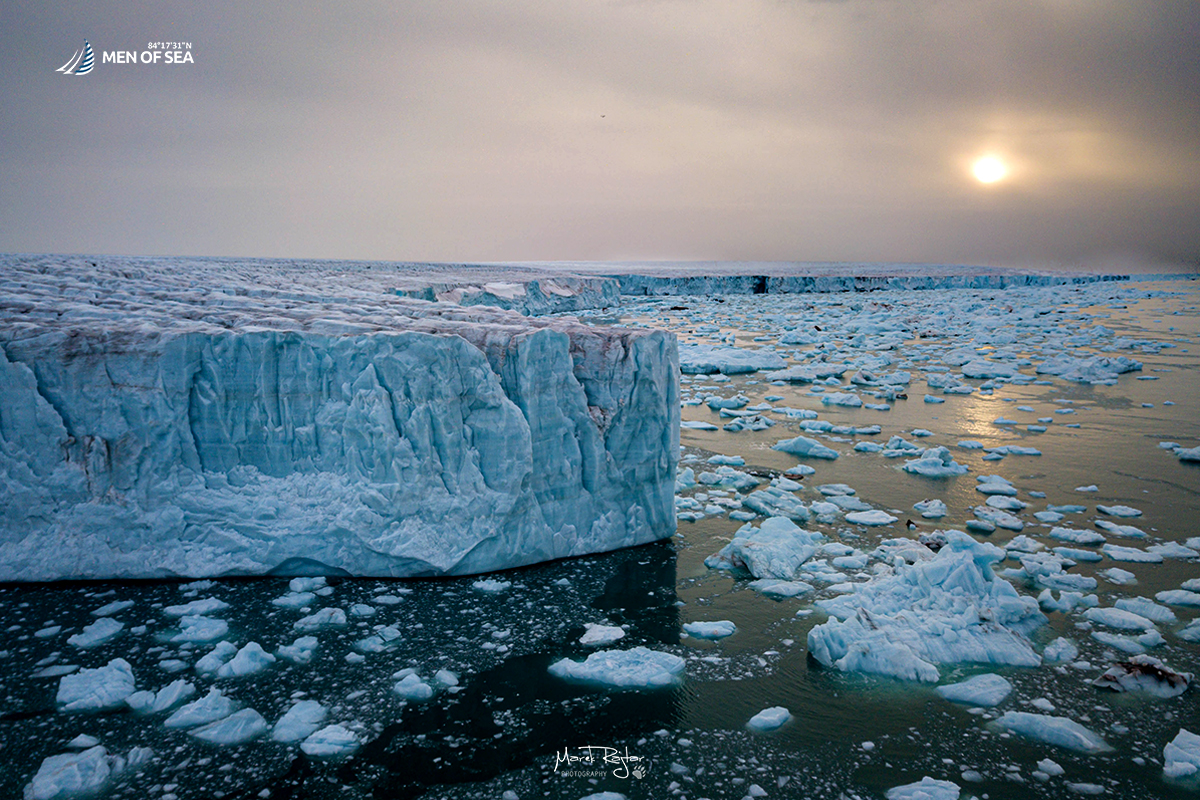
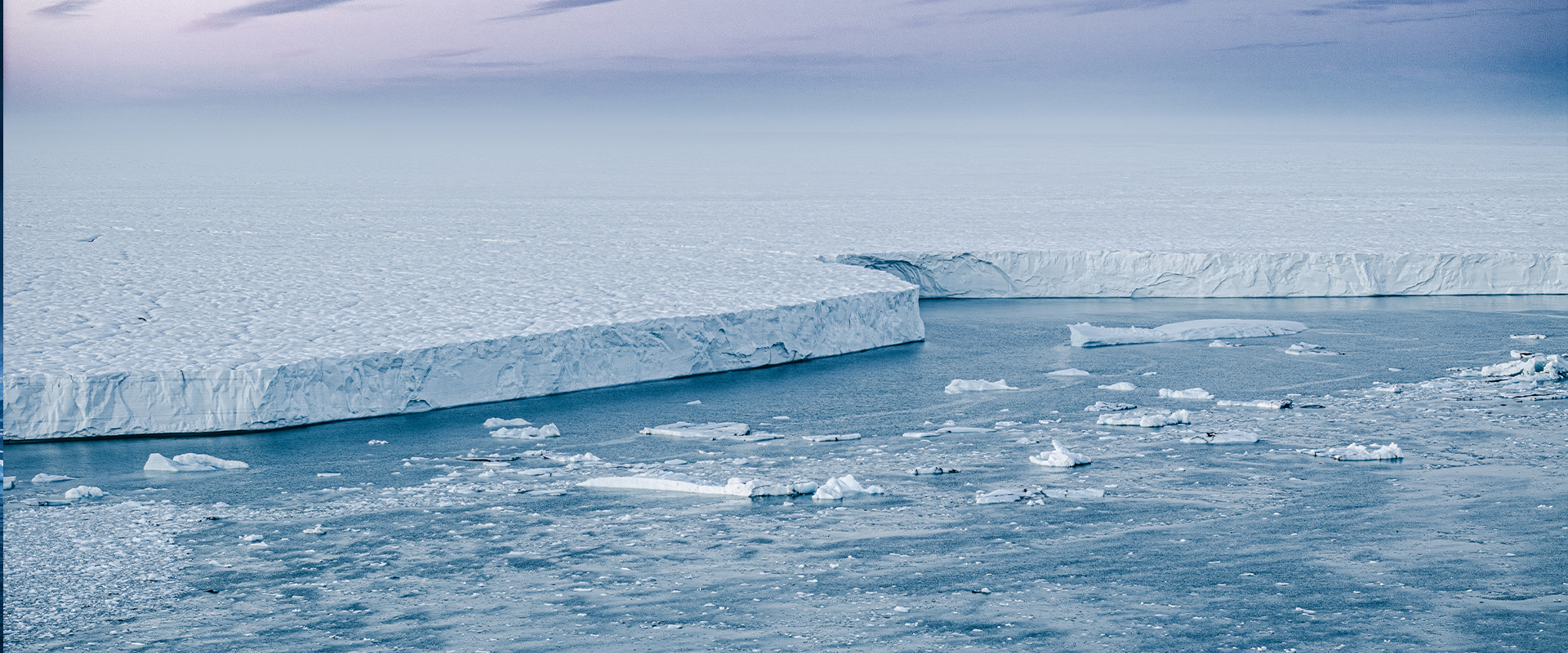
One of the most beautiful and spectacular places in this part of Svalbard is Bråsvellbreen. It forms part of the southern margin of Austfonna and creates a vast wall of glacier ice along the coast.
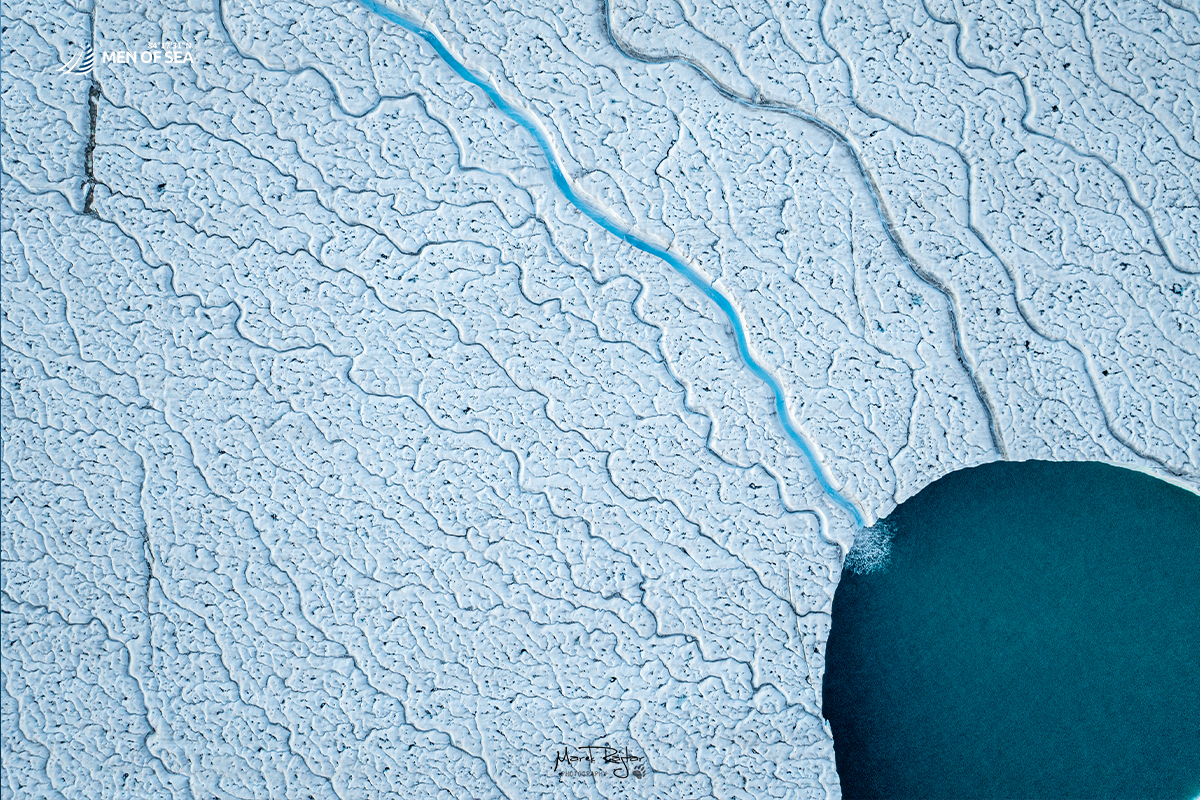
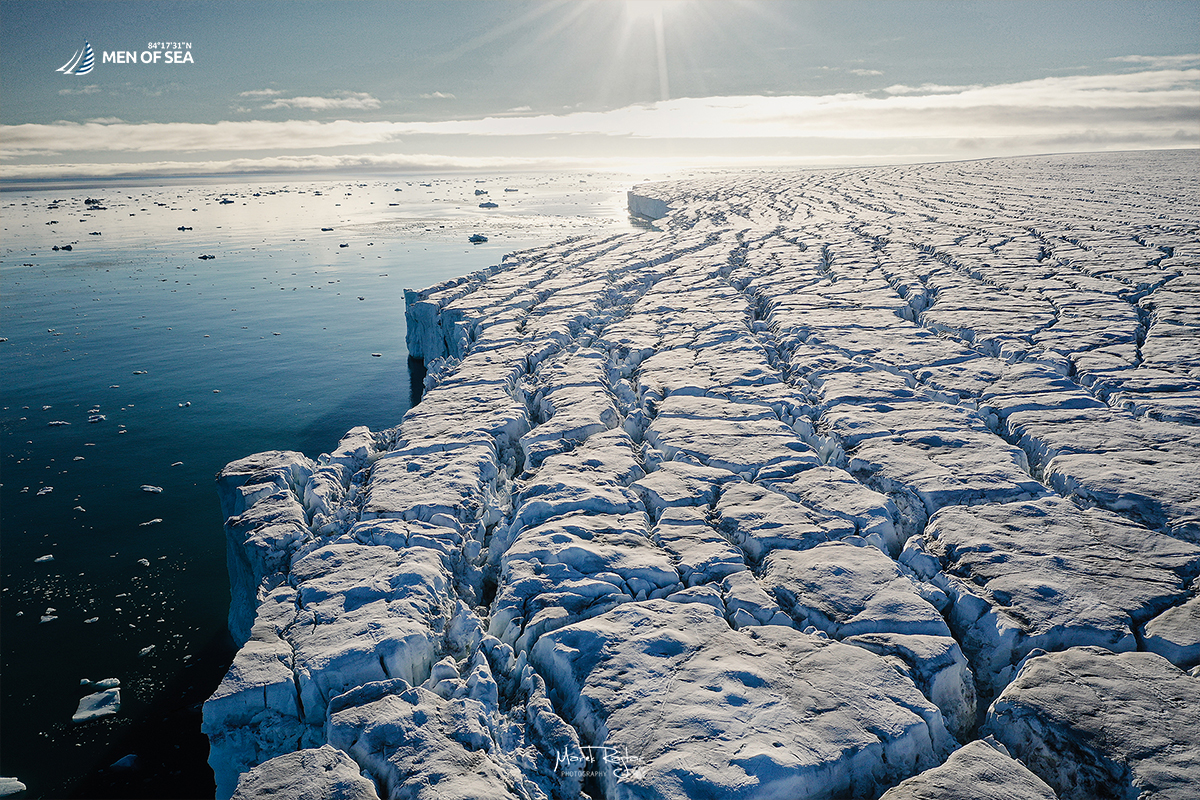
The scale of Bråsvellbreen is what makes it so remarkable. Its long, monumental ice front stretches for kilometres and forms one of the most extraordinary frozen coastlines in the Arctic. During the melting season, numerous waterfalls flow down the glacier wall, making the landscape even more dramatic.
The combination of an immense ice wall, blue crevasses, flowing water and drifting sea ice makes Bråsvellbreen one of the most memorable places to visit in Svalbard.
Wahlenbergfjorden and Palanderbukta – Hidden Beauty in the Heart of Nordaustlandet
Nordaustlandet is not only about exposed ice-covered coastlines. Deeper inside this Arctic landscape are quieter, more sheltered areas that are just as beautiful. Two of the most remarkable are Wahlenbergfjorden and Palanderbukta.
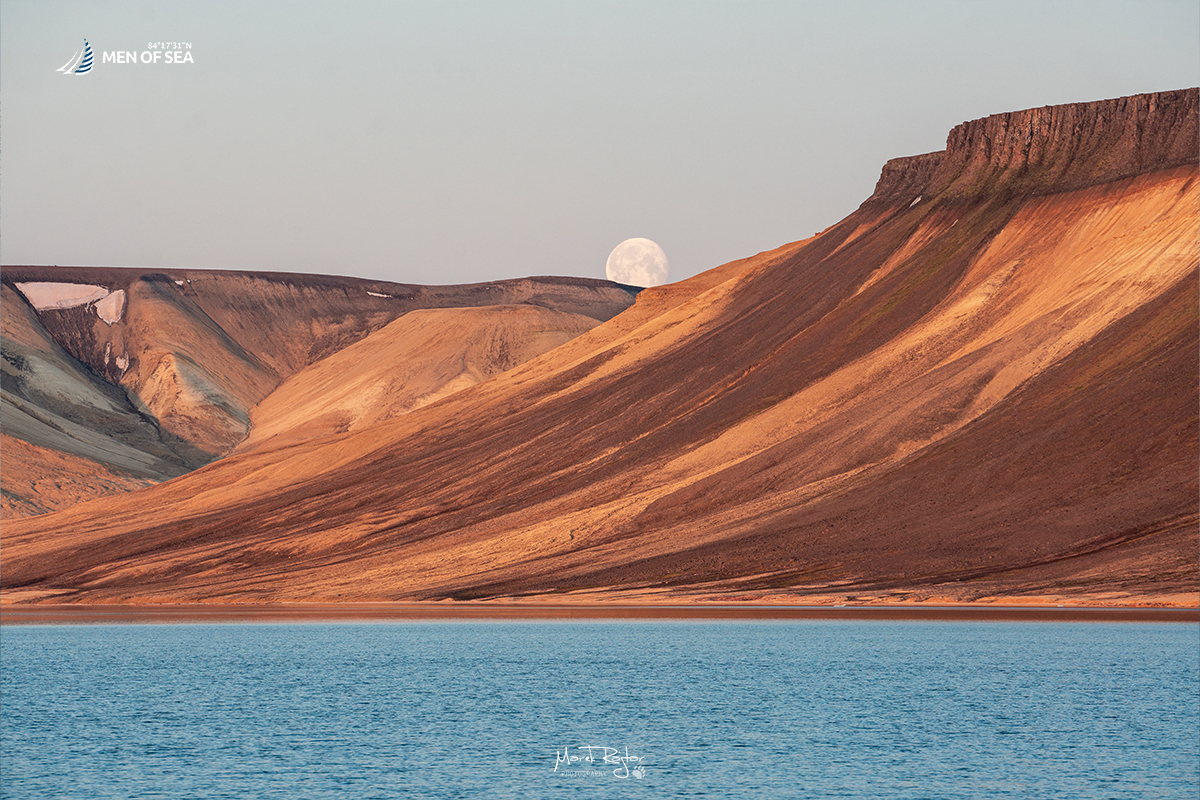
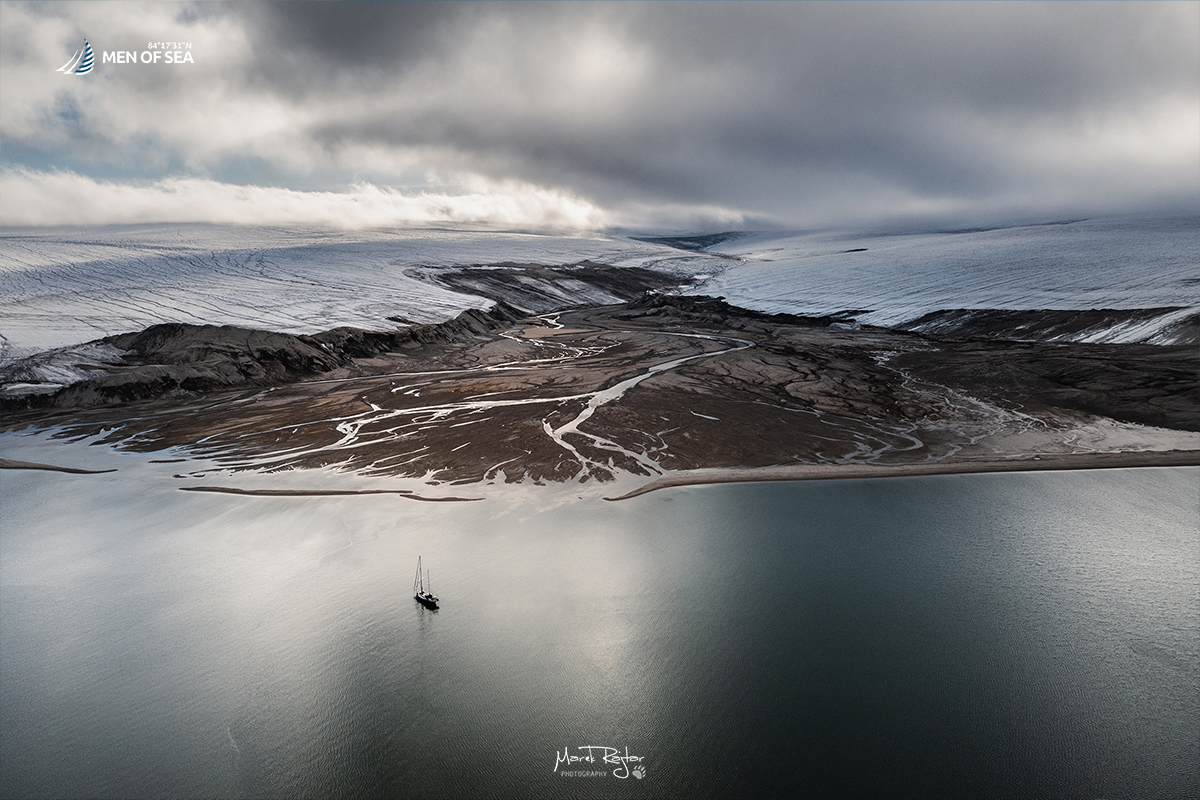
Wahlenbergfjorden has a unique sense of space and tranquillity. It is a fjord where the distance from the outside world becomes very real. Rugged shores, Arctic light and the presence of ice create a landscape that stays in the memory for a long time.
Sailing deeper into Wahlenbergfjorden takes you into the heart of Nordaustlandet, where the ice systems of Austfonna and Vestfonna come close to one another. Reliable marine charts are limited in this area, so local experience and previously explored routes are extremely important.
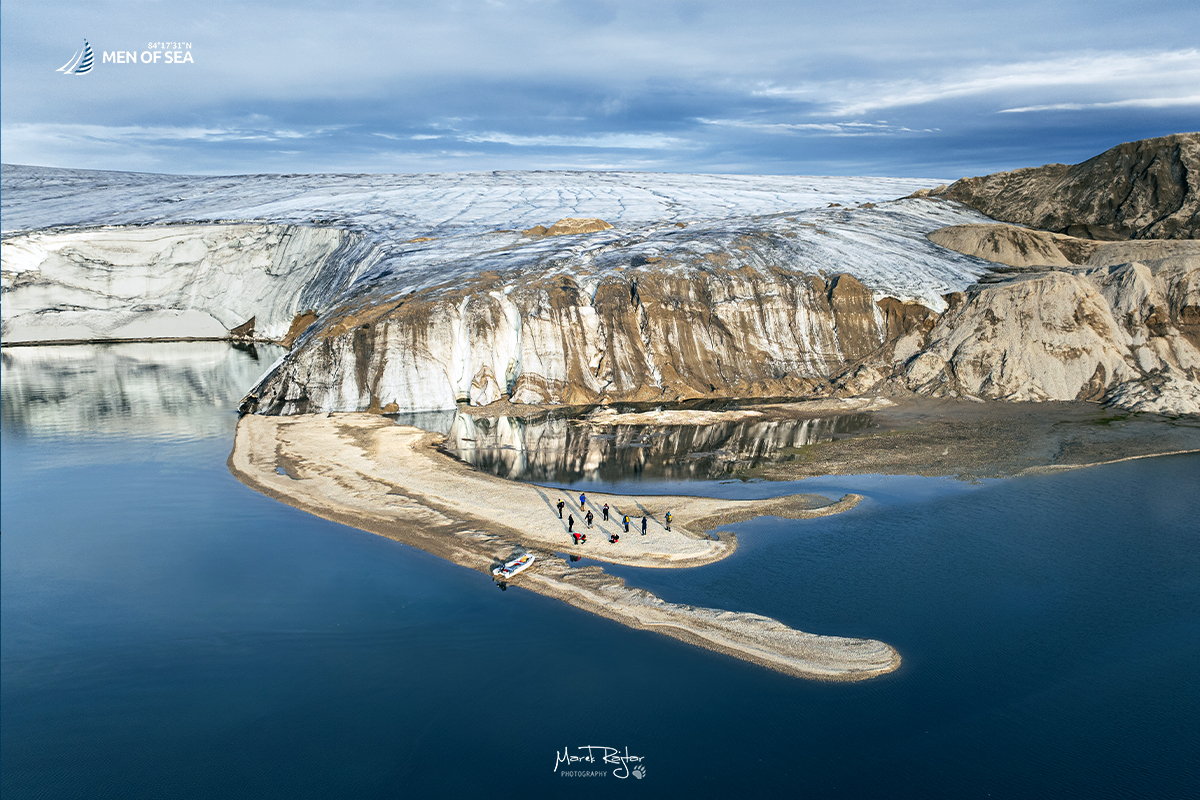
One of the most beautiful places in this region is Palanderbukta. It has an extraordinary atmosphere, where Arctic silence, ice and vast open space create a truly expedition-like experience. For us, it is one of the places that shows just how varied and surprising Nordaustlandet can be.
A landing can be made on a nearby beach, from where it is possible to approach the glacier on foot. Over the years, meltwater flowing from the glacier has also carved caves into the landscape.
A Land of Sea Ice, Icebergs and Moving Ice Fields
The Nordaustlandet region, especially around Austfonna and the southern part of Hinlopenstretet, is known for difficult and constantly changing ice conditions. Large drifting ice fields, compact belts of sea ice and huge icebergs are common here, including some of the largest icebergs found anywhere in Svalbard.
It is the sheer amount of ice that gives sailing in this region its true polar character. Every day brings different conditions and a different landscape.
The ice is constantly moving, changing access to fjords, coasts and possible routes. For this reason, an expedition to Nordaustlandet always requires experience, patience and a willingness to adapt the plan to what the Arctic allows.
We have sailed through Hinlopenstretet many times. Once, we were unable to pass because there was simply too much ice. Fog is also common in this area and can make navigation considerably more difficult.
Even with many passages behind us, every transit of Hinlopenstretet remains a serious and memorable experience.
Wildlife of Nordaustlandet and Hinlopenstretet
Nordaustlandet and the surrounding waters are not only a world of ice. They are also a fascinating region for observing Arctic wildlife. In recent years, we have increasingly encountered humpback whales in Hinlopenstretet. They also travel deeper into Palanderbukta and Wahlenbergfjorden.
Seeing humpbacks in such a remote, ice-filled landscape is an unforgettable experience and one of the most impressive wildlife encounters during our expeditions in this region. There is also a walrus colony near Svartberget. Walruses are often seen not only on land, but also resting on ice floes. The same is true of seals, which regularly use drifting sea ice as a resting platform.
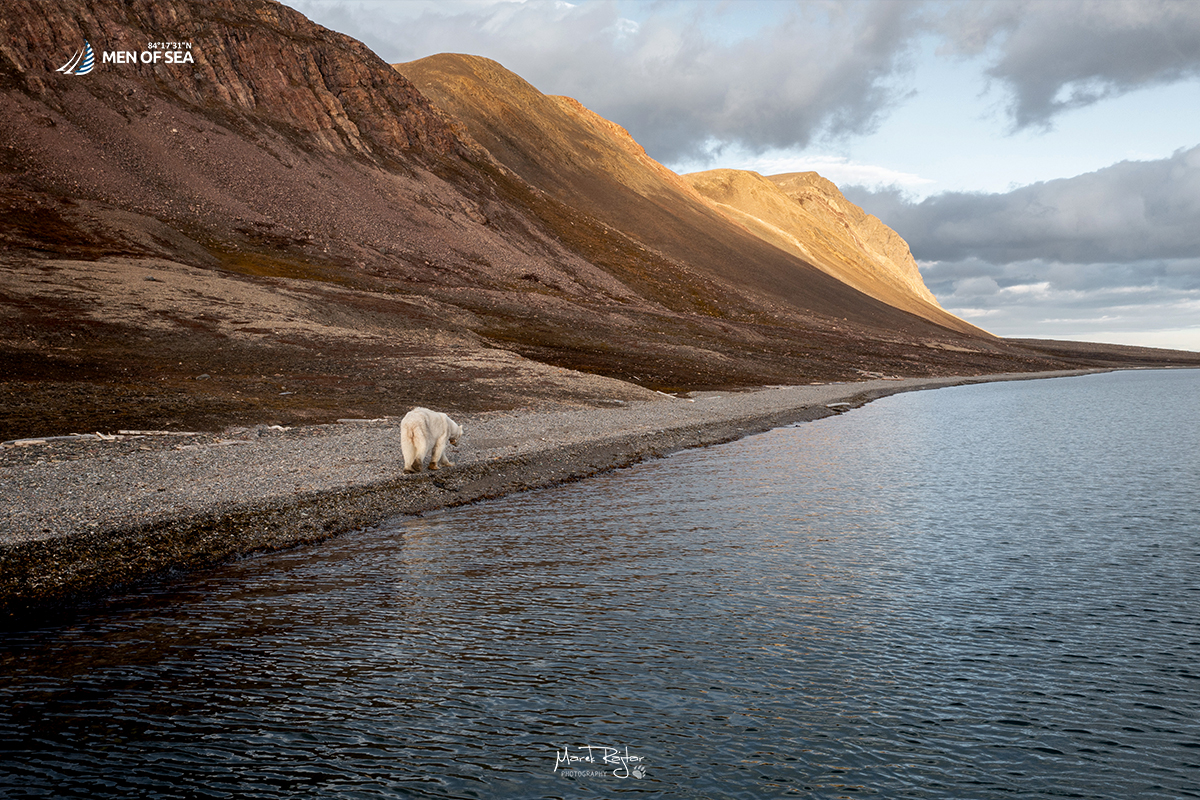
The presence of seals also makes the region important for polar bear observations. During our expeditions, we have seen polar bears many times walking along the shores of Nordaustlandet and moving close to the sea ice.
Everything is connected in this part of Svalbard: ice attracts seals, seals attract polar bears, while productive fjord waters attract whales and seabirds.
Nordaustlandet is therefore not only a spectacular landscape of glaciers and icebergs. It is also one of those regions of Svalbard where many different Arctic species can be encountered in their natural environment during a single expedition.
The region is also home to one of Svalbard’s most famous bird cliffs: Alkefjellet.
Our Expeditions to Nordaustlandet
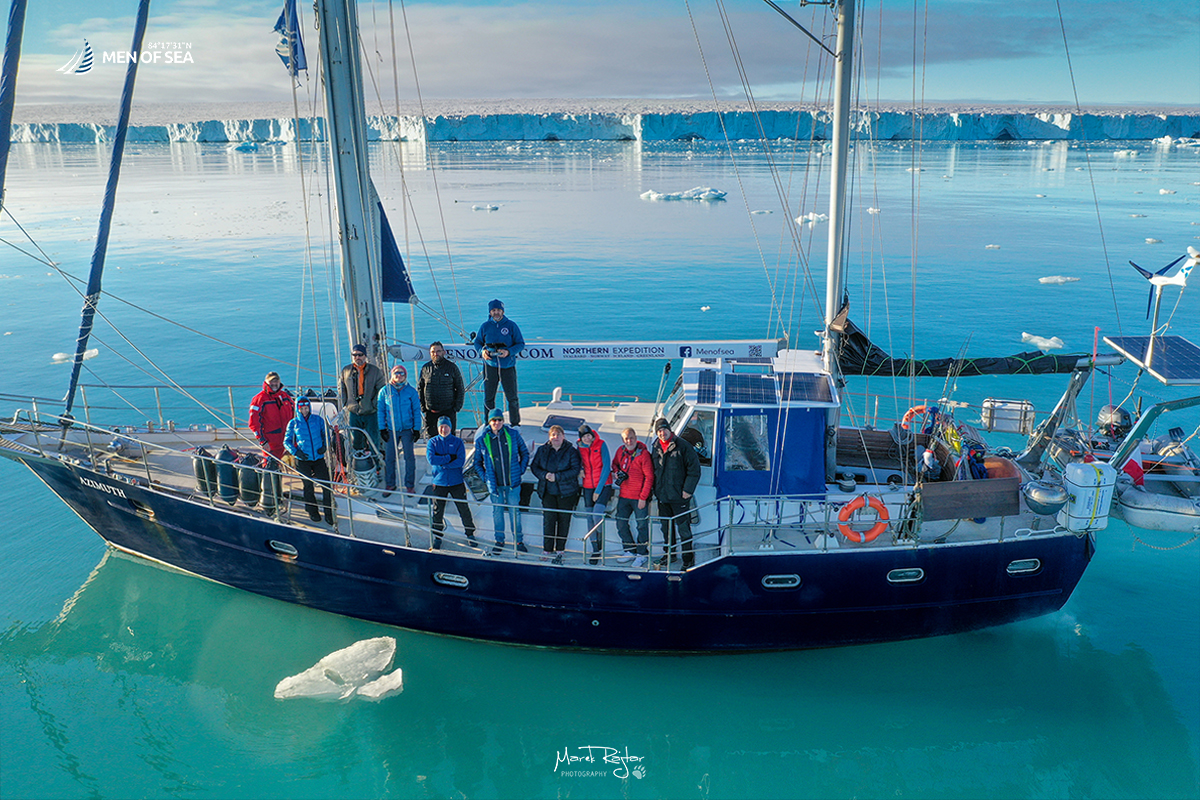
Nordaustlandet is one of the most important expedition destinations for Men of Sea in the entire Svalbard archipelago. We have been exploring this region for 10 years, and every year we try to return.
We usually organise one or two expeditions each year, most often around late August and early September. This is usually when sea ice reaches its seasonal minimum and conditions offer the best chance of reaching the more remote parts of Nordaustlandet. Even then, however, sailing is never easy.
The area around Austfonna, the southern part of Hinlopenstretet and the eastern coast of Nordaustlandet remains one of the most demanding regions in Svalbard. Our expeditions to this region are not designed for first-time Arctic travellers.
We treat them as expeditions for experienced polar travellers — participants who have already sailed with us in Svalbard, understand the realities of a yacht expedition and know that in the Arctic the plan must always remain subordinate to weather, ice and safety.
These are not standard tourist cruises with a fixed itinerary. Every expedition has a goal, but the route depends on current ice conditions. Sometimes it is possible to sail deep into Hinlopenstretet.
At other times, we need to search for a passage between ice fields or change the plan completely. For us, this region best represents the true character of expedition sailing.
Austfonna, Bråsvellbreen, Vestfonna, Wahlenbergfjorden, Palanderbukta and Hinlopenstretet are places we want to return to and understand better with every expedition.
Nordaustlandet remains the main destination of our more demanding Men of Sea expeditions — a place where the spirit of genuine polar exploration can still be felt.
Nordaustlandet – One of the Most Extraordinary Parts of Svalbard
For many visitors, Svalbard is associated mainly with western Spitsbergen, its fjords and settlements such as Longyearbyen or Ny-Ålesund. But Nordaustlandet shows a completely different face of the archipelago.
It is a land of enormous glaciers, monumental ice caps, difficult waters and vast open spaces. It is more remote, less accessible and far more expedition-like. That is precisely why it is so impressive.
For us, Nordaustlandet is one of the most beautiful and exceptional regions of Svalbard. It is the Arctic in one of its purest, wildest and most ice-covered forms.
FAQ – Nordaustlandet, Svalbard
Where is Nordaustlandet?
Nordaustlandet, or the North-East Land, is the second-largest island in the Svalbard archipelago. It lies northeast of Spitsbergen and is separated from it by Hinlopenstretet.
What is Nordaustlandet famous for?
Nordaustlandet is famous for enormous ice caps, rugged coastlines, drifting sea ice and some of the most spectacular glacier landscapes in Svalbard. The best-known places include Austfonna, Vestfonna, Bråsvellbreen, Wahlenbergfjorden and Palanderbukta.
What is Hinlopenstretet?
Hinlopenstretet is the strait separating Spitsbergen from Nordaustlandet. It is one of the most beautiful but also one of the more demanding areas for navigation in Svalbard.
Is Hinlopenstretet difficult to sail?
Yes. Conditions can change rapidly. Wind, currents, fog and drifting ice can all affect navigation, particularly in the southern part of the strait.
What is Austfonna?
Austfonna is the largest ice cap in Svalbard and one of the most impressive glacier systems in the Arctic. It covers a large part of Nordaustlandet, and many of its outlet glaciers terminate directly in the sea.
What is Vestfonna?
Vestfonna is the second major ice cap on Nordaustlandet. Although less famous than Austfonna, it is one of the defining features of the island’s glaciated landscape.
What is Bråsvellbreen?
Bråsvellbreen is a huge outlet glacier connected with Austfonna. It is famous for its long glacier wall and the numerous waterfalls that flow down its surface during the summer melting season.
Why is Bråsvellbreen so spectacular?
Its huge wall of ice, blue glacier sections, waterfalls and drifting ice create one of the most extraordinary landscapes in Svalbard.
What is Wahlenbergfjorden?
Wahlenbergfjorden is a large fjord extending deep into Nordaustlandet. It is surrounded by glaciers, mountains and vast Arctic wilderness and can be considered one of the geographical hearts of the island.
Where is Palanderbukta?
Palanderbukta is a bay in the Wahlenbergfjorden region. It is one of the most scenic and peaceful places in the interior of Nordaustlandet, and in suitable conditions it is possible to hike towards a glacier front.
Is there a lot of sea ice around Nordaustlandet?
Yes. Large amounts of drifting sea ice, ice fields and large icebergs are often found around Austfonna and the southern part of Hinlopenstretet.
Where can you see the largest icebergs in Svalbard?
Some of the largest icebergs in Svalbard can be encountered around Nordaustlandet, particularly near Austfonna and its marine-terminating glaciers.
When is the best time to visit Nordaustlandet?
The best yacht access is usually around the end of summer and beginning of autumn, particularly in August and early September. However, actual access always depends on current ice and weather conditions, which change every year.
Can every expedition reach Nordaustlandet?
No. Access depends strongly on sea ice, weather and navigation conditions. Routes must remain flexible and are often adjusted to the current situation.
Why is Nordaustlandet worth visiting?
Nordaustlandet combines enormous glaciers, drifting sea ice, remote fjords and very little human presence. It is one of the wildest and most expedition-like regions in Svalbard.