DANSKØYA
Land of Bears and Birds
Danskøya Island in Svalbard: The Realm of Polar Bears and Historic Virgohamna
Key Information about Danskøya:
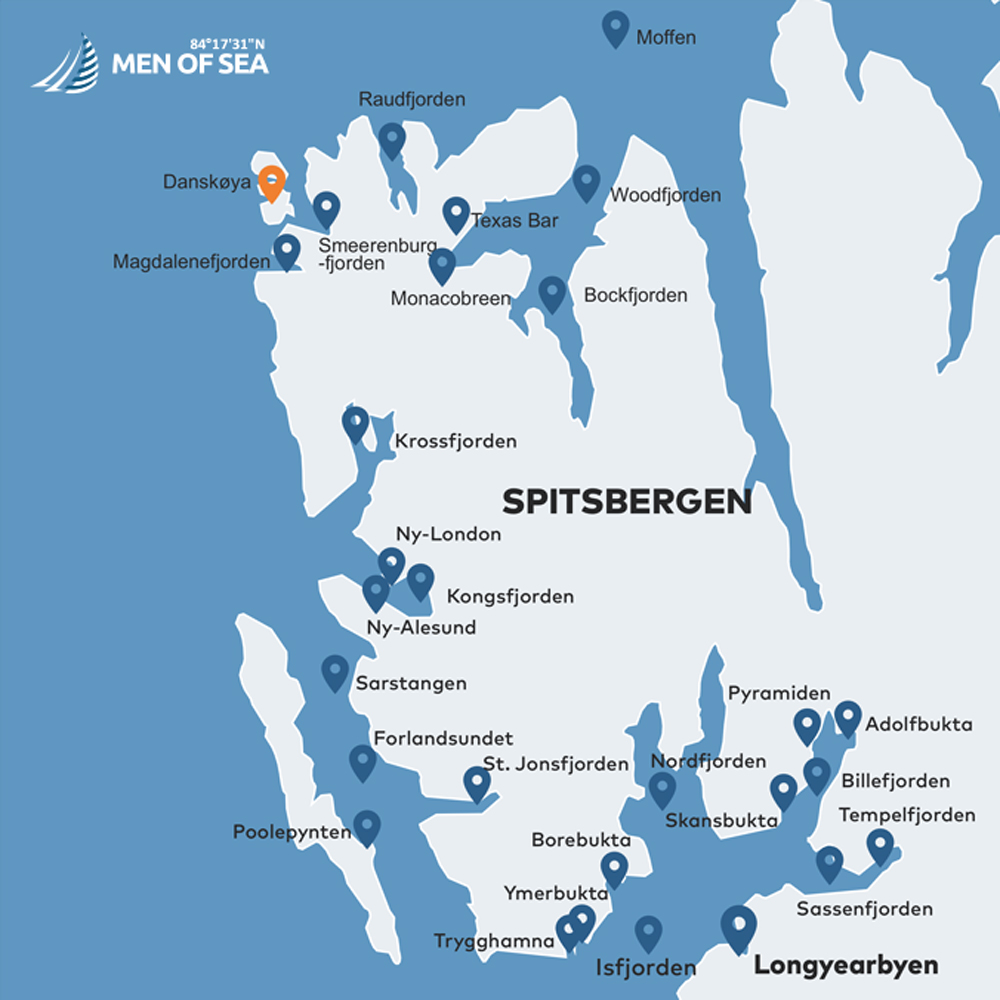
Location: An uninhabited island in the northwestern part of the Svalbard archipelago.
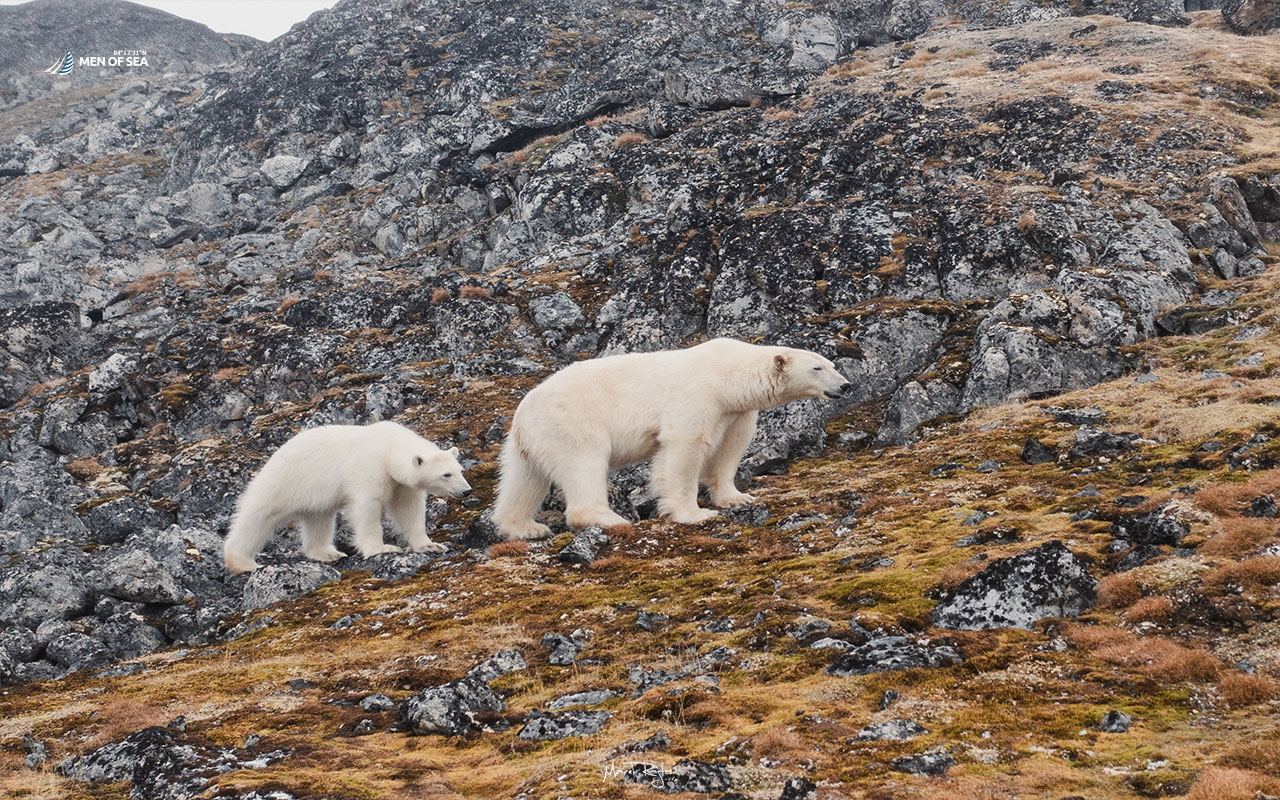
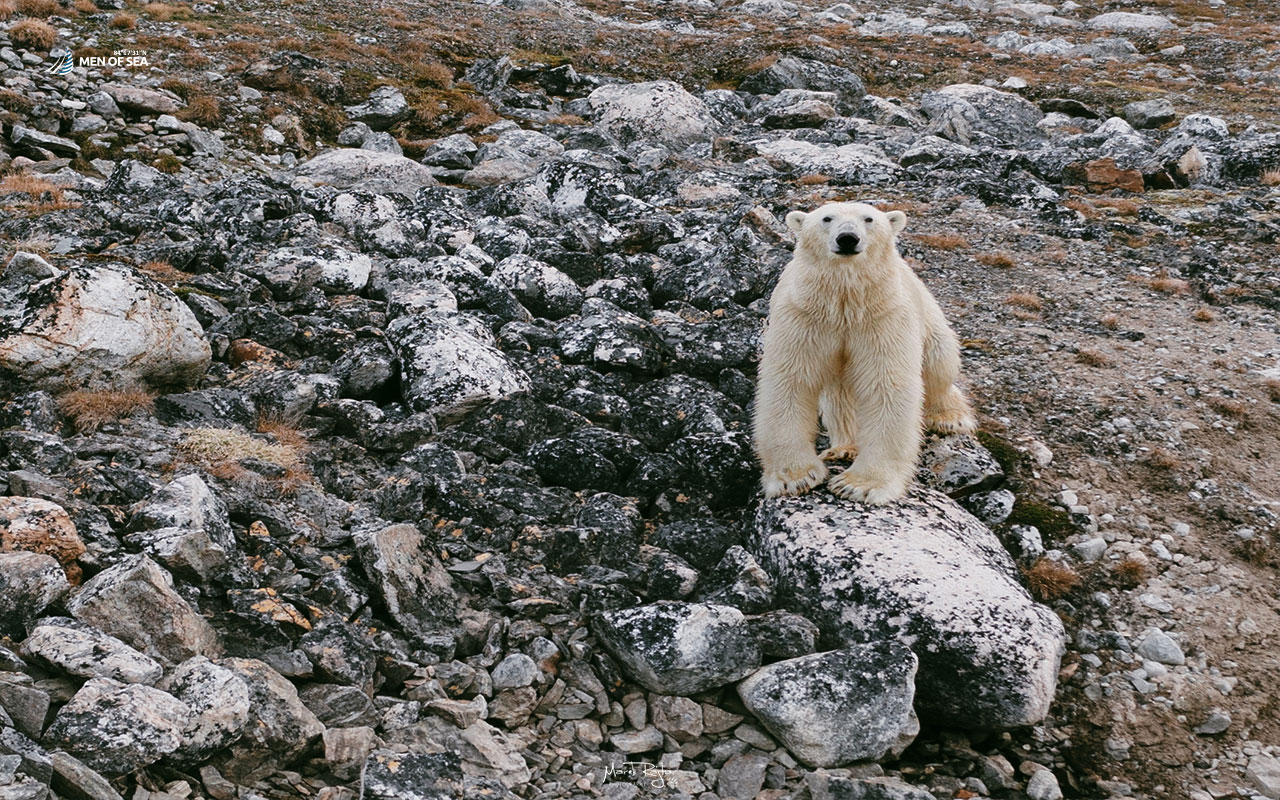
Wildlife: One of the best places in Spitsbergen for year-round polar bear observation. Rich in seabirds, walruses, and whales.
History (Virgohamna): The starting point for famous, failed balloon expeditions to the North Pole (Andrée and Wellman) and the site of a Dutch whaling station.
Protection: The Virgohamna area is strictly protected—entry requires written permission from the Governor of Svalbard.
Reserves: The nearby islets of Moseøya and Skorpa are strict bird sanctuaries with an approach ban during the summer.
Virgohamna: Modest Relics and Grand Dreams of the Pole
At first glance, the landscape of the northern part of Danskøya, particularly Virgohamna bay, might seem gray and bleak. However, for historians and Arctic exploration enthusiasts, this site is absolutely iconic.
Here lie the remains of a former Dutch whaling station, including the ruins of blubber ovens. Yet, it wasn’t the whalers who brought the bay its greatest fame. At the turn of the 19th and 20th centuries, Virgohamna became the base for pioneering attempts to reach the North Pole by air. It was from here that Salomon August Andrée and Walter Wellman launched their famous, yet tragically unsuccessful, balloon expeditions. The bay itself is named after the steamboat Virgo, which transported Andrée’s expedition equipment.
Today, this entire historical area is under strict protection. Fragile artifacts from those years are scattered everywhere: fragments of ruined hangars, remnants of a gas plant, rusted wires, nails, and old wooden boards. Due to its immense historical value, visiting Virgohamna requires special written permission from the Governor of Svalbard (Sysselmesteren).
The Polar Bear Capital of the World
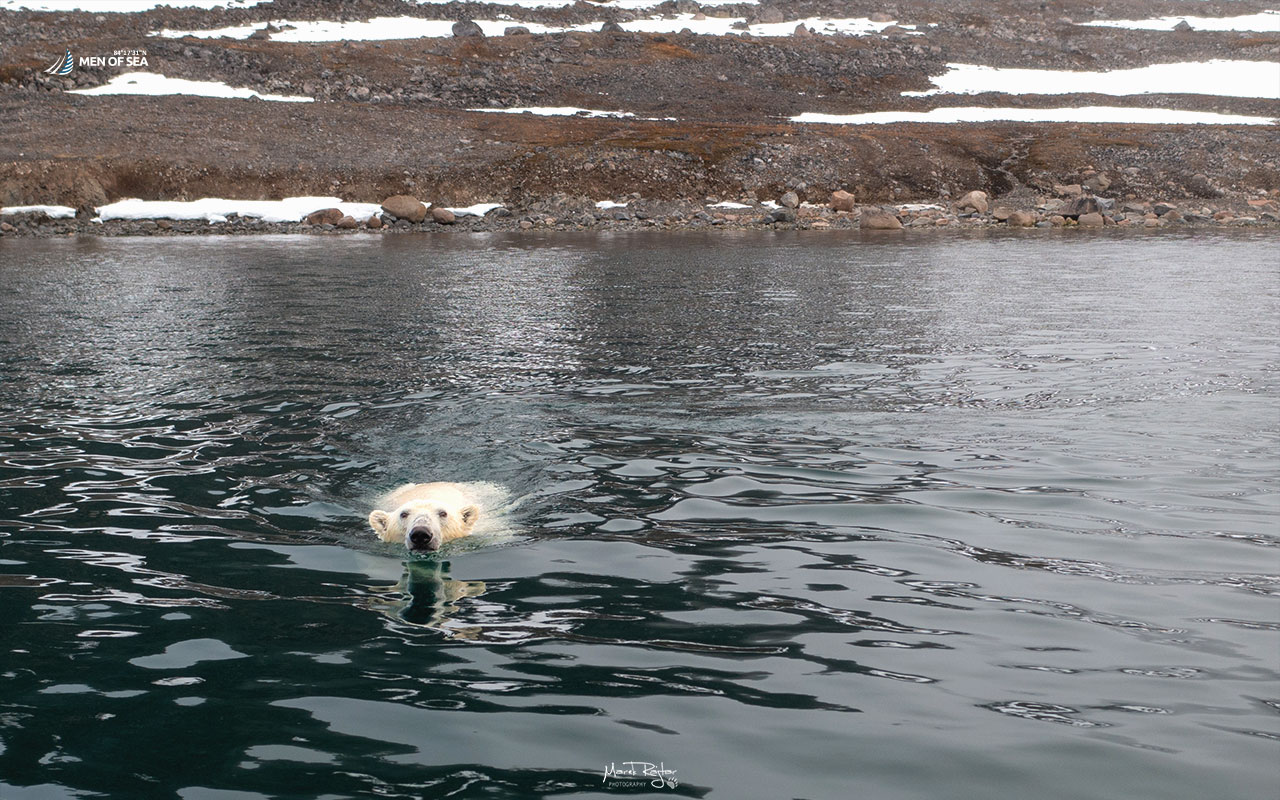
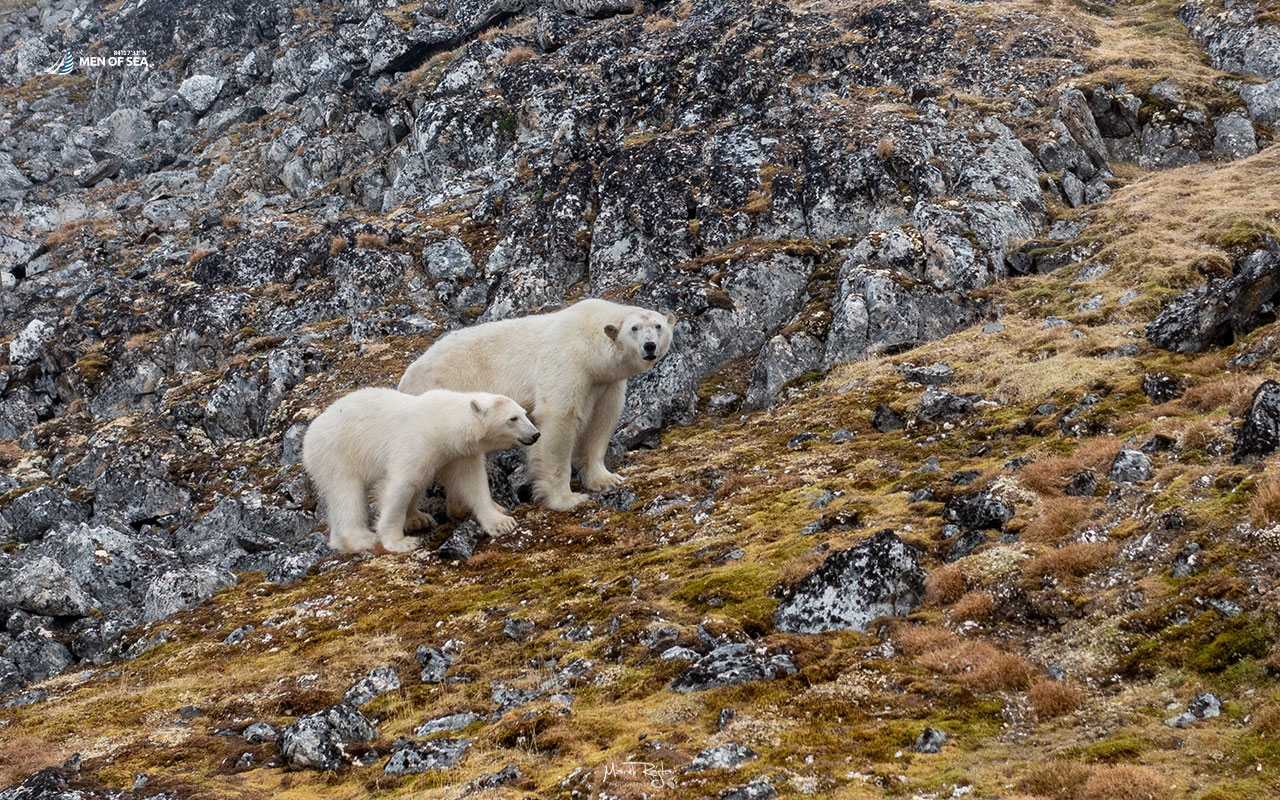
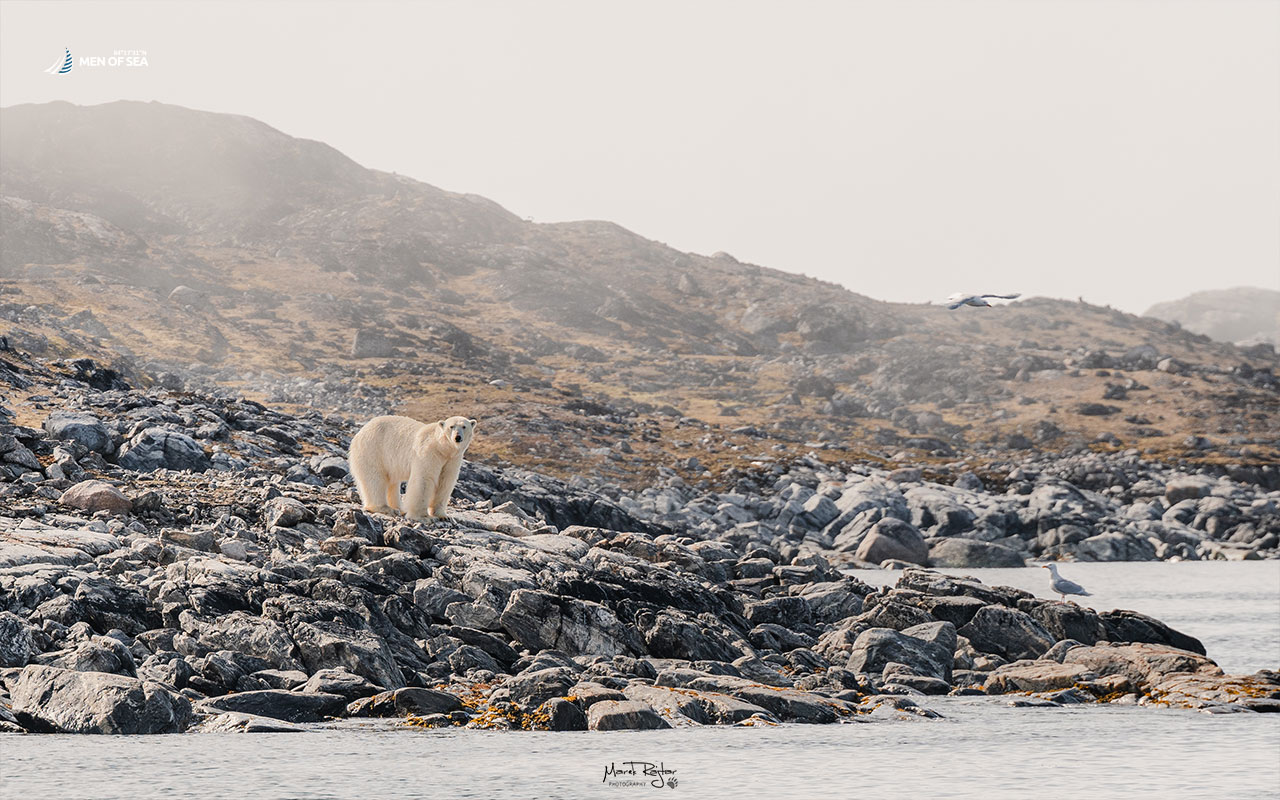
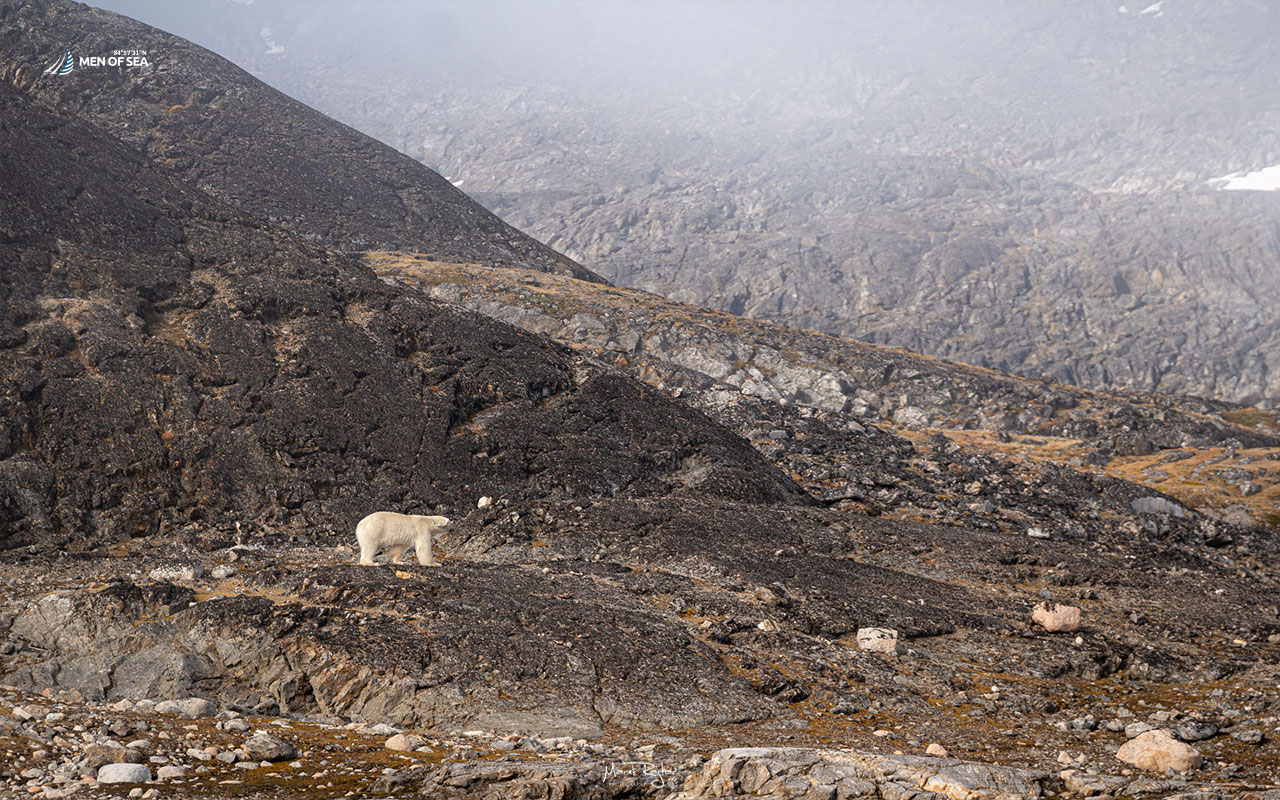
For wildlife lovers, Danskøya is primarily the territory of polar bears. It is estimated that around 3,000 of these apex predators live across Svalbard, but it is in this northwestern region that they are sighted most frequently and year-round.
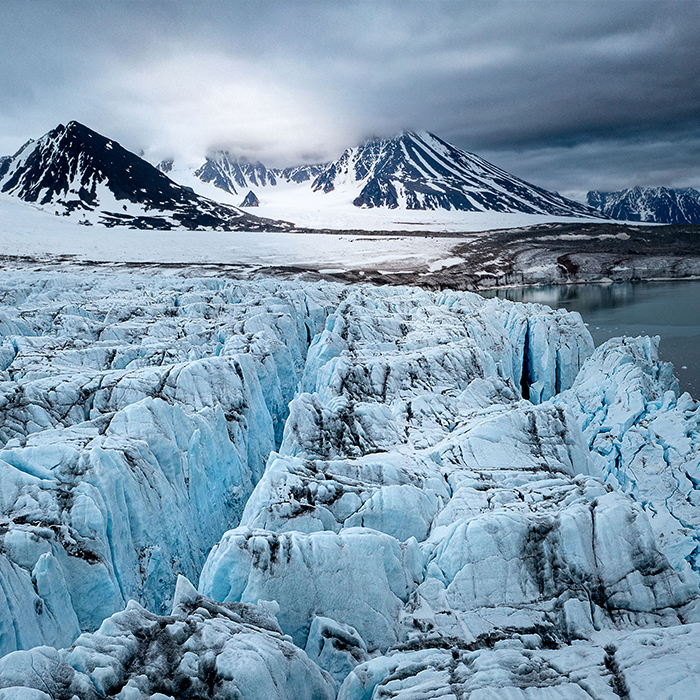
Their presence is closely tied to food availability—they hunt seals, scavenge carcasses, and raid bird nests here. In the spring, when ice still covers the waters, the bears hunt most intensively. In the summer, they often roam the small islets in search of bird eggs or linger near the fronts of surrounding glaciers, where seals are easiest to find. A perfect example of this area’s “bear popularity” occurred in 2017, when the sea washed a dead whale ashore on Danskøya. This sparked a massive gathering of predators, providing tourists on yachts with incredible opportunities for safe observation.
Bird Sanctuaries, Arctic Foxes, and Marine Life
The ecosystem of the Danskøya region—stretching from Magdalenefjorden to Hamiltonbukta—is teeming with life. The steep cliffs of the island are home to a massive number of birds. Scientists have counted as many as 16 colonies of northern fulmars and over a dozen colonies of little auks, Brünnich’s guillemots, black guillemots, and glaucous gulls. Right next to Danskøya lie two unique islets: Moseøya and Skorpa, which have been entirely converted into strict bird sanctuaries. To protect nesting sites, a strict 300-meter approach ban is enforced from May 15 to August 15.
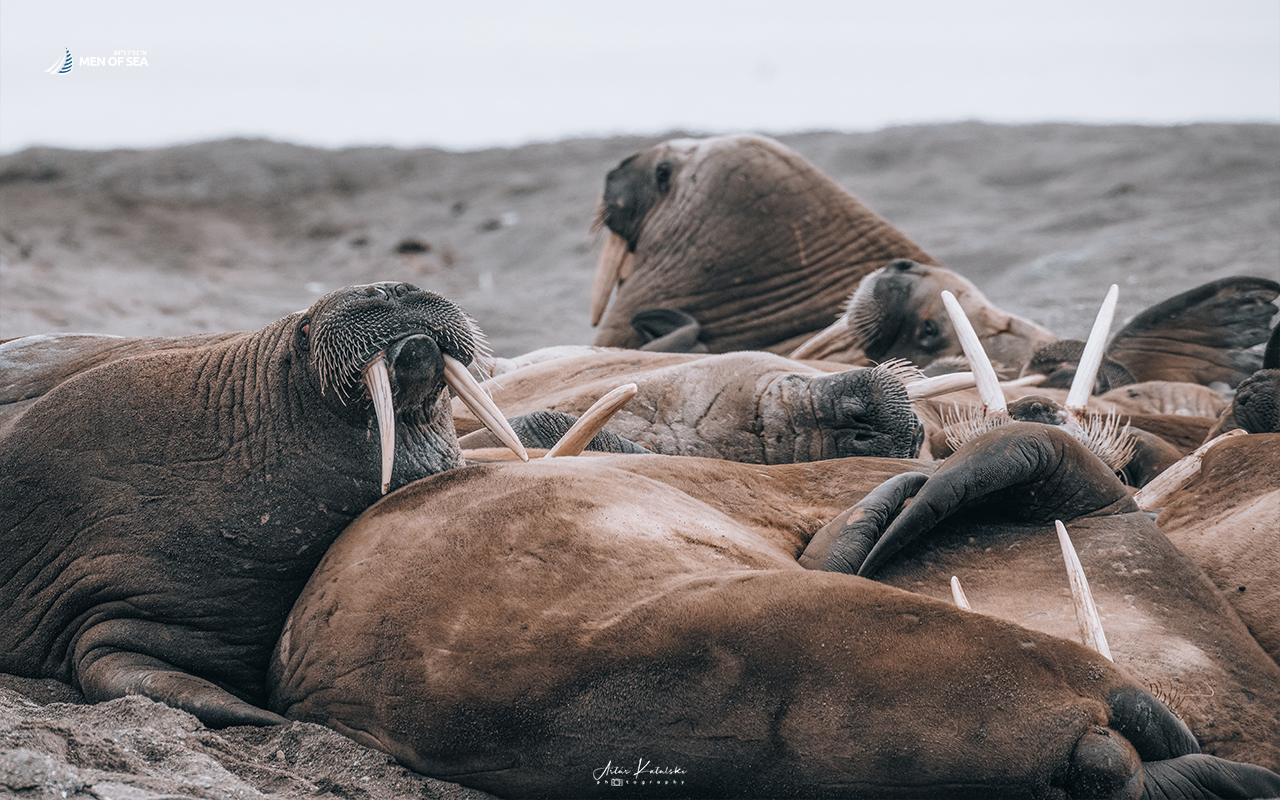
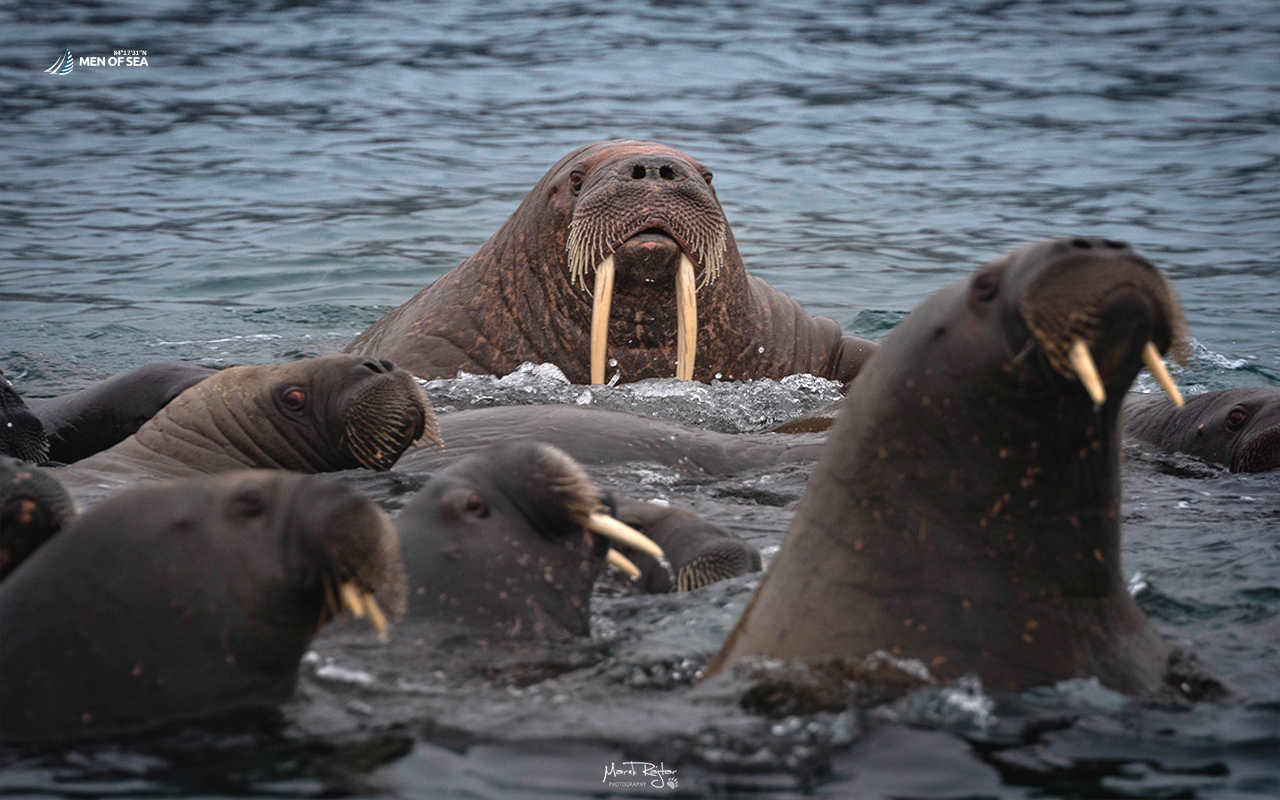
Beneath the bird-filled cliffs, you can often spot scurrying Arctic foxes. The waters surrounding the island are equally rich—they are inhabited by seals (bearded seals, ringed seals, and harp seals), as well as massive walruses and whales, with minke whales and pods of belugas being the most commonly sighted.
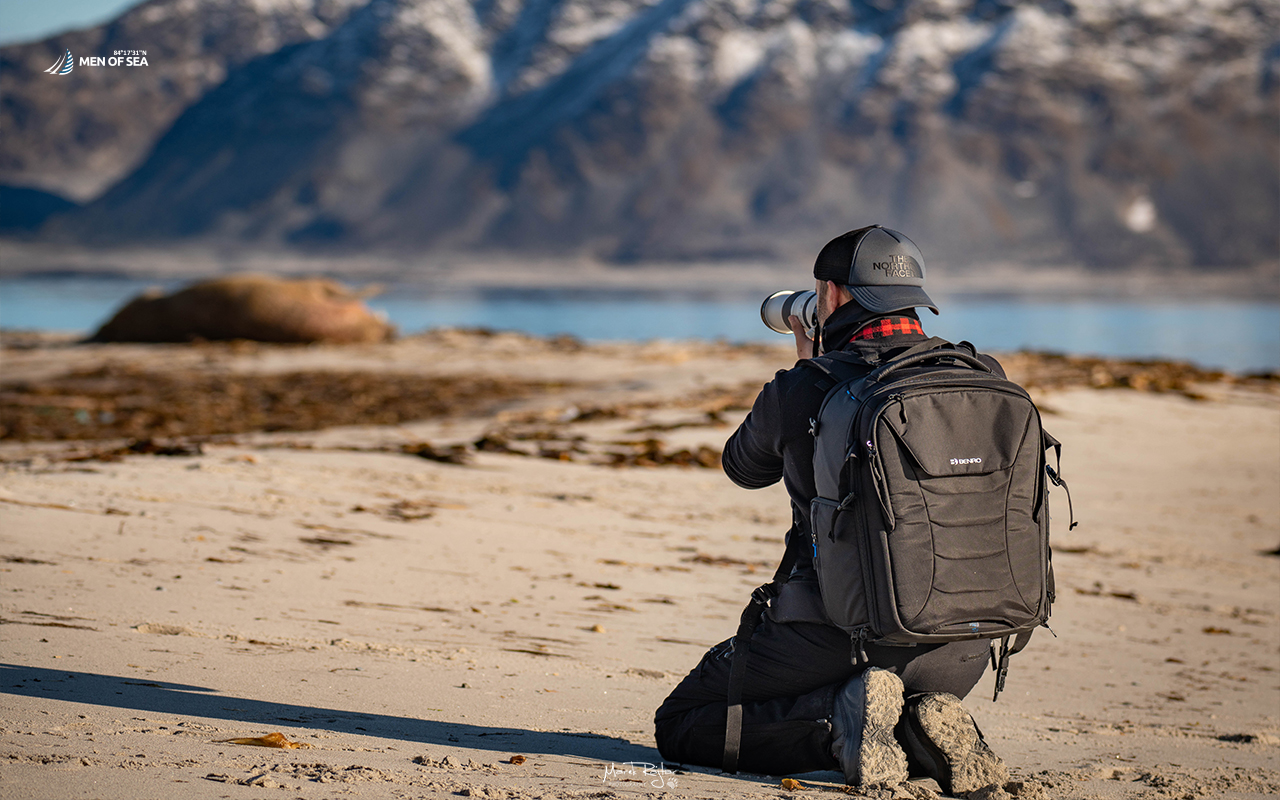
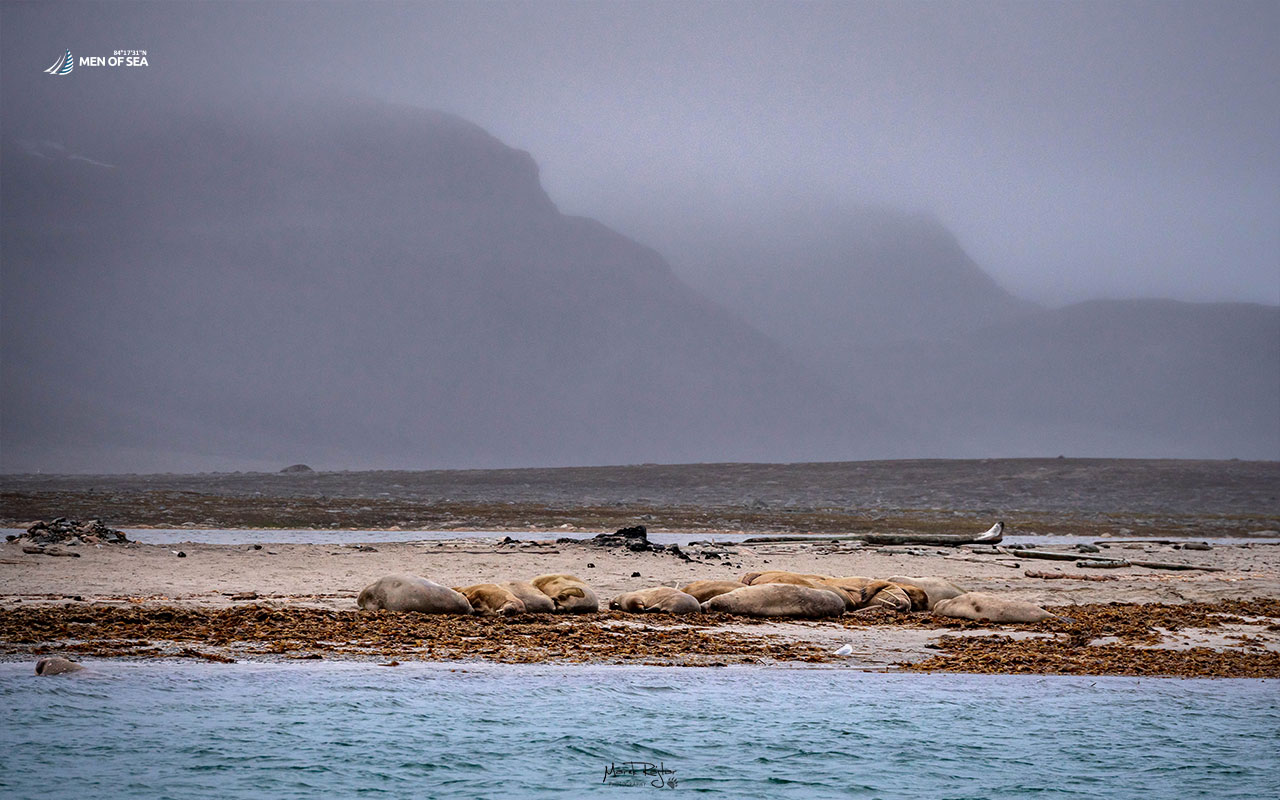
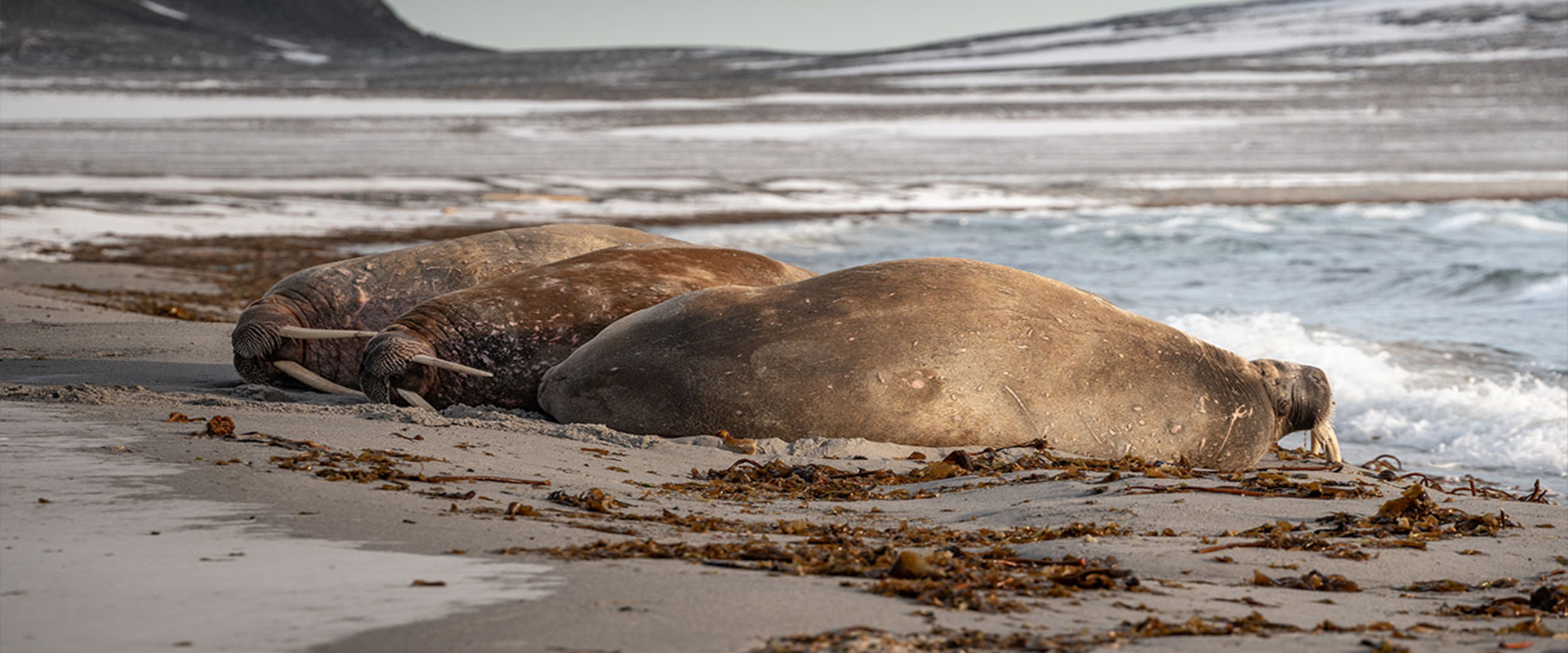
An interesting feature for naturalists is the numerous lakes on Danskøya and the neighboring Amsterdamøya. These lakes host freshwater fish—the Arctic char—as well as its anadromous variants that migrate between the sea and freshwater. Additionally, one of the beaches on Amsterdamøya is home to an impressive, permanent colony of lounging walruses.
Frequently Asked Questions (FAQ) – Danskøya Island
Why is Virgohamna bay strictly protected?
Virgohamna is an invaluable monument to polar culture. It contains the remains of a 17th-century whaling station and fragile artifacts from the late 19th and early 20th centuries—including the ruins of hangars and equipment from historical balloon expeditions (such as S.A. Andrée’s). Accessing this area requires written permission from the Governor.
When and where is the best time to observe polar bears on Danskøya?
Polar bears are present here all year round. In the spring, they are easily spotted on the ice hunting for seals. In the summer, they wander along the coastlines and small islets looking for bird eggs, often lingering near glacier fronts.
Why is approaching the islands of Moseøya and Skorpa prohibited?
These islands are strict nature reserves protecting crucial seabird breeding colonies. To prevent disturbing the birds during their most critical period, a 300-meter protective zone is enforced from May 15 to August 15.
What marine mammals can be seen around the island?
The waters around Danskøya and nearby Amsterdamøya are rich in wildlife. You can encounter walruses (which have permanent colonies on the beaches), several species of seals (bearded, ringed, and harp seals), and whales—most commonly minke whales and Arctic belugas.