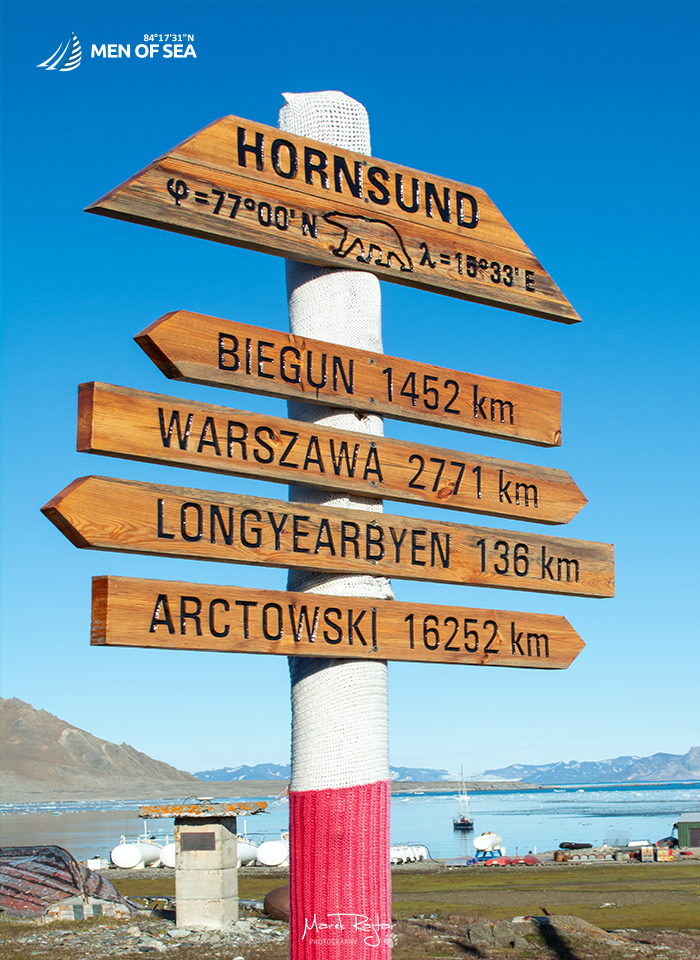
HORSUND
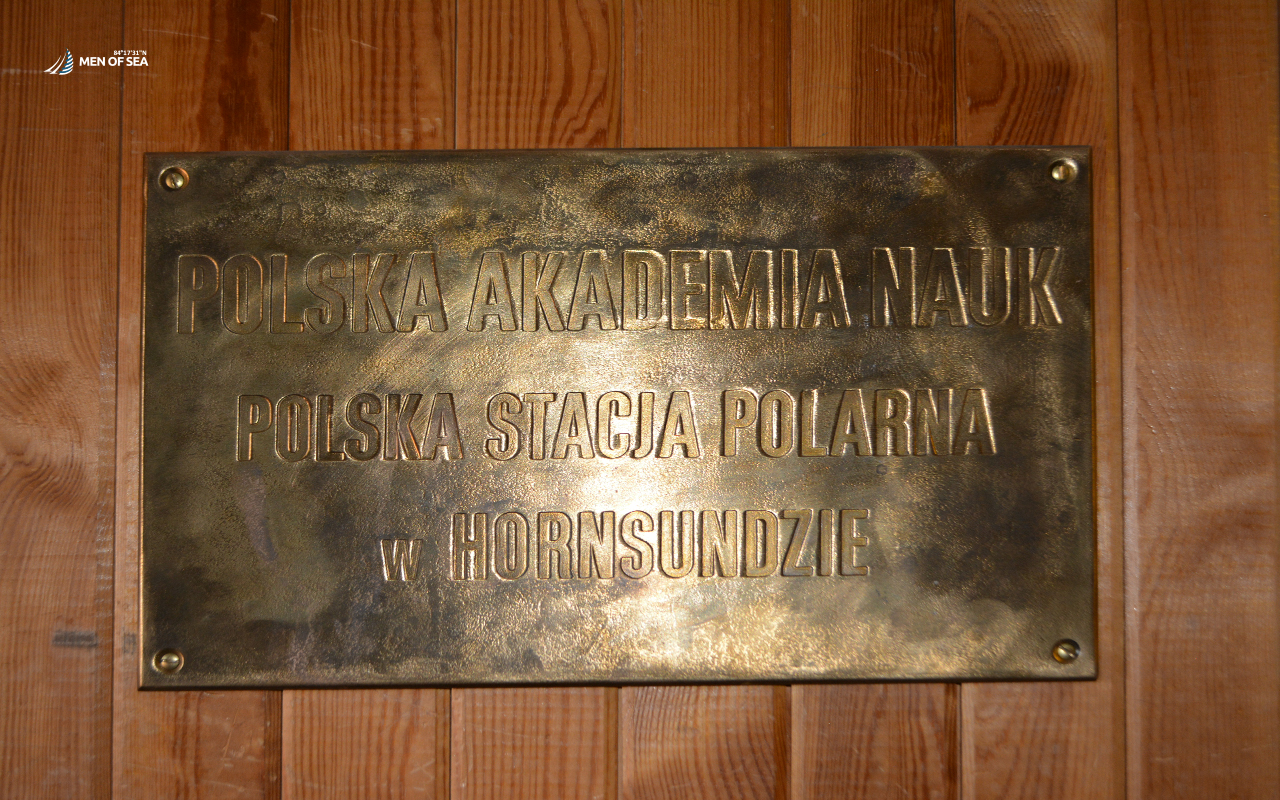
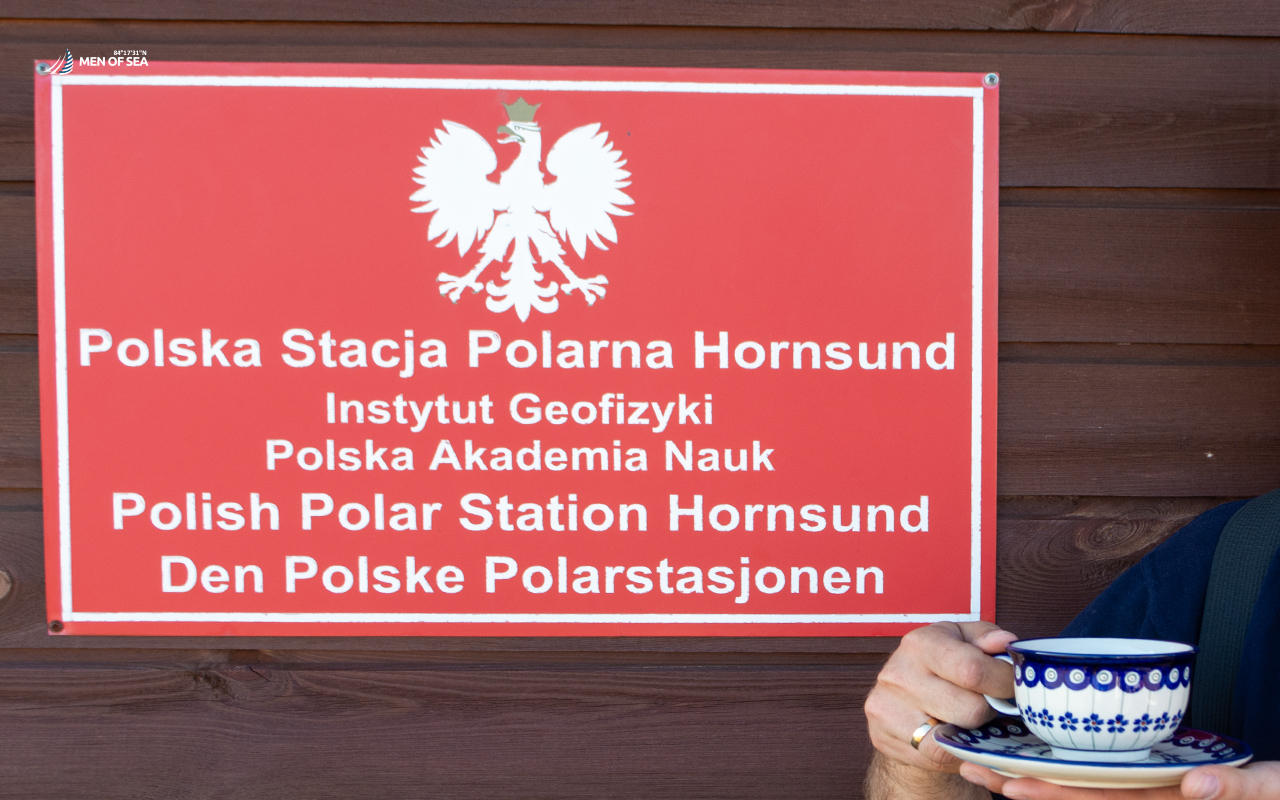
The Polish Polar Station
BASIC INFORMATION
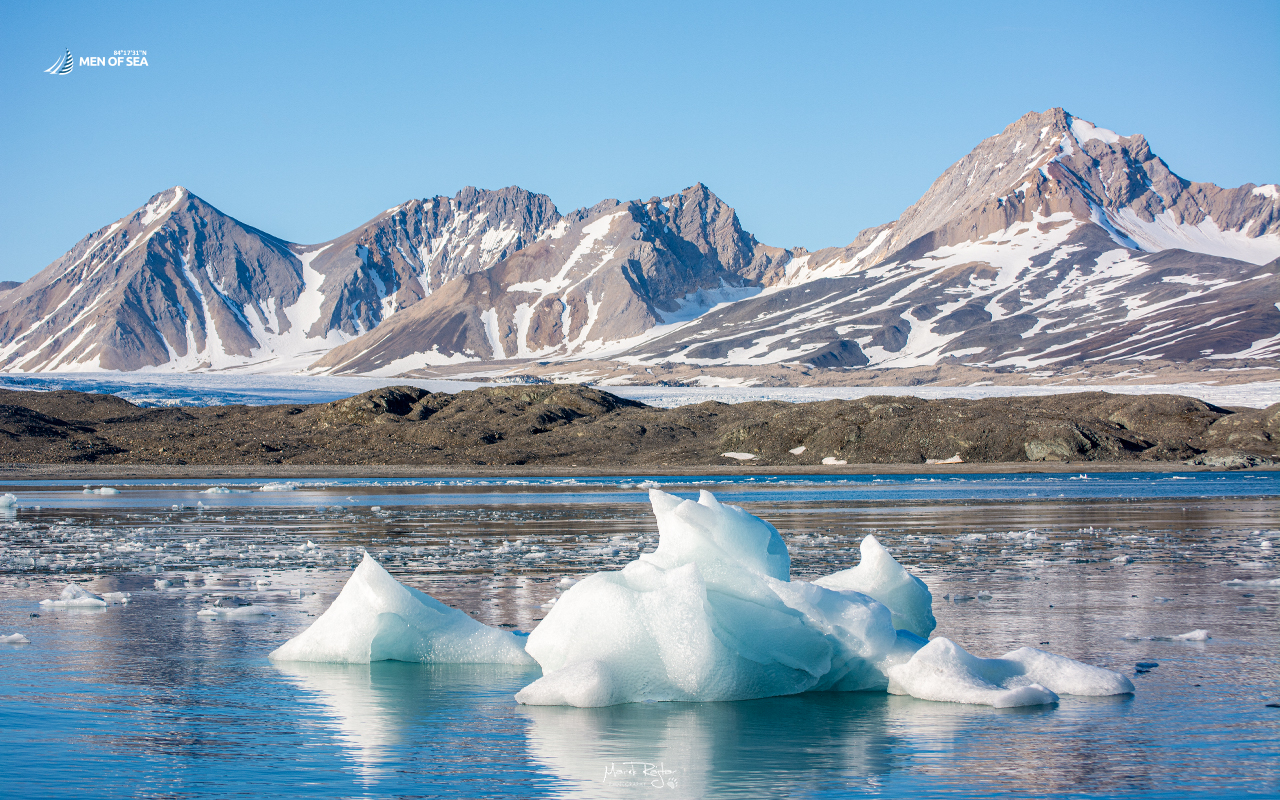
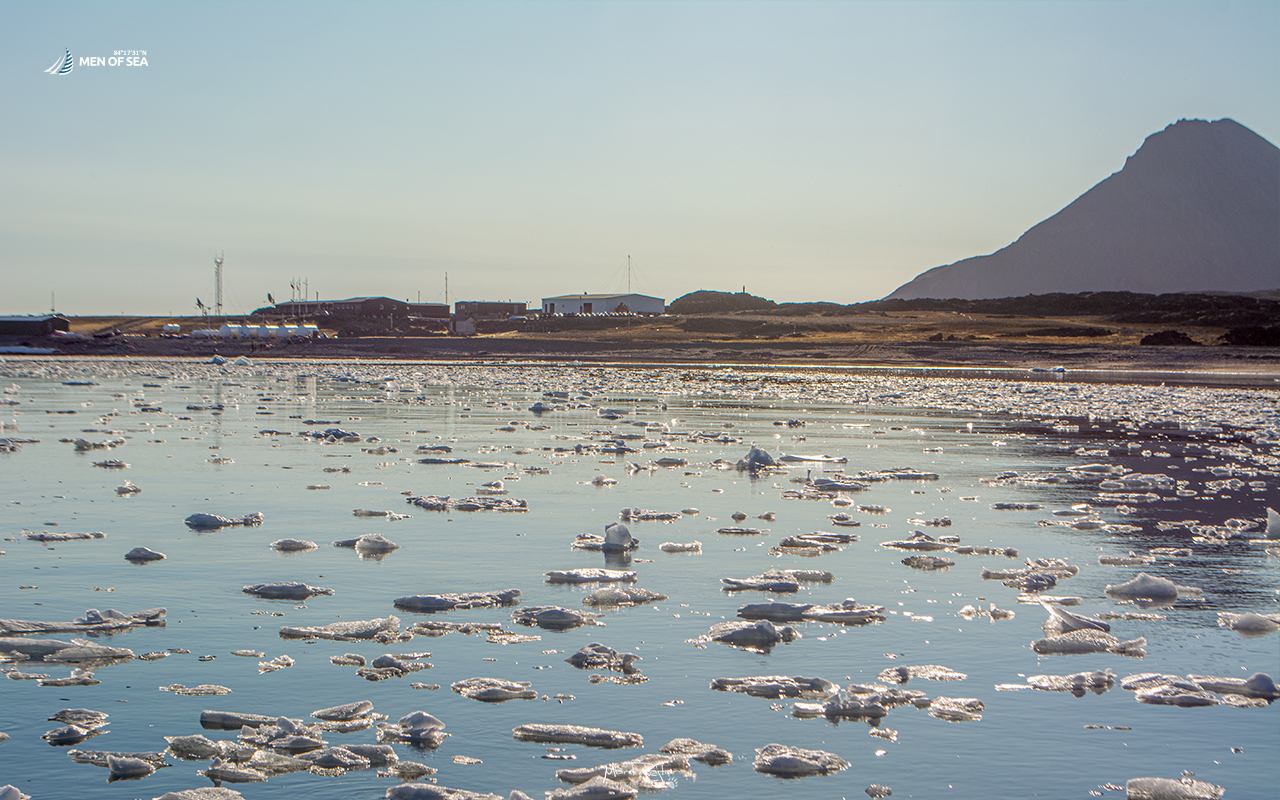
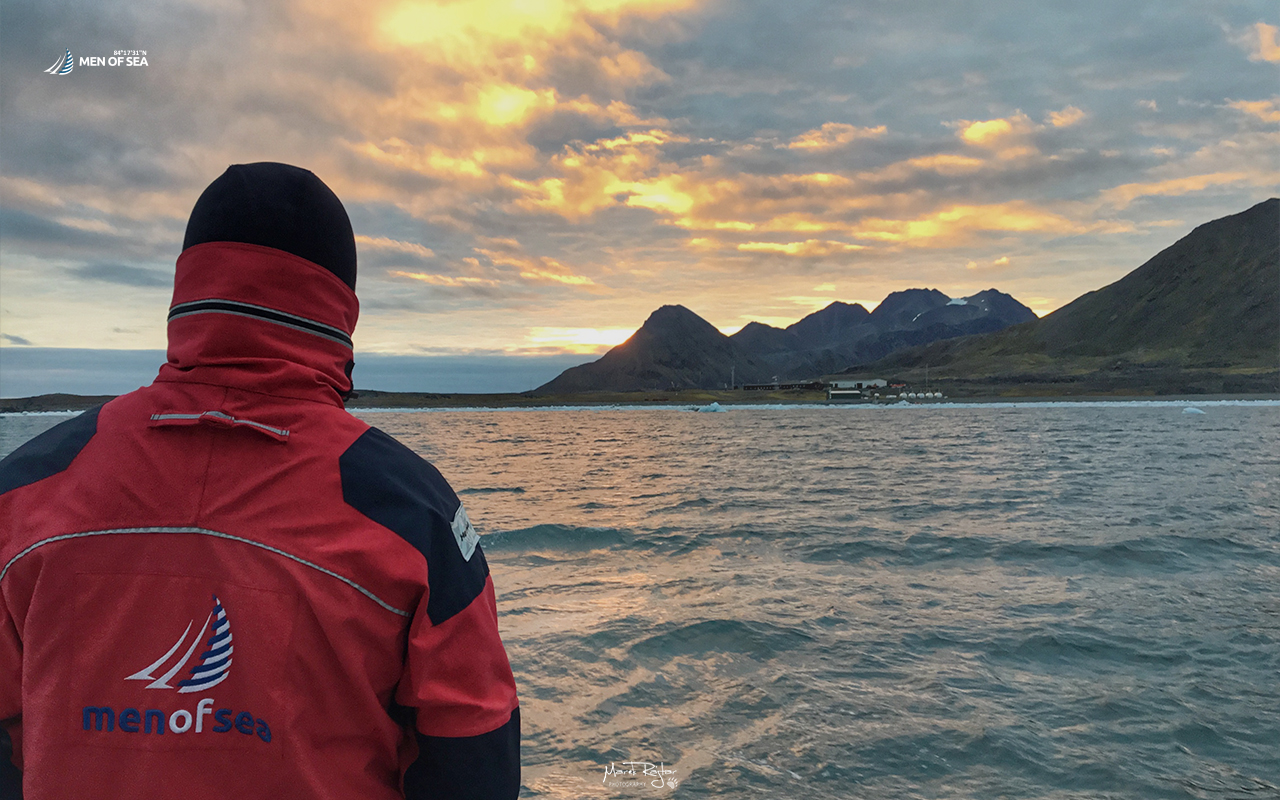
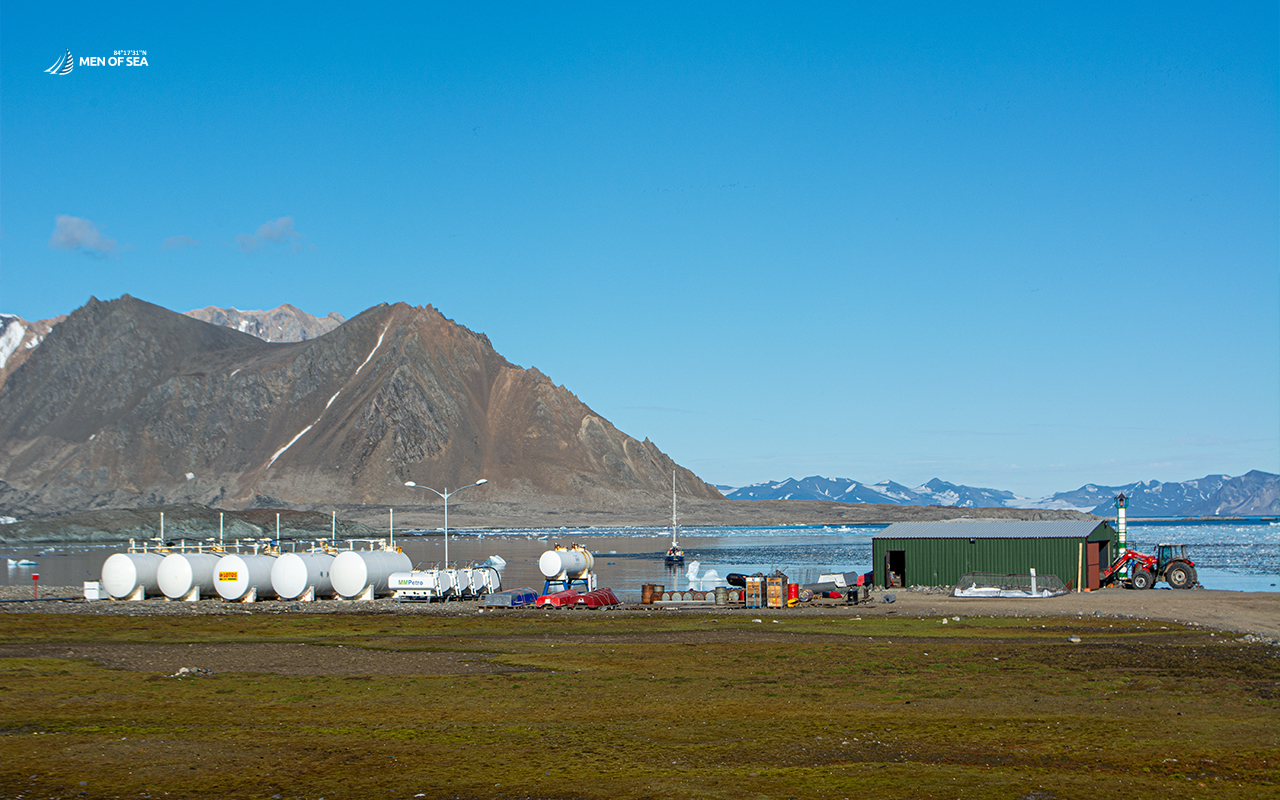
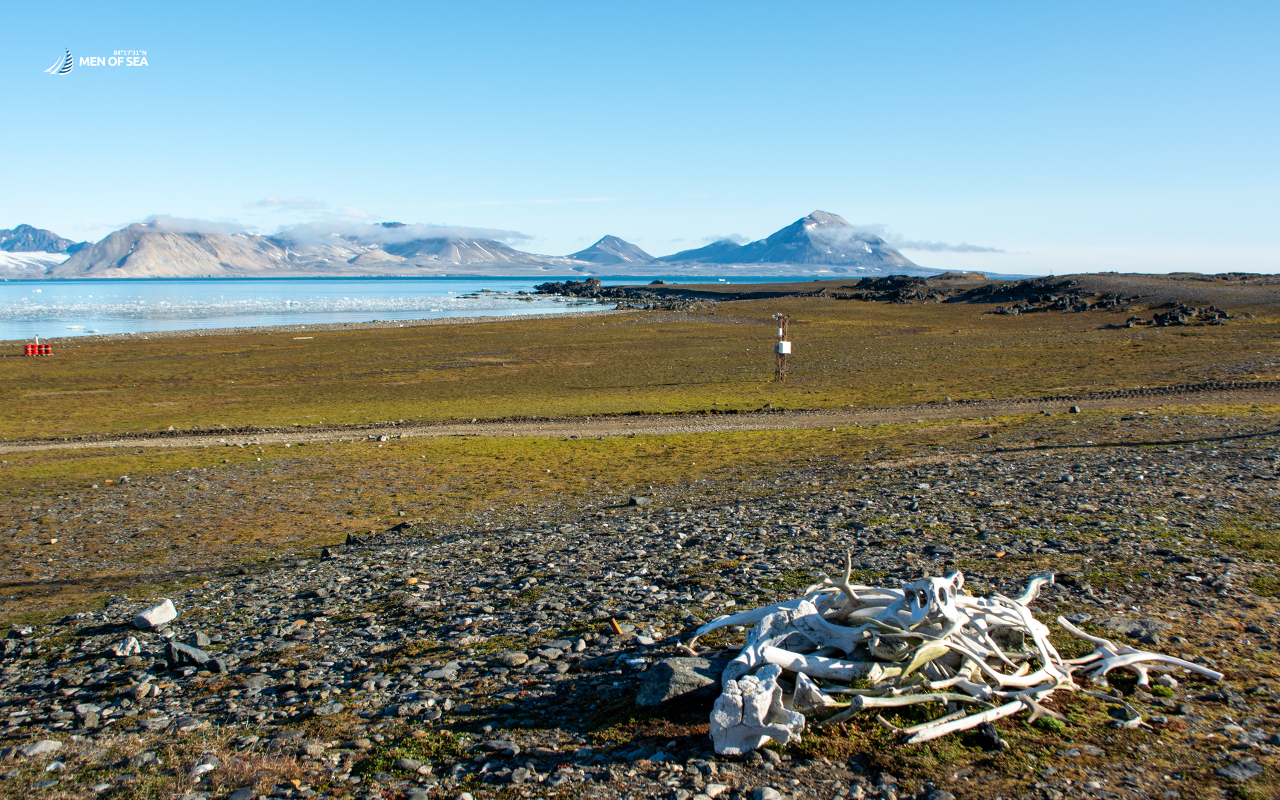
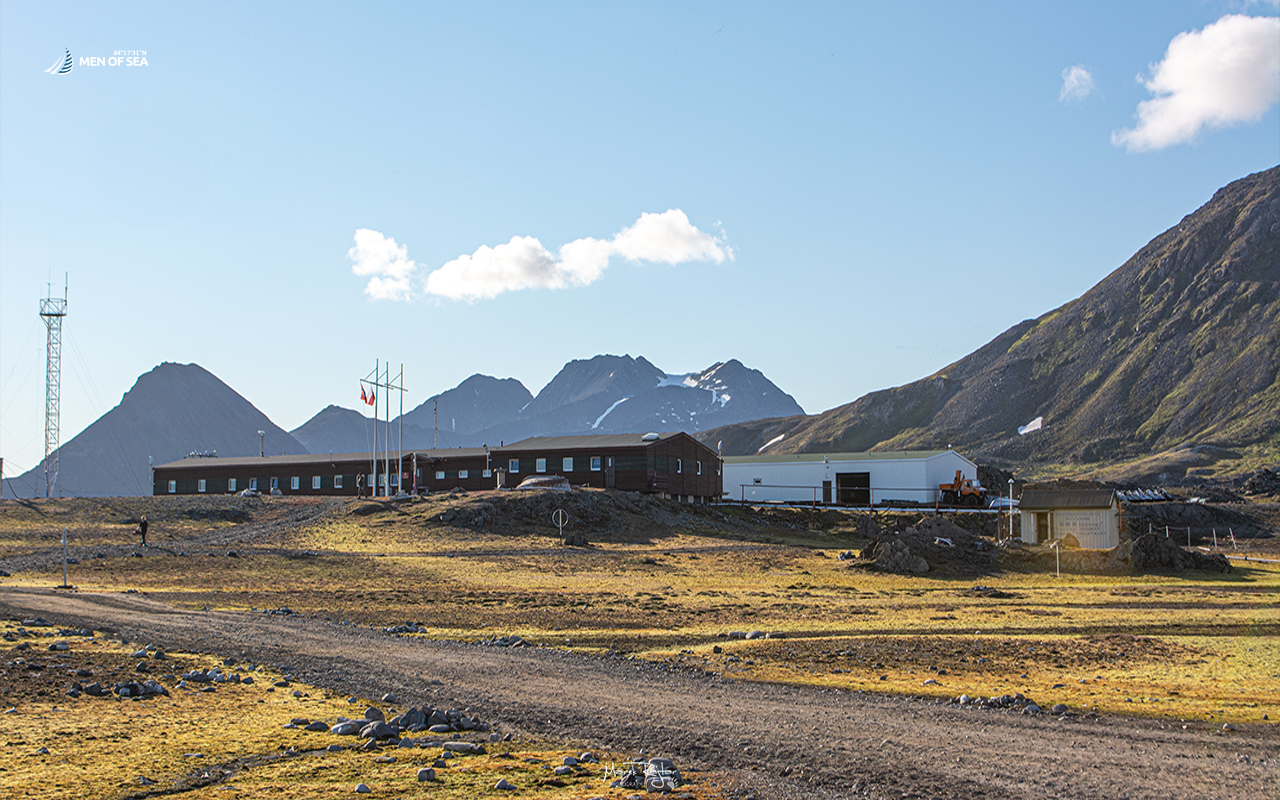
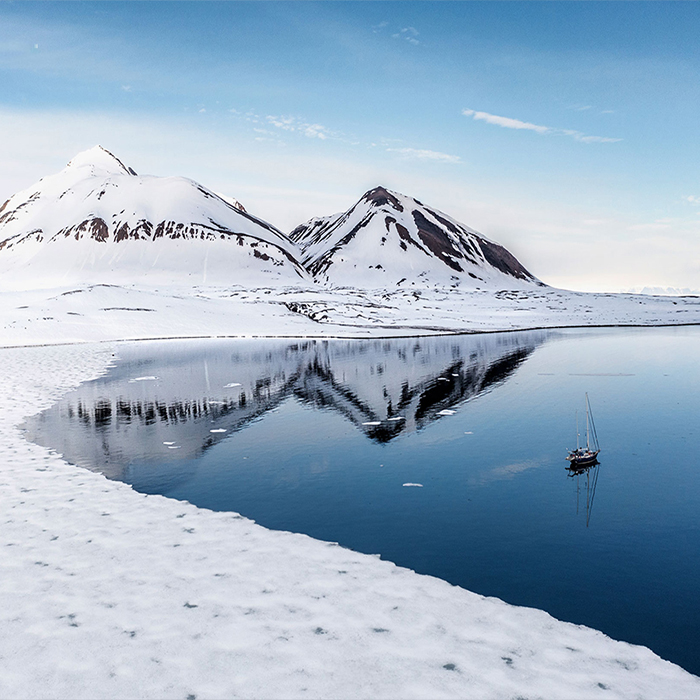
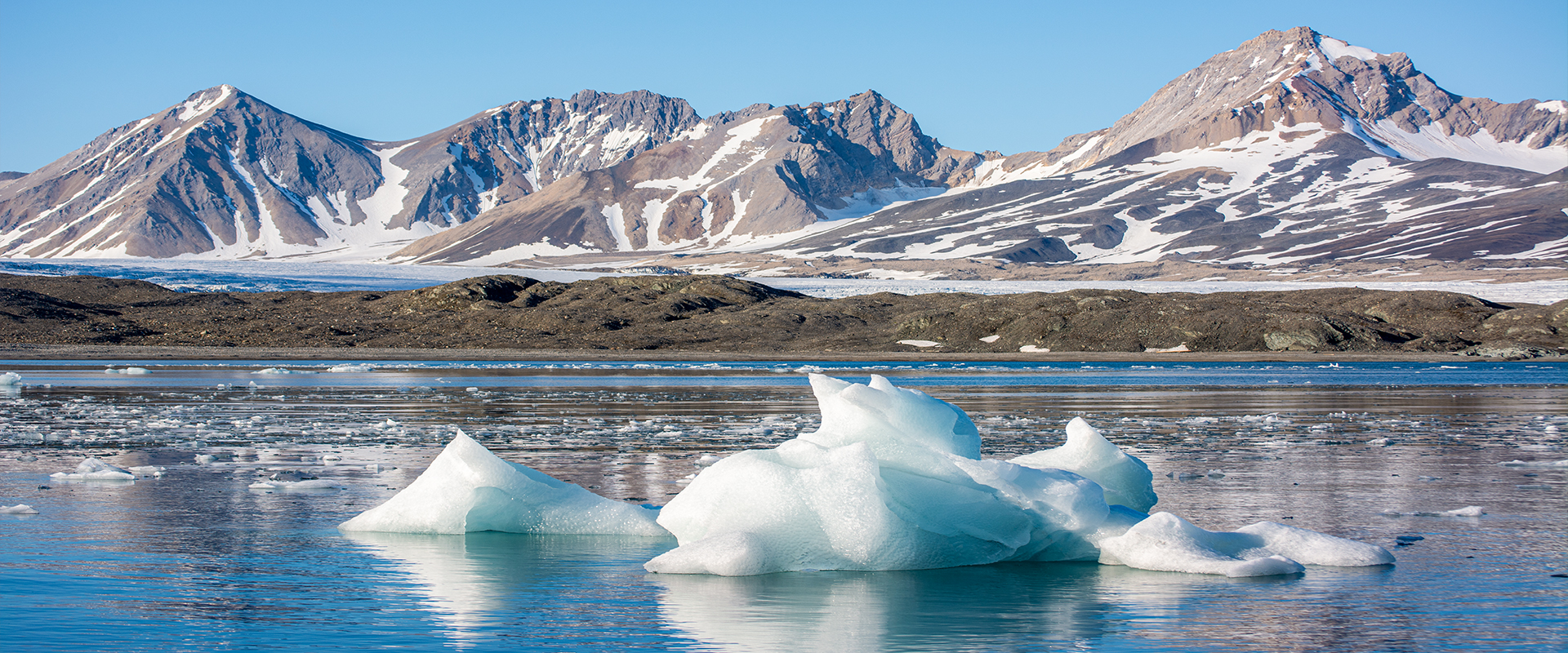
Towering mountain peaks, another glacier in the background, and at their foot, on a lush green plain that comes alive during the Arctic summer, stands the Polish Polar Station. Even from a distance, its large buildings and well-organised facilities are clearly visible.
The station leaves a lasting impression. Surrounded by the dramatic Arctic wilderness, it is impossible not to feel a sense of pride seeing this remarkable Polish outpost thriving in such a remote and spectacular landscape.
SCIENTIFIC RESEARCH IN THE HEART OF THE ARCTIC
The station is exceptionally well organised and equipped for year-round scientific work. Its spacious main building contains everything needed for life and research in the High Arctic, including food storage facilities, a gym, a large modern kitchen, laboratories, and comfortable accommodation for the station’s personnel.
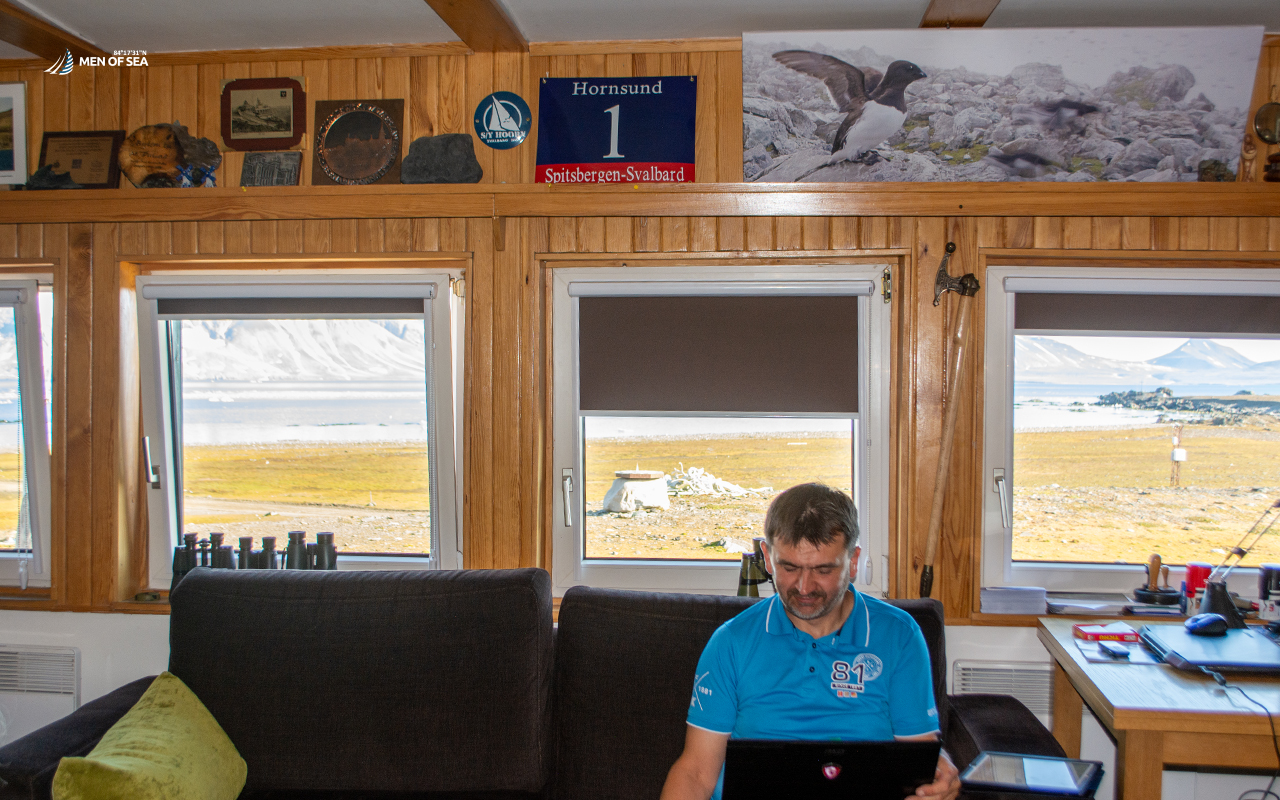
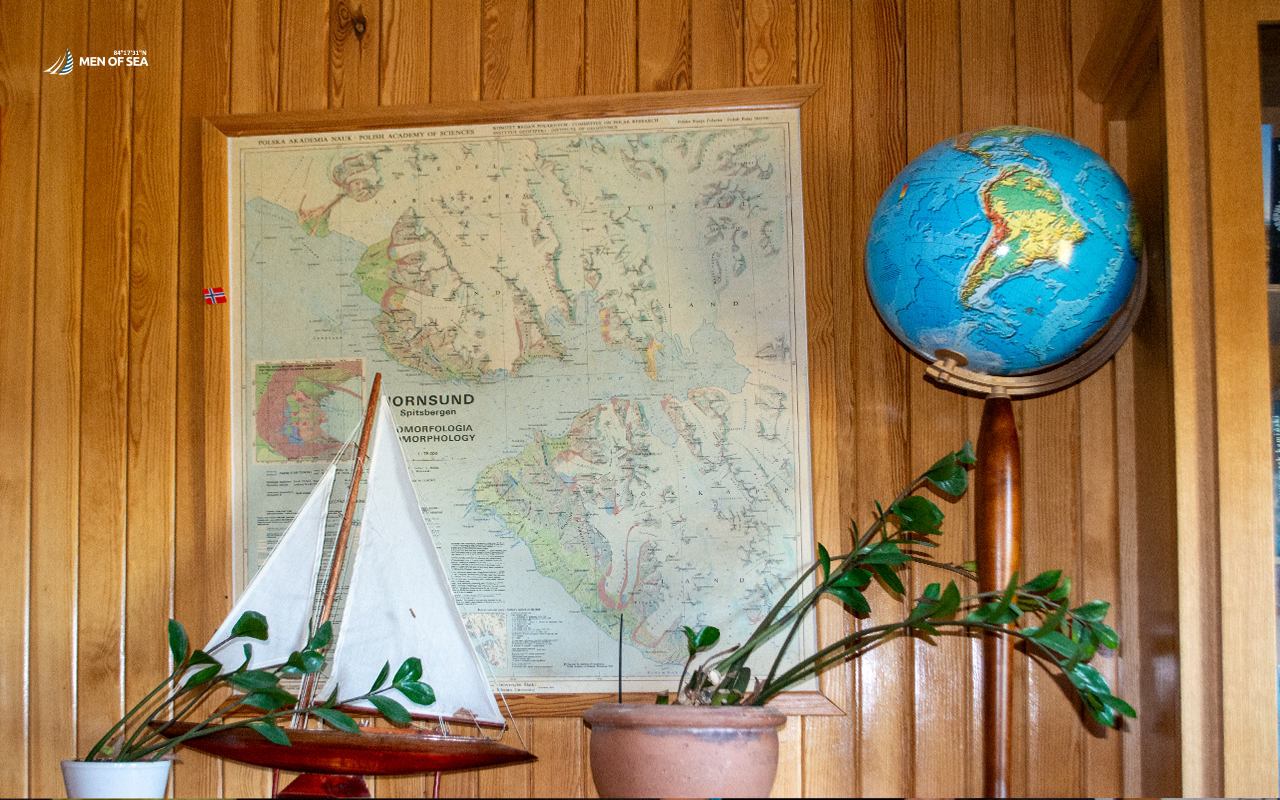
Perhaps the most inviting place is the common lounge—a spacious and tastefully furnished room with a library, television, sofas, and comfortable seating, providing a welcoming place to relax after long days of fieldwork.
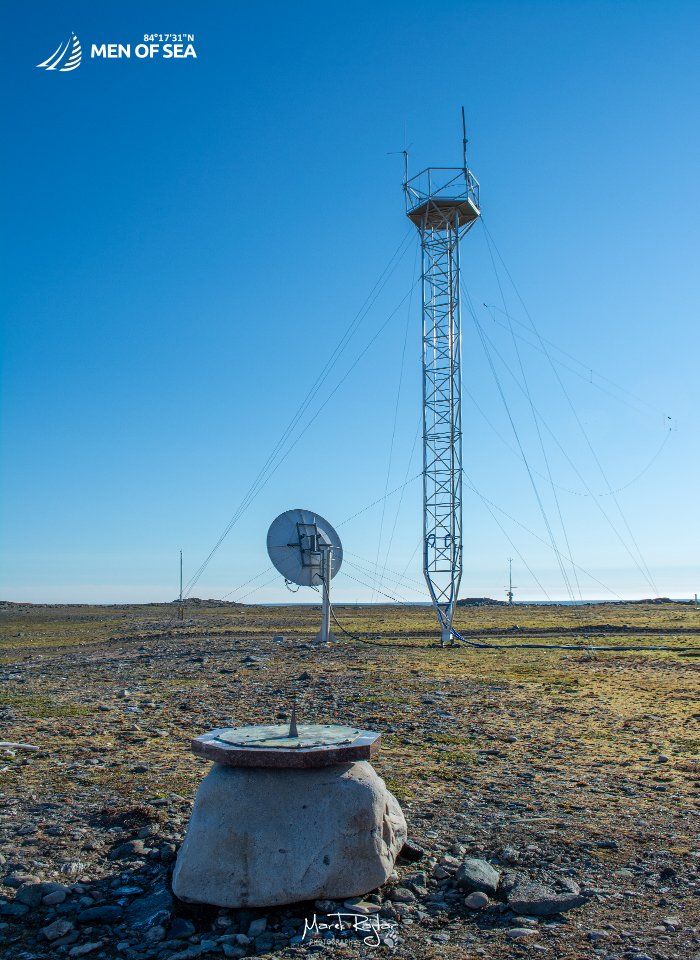
Around the station are numerous scientific instruments, including meteorological shelters, radio masts, satellite antennas, and other monitoring equipment used to study the Arctic environment.
The station is also guarded by sled dogs, whose primary role is to provide an early warning if a polar bear approaches the area.
The station is operated by the Institute of Geophysics of the Polish Academy of Sciences (IGF PAS). Throughout the year, scientists conduct research in the fields of geophysics, climatology, meteorology, glaciology, oceanography, and the polar environment. It is Poland’s northernmost year-round scientific research station.
AN ARCTIC DREAM
One interesting fact is that every year several hundred applicants compete for only a dozen or so places at the station. It is clear that the Arctic continues to inspire and attract people from many different backgrounds.
Hornsund, where the station is located, lies along the route of our Across the Arctic Seas expedition. Entering the fjord always depends on ice conditions, as several glaciers calve directly into its waters, often filling it with drifting sea ice. Every visit is therefore different, making each expedition a unique Arctic experience.