Å
The End at the Beginning
BASIC INFORMATION
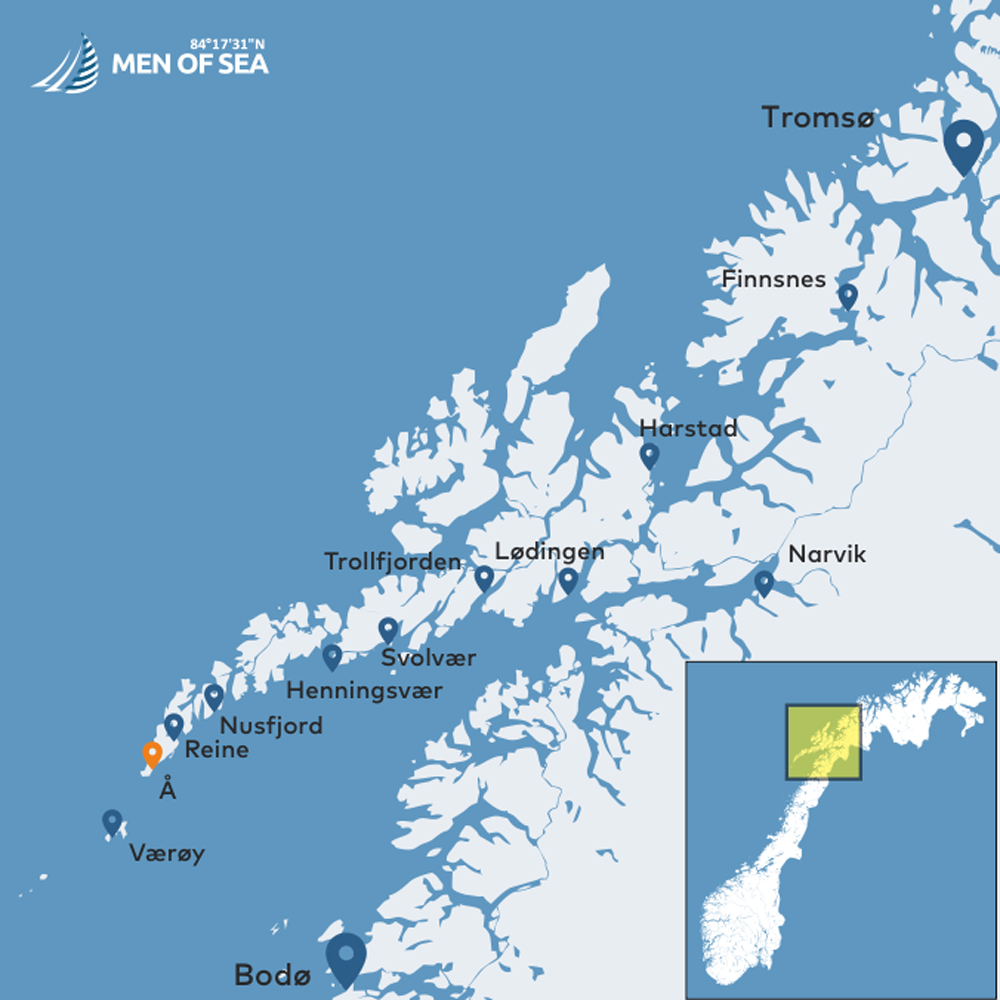
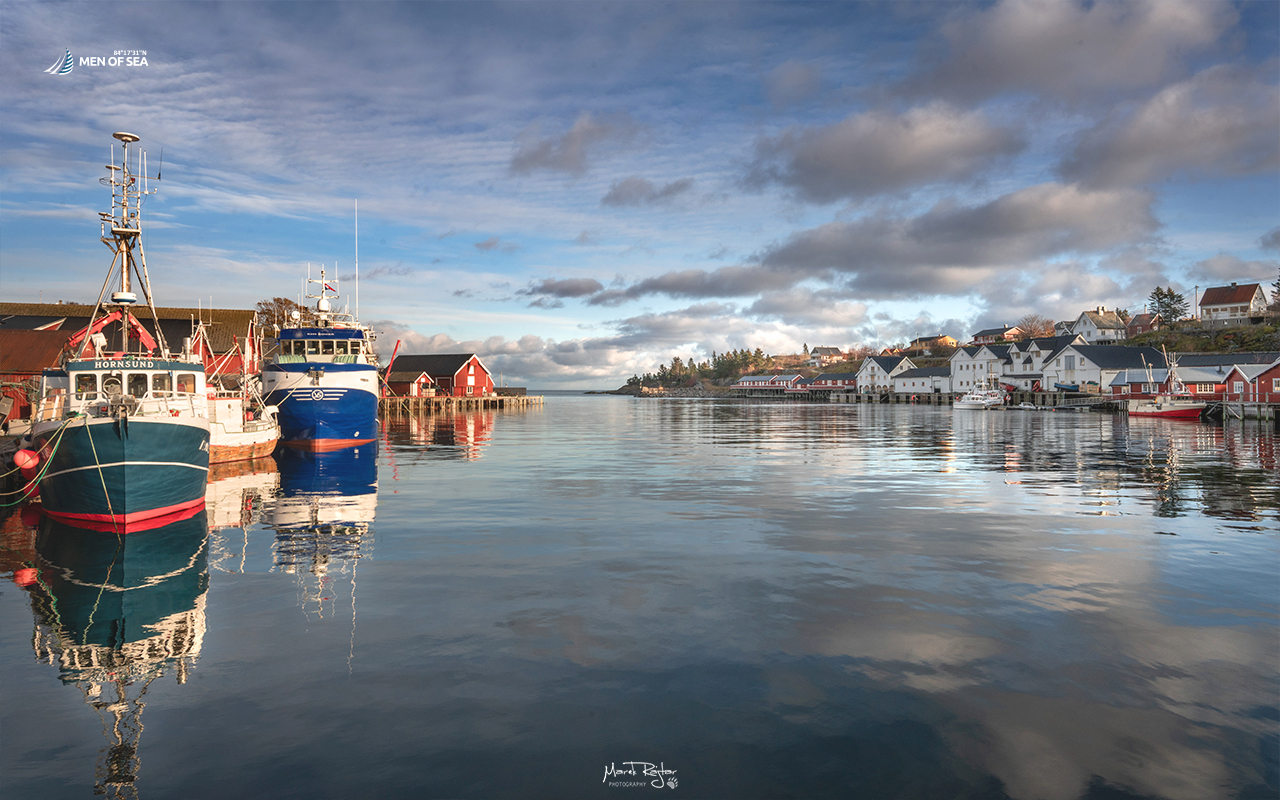
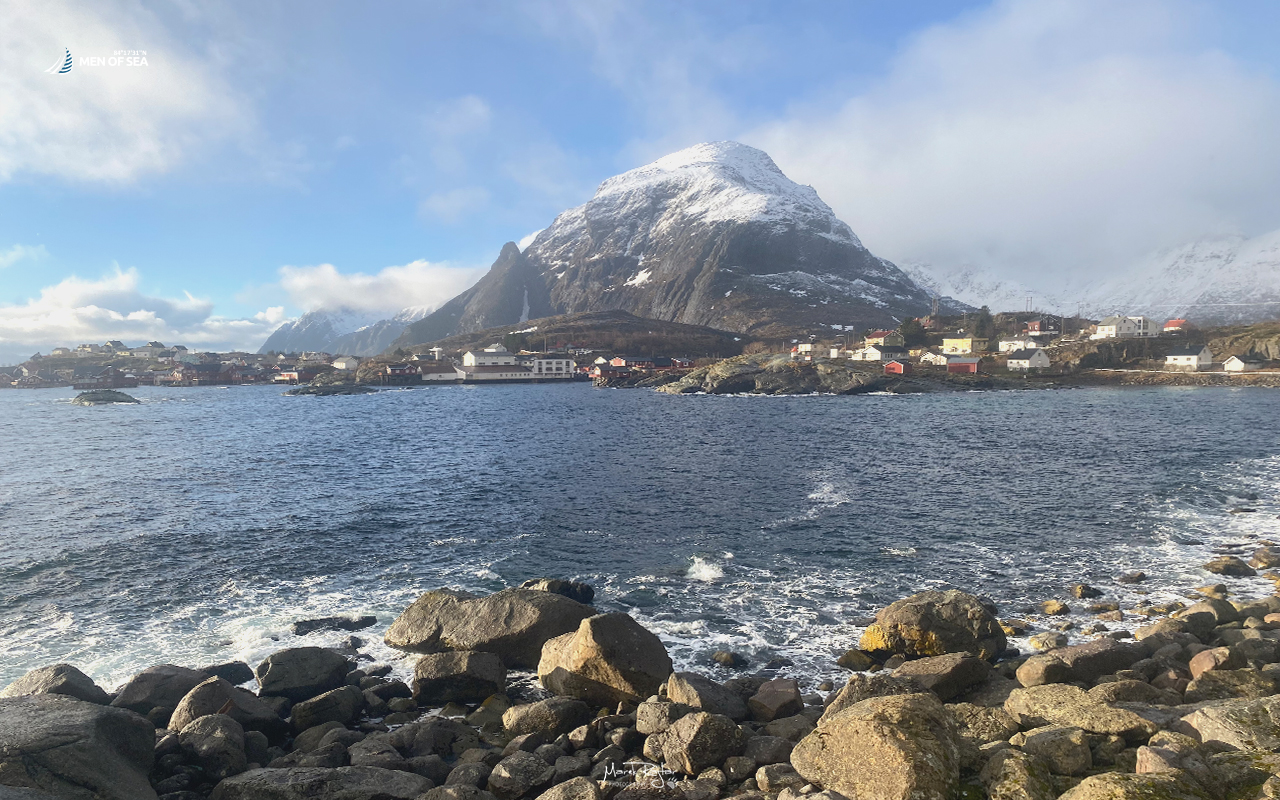
Å is a small fishing village whose economy has traditionally relied on fishing and the production of stockfish. Located on the island of Moskenesøya, it marks the starting point of the E10 highway, which runs through the entire Lofoten archipelago before continuing all the way to the Gulf of Bothnia. Although the village is small, it is home to several museums dedicated to cod fishing and fish processing.
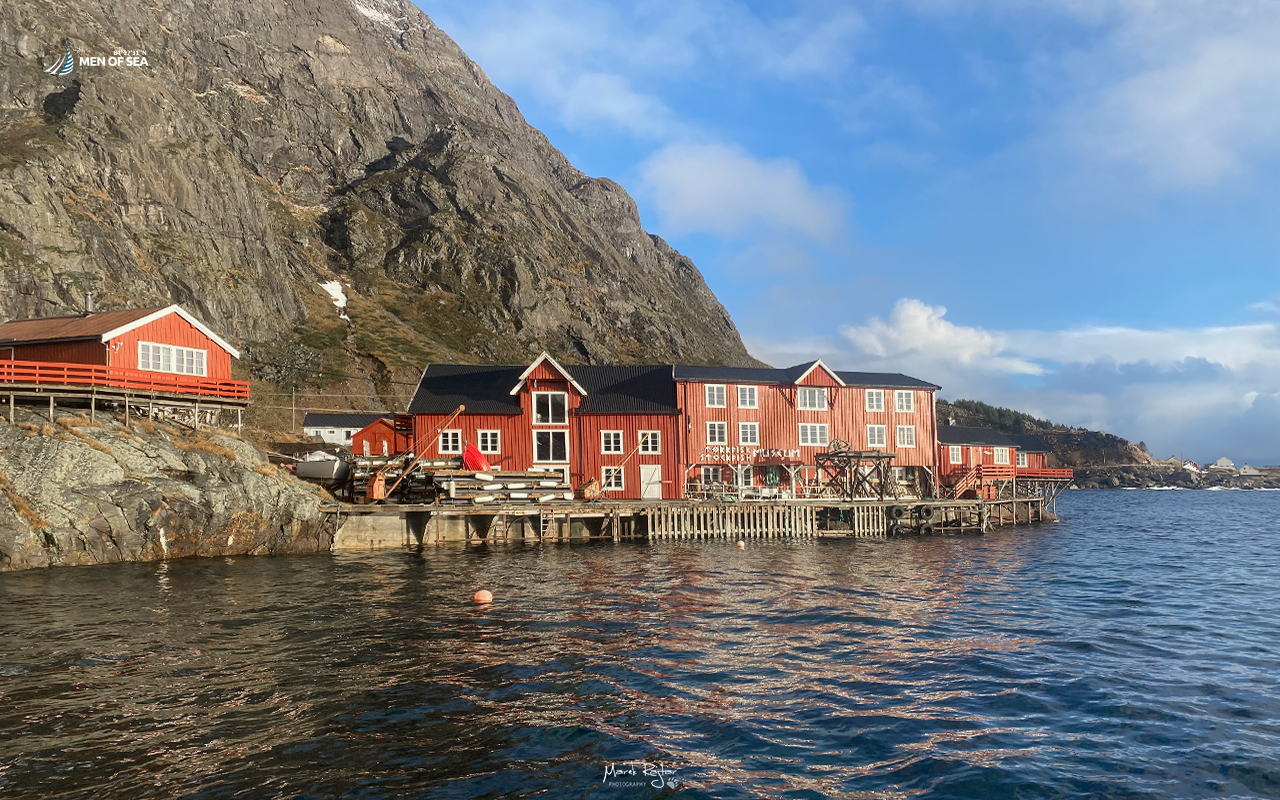
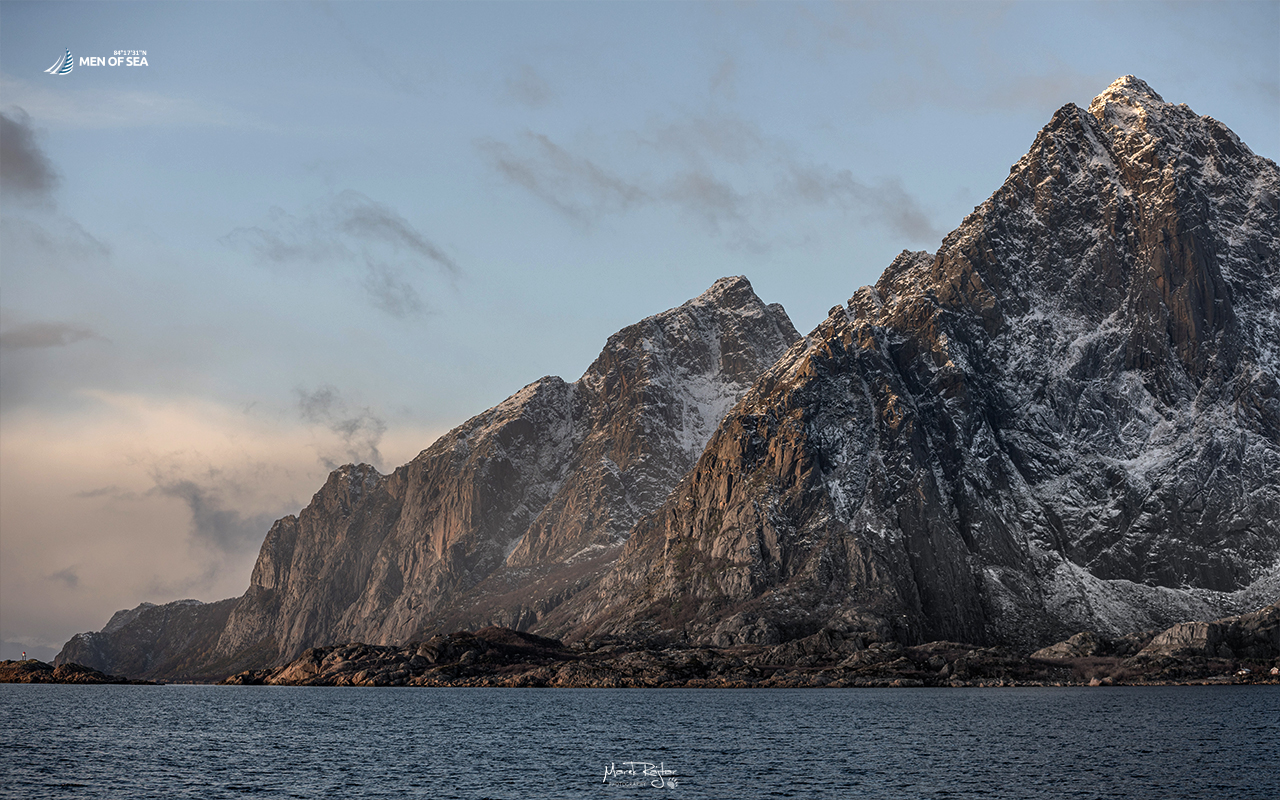
The name of the village is particularly fitting, as Å is the last letter of the Norwegian alphabet. The village marks the end of the dramatic mountain range known as the Lofoten Wall (Lofotenveggen), and is well worth visiting, not least for the Norwegian Fishing Village Museum (Fiskeværsmuseet). Housed in a beautifully preserved 19th-century barn, the museum offers a fascinating insight into the traditional fishing culture of the region. Across the road, a cosy café invites visitors to relax with homemade cake and coffee.
The name Å means a small stream or creek. This charming village is also home to the Norwegian Stockfish Museum, where visitors can learn about one of Lofoten’s most important traditions: the annual cod fishery and the centuries-old process of air-drying cod.
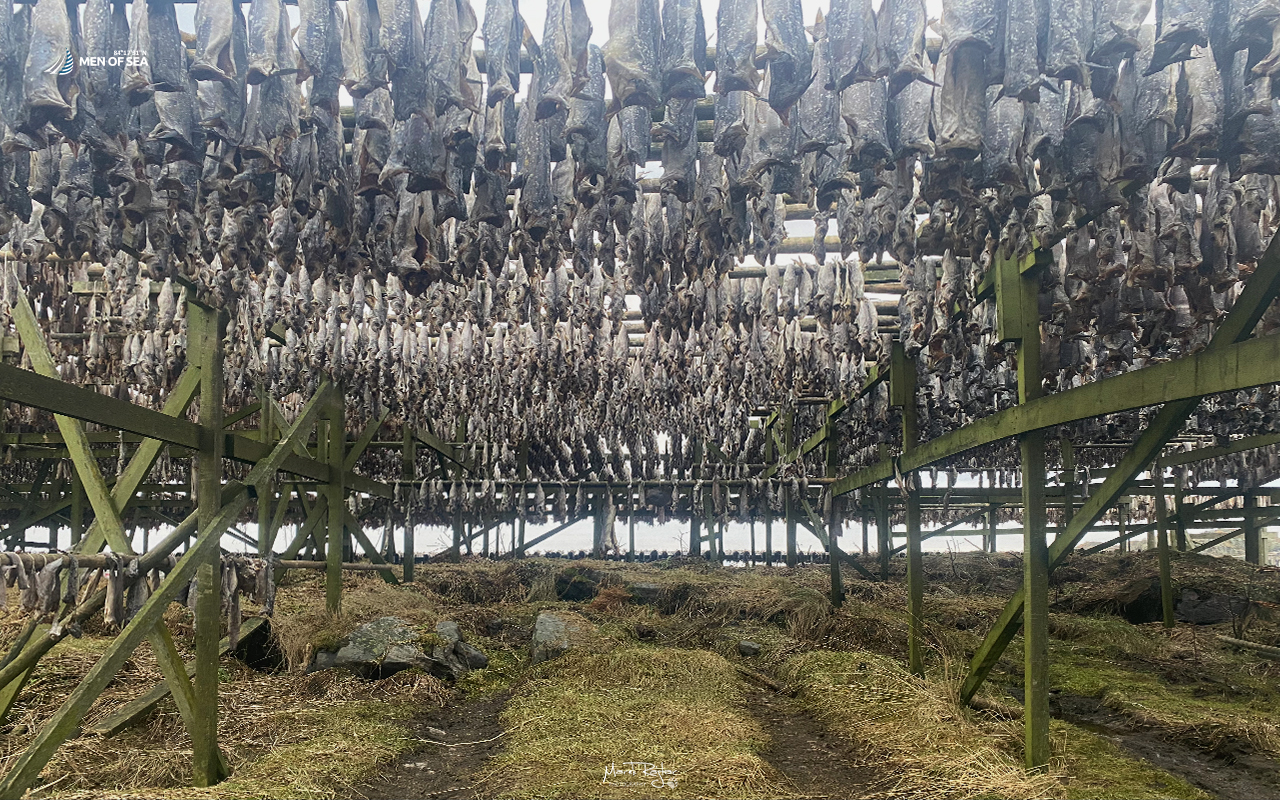
Stockfish consists primarily of large Atlantic cod caught in the waters of northern Norway. After being caught, the fish are gutted and hung outdoors to dry naturally in the cold Arctic air. During this process, the fish loses around 80% of its weight, while the remaining product contains approximately 80% protein. The climate of the Lofoten Islands provides ideal conditions for producing stockfish.
Every year, between February and March, hundreds of fishing boats arrive in Lofoten for the seasonal cod fishery. By April, the islands become lined with traditional wooden drying racks filled with thousands of drying cod, creating one of the region’s most iconic landscapes.
Stockfish remains one of Norway’s most important export products and is highly valued in Mediterranean cuisine, particularly in Italy and Portugal, where it is used to prepare the traditional dish bacalhau.
One of the most distinctive sights in Å is the network of wooden drying racks covered with rows of drying cod, a symbol of the village’s rich maritime heritage.
Hiking from Sørvågen to Å
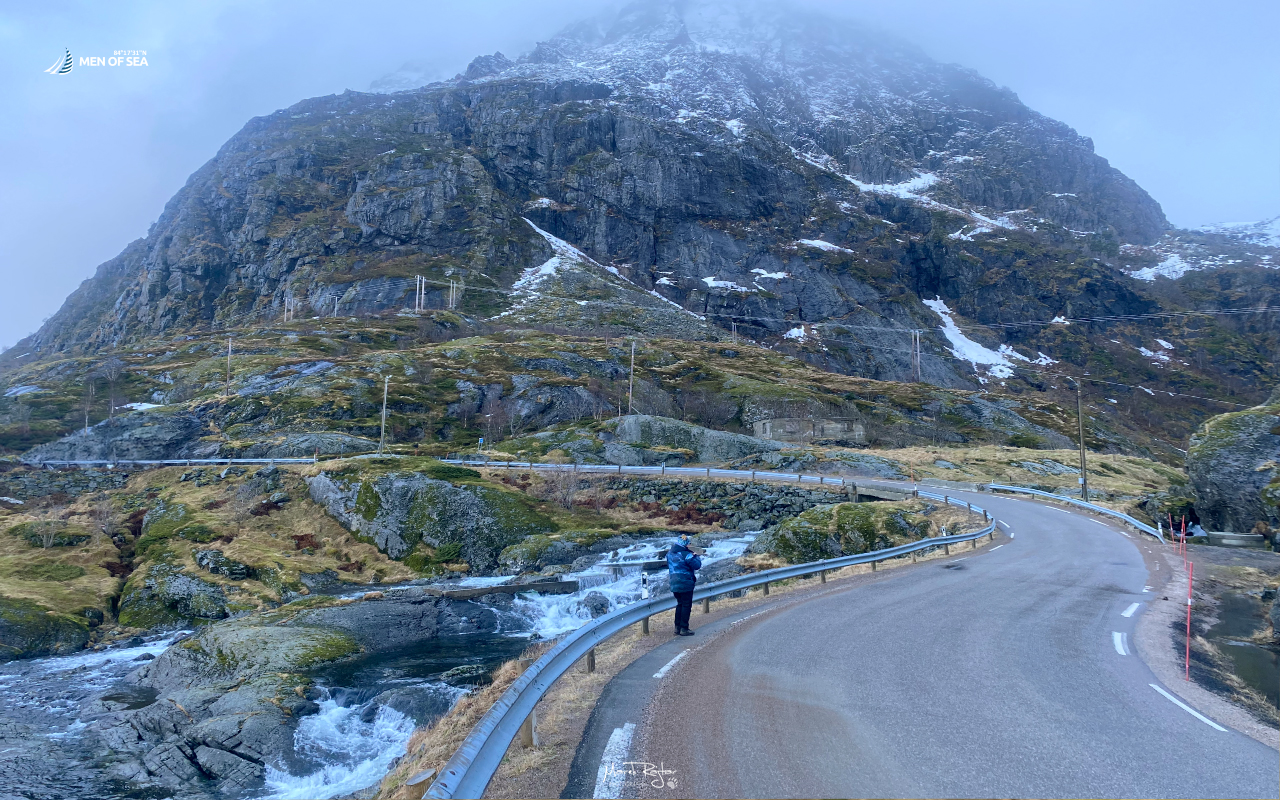
During our Magical Lofoten expeditions, we sail to the picturesque fishing harbour of Sørvågen. From there, we enjoy an easy 2.5 km walk along the coastal road to Å.
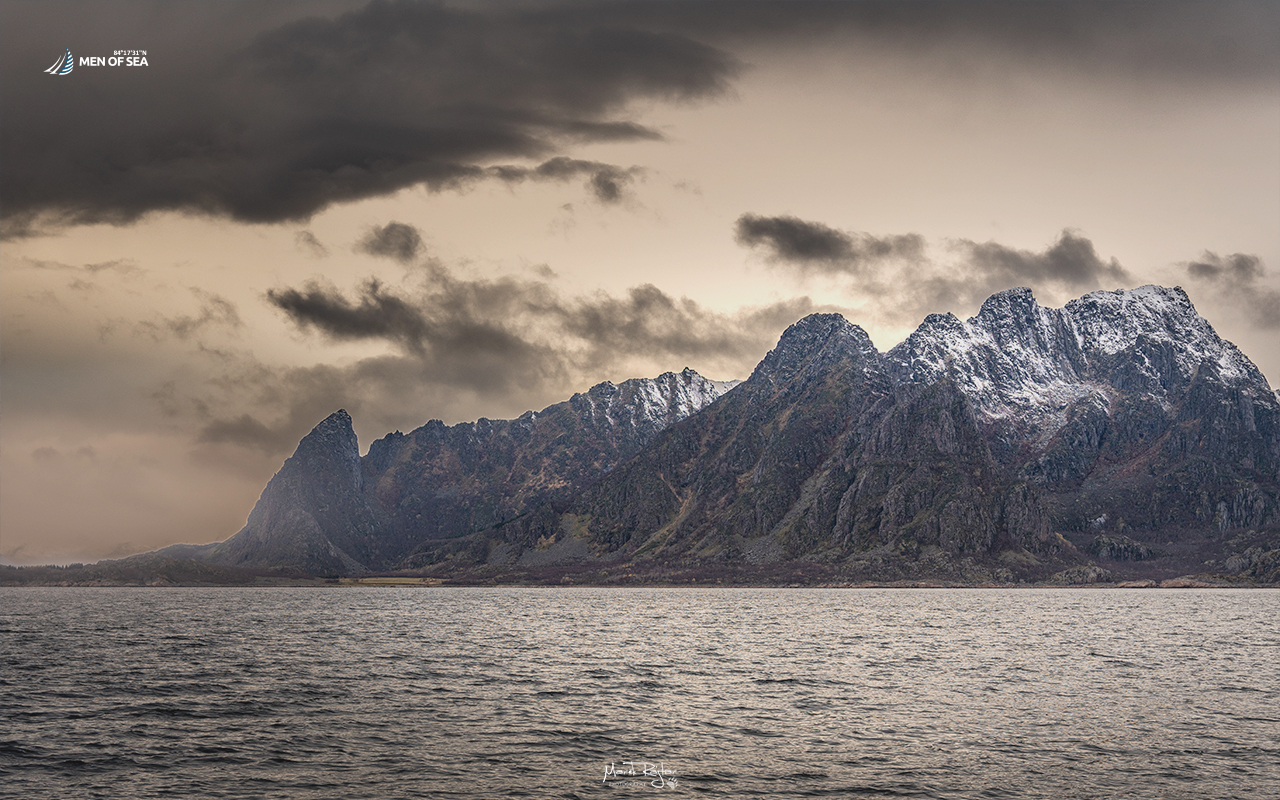
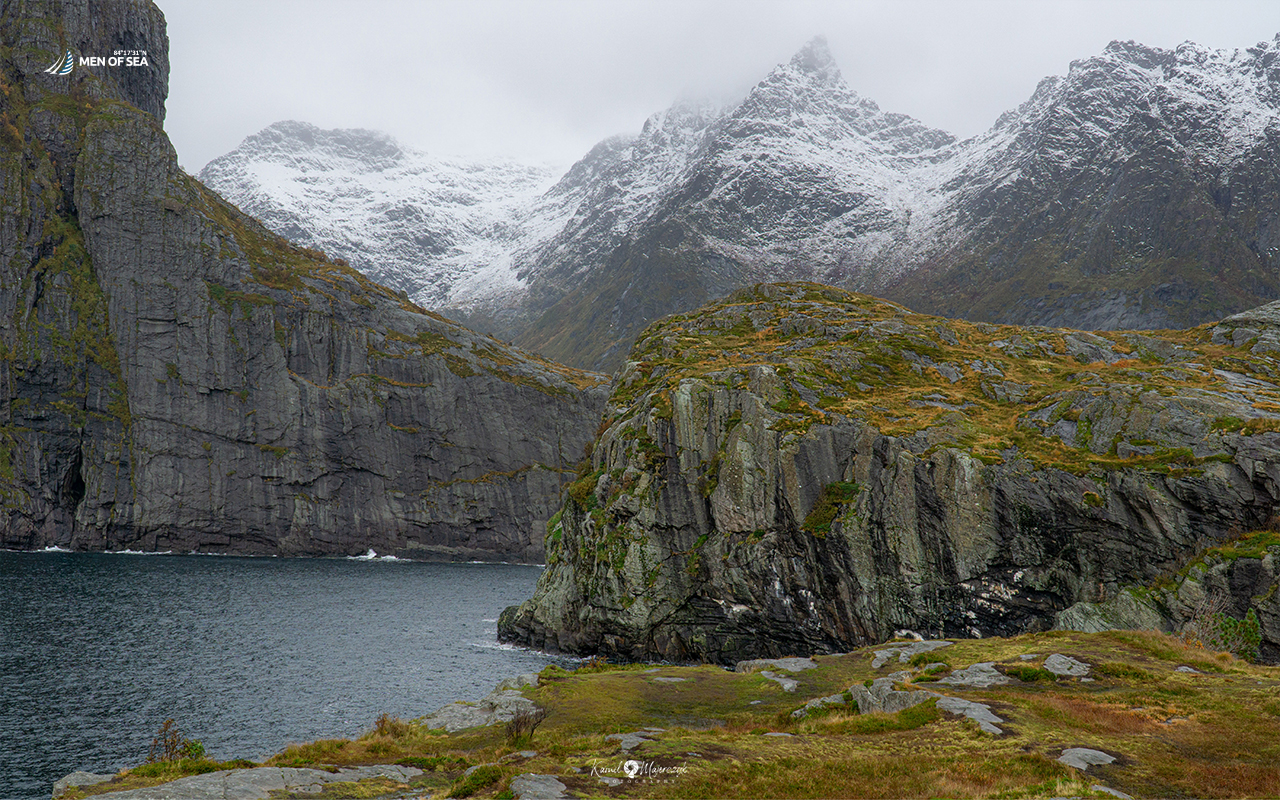
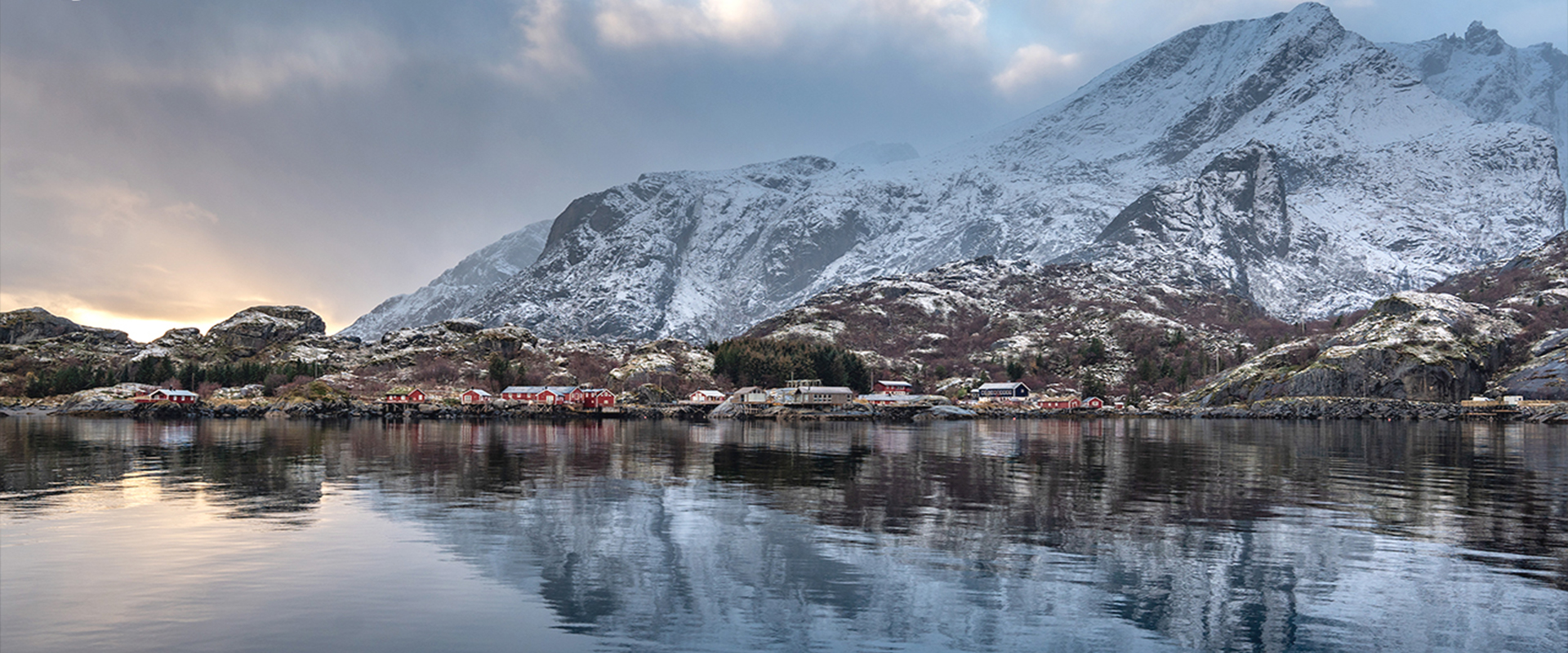
The route offers spectacular scenery, with rugged skerry coastline and beautiful beaches on one side, and towering mountain peaks on the other. Stunning views accompany us throughout the walk.
Along the way, we pass the famous Å village sign, where stopping for a photo has become something of a tradition.
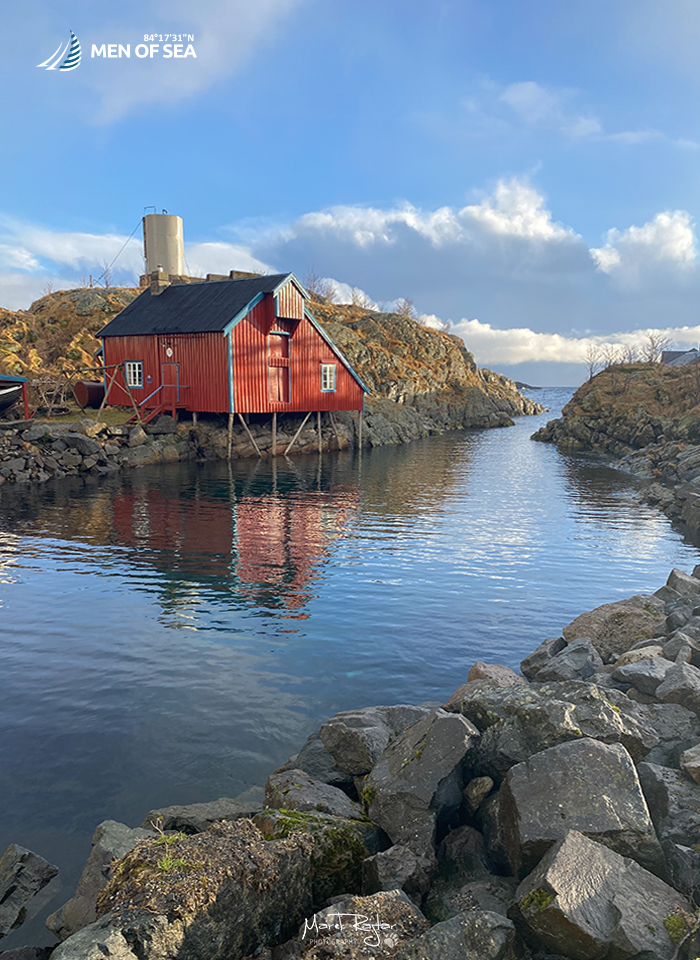
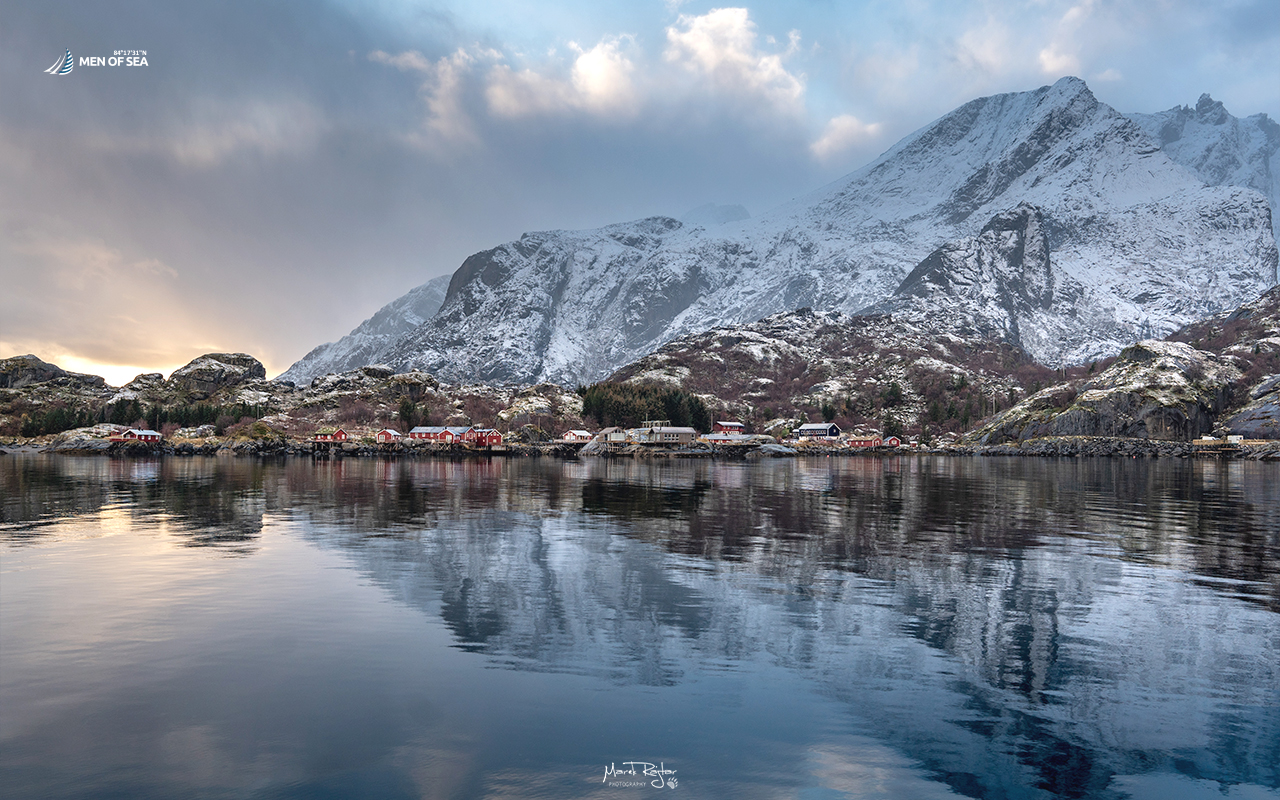
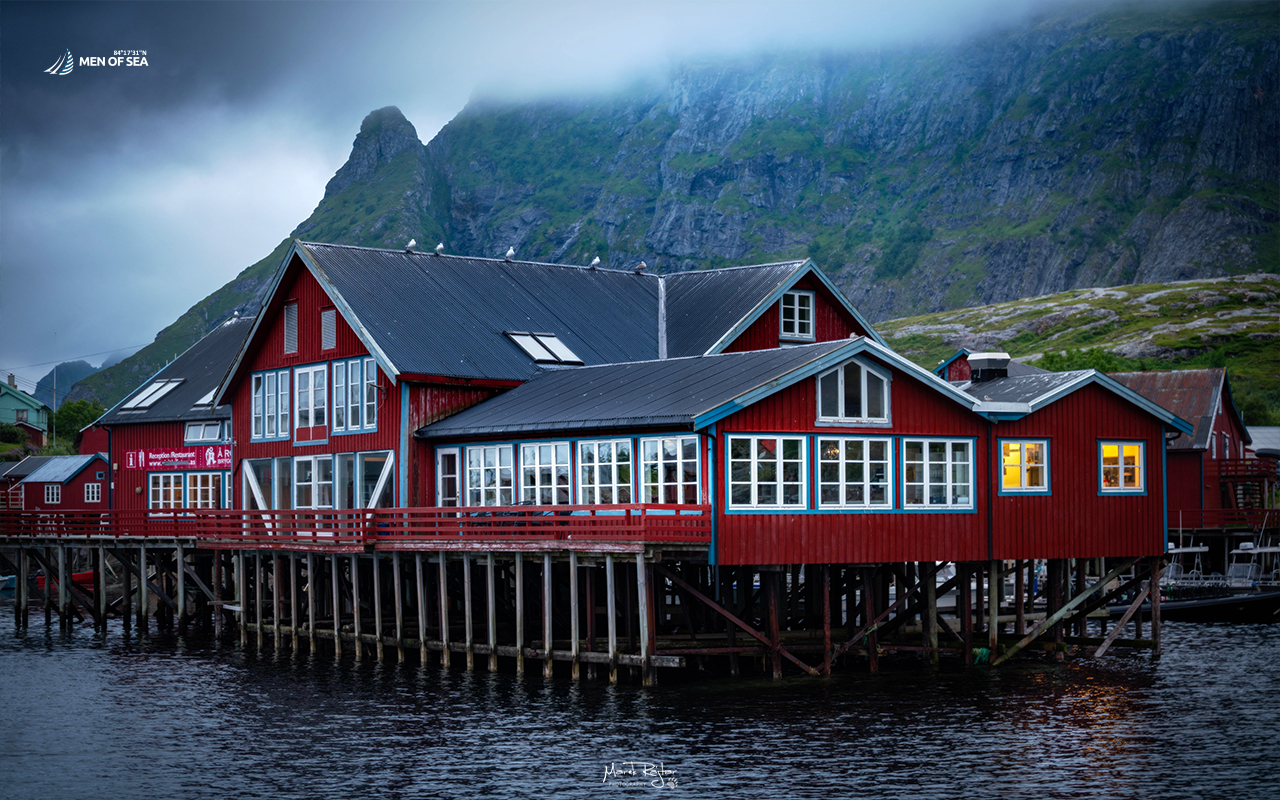
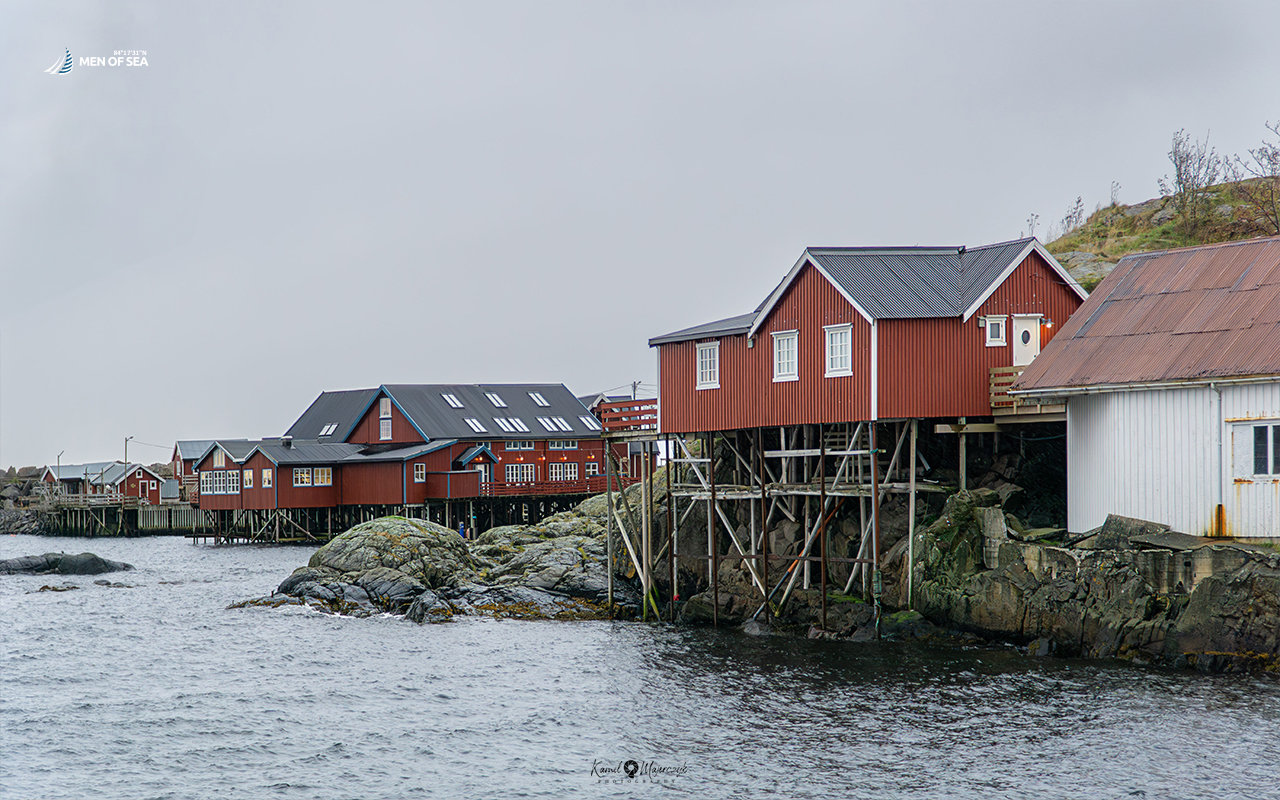
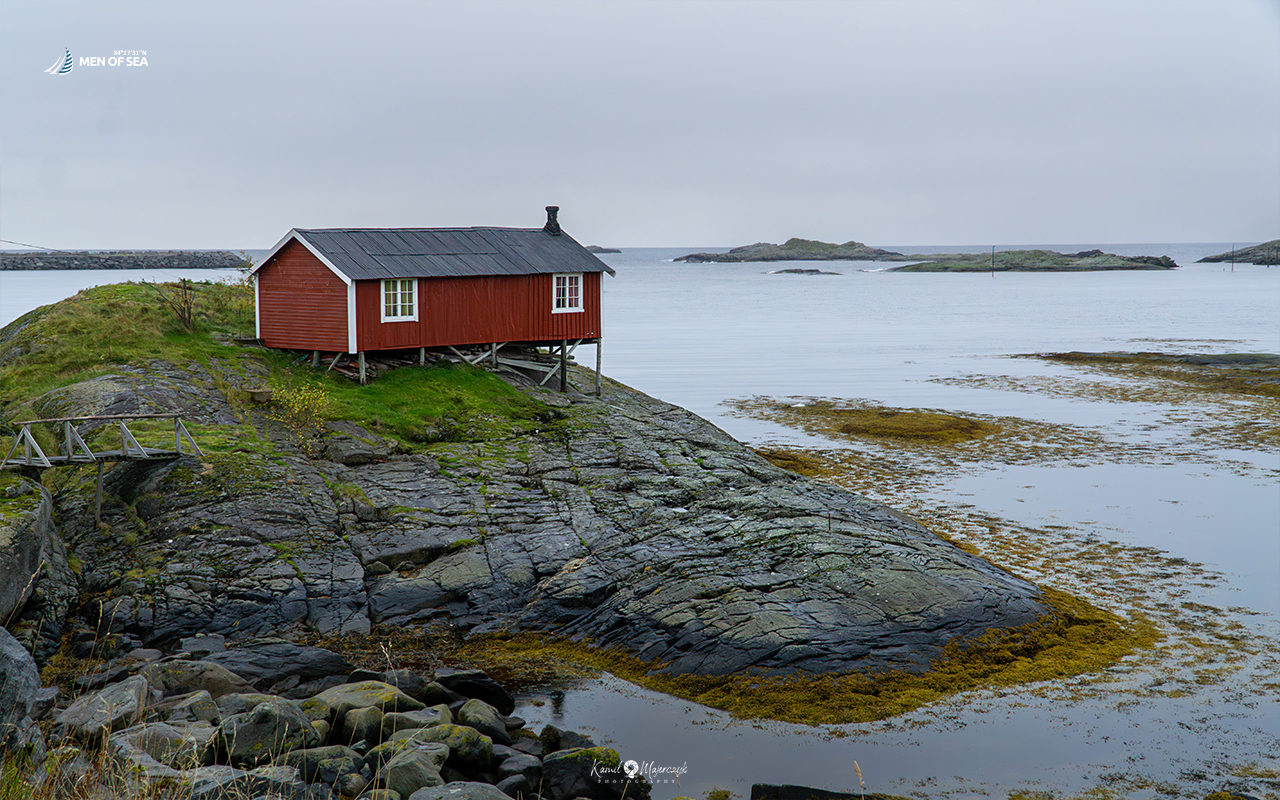
Once in the village, we explore the historic rorbu fishermen’s cabins—traditional wooden houses painted in the characteristic deep red colour, many of them built partially on stilts over the sea. These iconic buildings perfectly capture the atmosphere and heritage of the Lofoten Islands.